The Boy Who Refused To Stop: What Lionel Messi Taught The World About Life

Written by Desmond Opoku
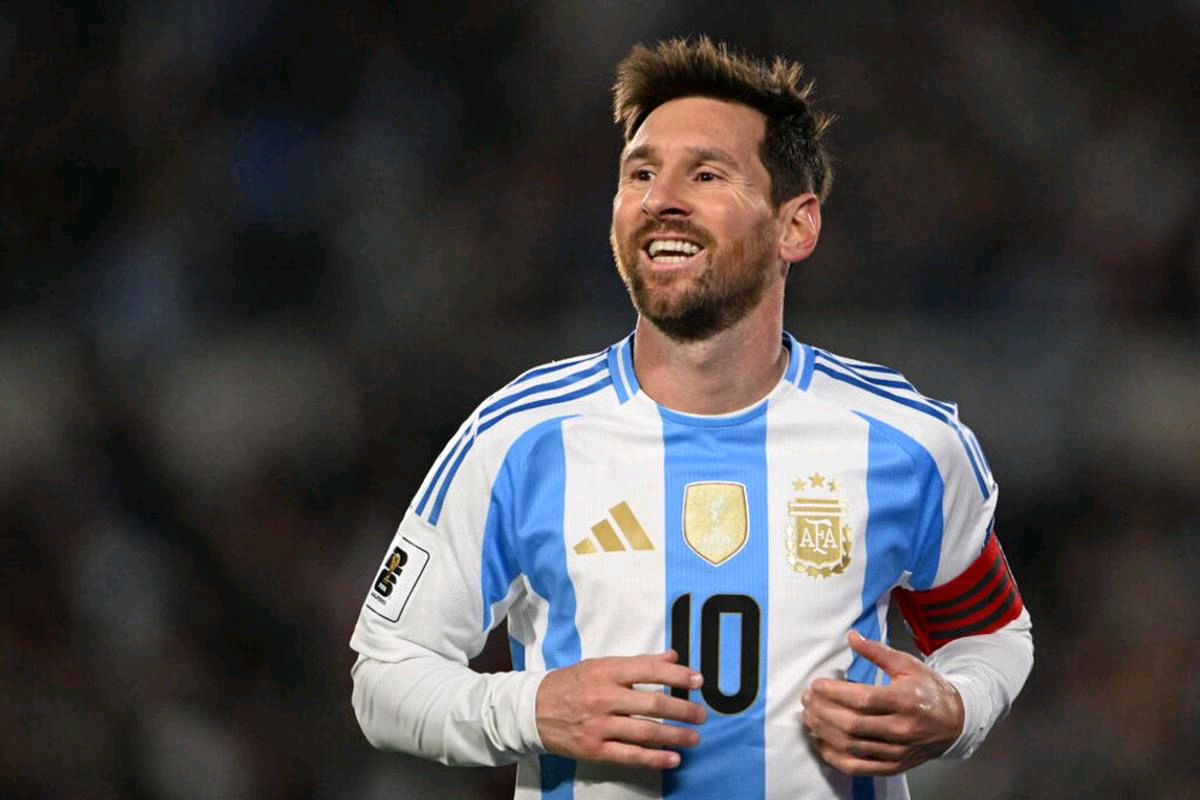
When Argentina beat England 2-1, I lost all composure.
I ran outside in nothing but my boxer shorts, screaming like a little boy who had just been handed the greatest gift imaginable.
My neighbours probably thought something terrible had happened. They were wrong.
Something beautiful had happened.
It wasn’t just another football match. It was another chapter in the story of a man I’ve watched for years, a man whose journey has become bigger than football itself.
Lionel Messi.
People see the trophies today. They see the Ballon d’Ors, the World Cup, the Copa América titles, the Champions Leagues, the endless records and statistics. They see greatness.
What many forget is the pain that came before the glory.
Messi’s story was never a straight road.
He lost the 2007 Copa América final.
He lost the 2014 FIFA World Cup final after coming agonizingly close to lifting football’s biggest prize.
Then came the heartbreak that would have broken most people.
The 2015 Copa América final—lost on penalties.
The 2016 Copa América Centenario final—lost again on penalties.
Imagine carrying the hopes of an entire nation and watching them slip away, year after year.
The criticism was ruthless.
People questioned his leadership.
Some said he could never be Diego Maradona.
Others claimed he only performed for Barcelona and not for Argentina.
The noise became so loud that, after the 2016 final, Messi announced his retirement from international football.
For a moment, the greatest player of his generation believed he had nothing left to give.
But champions aren’t defined by the moments they win.
They’re defined by the moments they choose to come back.
Messi returned.
Not because the criticism had stopped.
Not because success was guaranteed.
He returned because quitting wasn’t how he wanted his story to end.
He kept showing up.
He kept wearing the blue and white shirt.
He kept believing.
Then football finally rewarded his patience.
In 2021, Argentina won the Copa América. After years of heartbreak, Messi finally lifted his first major international trophy.
The tears that night were different.
They weren’t tears of pain anymore.
They were tears of relief.
As if years of carrying disappointment had finally been lifted from his shoulders.
Then came 2022.
The World Cup.
The trophy every critic said he needed.
The one that seemed destined to remain just beyond his reach.
He didn’t just win it.
He produced one of the greatest World Cup campaigns football has ever witnessed, leading his country to the title and completing the only missing piece of an already extraordinary career.
Suddenly, every painful final, every criticism, every sleepless night, every tear made sense.
Today, he has won virtually everything football has to offer.
Not because his journey was easy.But because he stayed on the journey.
That is why Messi’s story resonates far beyond football.
Life will hand us defeats.
Sometimes repeatedly.
You’ll work hard and still fail.
You’ll pray and still cry.
You’ll give everything and still come second.
People will doubt you.
Some will write you off.
Others will compare you to someone else and conclude you’ll never be enough.
In those moments, you’ll have two choices.
Quit.
Or come back.
Messi chose to come back.
Again.
And again.
And again.
Until history had no choice but to reward him.
That evening, as I celebrated Argentina’s victory like a madman in my boxer shorts, I realized I wasn’t celebrating just another win.
I was celebrating resilience.
I was celebrating hope.
I was celebrating the reminder that delayed success is not denied success.
Lionel Messi’s greatest achievement isn’t the World Cup.
It isn’t the Ballon d’Ors.
It isn’t the records.
His greatest achievement is proving that failure is never the final chapter unless you decide to close the book yourself.
And perhaps that’s why millions of us love him so deeply.
Because somewhere in Messi’s story, we see our own.
We’re all fighting for something.
We’re all carrying disappointments.
We’re all hoping that one day, our persistence will finally make sense.
Messi reminds us to keep going.
Because sometimes, the story becomes beautiful only after the painful chapters.
Sign up for the 3Music Newsletter for breaking news, events, and unique stories.
MORE FROM
sports
-
fashion & lifestyle culture
Students Turn To Trades For A Future Beyond Degrees
By Angela Kuffour
August 28th, 2026
-
fashion & lifestyle culture
Haruna Muntari Embraces AI Tools In Graphic Design
By Angela Kuffour
August 28th, 2026
-

fashion & lifestyle culture
The Smartphone Generation, An Era Of Less Physical Interaction Or Improved Communication?
By Angela Kuffour
August 28th, 2026
-
entertainment
OliveTheBoy Takes His O’LIVE EXPERIENCE To The National Theatre
By Joshua Narh
August 28th, 2026
-

culture
Check Oil, Water Before Driving, Vehicle Maintenance Specialist Percy Awuku Advises
By Joshua Narh
August 28th, 2026
More From 3Music News
culture | BY Joshua Narh | August 28th, 2026
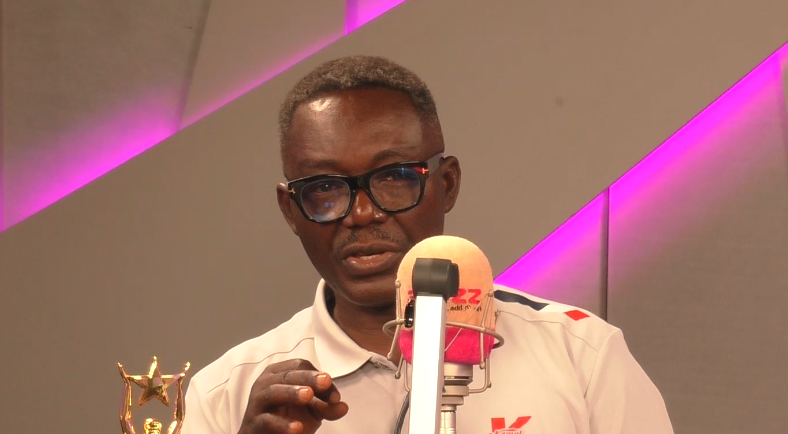
Regular Servicing Can Extend The Life Of Your Car - Percy Awuku
He explained that servicing involves more than simply taking a vehicle to a mechanic when a fault develops. The specific maintenance required can depend on the type and age of the vehicle.

entertainment | BY Angela Kuffour | August 28th, 2026
Peter Cullen, Iconic Voice Of Optimus Prime, Dies At 85
Cullen passed away peacefully on Wednesday, August 26, 2026, at his home in Los Angeles, surrounded by his family.
culture | BY Joshua Narh | August 27th, 2026
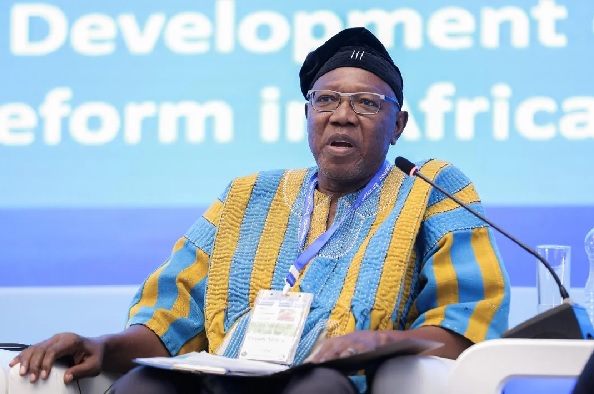
Education Ministry To Amend Law Over Faith-Based Representation On GES Council
The ministry made the announcement in response to concerns raised by the Ghana Catholic Bishops’ Conference over the composition of the GES Council.
culture | BY Joshua Narh | August 27th, 2026
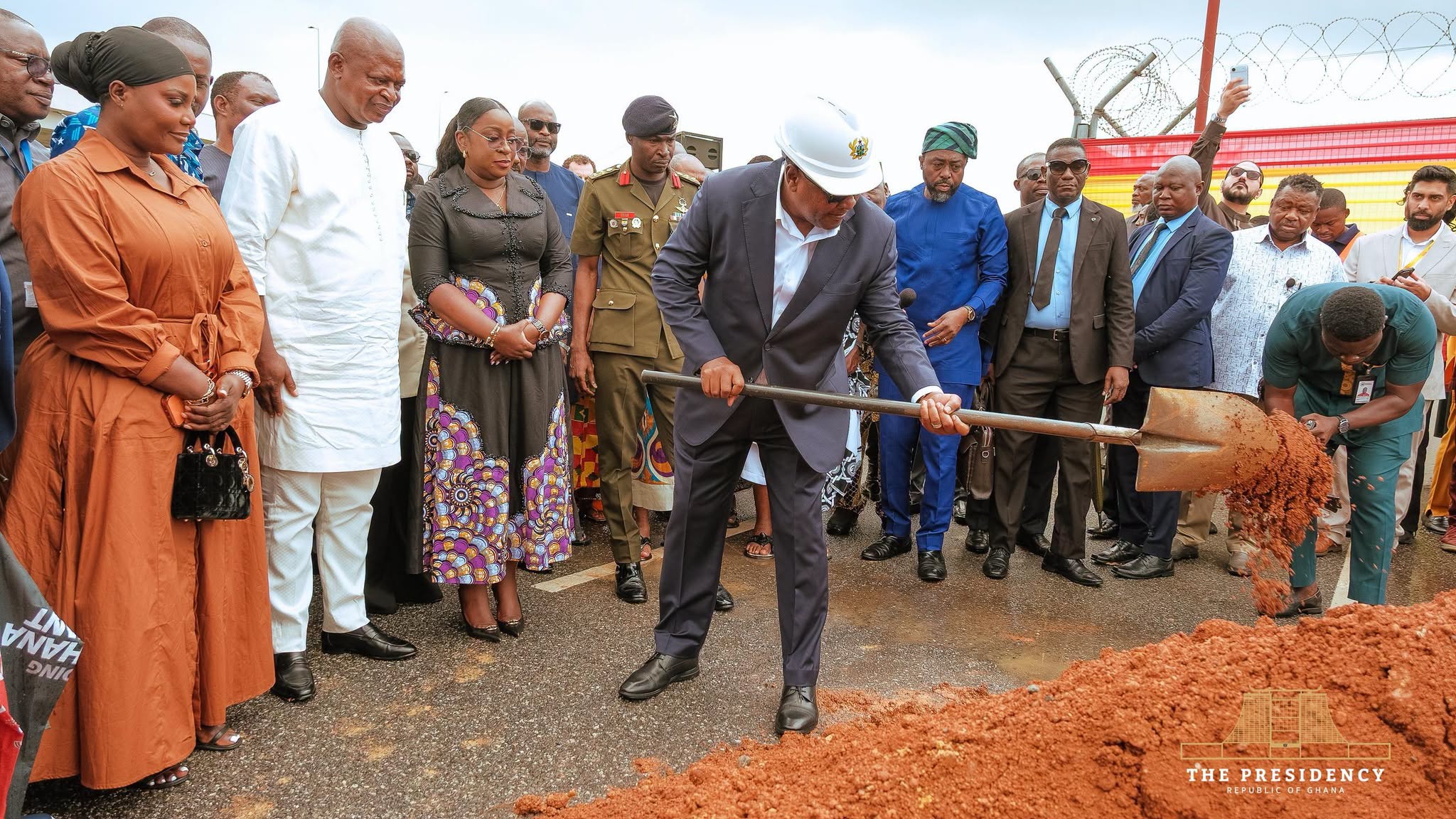
President Mahama Cuts Sod For Multi-Purpose Car Park And Commercial Complex At Accra Airport
The development is expected to provide about 2,030 covered parking spaces, as well as hotels, retail outlets, offices, entertainment facilities and a pedestrian connection to the terminal.

entertainment | BY Joshua Narh | August 27th, 2026
Apiorkor Seyiram Ashong-Abbey Named BSIFF Diplomacy Ambassador
The appointment forms part of BSIFF’s efforts to strengthen its international engagement and use film as a platform for cultural exchange.
entertainment | BY Joshua Narh | August 27th, 2026
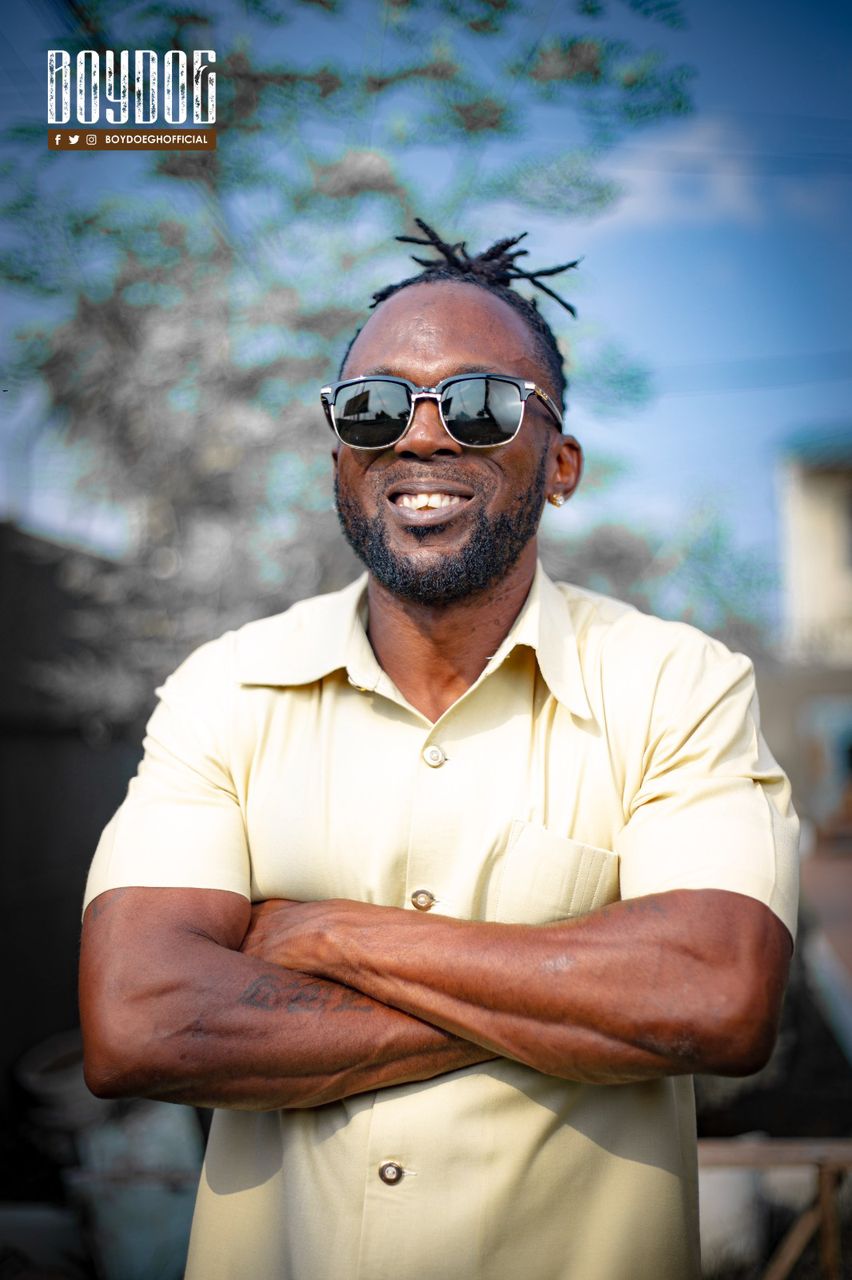
Boy Doe Rejects Pressure To Stick To One Genre
Boy Doe said he sees himself as an “instrument” who makes music based on what he feels rather than limiting himself to one particular style.

entertainment | BY Joshua Narh | August 27th, 2026
Boy Doe Reveals Independent Music Career Is Costly, With Most Performances Unpaid
Boy Doe said he had experienced situations where he was replaced on a performance schedule because a more established act was considered a bigger name.

entertainment | BY Joshua Narh | August 27th, 2026
KiDi Reveals 40 Songs Were Recorded Before Settling On 15 For New Album
According to KiDi, the album was about four years in the making, with the recording process producing enough material for what he described as potentially three albums.

entertainment | BY Joshua Narh | August 27th, 2026
KiDi Reveals He Deliberately Embraced Different Genres Without Losing His Identity
He added his background in R&B influenced his early approach to music, but joining Lynx Entertainment required him to adapt his sound to connect with a wider Ghanaian audience.
entertainment | BY Joshua Narh | August 27th, 2026
Discipline Has Kept Me In Check Throughout My Career - KiDi
Reflecting on his career, KiDi said one of his biggest challenges had been learning how to listen to advice without allowing other people’s opinions to determine the direction of his life and career.
entertainment | BY Joshua Narh | August 27th, 2026
I Have Come A Long Way — KiDi Reflects On Decade-Long Music Journey
According to him, many of the challenges he faced had not been publicly discussed, although some of them had influenced the new album.
culture | BY Joshua Narh | August 27th, 2026
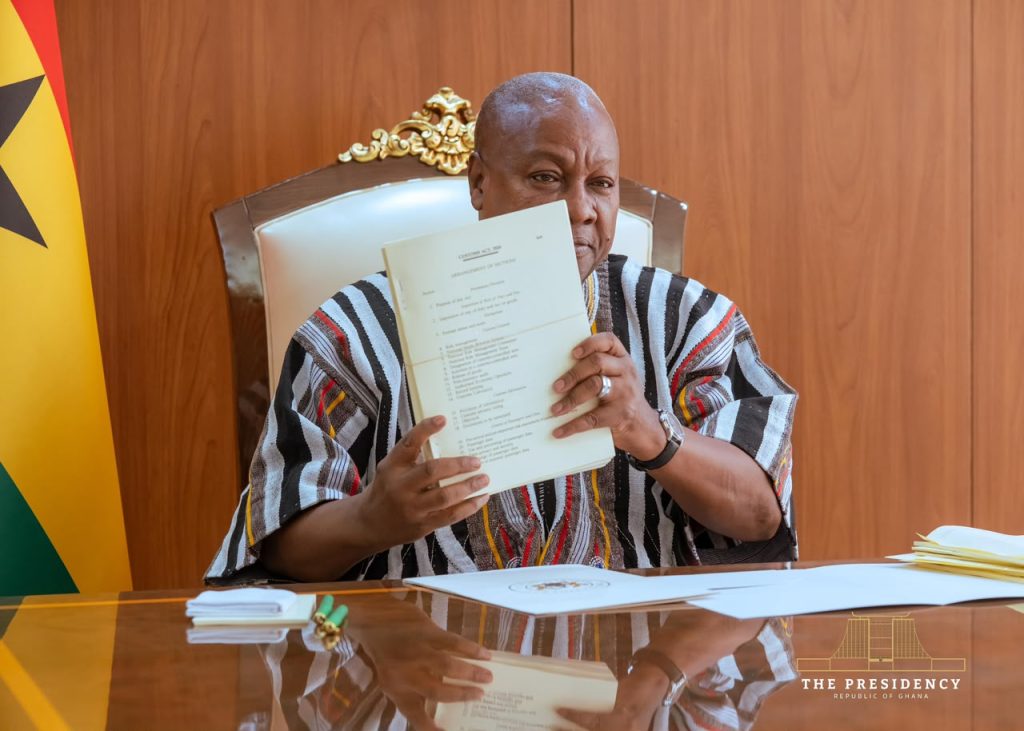
President Mahama Signs 10 Laws Covering Tax, Cocoa, Customs And Justice Reforms
The new laws cover agriculture, taxation, customs, energy, justice, maritime security, education and social protection.
Comments