Akua Gyamfi Is Still Dreaming Bigger, 13 Years After Building A Global Creative Platform

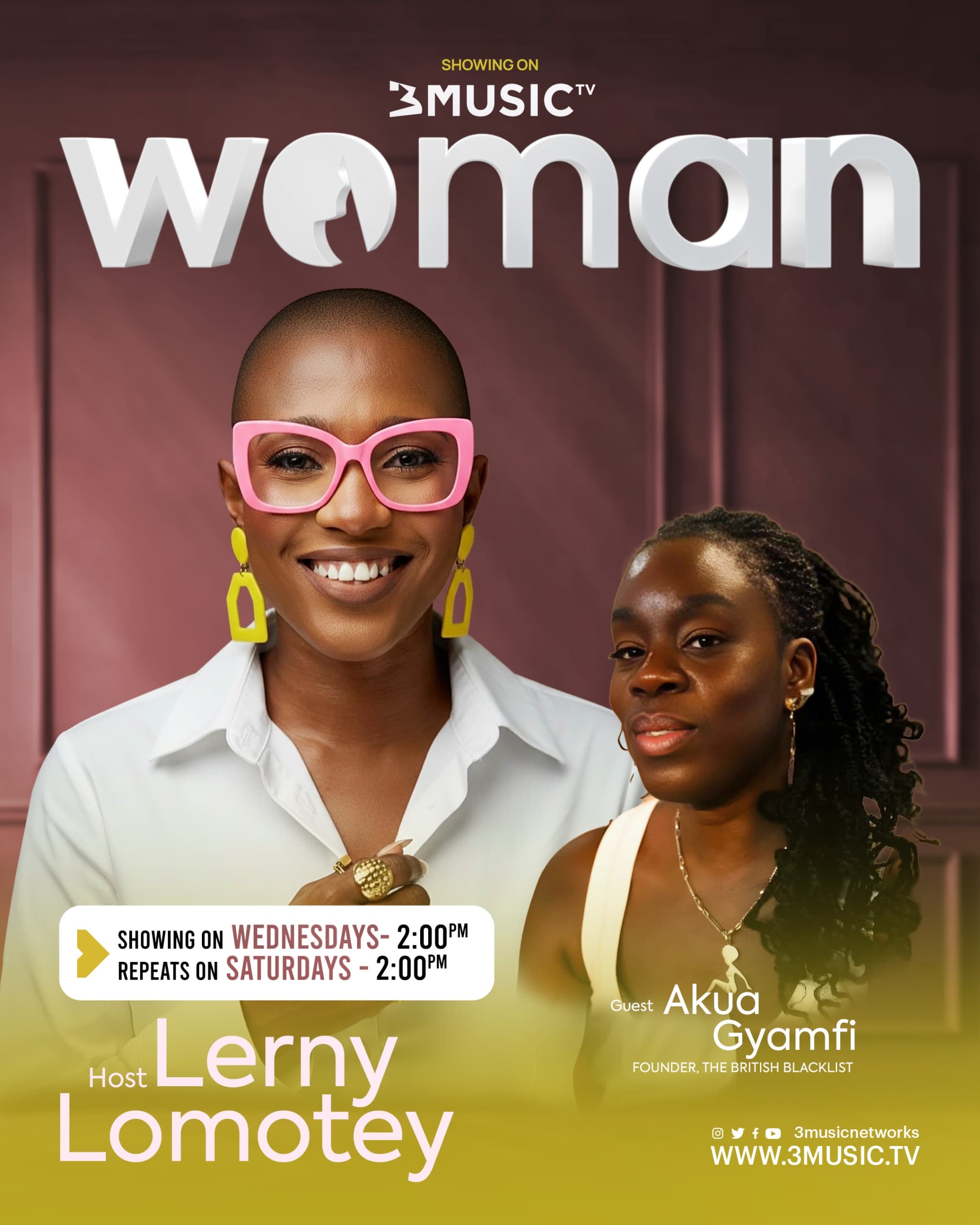
On an episode of Woman with Lerny Lomotey, media executive and founder of the British Blacklist, Akua Gyamfi, opened up about her 13-year journey building a platform that has grown from a bold idea into a globally respected voice for Black creatives.
Reflecting on her journey, Akua was candid she has not yet achieved everything she set out to do. For her, the vision has always been bigger than the resources available.
“I dream big,” she admitted, highlighting the constant challenge of matching ambitious ideas with limited means. Yet, what stands out most is not what she hasn’t achieved, but what she has sustained: persistence, resilience and an unwavering commitment to purpose.
At the heart of her pride is the community that the British Blacklist has built. From established industry figures to rising creatives, the platform has become a space of validation and visibility.
“Even when people complain that they haven’t been featured, I welcome it,” she shared. “It means it matters.” That sense of relevance, respect, and reliance from the creative community is what she considers her greatest achievement.
Over the years, the British Blacklist has expanded far beyond the UK, evolving into a global platform that connects Black creatives across continents. Through interviews, features and initiatives like Blacklisted Conversations, Akua has facilitated meaningful, peer-to-peer exchanges about craft and storytelling. These conversations go beyond surface-level fame, offering insight into the process, discipline and realities of creative work.
Her reach is evident in the calibre of creatives she has engaged with, including Idris Elba, Daniel Kaluuya, Letitia Wright, Damson Idris, Viola Davis, Jordan Peele, Lupita Nyong’o, Ryan Coogler and Michael B. Jordan. But beyond the star power, she finds equal, if not greater, fulfilment in spotlighting emerging talents those who credit the platform for giving them their first visibility and helping shape their careers.
Central to Akua’s mission is a deep commitment to empowering Black creatives to understand and master their craft. She emphasized the importance of learning the system before attempting to challenge it. “Know the rules before you break them,” she said, stressing that authentic storytelling requires both skill and awareness. For her, the real battle lies in reclaiming narrative control in industries where Black stories have often been filtered or dictated by external gatekeepers.
This passion for knowledge-sharing has also shaped her work beyond the platform. From script consultancy, where she has helped creatives refine their storytelling to her time at the BBC Writers’ Room, Akua has consistently positioned herself as both a curator and a guide within the creative space.
Her latest initiative, Creatives Pause, reflects this ethos. Designed as a collaborative retreat for filmmakers, the program brings together creatives from Ghana and the diaspora to reflect, reset, and refine their projects.
Through workshops, screenings, and mentorship sessions, participants are given the tools to better understand their work and navigate the industry. It also serves as a bridge connecting local Ghanaian creatives with global perspectives, while fostering collaboration and shared growth.
Importantly, she challenges the idea that success or purpose is tied to age. Her own journey, launching the British Blacklist later in life, leaving a stable role at the BBC and building a business as a single mother serves as proof that it is never too late to pursue a dream. For Akua, mentorship and empowerment are not limited to the youth; they extend to anyone willing to commit to their passion and put in the work.
Her advice to aspiring creatives is both simple and profound: read, watch, research and learn. In a world where information is increasingly accessible, she believes there are fewer excuses for not developing one’s craft. Whether through formal education or self-driven learning, the responsibility lies with the individual to grow, refine and execute their vision.
Thirteen years in, Akua Gyamfi’s journey is far from complete. If anything, it is still unfolding driven by bigger dreams, deeper purpose and an unshakable belief in the power of Black storytelling to shape the world.
Sign up for the 3Music Newsletter for breaking news, events, and unique stories.
MORE FROM
music
-
-

culture
Contractor Hands Over Weija Children’s Hospital To Government
By Angela Kuffour
August 7th, 2026
-
culture
WAEC Releases Provisional 2026 BECE Results For Private Candidates
By Angela Kuffour
August 7th, 2026
-
sports
Coventry City Unveil Record Signing Caleb Yirenkyi With Ghana-Themed Promo Video
By Angela Kuffour
August 7th, 2026
-
culture
Liberia Camp Residents Urge Faster Completion of Kasoa-Winneba Road Project
By Angela Kuffour
August 7th, 2026
More From 3Music News
culture | BY Joshua Narh | August 7th, 2026
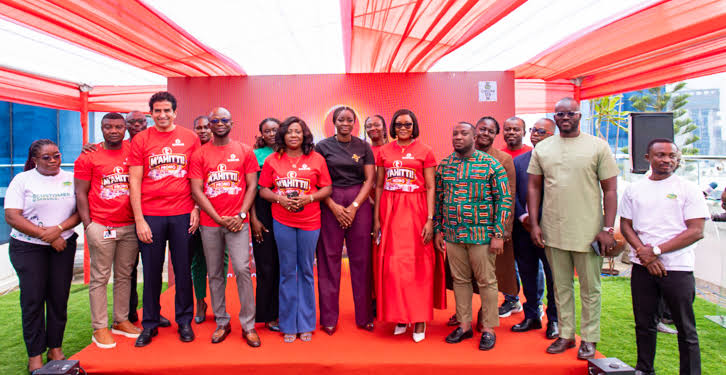
Telecel Changes Reward Strategy As M’AHITTI Puts Digital Transactions At Centre
The company says customers can begin earning points immediately after subscribing to the promotion, with additional points available when they use Telecel’s digital platforms.
music | entertainment | BY Joshua Narh | August 7th, 2026
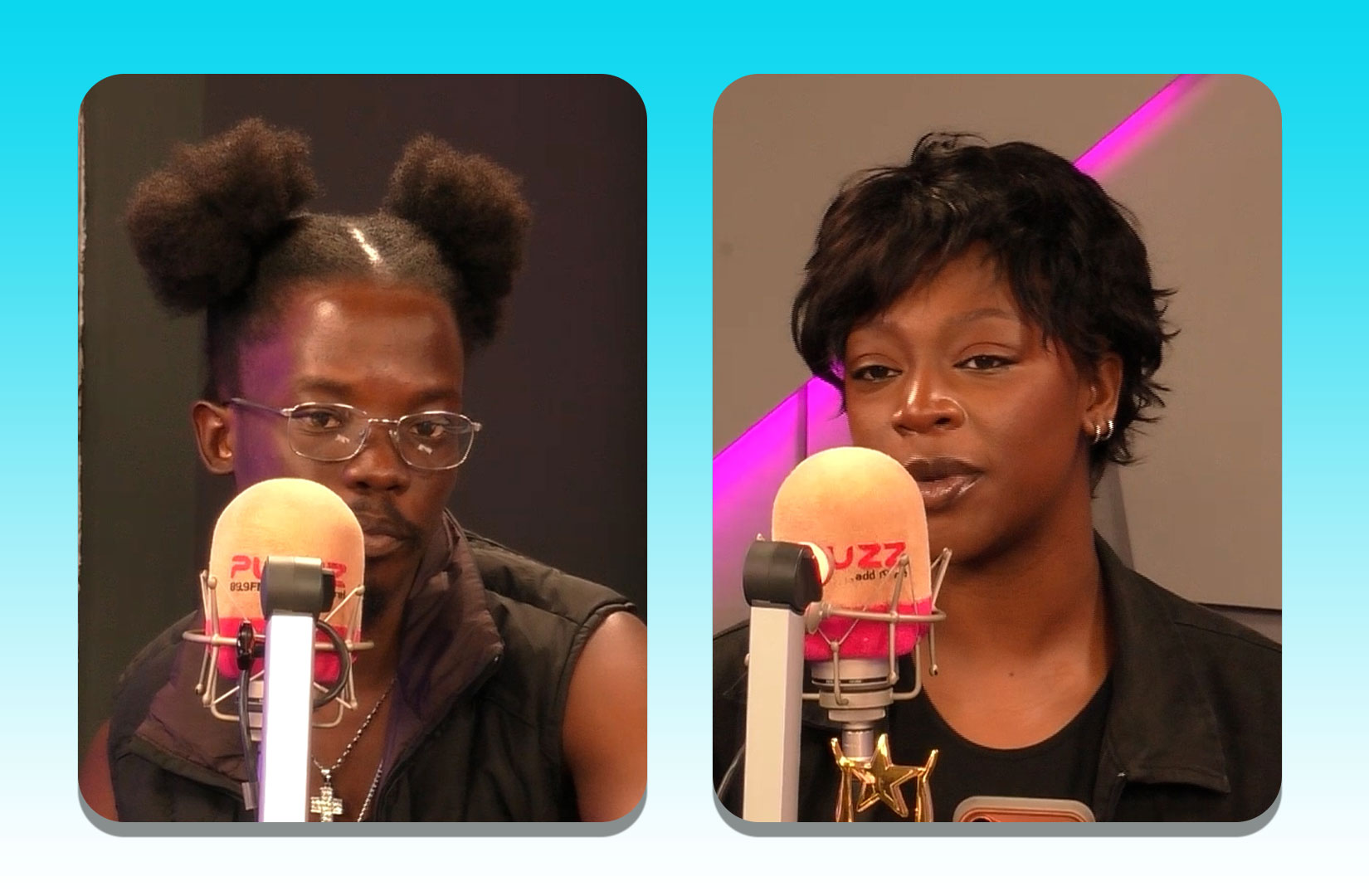
How Rie Osei And Marince Omario Turned ADWUMA WURA From A Love Song Into An Anthem About Ambition
“I was like, no, let’s change the topic today. Let’s talk about money,” he recalled.
entertainment | BY Joshua Narh | August 7th, 2026
Rie Osei Reveals She Puts Personal Experiences Into Her Music
She said she avoids forcing lyrics when an idea is not developing naturally because doing so can affect the authenticity of the final work.
entertainment | BY Joshua Narh | August 7th, 2026
Marince Omario Traces Black Sherif, Joker Nana Connection To 2014 Collective
He said the idea began when he was in Form 2 at St Thomas Aquinas Senior High School, where he and his friends decided to operate as a collective rather than as a conventional music group.
culture | BY Joshua Narh | August 7th, 2026
Dr Aminarh Urges Couples To Ask For Genotype Early In a Relationship
He said genotype compatibility should be treated as an important part of choosing a partner because of the risk of having a child with sickle cell disease when two people who carry the sickle cell gene have children together.
culture | BY Joshua Narh | August 7th, 2026
Pregnancy And Childbirth Require Careful Financial Planning - Dr Aminarh
According to Dr Aminarh, delivery costs vary depending on whether a woman has a vaginal delivery or a caesarean section, as well as whether she has health insurance.
culture | BY Joshua Narh | August 6th, 2026
Sheikh Aremeyaw Shaibu Reiterates Calls For Stronger Safety Measures After Helicopter Crash
According to Sheikh Aremeyaw Shaibu, the country must ensure that meaningful lessons are drawn from the deaths of the eight victims.
culture | BY Joshua Narh | August 6th, 2026
We Have Learned Bitter Lessons From Helicopter Crash - Rashid Tanko-Computer
"We have learned a lot. I mean, they died through action. They were going to launch this responsible community mining to fight galamsey. That was virtually what they were doing", he said.
culture | BY Joshua Narh | August 6th, 2026
Dr Omane Boamah’s Legacy Continues To Guide Elections Work - NDC’s Election Directorate
Mr Tanko-Computer said the remaining members of the Elections Directorate had continued to implement Dr Omane Boamah’s ideas and organisational approach, which he said had contributed to the successful conduct of the party’s recent branch elections.
culture | BY Joshua Narh | August 6th, 2026
President Mahama Urges Ghanaians To Honour The Sacrifice Of August 6 Helicopter Crash Victims
The President who was speaking at a National Inter-Faith Memorial Service in Accra on Thursday to mark one year since the tragedy, said remembrance is not only about reflecting on the past but also about preserving the values on which the country is built.
sports | BY Angela Kuffour | August 6th, 2026
People Were Avoiding Me - Paul Pogba Reflects On Isolation During Doping Ban
He also mentioned that the worst experience during the period was when his wife Zulay, chose to avoid him sometimes.
music | entertainment | fashion & lifestyle | BY Angela Kuffour | August 6th, 2026
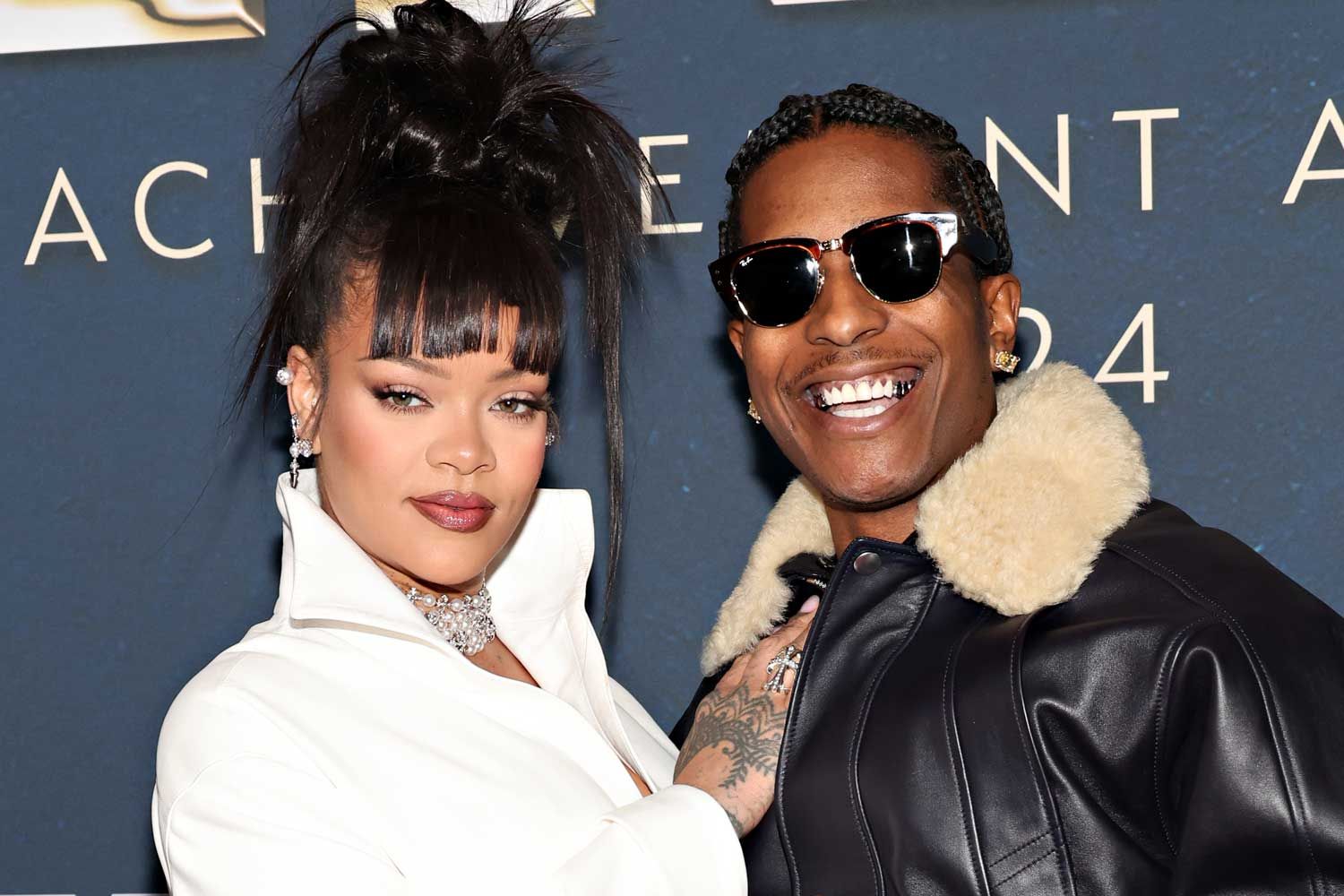
A$AP Rocky Says He’s Not Insecure About Rihanna’s Billions
The comments come as Rihanna’s net worth is estimated at around $1 billion to $1.4 billion, driven largely by her Fenty Beauty and Savage X Fenty businesses, according to reports citing Forbes.
More Similar Videos
music,entertainment | Lerny Lomotey | October 27th, 2025
Showboy Shares His Journey From Prison To Becoming Ghana's Biggest Trapper
Comments