Phyllis Awo Ahiable: The Creative Who Turned An “Accident” Into A Fashion Empire

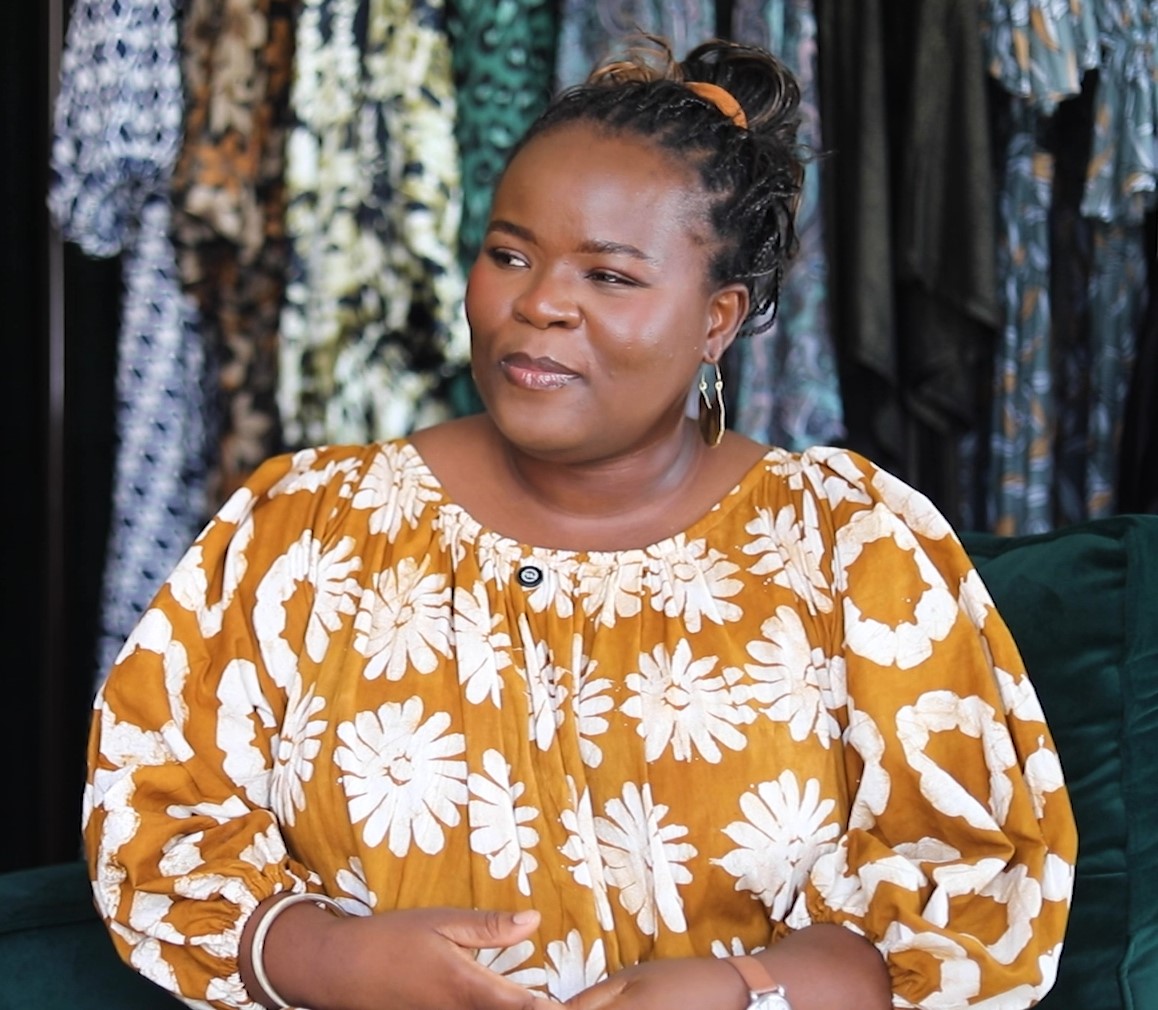
On Style with Aimee Cherry, the conversation took an unexpected but inspiring turn as Phyllis Awo Ahiable, widely known as Awovi shared how a simple problem-solving idea evolved into a thriving fashion brand, Awovigh
What makes her story compelling is not just the success, but the unconventional path that led her there.
Unlike many designers who dream of fashion from childhood, Awovi’s journey began in a completely different creative space.
A graduate of University of Ghana, she studied Performing Arts and initially pursued a career in film as a director and writer.
Her entry into fashion came when she began working on a film project and needed costumes. Faced with high production costs, she identified a gap in the market and decided to fill it herself.
“I said, why don’t I set up a costuming company?” she recalled.
That decision marked the beginning of everything. Despite growing up with a seamstress mother, fashion had never been a serious consideration.
But once she committed to building a fashion business, Awovi knew she had to understand the craft.
She enrolled in sewing school while simultaneously running her studio, learning hands-on during the day and managing production at the same time.
What started as a necessity soon became a passion.
“I developed a love for it,” she said.
Since around 2011, Awovi has been steadily building her brand, now over a decade deep into the journey. But longevity hasn’t made things easier.
“Even yesterday, I felt like quitting,” she admitted candidly.
Running a fashion business, especially with an all-women team, comes with unique challenges. From managing schedules and personal responsibilities to navigating emotional and physical realities within the workspace.
Still, her commitment to creating opportunities for women keeps her going.
Her designs often incorporate Afrocentric elements. Think batik, African prints, beadwork and statement detailing, crafted for women who want to stand out and tell stories through style.
From office wear to bridal, couture to ready-to-wear, the brand caters to a wide spectrum of women, offering both bespoke and ready-made pieces.
One of the most important conversations from the episode centered on pricing and the cost of locally made fashion.
Awovi broke it down simply: producing in Ghana is expensive.
From imported fabrics and high duties to rent, fuel and labor costs, every stage of production adds to the final price. Unlike mass-produced international brands, local designers operate on a smaller scale with more hands-on processes.
“You’re paying three to five times more for the same fabric,” she explained.
Yet, she emphasized that buying local is more than a transaction, it’s an investment in livelihoods, communities and the future of Ghanaian fashion.
While countries like Nigeria have made strong global strides, she believes Ghana has the potential to do the same with the right backing.
“Support Ghanaian brands. That’s how we grow.”
Style with Aimee Cherry airs every Monday and repeats on Thursdays at 12 PM, spotlighting the creatives shaping Ghana’s fashion and lifestyle industry.
Sign up for the 3Music Newsletter for breaking news, events, and unique stories.
MORE FROM
entertainment
-

-

culture
Contractor Hands Over Weija Children’s Hospital To Government
By Angela Kuffour
August 7th, 2026
-
culture
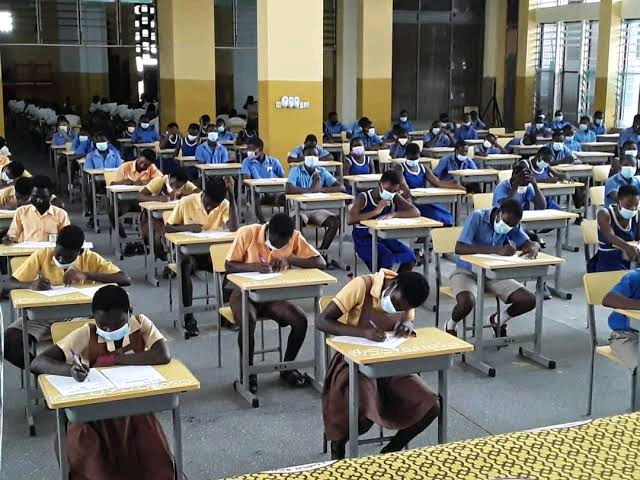
WAEC Releases Provisional 2026 BECE Results For Private Candidates
By Angela Kuffour
August 7th, 2026
-
sports
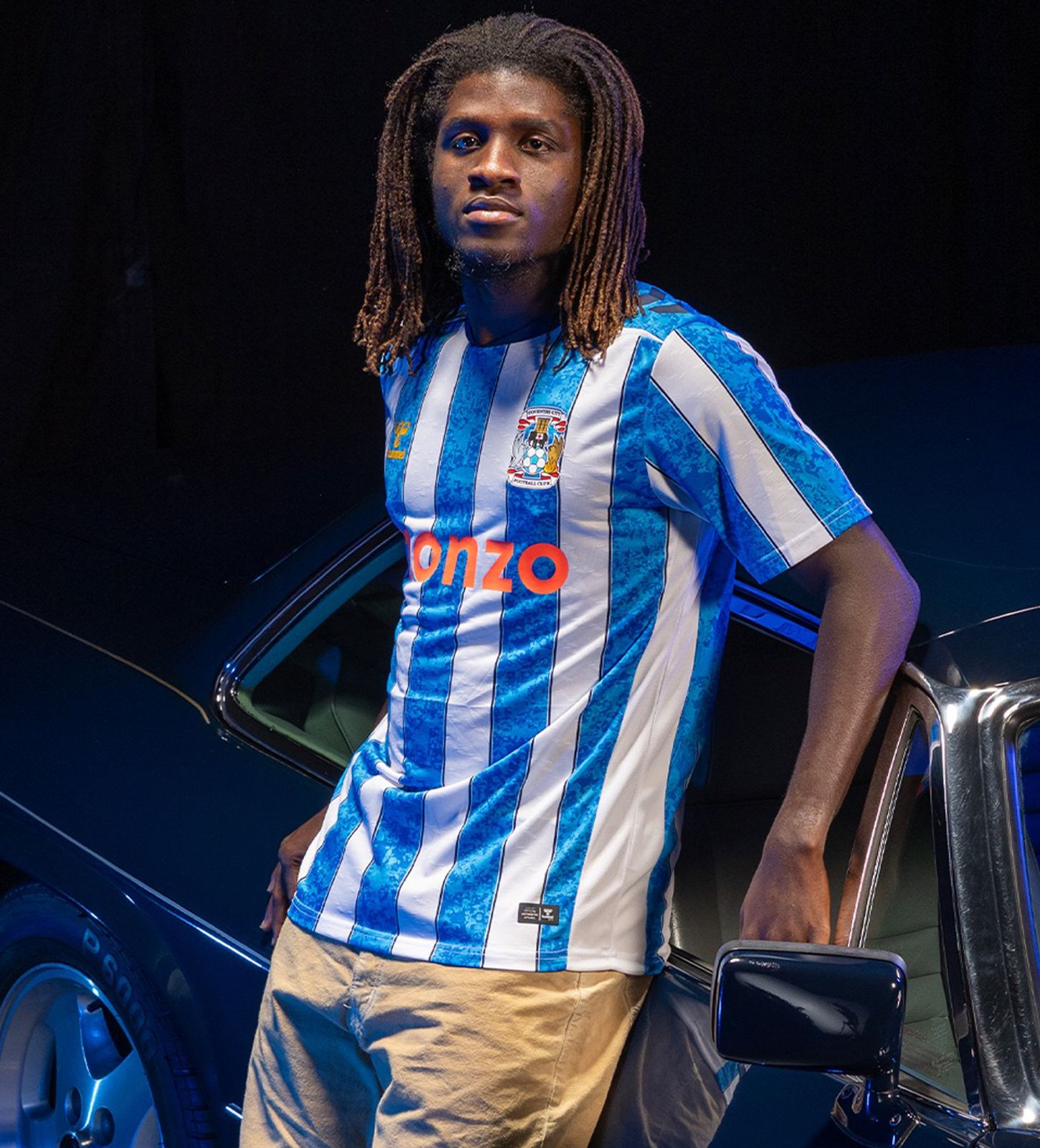
Coventry City Unveil Record Signing Caleb Yirenkyi With Ghana-Themed Promo Video
By Angela Kuffour
August 7th, 2026
-

culture
Liberia Camp Residents Urge Faster Completion of Kasoa-Winneba Road Project
By Angela Kuffour
August 7th, 2026
More From 3Music News

culture | BY Joshua Narh | August 7th, 2026
Telecel Changes Reward Strategy As M’AHITTI Puts Digital Transactions At Centre
The company says customers can begin earning points immediately after subscribing to the promotion, with additional points available when they use Telecel’s digital platforms.
music | entertainment | BY Joshua Narh | August 7th, 2026
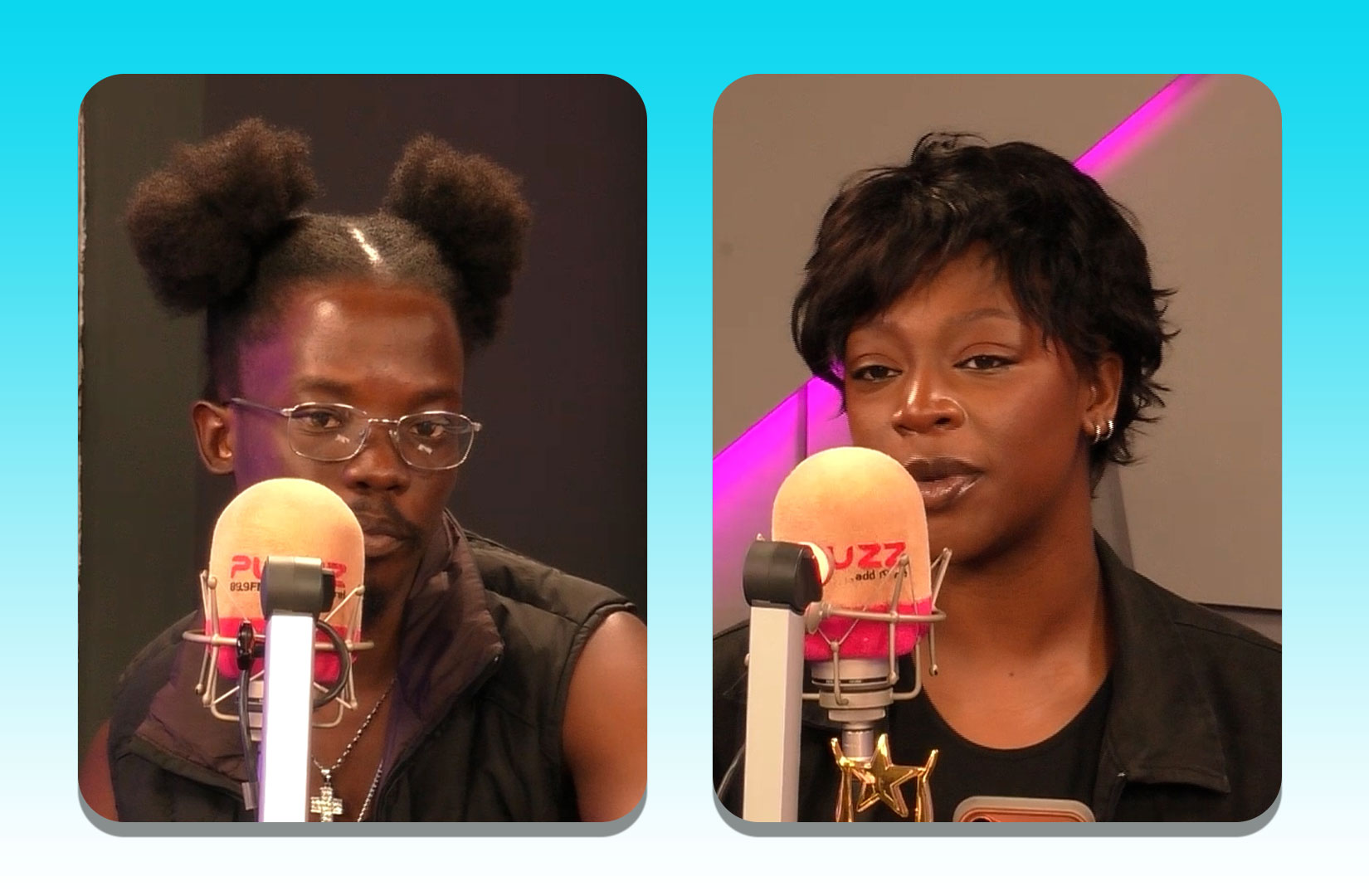
How Rie Osei And Marince Omario Turned ADWUMA WURA From A Love Song Into An Anthem About Ambition
“I was like, no, let’s change the topic today. Let’s talk about money,” he recalled.
entertainment | BY Joshua Narh | August 7th, 2026
Rie Osei Reveals She Puts Personal Experiences Into Her Music
She said she avoids forcing lyrics when an idea is not developing naturally because doing so can affect the authenticity of the final work.
entertainment | BY Joshua Narh | August 7th, 2026
Marince Omario Traces Black Sherif, Joker Nana Connection To 2014 Collective
He said the idea began when he was in Form 2 at St Thomas Aquinas Senior High School, where he and his friends decided to operate as a collective rather than as a conventional music group.

culture | BY Joshua Narh | August 7th, 2026
Dr Aminarh Urges Couples To Ask For Genotype Early In a Relationship
He said genotype compatibility should be treated as an important part of choosing a partner because of the risk of having a child with sickle cell disease when two people who carry the sickle cell gene have children together.

culture | BY Joshua Narh | August 7th, 2026
Pregnancy And Childbirth Require Careful Financial Planning - Dr Aminarh
According to Dr Aminarh, delivery costs vary depending on whether a woman has a vaginal delivery or a caesarean section, as well as whether she has health insurance.
culture | BY Joshua Narh | August 6th, 2026
Sheikh Aremeyaw Shaibu Reiterates Calls For Stronger Safety Measures After Helicopter Crash
According to Sheikh Aremeyaw Shaibu, the country must ensure that meaningful lessons are drawn from the deaths of the eight victims.

culture | BY Joshua Narh | August 6th, 2026
We Have Learned Bitter Lessons From Helicopter Crash - Rashid Tanko-Computer
"We have learned a lot. I mean, they died through action. They were going to launch this responsible community mining to fight galamsey. That was virtually what they were doing", he said.
culture | BY Joshua Narh | August 6th, 2026
Dr Omane Boamah’s Legacy Continues To Guide Elections Work - NDC’s Election Directorate
Mr Tanko-Computer said the remaining members of the Elections Directorate had continued to implement Dr Omane Boamah’s ideas and organisational approach, which he said had contributed to the successful conduct of the party’s recent branch elections.
culture | BY Joshua Narh | August 6th, 2026
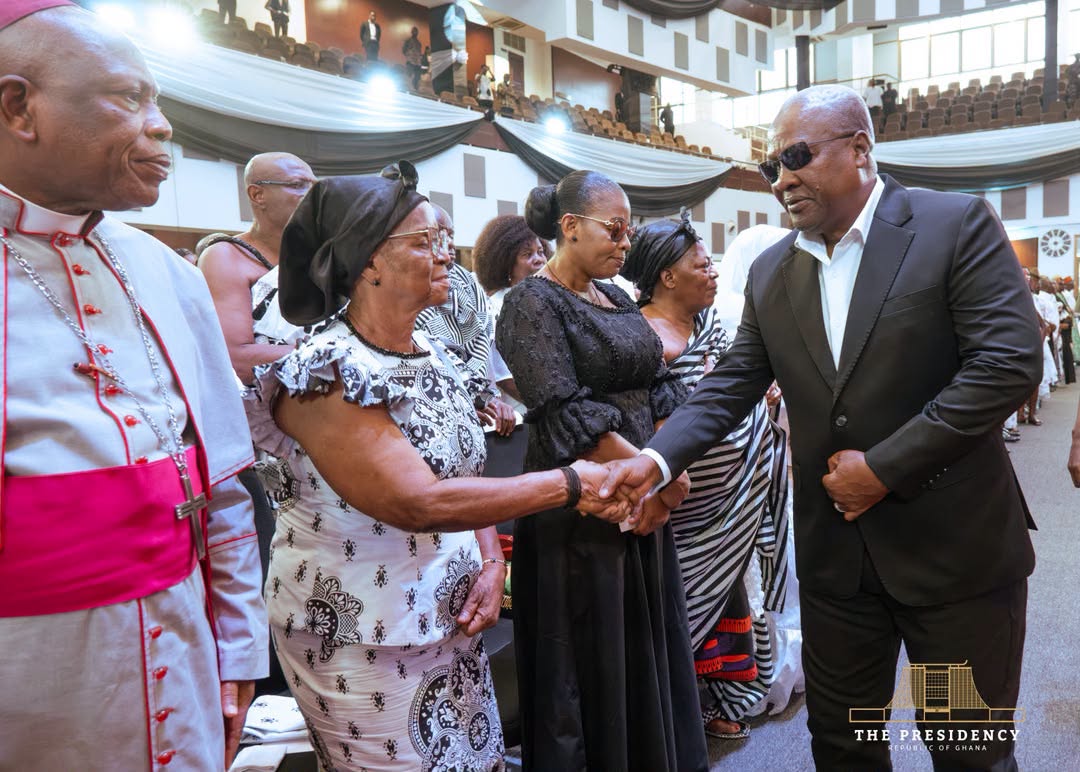
President Mahama Urges Ghanaians To Honour The Sacrifice Of August 6 Helicopter Crash Victims
The President who was speaking at a National Inter-Faith Memorial Service in Accra on Thursday to mark one year since the tragedy, said remembrance is not only about reflecting on the past but also about preserving the values on which the country is built.
sports | BY Angela Kuffour | August 6th, 2026
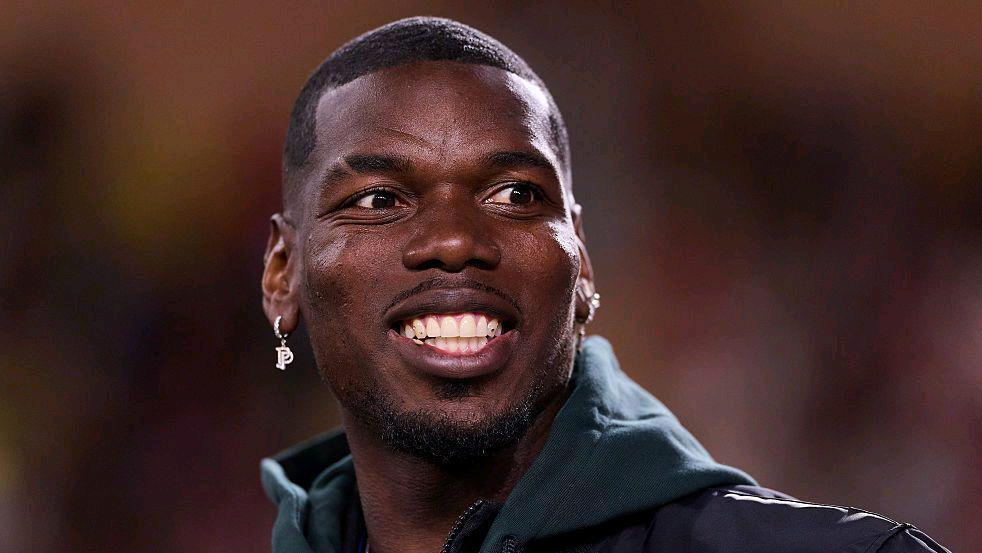
People Were Avoiding Me - Paul Pogba Reflects On Isolation During Doping Ban
He also mentioned that the worst experience during the period was when his wife Zulay, chose to avoid him sometimes.
music | entertainment | fashion & lifestyle | BY Angela Kuffour | August 6th, 2026
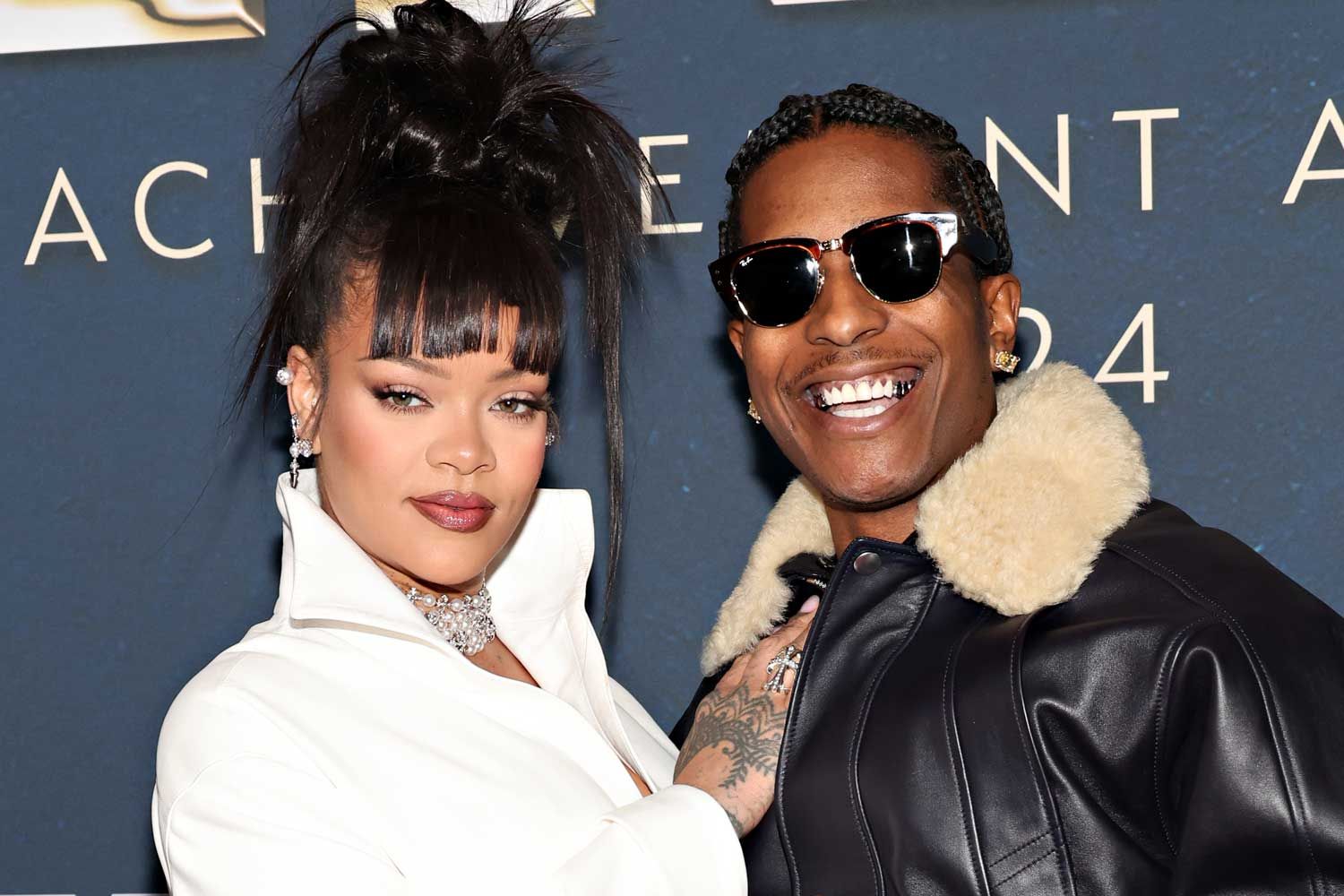
A$AP Rocky Says He’s Not Insecure About Rihanna’s Billions
The comments come as Rihanna’s net worth is estimated at around $1 billion to $1.4 billion, driven largely by her Fenty Beauty and Savage X Fenty businesses, according to reports citing Forbes.
More Similar Videos
music,entertainment | Lerny Lomotey | October 27th, 2025
Showboy Shares His Journey From Prison To Becoming Ghana's Biggest Trapper
Comments