Aba Arthur On Purpose And Owning Your Story


On an episode of WOMAN, host Lerny Lomotey sat down with actress, producer and storyteller Aba Arthur for an intimate and deeply reflective conversation on identity, resilience and purpose.
From the outset, Aba Arthur made it clear that self-awareness played a crucial role in her journey. Reflecting on personal challenges, she explained that instead of allowing painful experiences to define her, she chose to interrogate them.
“There’s something about this particular wounding that is speaking to me personally… so let me rather figure out what that is.”
Growing up in a Ghanaian household, Arthur credited her upbringing for grounding her sense of identity. She described her parents as strong-willed and intentional, creating a safe space where she could express herself and receive guidance.
This foundation, she noted, reinforced her confidence and self-worth, qualities that protected her from internalising harmful narratives around race and colourism.
Arthur also opened up about her early awareness of social injustice. She revealed that her passion for storytelling and entertainment was deeply tied to her desire to challenge inequality and reshape narratives.
“What bothers me is inequality… how do we make sure everyone has the same opportunity?”
Interestingly, she didn’t consciously choose entertainment, it found her. Her lifelong fascination with television, storytelling and character dynamics naturally evolved into a career path.
Her journey took a defining turn when she pursued theatre arts, where she discovered her true calling the moment she stepped on stage.
“The minute I started speaking, I said, ‘Oh… this is it.’”
From stage to screen, Arthur has built an impressive career, eventually founding her production company, The Ohema Project, to create authentic African-centred stories.
Her work has since expanded across theatre, film, and television, with credits including major productions such as The Color Purple and Black Panther: Wakanda Forever.
Despite the challenges of breaking into Hollywood, she emphasised persistence, alignment and self-belief as key drivers of her success.
“It’s for the people who can’t go to sleep unless they’ve gotten the idea out of their mind.”
As the conversation wrapped on WOMAN with Lerny Lomotey, Arthur highlighted the importance of visualisation, community and staying grounded, principles that continue to shape her journey.
Sign up for the 3Music Newsletter for breaking news, events, and unique stories.
MORE FROM
entertainment
-
entertainment
HIGH-LIFE COLLECTIVE Seeks To Build Community Around Ghanaian Music - Abrantie Simms
By Joshua Narh
September 4th, 2026
-
culture
Ghana Will Attend Funeral Of Late Cambridge Professor Jason Arday – Ablakwa
By Angela Kuffour
September 4th, 2026
-
entertainment
Abrantie Simms Turns Chance Meeting With Kuvie Into Highlife Project
By Joshua Narh
September 4th, 2026
-
entertainment culture
Sean ‘Diddy’ Combs’ Projected Prison Release Date Moved Forward
By Angela Kuffour
September 4th, 2026
-
entertainment
Fame Taught Me That Everybody Needs Love - Libianca
By Joshua Narh
September 4th, 2026
More From 3Music News

entertainment | BY Joshua Narh | September 4th, 2026
Libianca Rejects Rigid Genre Labels
Libianca described herself as a “fusion” artiste, saying her music draws from different influences rather than fitting neatly into one category.
entertainment | BY Joshua Narh | September 4th, 2026
Libianca Nearly Quit Music Before PEOPLE Changed Her Life
Libianca said she had given herself two years to make progress in music after leaving college, and was prepared to abandon her faith if nothing changed.
culture | BY Joshua Narh | September 4th, 2026
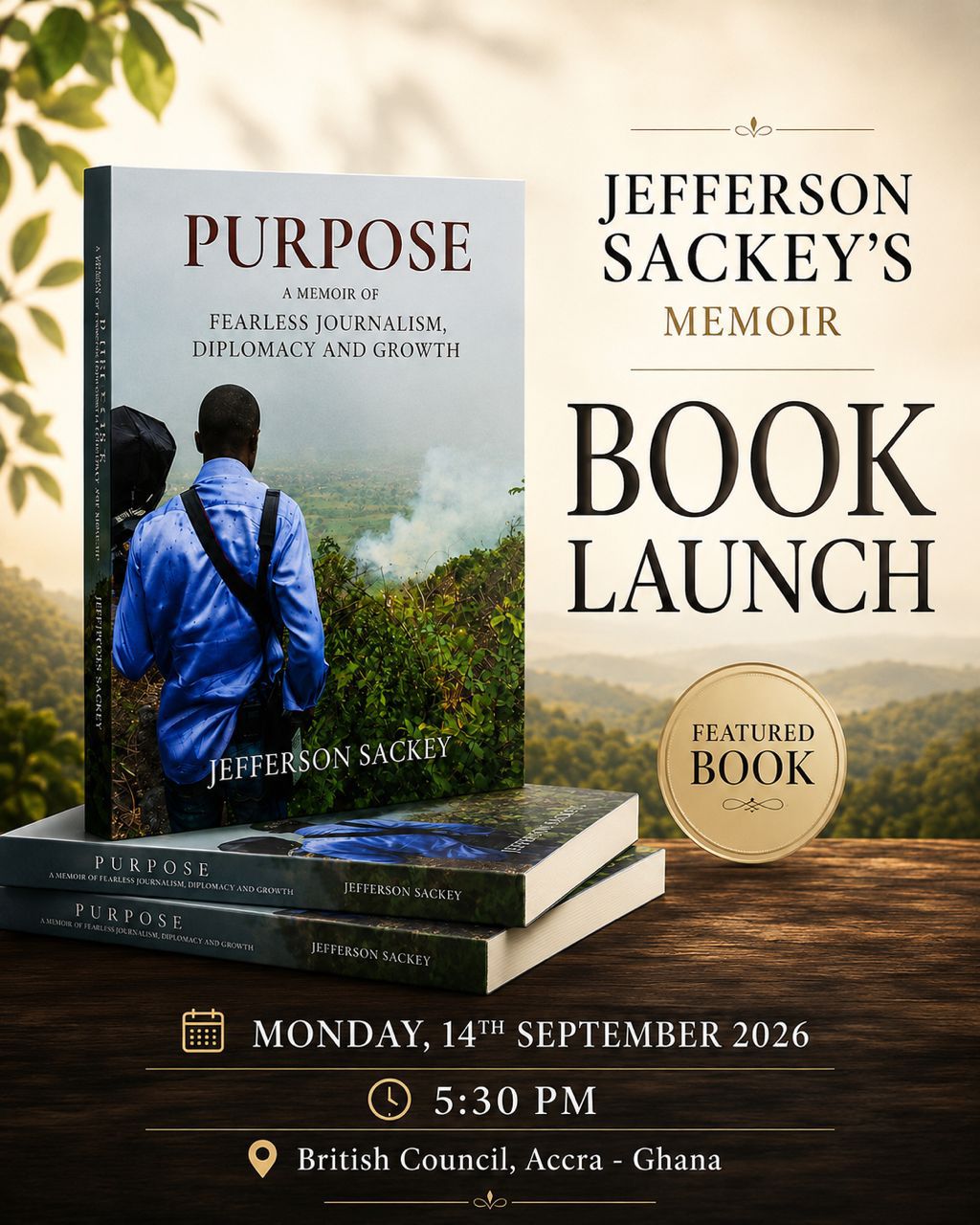
Jefferson Sackey’s PURPOSE Traces A Journalist’s Journey From Ghana To The Corridors Of Power
The book chronicles Sackey’s professional and personal journey from his beginnings in Ghana into a career that took him from the newsroom to conflict zones in Liberia and Sierra Leone, and eventually to the corridors of the United Nations and Ghana’s Ministry of Foreign Affairs.

entertainment | BY Joshua Narh | September 4th, 2026
BSIFF 2026 Puts Ghanaian Cinema At The Centre Of Its Kumasi Edition
Ghana will have a significant presence in the programme, with films such as Legacy Africa, Ashes of Accra, Love Is Death (Odo Yewu), King of Tema, Sesime, Home, Or Our Journey Is Still Long and We Won’t Let You Poison Us among the selected works.
music | entertainment | BY Angela Kuffour | September 4th, 2026
Kweku Smoke Drops New Album NO DAYS OFF
The 13-track project continues the artiste’s consistent output in Ghanaian hip-hop and trap.
music | entertainment | BY Angela Kuffour | September 4th, 2026
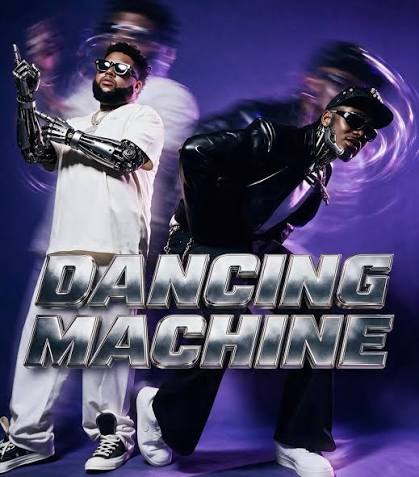
Ghanaian Rappers D-Black And E.L Announce Collaborative EP DANCING MACHINE
The project’s campaign begins with the lead single Customer, scheduled to drop on September 18.

culture | BY Angela Kuffour | September 4th, 2026
GH¢2 Diesel Subsidy Not Enough To Stop Fare Hike - GPRTU
According to the union, current fuel prices combined with rising costs of spare parts, lubricants, insurance and taxes remain above the threshold needed to maintain existing fares.

culture | BY Angela Kuffour | September 4th, 2026
More Than Two Phones Do Not Automatically Attract Customs Duty, GRA Clarifies
According to the GRA, the number of phones alone does not determine whether duty is payable.

music | entertainment | BY Angela Kuffour | September 3rd, 2026
Ariana Grande Ends Eternal Sunshine Tour With Emotional Farewell In London
Addressing fans midway through the show, she expressed gratitude for the tour, calling it one of the most beautiful and extraordinary experiences of her life.

culture | BY Joshua Narh | September 3rd, 2026
GPRTU Seeks Fare Review As Drivers Feel Pressure From Rising Costs
The two transport bodies said the request had been submitted in line with the administrative instrument governing the review of public transport fares.

culture | BY Joshua Narh | September 3rd, 2026
Npp Raises Selective Justice Concerns Under Chief Justice Baffoe-Bonnie
The party said it had observed what it called “extraordinary alacrity” in the issuance of vacation warrants in some political cases involving NPP members.
culture | BY Joshua Narh | September 3rd, 2026
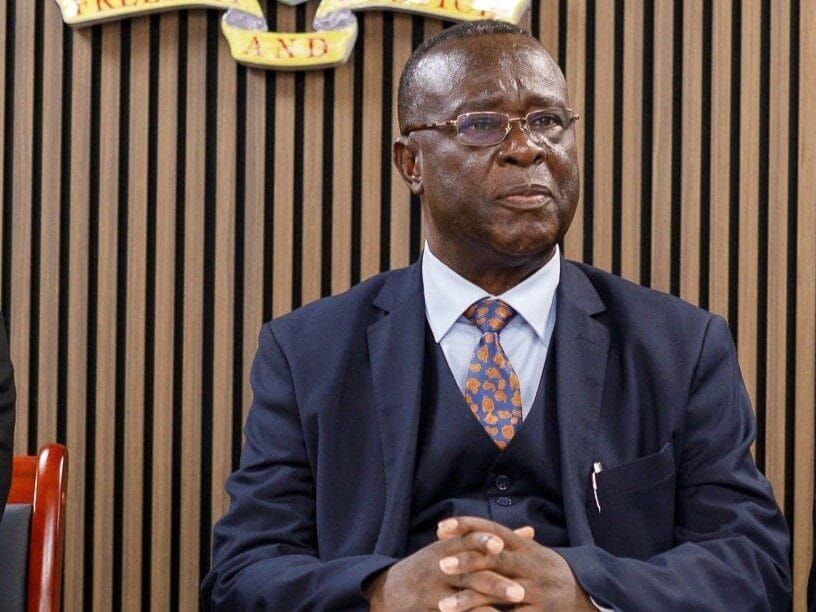
NPP Demands Chief Justice’s Resignation Over Alleged Partisan Comments
In a statement issued on Thursday, 3 September 2026, the NPP accused the Chief Justice of making political comparisons between the performance of President John Mahama’s NDC administration and the previous NPP government.
More Similar Videos
music,entertainment | Lerny Lomotey | October 27th, 2025
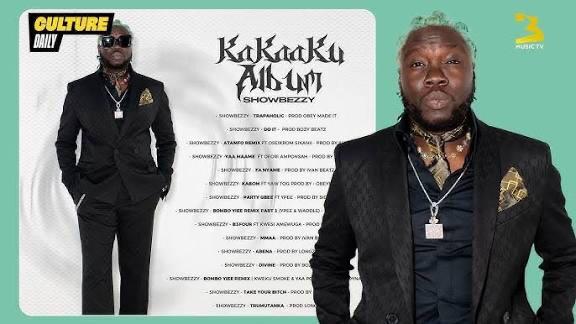
Showboy Shares His Journey From Prison To Becoming Ghana's Biggest Trapper
Comments