BSIFF 2026 Puts Ghanaian Cinema At The Centre Of Its Kumasi Edition

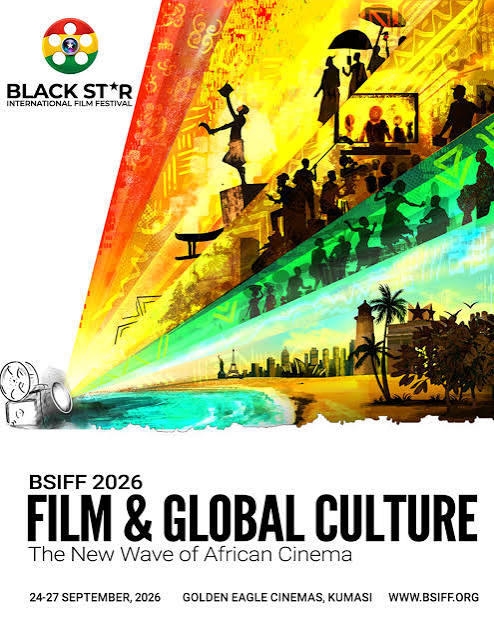
The Black Star International Film Festival (BSIFF) will place Ghanaian cinema at the centre of its 11th edition as the festival moves to Kumasi for the first time, with organisers calling for a stronger culture of watching and supporting African films at home.
The festival, scheduled for 24 to 27 September 2026 at Golden Eagle Cinemas in Kumasi, will feature films from 11 countries selected from submissions received from 42 countries.
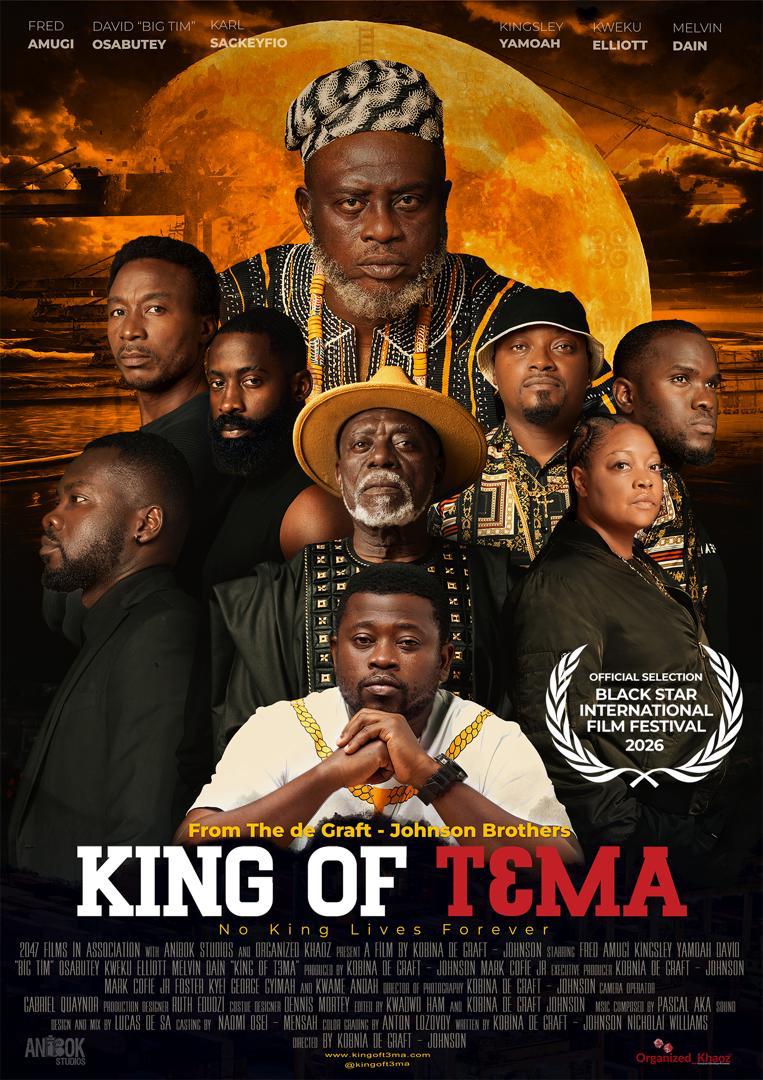
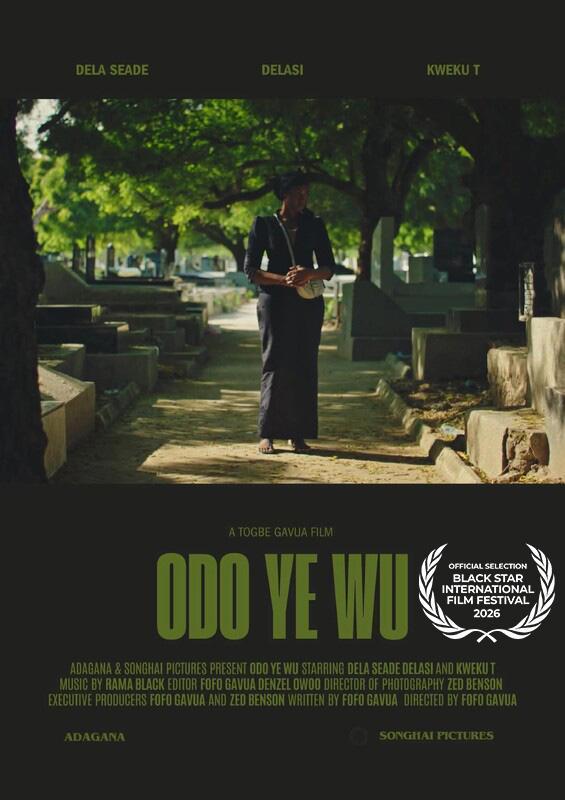
Ghana will have a significant presence in the programme, with films such as Legacy Africa, Ashes of Accra, Love Is Death (Odo Yewu), King of Tema, Sesime, Home, Or Our Journey Is Still Long and We Won’t Let You Poison Us among the selected works.
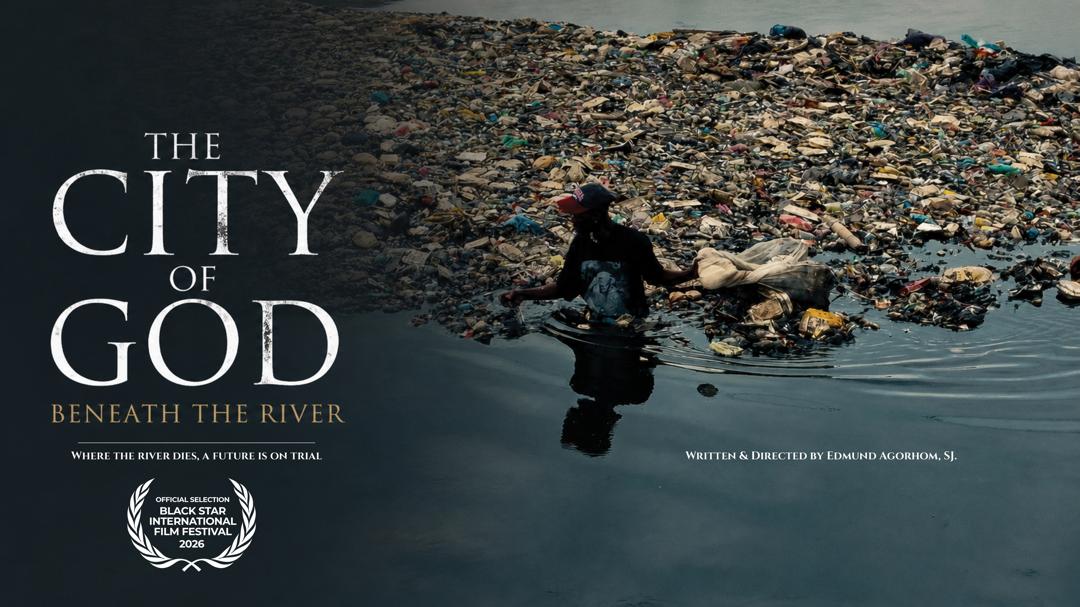

Other Ghanaian titles include Almost Forever, Captain Ibrahim Traore, The City of God Beneath the River, The Weavers Thread and Suluku
The films are spread across sections including the Ghanaian Showcase, Documentary, Africa Rising, Student Showcase, Kumawood and Special Screenings, reflecting the range of formats and approaches represented in Ghanaian filmmaking.
The festival’s 2026 theme, Film & Global Culture: The New Wave of African Cinema, is built around questions about how African cinema can develop stronger audiences, embrace local languages and cultures, and reach international audiences.
BSIFF says the focus is not intended to turn African cinema inward. Instead, it argues that filmmakers need stronger audiences in their home markets while continuing to pursue international opportunities.
The festival is also putting local-language filmmaking at the heart of this year’s programme. Organisers say African filmmakers can use their own languages and cultural experiences as a strength rather than treating them as barriers to international audiences.
That approach has gained visibility in other film industries, where locally produced films have found international audiences through subtitles, dubbing and digital distribution.
BSIFF argues that Ghana can develop a similar path by connecting audiences more directly with films made in Ghanaian languages and rooted in local experiences.
The decision to hold the festival in Kumasi is another major part of the 2026 strategy.
For years, much of Ghana’s formal film and creative-industry activity has been concentrated in Accra. BSIFF’s organisers say taking the festival to Kumasi is intended to bring cinema closer to audiences and recognise the city’s contribution to Ghana’s indigenous-language screen culture.
Kumasi has also been closely associated with Kumawood, the popular Ghanaian film industry known for its use of Akan-language storytelling and its broad domestic audience.
BSIFF says its move to the Ashanti regional capital is therefore more than a change of venue.
It is an attempt to connect filmmakers with audiences outside the traditional festival circuit and to examine how audience development can become part of the wider business of filmmaking.
The festival’s official programme includes a dedicated Kumawood category.
The festival is presenting this as part of a wider effort to strengthen the business side of African cinema.
Organisers say completing a film is only one stage of the process.
Marketing, distribution, audience engagement and creating opportunities for filmmakers to meet distributors, broadcasters, journalists and potential collaborators are also necessary to give films a sustainable life beyond production.
BSIFF’s official platform describes its broader objective as promoting the business of film while bringing cinema closer to audiences.
Its 2026 programme includes screenings, industry conversations, masterclasses and other engagements involving filmmakers, producers, students, creatives and audiences.
The 2026 selection also reflects changes taking place across the wider film industry. Alongside conventional narrative films and documentaries, the programme includes animation, student productions, AI-generated films and Kumawood productions.
For Ghanaian filmmakers, the festival offers an opportunity to place locally produced work alongside films from Nigeria, Uganda, the United States, South Africa, Zimbabwe, China, Cameroon, Singapore, the Dominican Republic and Russia.
The organisers say the objective is not simply to showcase Ghanaian films but to examine how Ghanaian and African stories can build audiences locally while travelling beyond the continent.
Sign up for the 3Music Newsletter for breaking news, events, and unique stories.
MORE FROM
entertainment
-

culture
Jefferson Sackey’s PURPOSE Traces A Journalist’s Journey From Ghana To The Corridors Of Power
By Joshua Narh
September 4th, 2026
-

-

music entertainment
Ghanaian Rappers D-Black And E.L Announce Collaborative EP DANCING MACHINE
By Angela Kuffour
September 4th, 2026
-
culture
GH¢2 Diesel Subsidy Not Enough To Stop Fare Hike - GPRTU
By Angela Kuffour
September 4th, 2026
-
culture
More Than Two Phones Do Not Automatically Attract Customs Duty, GRA Clarifies
By Angela Kuffour
September 4th, 2026
More From 3Music News

music | entertainment | BY Angela Kuffour | September 3rd, 2026
Ariana Grande Ends Eternal Sunshine Tour With Emotional Farewell In London
Addressing fans midway through the show, she expressed gratitude for the tour, calling it one of the most beautiful and extraordinary experiences of her life.
culture | BY Joshua Narh | September 3rd, 2026
GPRTU Seeks Fare Review As Drivers Feel Pressure From Rising Costs
The two transport bodies said the request had been submitted in line with the administrative instrument governing the review of public transport fares.

culture | BY Joshua Narh | September 3rd, 2026
Npp Raises Selective Justice Concerns Under Chief Justice Baffoe-Bonnie
The party said it had observed what it called “extraordinary alacrity” in the issuance of vacation warrants in some political cases involving NPP members.
culture | BY Joshua Narh | September 3rd, 2026
NPP Demands Chief Justice’s Resignation Over Alleged Partisan Comments
In a statement issued on Thursday, 3 September 2026, the NPP accused the Chief Justice of making political comparisons between the performance of President John Mahama’s NDC administration and the previous NPP government.
entertainment | BY Joshua Narh | September 3rd, 2026
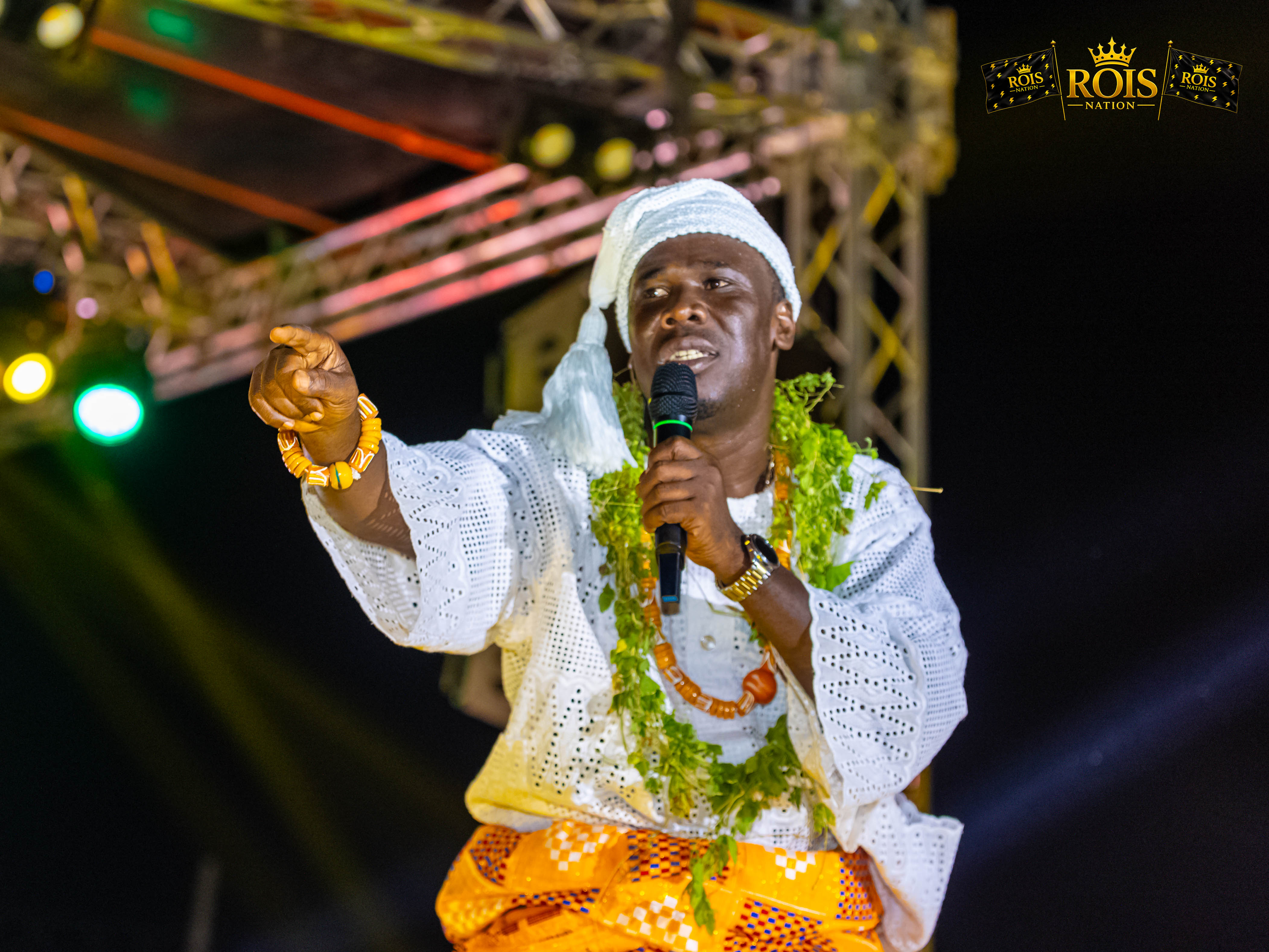
Old Hits, New Fire: Togbe Afrika Makes Triumphant Return After 20-year Music Break
More than two decades after leaving active music, Togbe Afrika returned at Penyi Hata with old favourites, a fresh Afropop sound and a traditional honour that placed culture at the heart of his comeback.

entertainment | BY Joshua Narh | September 2nd, 2026
Lionel Richie Hospitalised After St. Louis Concert, Undergoes Cardiac Tests
Reports now say Richie is in intensive care while doctors conduct tests related to possible cardiac issues.

entertainment | BY Joshua Narh | September 2nd, 2026
Jeffrey Nortey Arrives In Amsterdam Ahead Of Ghana Party In The Park Performance
The annual event, organised by Akwaaba Holland, will take place at the Vondelpark Openluchttheater and will bring together Ghanaians and friends of Ghana for music, food, entertainment and cultural activities.

entertainment | culture | BY Joshua Narh | September 2nd, 2026
Lawyer Akinyemi Onyoluwa Advocates For Recognition For Songwriters And Producers In African Music Industry
Akinyemi said many people still associate success in music mainly with performers in front of the camera, while overlooking the creative professionals who write songs and produce recordings.

entertainment | culture | BY Joshua Narh | September 2nd, 2026
African Governments Must Do More To Support Music Industry - Akinyemi Onyoluwa
Akinyemi said African music had become an international product, but government policies and support systems had not developed at the same pace as the industry.
culture | BY Joshua Narh | September 2nd, 2026
Music Label Advances Are Not Loans, Lawyer Akinyemi Onyoluwa Says
His explanation comes amid confusion among some artistes about why money received as an advance can later be recovered from their earnings.

entertainment | BY Joshua Narh | September 2nd, 2026
Music Lawyer Akinyemi Onyoluwa Advises Artistes Against 10-Year Record Deals
He noted that the music industry can change significantly within a few years, making lengthy agreements risky for young artistes who may not yet understand their value or have enough bargaining power.
sports | BY Angela Kuffour | September 2nd, 2026
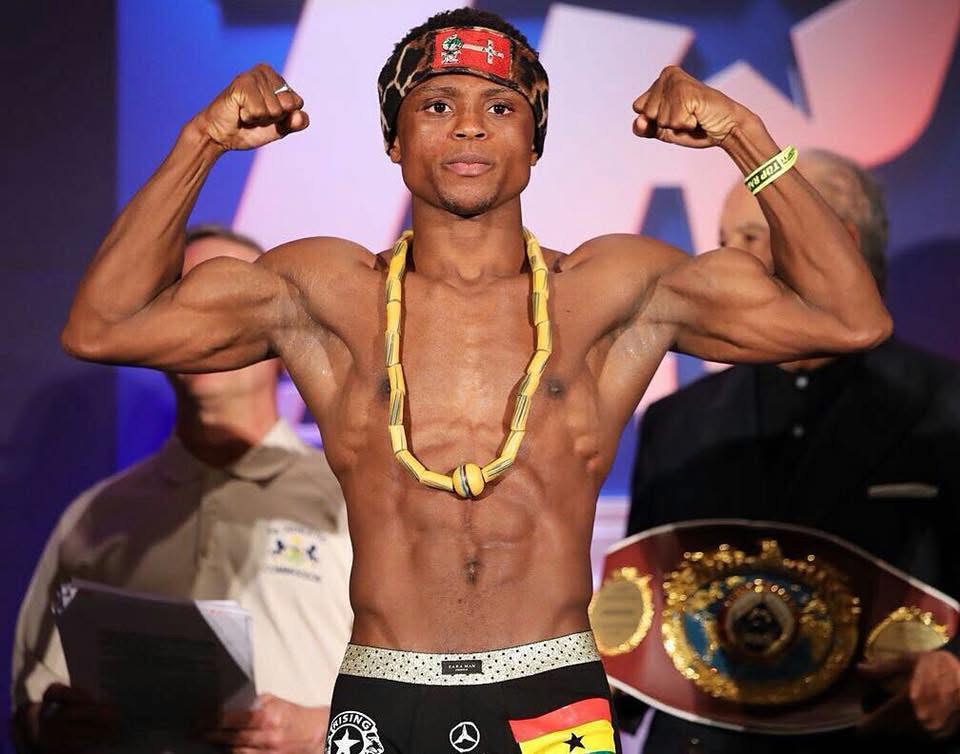
Ghanaian Boxing Star Isaac Dogboe Announces Retirement
Widely regarded as one of the country’s most successful boxers of his generation, Dogboe brought an end to a 13-year professional career.
More Similar Videos

music,entertainment | Lerny Lomotey | October 27th, 2025
Showboy Shares His Journey From Prison To Becoming Ghana's Biggest Trapper
Comments