Libianca Rejects Rigid Genre Labels

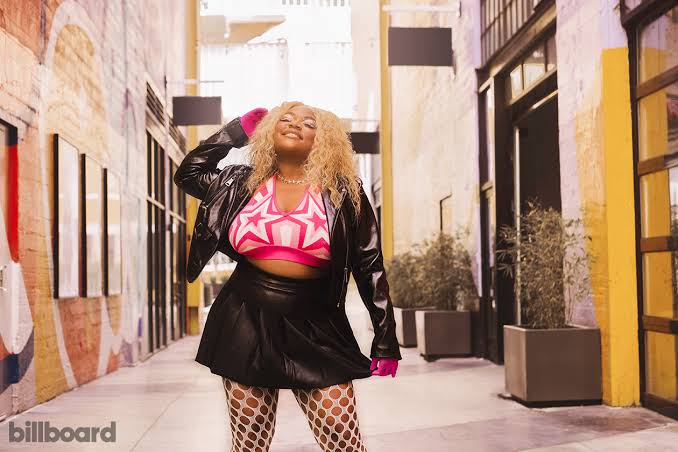
Libianca has said she does not want her music to be confined to a single genre, arguing that artists should be free to draw from different musical traditions.
The singer made the comments during an interview on the Big Convo segment of the Culture Daily morning show on 3Music TV and Pluzz 89.9 FM, where she discussed the evolution of her sound from her early recordings to her current work.
“I don’t really necessarily agree with the system of categorising the genres of music,” she said.
Libianca described herself as a “fusion” artiste, saying her music draws from different influences rather than fitting neatly into one category.
“Whatever song that I drop, just know that it’s a fusion of some things. And Afro influences would definitely be somewhere in there,” she said.
Her approach reflects a musical background shaped by both Africa and the United States.
Born in Minnesota and raised partly in Cameroon, Libianca has previously described her childhood exposure to Cameroonian music, gospel, R&B and other African sounds as important to her development.
During the Culture Daily interview, she named Cameroonian artists including Ben Decca, Grace Decca, Charlotte Dipanda and Longue Longue among the music she listened to while growing up.
She also cited international artistes including Chris Brown, Rihanna and Keri Hilson.
Nigerian music was another major influence. Libianca said she was particularly obsessed with P-Square and listened to their music extensively.
She said those influences eventually blended with the music she discovered after moving to the United States.
“I think in the beginning, I sounded more like my influences. But the more I kept writing and the more I kept being in studios, the more I started to find my sound,” she said.
Libianca also noted that her music is still evolving.
“I’m always in a constant state of becoming,” she said.
The singer also discussed the effort she made to retain elements of her Cameroonian identity in her singing.
She explained that her early recordings were heavily influenced by an American accent. At one point, she would listen back to her vocals and feel that they lacked the sound of Bamenda, where she spent part of her childhood.
She therefore began deliberately re-recording some vocals to bring more of that identity into her music.
Libianca said there was no pressure from her family or Cameroon to sound more African.
Instead, she made the decision herself because she wanted listeners from Cameroon to be able to connect more easily with her music.
The singer’s multicultural background has been cited as an influence on her music, with her official biography describing her upbringing across Cameroon and the US and the influence of English, French and Pidgin on her artistic identity.
Libianca also questioned the usefulness of rigid genre classifications, particularly when music contains elements of several styles.
She suggested that categories such as Afro-Soul and Afro-R&B may better reflect the way contemporary music is created.
She compared genres to primary colours, arguing that different combinations can produce something new.
For Libianca, the freedom to experiment is central to being an artist.
“We create art. You don’t want to be boxed,” she noted.
Her latest music continues that approach. Her July 2026 single I Know, featuring Ghanaian artist ZeeBoy, is officially classified as Afro-Pop, while her earlier catalogue has drawn from Afrosoul, R&B and Afrobeat influences.
Sign up for the 3Music Newsletter for breaking news, events, and unique stories.
MORE FROM
entertainment
-
entertainment
HIGH-LIFE COLLECTIVE Seeks To Build Community Around Ghanaian Music - Abrantie Simms
By Joshua Narh
September 4th, 2026
-
culture
Ghana Will Attend Funeral Of Late Cambridge Professor Jason Arday – Ablakwa
By Angela Kuffour
September 4th, 2026
-
entertainment
Abrantie Simms Turns Chance Meeting With Kuvie Into Highlife Project
By Joshua Narh
September 4th, 2026
-
entertainment culture
Sean ‘Diddy’ Combs’ Projected Prison Release Date Moved Forward
By Angela Kuffour
September 4th, 2026
-
entertainment
Fame Taught Me That Everybody Needs Love - Libianca
By Joshua Narh
September 4th, 2026
More From 3Music News
entertainment | BY Joshua Narh | September 4th, 2026
Libianca Nearly Quit Music Before PEOPLE Changed Her Life
Libianca said she had given herself two years to make progress in music after leaving college, and was prepared to abandon her faith if nothing changed.
culture | BY Joshua Narh | September 4th, 2026
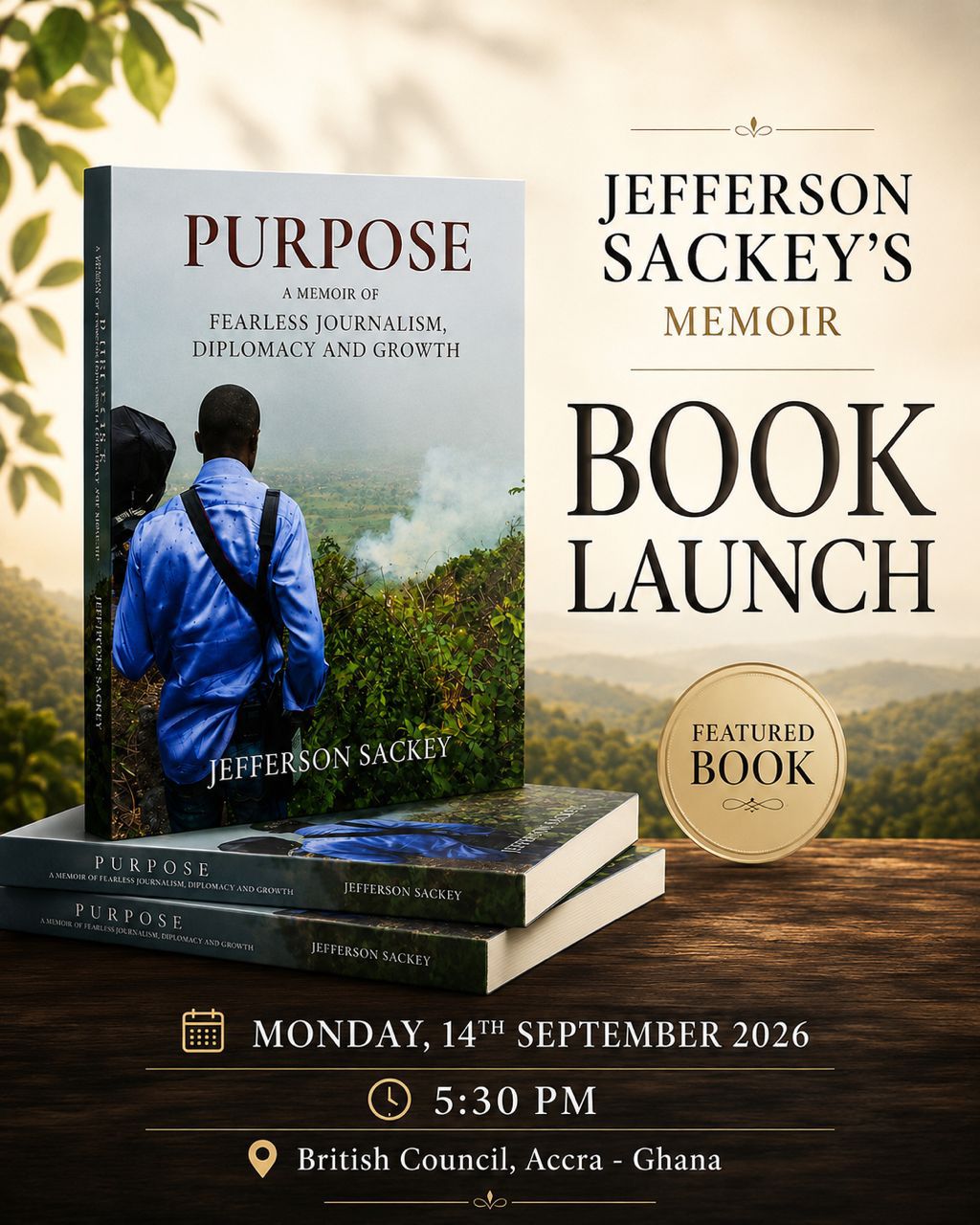
Jefferson Sackey’s PURPOSE Traces A Journalist’s Journey From Ghana To The Corridors Of Power
The book chronicles Sackey’s professional and personal journey from his beginnings in Ghana into a career that took him from the newsroom to conflict zones in Liberia and Sierra Leone, and eventually to the corridors of the United Nations and Ghana’s Ministry of Foreign Affairs.

entertainment | BY Joshua Narh | September 4th, 2026
BSIFF 2026 Puts Ghanaian Cinema At The Centre Of Its Kumasi Edition
Ghana will have a significant presence in the programme, with films such as Legacy Africa, Ashes of Accra, Love Is Death (Odo Yewu), King of Tema, Sesime, Home, Or Our Journey Is Still Long and We Won’t Let You Poison Us among the selected works.
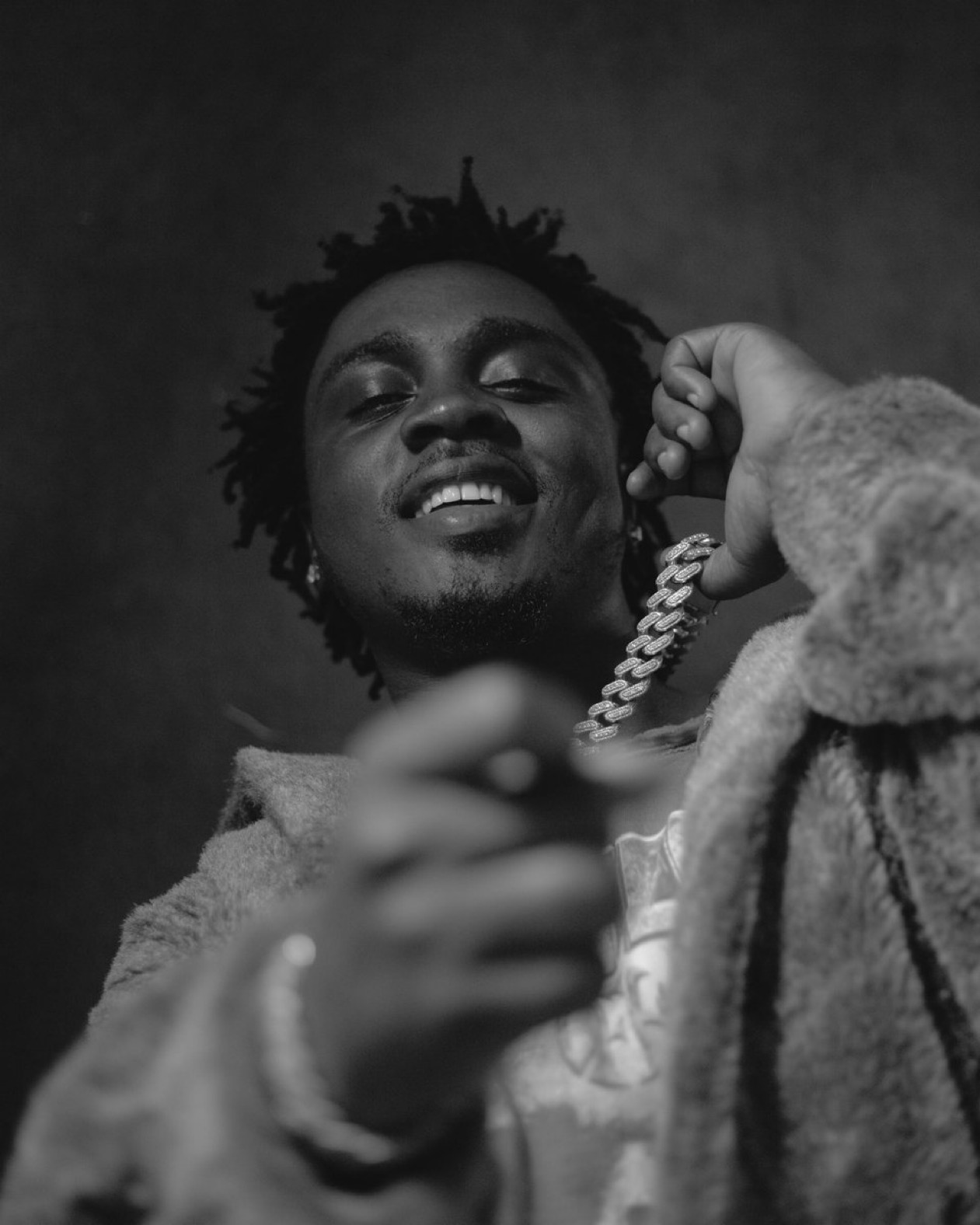
music | entertainment | BY Angela Kuffour | September 4th, 2026
Kweku Smoke Drops New Album NO DAYS OFF
The 13-track project continues the artiste’s consistent output in Ghanaian hip-hop and trap.
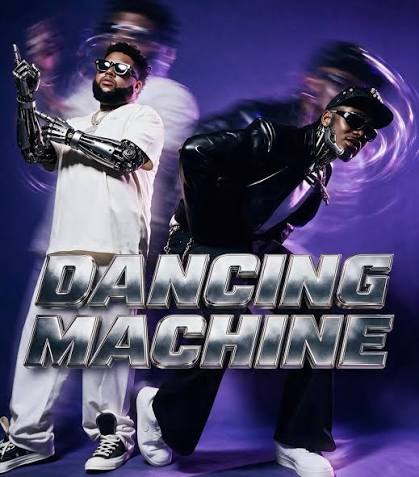
music | entertainment | BY Angela Kuffour | September 4th, 2026
Ghanaian Rappers D-Black And E.L Announce Collaborative EP DANCING MACHINE
The project’s campaign begins with the lead single Customer, scheduled to drop on September 18.

culture | BY Angela Kuffour | September 4th, 2026
GH¢2 Diesel Subsidy Not Enough To Stop Fare Hike - GPRTU
According to the union, current fuel prices combined with rising costs of spare parts, lubricants, insurance and taxes remain above the threshold needed to maintain existing fares.

culture | BY Angela Kuffour | September 4th, 2026
More Than Two Phones Do Not Automatically Attract Customs Duty, GRA Clarifies
According to the GRA, the number of phones alone does not determine whether duty is payable.
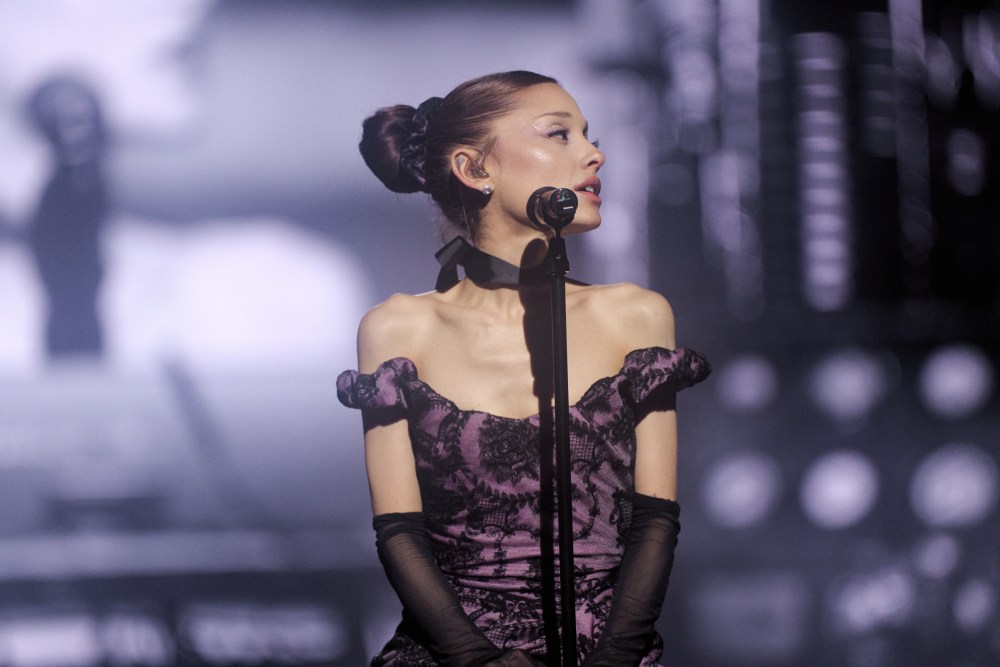
music | entertainment | BY Angela Kuffour | September 3rd, 2026
Ariana Grande Ends Eternal Sunshine Tour With Emotional Farewell In London
Addressing fans midway through the show, she expressed gratitude for the tour, calling it one of the most beautiful and extraordinary experiences of her life.

culture | BY Joshua Narh | September 3rd, 2026
GPRTU Seeks Fare Review As Drivers Feel Pressure From Rising Costs
The two transport bodies said the request had been submitted in line with the administrative instrument governing the review of public transport fares.
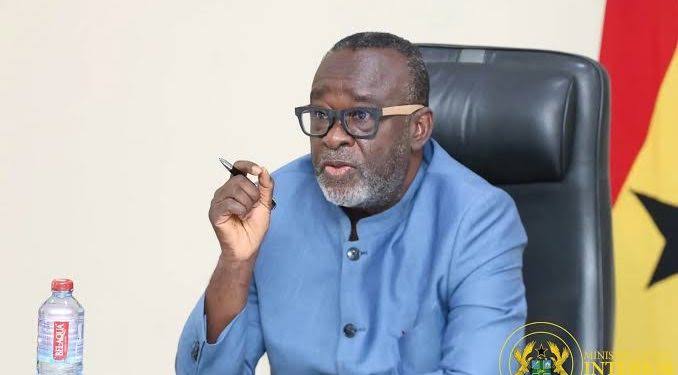
culture | BY Joshua Narh | September 3rd, 2026
Npp Raises Selective Justice Concerns Under Chief Justice Baffoe-Bonnie
The party said it had observed what it called “extraordinary alacrity” in the issuance of vacation warrants in some political cases involving NPP members.
culture | BY Joshua Narh | September 3rd, 2026
NPP Demands Chief Justice’s Resignation Over Alleged Partisan Comments
In a statement issued on Thursday, 3 September 2026, the NPP accused the Chief Justice of making political comparisons between the performance of President John Mahama’s NDC administration and the previous NPP government.
entertainment | BY Joshua Narh | September 3rd, 2026
Old Hits, New Fire: Togbe Afrika Makes Triumphant Return After 20-year Music Break
More than two decades after leaving active music, Togbe Afrika returned at Penyi Hata with old favourites, a fresh Afropop sound and a traditional honour that placed culture at the heart of his comeback.
More Similar Videos
music,entertainment | Lerny Lomotey | October 27th, 2025
Showboy Shares His Journey From Prison To Becoming Ghana's Biggest Trapper
Comments