Fame Taught Me That Everybody Needs Love - Libianca

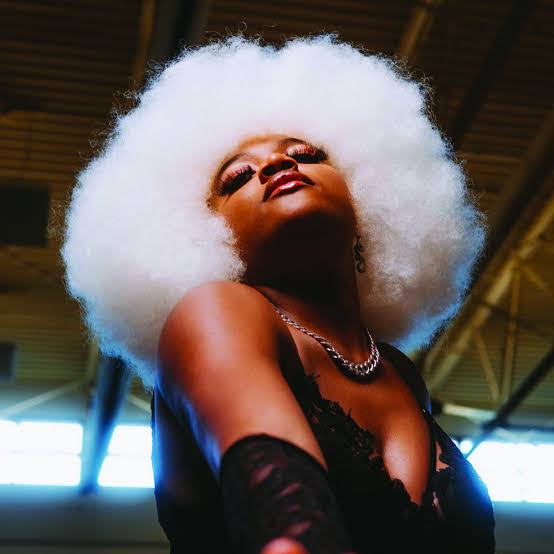
Libianca says her rise to international fame has changed the way she views other people, particularly after seeing how artists at different stages of their careers experience success.
The Cameroonian singer said on the Big Convo segment of Culture Dailymorning show on 3Music TV and Pluzz 89.9 FM that her journey from struggling musician to global star taught her an important lesson,“everybody needs love.”
Libianca became widely known after People went viral on TikTok and subsequently reached audiences around the world. The song peaked at number two on the UK Official Singles Chart and number one on the UK Afrobeats chart.
But she said the experience of sudden fame was not as simple as it appeared from the outside.
“I barely had any time to adjust to the new life,” she said.
The singer recalled travelling between countries shortly after the song took off, moving from her life in North Minneapolis to the UK, France, Germany and other destinations.
She said the pace of the new lifestyle was overwhelming.
At the same time, Libianca said she had to deal with the attention that came with becoming recognisable, including strangers approaching her for photographs and sometimes touching her without permission.
“I’m still, I’m a normal human being,” she said.
That experience, combined with meeting other successful musicians, shaped her understanding of fame.
Libianca said she observed that some people who had achieved significant success could easily begin to see themselves as more important than others.
She also encountered people who were admired almost to the point of being treated as idols.
“I just came to the conclusion that everybody needs love,” she said.
The singer said she has also learned to protect her private space by setting boundaries.
That has been particularly important because she describes herself as naturally reserved and someone who enjoys solitude.
Libianca said her shyness once affected the way she interacted with people. When friends went to clubs, she would sometimes choose to remain at home alone.
She also said that her preference for expressing emotions through music rather than conversation influenced the creation of People.
“What I said in that song, I didn’t tell my friends. I’d rather just sing it away. I’m better at singing my feelings away than talking about it,” she said.
Her approach has become an important part of her artistic identity. Libianca’s official biography describes vulnerability, empathy and emotional honesty as central to her music and says People connected with listeners who felt recognised by its themes.
She said that when she is not making music, she relies on activities including journalling, prayer and going to the gym to process difficult moments.
Libianca also said she is no longer overly concerned about whether other people make her feel seen.
“As far as I’m being seen by God, I’m okay,” she said.
Her outlook, she explained, is partly rooted in her Christian faith. She describes herself as a follower of Christ and said she tries to place God’s will above her own plans.
“I have the gifts that I have. God had his purpose for me,” she said.
For Libianca, the experience of fame has therefore not eliminated vulnerability. Instead, it has reinforced her belief that success does not remove the basic human need for connection, understanding and love.
Sign up for the 3Music Newsletter for breaking news, events, and unique stories.
MORE FROM
entertainment
-
entertainment
HIGH-LIFE COLLECTIVE Seeks To Build Community Around Ghanaian Music - Abrantie Simms
By Joshua Narh
September 4th, 2026
-
culture
Ghana Will Attend Funeral Of Late Cambridge Professor Jason Arday – Ablakwa
By Angela Kuffour
September 4th, 2026
-
entertainment
Abrantie Simms Turns Chance Meeting With Kuvie Into Highlife Project
By Joshua Narh
September 4th, 2026
-
entertainment culture
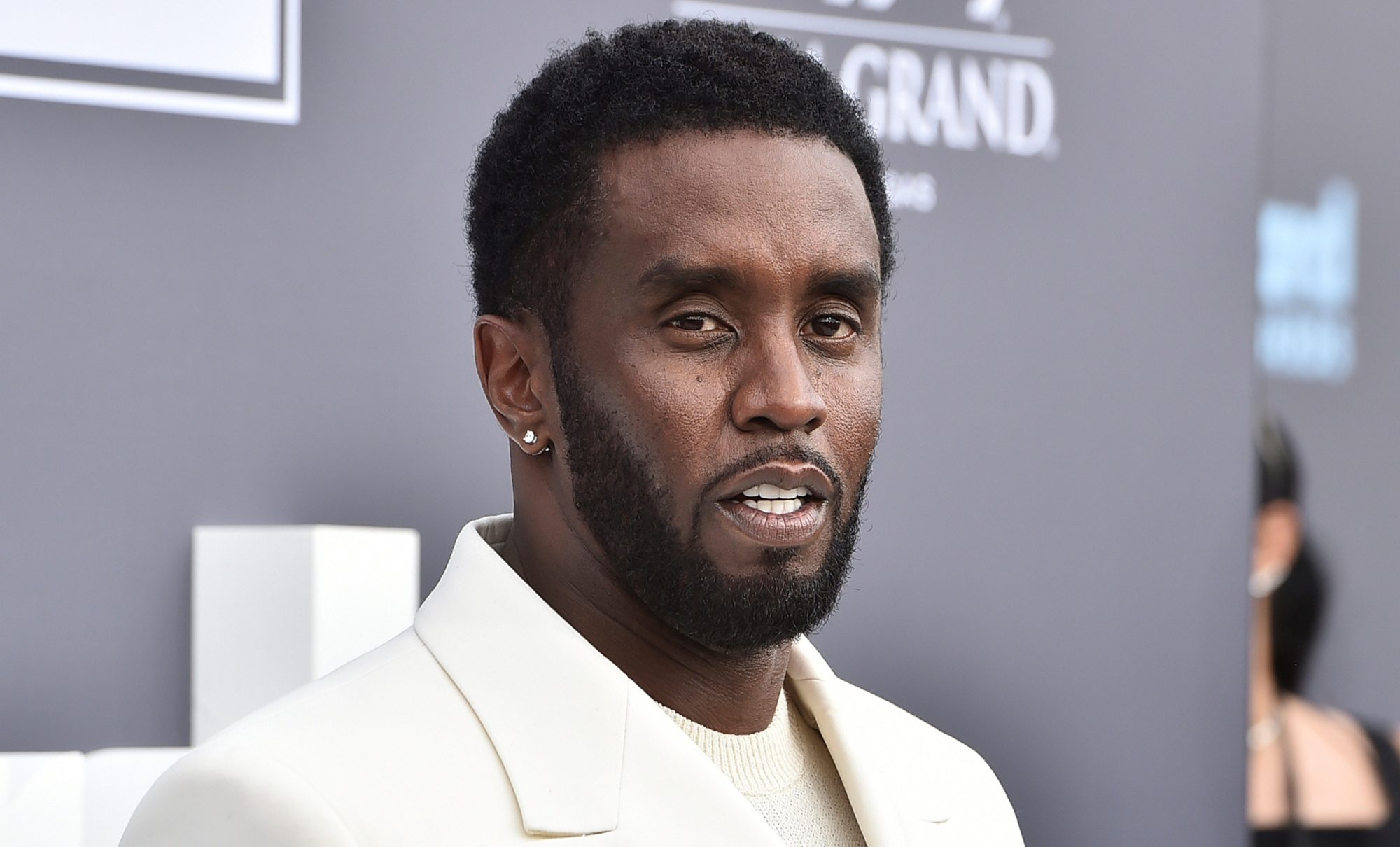
Sean ‘Diddy’ Combs’ Projected Prison Release Date Moved Forward
By Angela Kuffour
September 4th, 2026
-

More From 3Music News
entertainment | BY Joshua Narh | September 4th, 2026
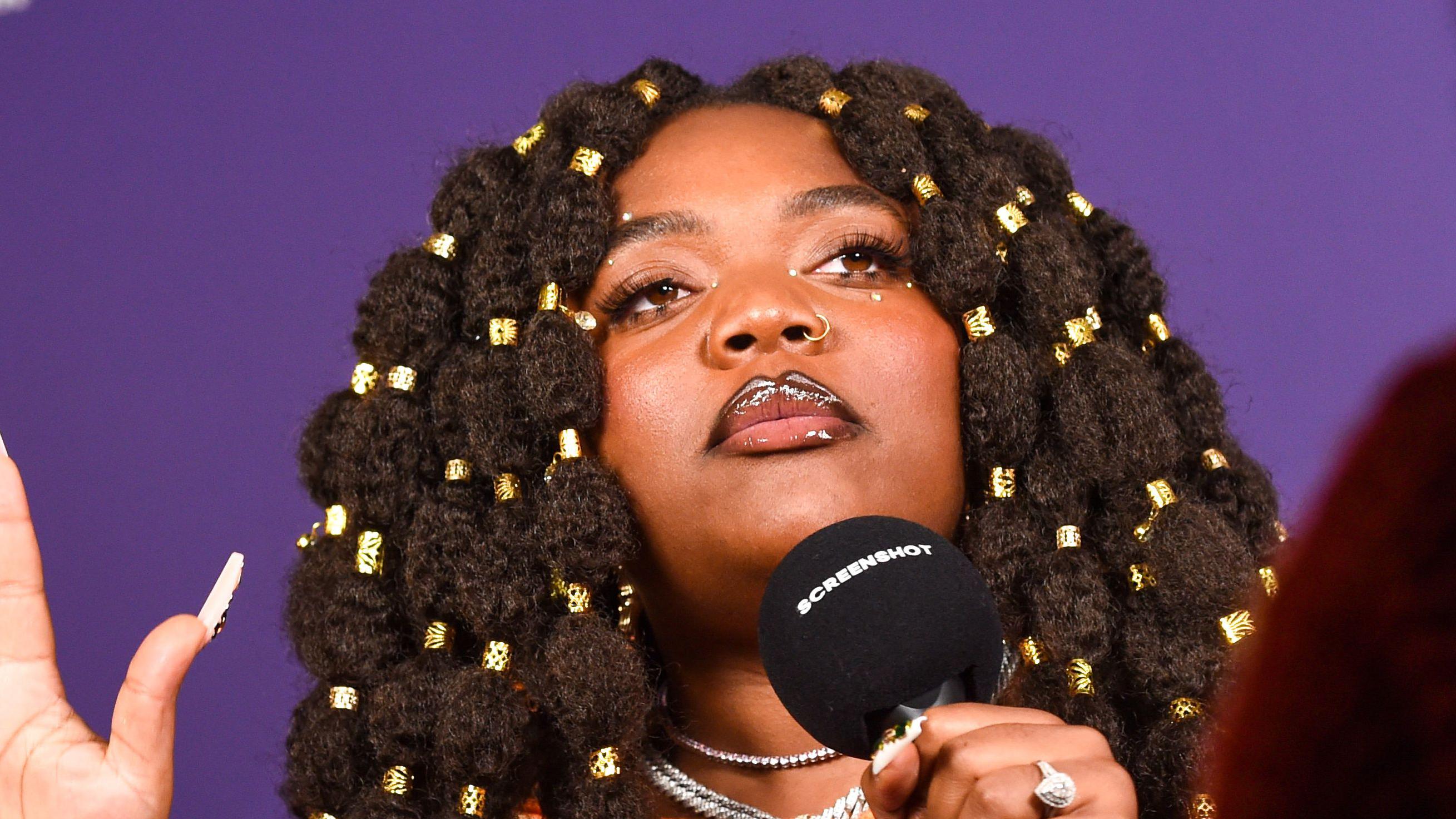
Libianca Nearly Quit Music Before PEOPLE Changed Her Life
Libianca said she had given herself two years to make progress in music after leaving college, and was prepared to abandon her faith if nothing changed.
culture | BY Joshua Narh | September 4th, 2026
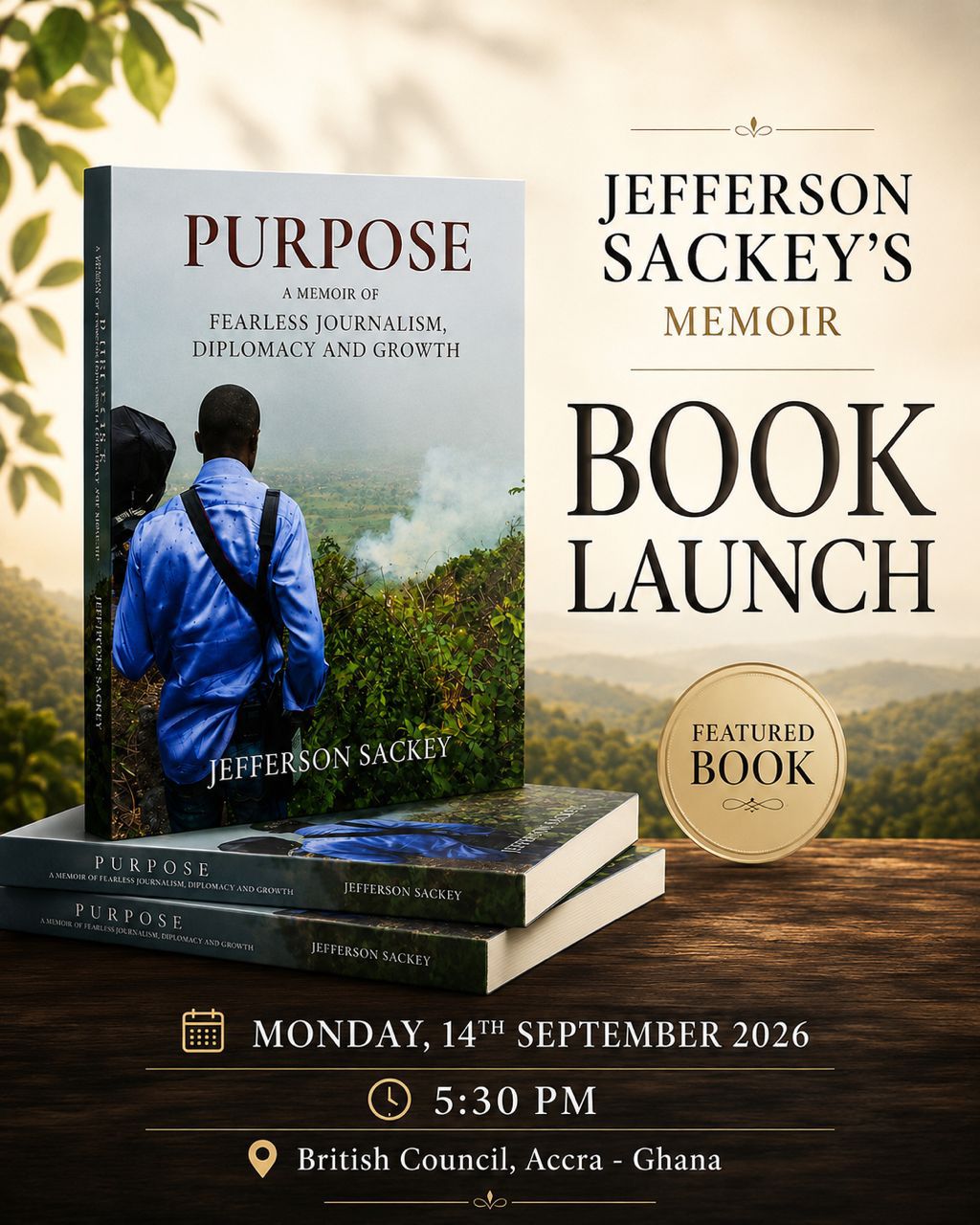
Jefferson Sackey’s PURPOSE Traces A Journalist’s Journey From Ghana To The Corridors Of Power
The book chronicles Sackey’s professional and personal journey from his beginnings in Ghana into a career that took him from the newsroom to conflict zones in Liberia and Sierra Leone, and eventually to the corridors of the United Nations and Ghana’s Ministry of Foreign Affairs.

entertainment | BY Joshua Narh | September 4th, 2026
BSIFF 2026 Puts Ghanaian Cinema At The Centre Of Its Kumasi Edition
Ghana will have a significant presence in the programme, with films such as Legacy Africa, Ashes of Accra, Love Is Death (Odo Yewu), King of Tema, Sesime, Home, Or Our Journey Is Still Long and We Won’t Let You Poison Us among the selected works.

music | entertainment | BY Angela Kuffour | September 4th, 2026
Kweku Smoke Drops New Album NO DAYS OFF
The 13-track project continues the artiste’s consistent output in Ghanaian hip-hop and trap.

music | entertainment | BY Angela Kuffour | September 4th, 2026
Ghanaian Rappers D-Black And E.L Announce Collaborative EP DANCING MACHINE
The project’s campaign begins with the lead single Customer, scheduled to drop on September 18.

culture | BY Angela Kuffour | September 4th, 2026
GH¢2 Diesel Subsidy Not Enough To Stop Fare Hike - GPRTU
According to the union, current fuel prices combined with rising costs of spare parts, lubricants, insurance and taxes remain above the threshold needed to maintain existing fares.

culture | BY Angela Kuffour | September 4th, 2026
More Than Two Phones Do Not Automatically Attract Customs Duty, GRA Clarifies
According to the GRA, the number of phones alone does not determine whether duty is payable.

music | entertainment | BY Angela Kuffour | September 3rd, 2026
Ariana Grande Ends Eternal Sunshine Tour With Emotional Farewell In London
Addressing fans midway through the show, she expressed gratitude for the tour, calling it one of the most beautiful and extraordinary experiences of her life.

culture | BY Joshua Narh | September 3rd, 2026
GPRTU Seeks Fare Review As Drivers Feel Pressure From Rising Costs
The two transport bodies said the request had been submitted in line with the administrative instrument governing the review of public transport fares.

culture | BY Joshua Narh | September 3rd, 2026
Npp Raises Selective Justice Concerns Under Chief Justice Baffoe-Bonnie
The party said it had observed what it called “extraordinary alacrity” in the issuance of vacation warrants in some political cases involving NPP members.
culture | BY Joshua Narh | September 3rd, 2026
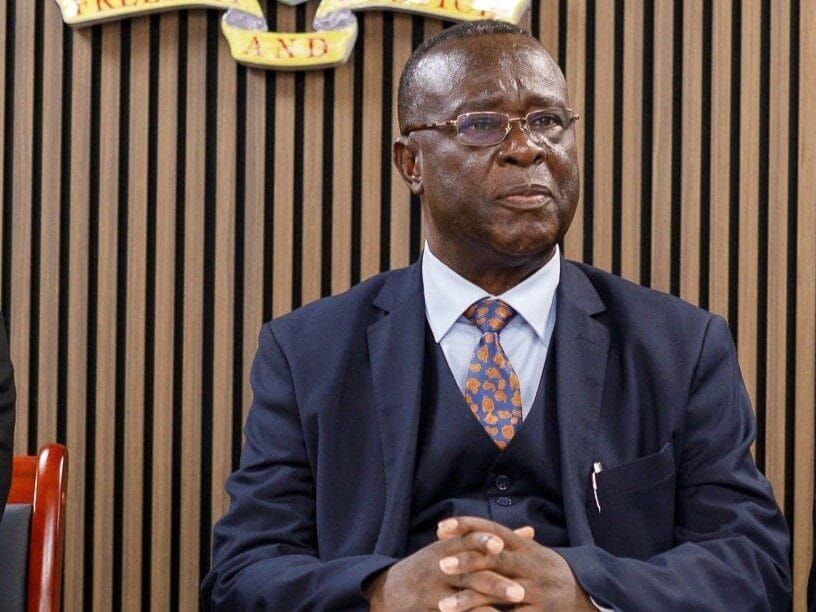
NPP Demands Chief Justice’s Resignation Over Alleged Partisan Comments
In a statement issued on Thursday, 3 September 2026, the NPP accused the Chief Justice of making political comparisons between the performance of President John Mahama’s NDC administration and the previous NPP government.

entertainment | BY Joshua Narh | September 3rd, 2026
Old Hits, New Fire: Togbe Afrika Makes Triumphant Return After 20-year Music Break
More than two decades after leaving active music, Togbe Afrika returned at Penyi Hata with old favourites, a fresh Afropop sound and a traditional honour that placed culture at the heart of his comeback.
More Similar Videos
music,entertainment | Lerny Lomotey | October 27th, 2025
Showboy Shares His Journey From Prison To Becoming Ghana's Biggest Trapper
Comments