CHALÉ: The Ghanaian Fashion And Lifestyle Brand Turning Culture Into Global Currency

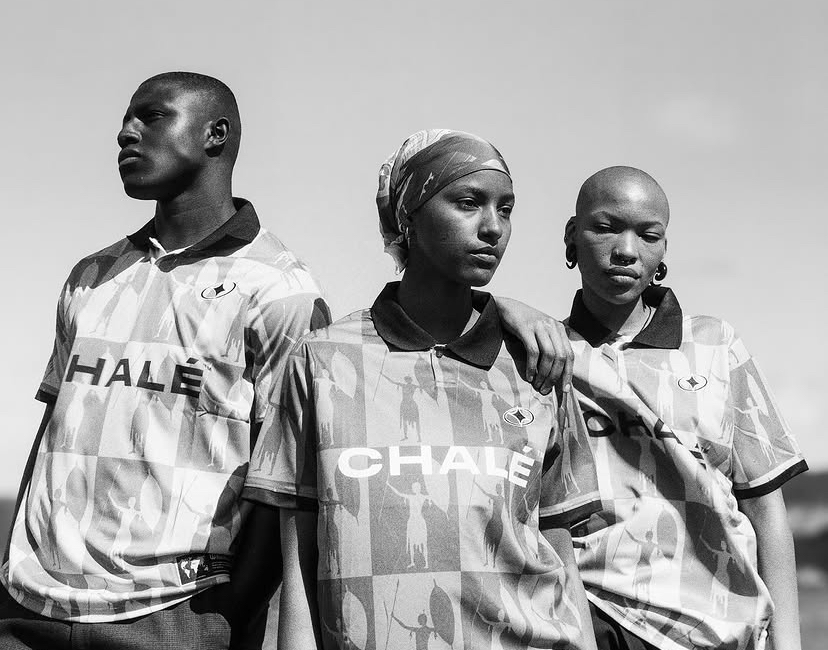
Streetwear is no longer just fashion, it’s identity, culture and expression. In Ghana, few brands embody that movement as powerfully as CHALÉ.
On STYLE with Aimee Cherry, the team stepped inside CHALÉ’s Osu space opposite Republic Bar to explore how a small socks idea grew into one of Ghana’s most recognisable streetwear brands.
Founded by creatives - Kurtis Kudjo Agbeko & Peter Mawunyo Agbeko, CHALÉ began its journey in 2015 not with hoodies or jerseys, but socks.
But these weren’t just ordinary socks.
Each design carried meaning, rooted in African heritage. From patterns inspired by Malian architecture to symbolic pieces like Sankofa, every pair told a story.
Today, CHALÉ is more than a fashion label, it’s a lifestyle brand. From knitwear and jerseys to caps, home items and statement pieces, the brand reflects a bold Afrocentric identity.
CHALÉ’s creativity is deeply tied to African history and nostalgia.
Inside the space, vintage items like radios assembled in the 1960s sit alongside modern fashion pieces, bridging past and present.
This philosophy extends to their designs, where traditional elements like Kente are reimagined into contemporary fashion. Beyond aesthetics, CHALÉ is also committed to impact.
Through its charity arm, the brand works with artisans across regions like Volta and other rural communities in training young people in weaving and production.
By combining traditional craftsmanship with modern design, CHALÉ is helping preserve indigenous skills while creating economic opportunities.
Like many modern brands, CHALÉ’s early growth was powered by social media starting from personal pages and expanding into a full digital presence. But what truly set them apart was cultural connection.
“The biggest brand is Ghana,” Kurtis Kudjo shared. “And anything tied to Ghana carries power.”
The name “CHALÉ” itself is an everyday Ghanaian expression, and became the perfect identity: relatable, universal and instantly recognisable.
Through events like CHALÉ DAY, collaborations with creatives and proximity to cultural hubs like Republic Bar, the brand has positioned itself at the centre of youth culture.
It’s a space where fashion, music, art and identity intersect. CHALÉ isn’t just fashion. It’s Ghana, worn proudly.
STYLE with Aimee Cherry airs every Monday and repeats on Thursdays at 12 PM, spotlighting the creatives shaping culture, fashion and identity.
Sign up for the 3Music Newsletter for breaking news, events, and unique stories.
MORE FROM
entertainment
-
music entertainment
My Pregnant Wife Was Stabbed While I Was On Stage - Stonebwoy Recounts
By Angela Kuffour
July 8th, 2026
-

culture
Ghana AIDS Commission Clarifies HIV Test Results From Security Recruitment Exercise
By Joshua Narh
July 8th, 2026
-
culture
Alogboshie Residents Call For Fair Distribution of Flood Relief Items
By Angela Kuffour
July 8th, 2026
-
entertainment culture
Ghana Mourns Guinness World Record Holder Sharon Dede Padi
By Joshua Narh
July 8th, 2026
-

sports
Messi Extends Golden Boot Lead With Stunning Comeback Against Egypt
By Joshua Narh
July 8th, 2026
More From 3Music News
culture | BY Angela Kuffour | July 8th, 2026
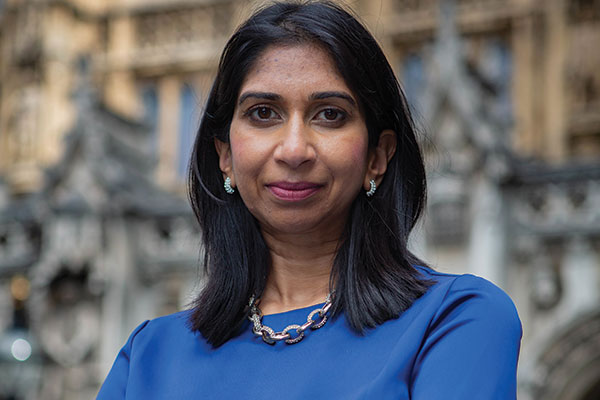
Former UK Minister Demands Former British Colonies Compensate Britain
Braverman stated that former British colonies would need to reimburse Britain if reparations talks were to take place.
culture | BY Joshua Narh | July 7th, 2026
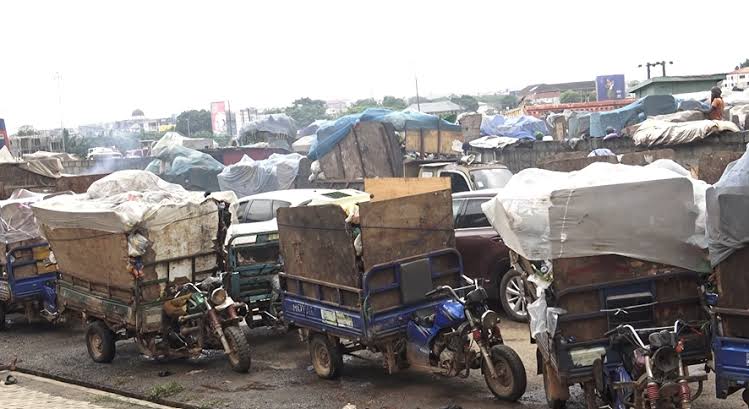
Traders, Mechanics Raise Concerns Over Odour And Congestion At Achimota Waste Station
The transfer station was reopened by government to help manage the large volumes of waste generated after the recent floods, which left heaps of refuse across several parts of Accra.
culture | BY Joshua Narh | July 6th, 2026
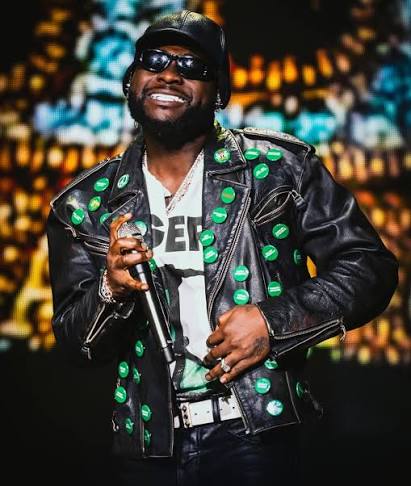
Davido Defends Tribute To Abducted Nigerian School Children
Speaking in an interview with BBC Focus on Africa host Waihiga Mwaura, the singer stressed that the safety of innocent children is more important than protecting the country's public image.
music | BY Joshua Narh | July 6th, 2026
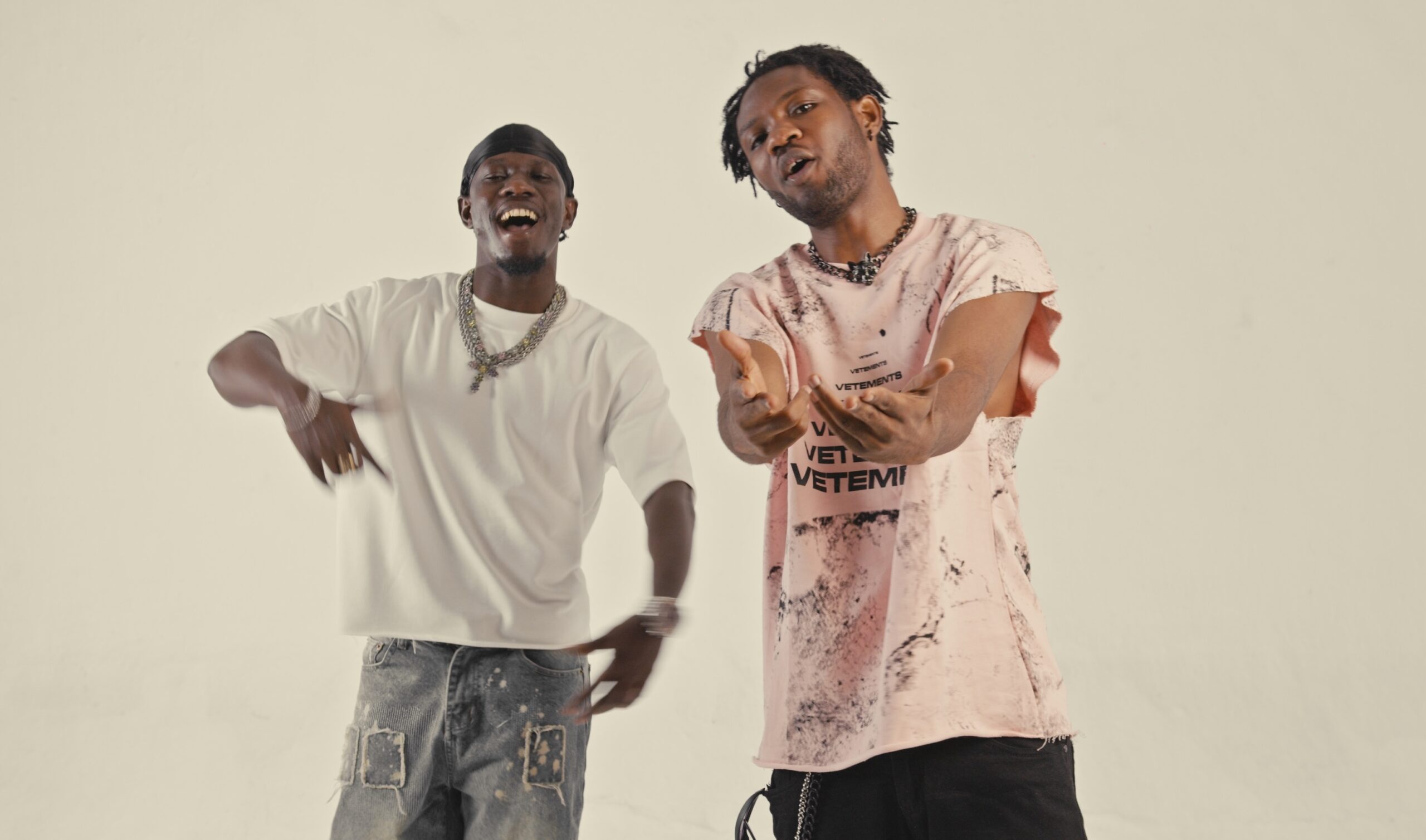
Lyrical Joe, King Paluta Link Up On New Collab FREE MINDS
The song, which was teased across social media before its release, brings together two of Ghana's most celebrated lyricists on a record that blends sharp storytelling, introspection and motivational themes.

music | fashion & lifestyle | culture | BY Walter Sena | July 6th, 2026
Nollywood Star Osas Ighodaro Makes Bollywood Debut
Nollywood actress and media personality Osas Ighodaro has reached another major milestone in her career, making her Bollywood debut and further cementing her place as one of Africa’s most globally recognized talents.
music | entertainment | culture | BY Walter Sena | July 6th, 2026
President Declares Two Days of National General Cleaning Exercise
President John Dramani Mahama has declared Friday, July 10, 2026, and Saturday, July 11, 2026, as National General Cleaning Days in seven regions affected by the recent floods, as part of efforts to restore communities, prevent future disasters and promote environmental sanitation.
music | entertainment | fashion & lifestyle | culture | BY Walter Sena | July 6th, 2026
We Have Been Together for 37 Years and Counting – Daughters of Glorious Jesus Reflect on Their Enduring Journey
Celebrated Ghanaian gospel trio Daughters of Glorious Jesus have reflected on their remarkable journey in music, revealing that they have remained together for 37 years and counting.
entertainment | BY Joshua Narh | July 6th, 2026
I Was A Waiter - J.Derobie Recalls Hustle Before Music Breakthrough
Speaking on Chef It Up on 3Music TV, he revealed it took him six months to record his breakthrough song 'Poverty' because of his work schedule.
entertainment | BY Joshua Narh | July 6th, 2026
J.Derobie Reveals Family Support And Early Love for Music Shows Shaped His Career
J.Derobie said watching programmes such as American Idol, Vodafone Icons, MTV Mentals and The X Factor with his mother encouraged his interest in music.
culture | BY Angela Kuffour | July 6th, 2026
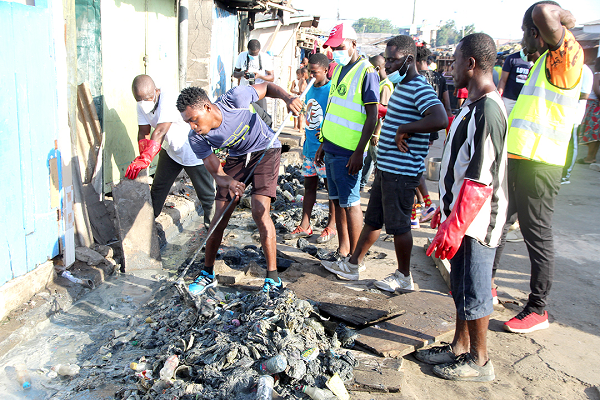
Mahama Announces Two-Day National Cleanup In Flood-Hit Regions
The initiative will mobilize Ghanaians to clean their surroundings, starting with their communities, to protect the environment and lives.
culture | BY Angela Kuffour | July 6th, 2026
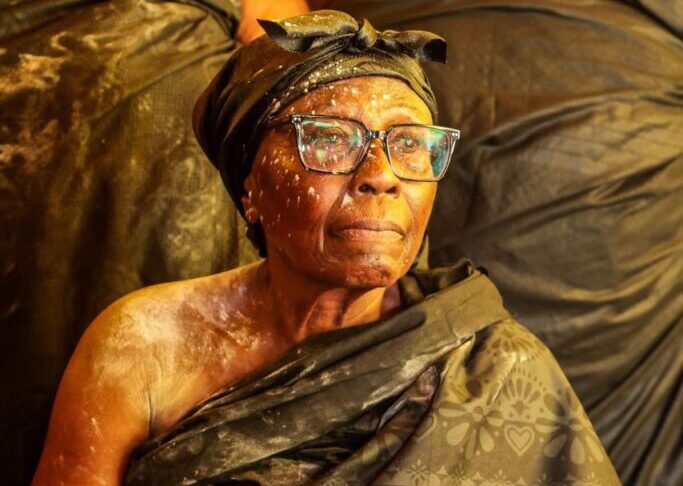
Nana Ama Bonsu I Unveiled As New Asantehemaa
She takes over from Nana Ama Konadu Yiadom III, who was Asantehemaa until her demise in 2025.
fashion & lifestyle | BY Joshua Narh | July 6th, 2026
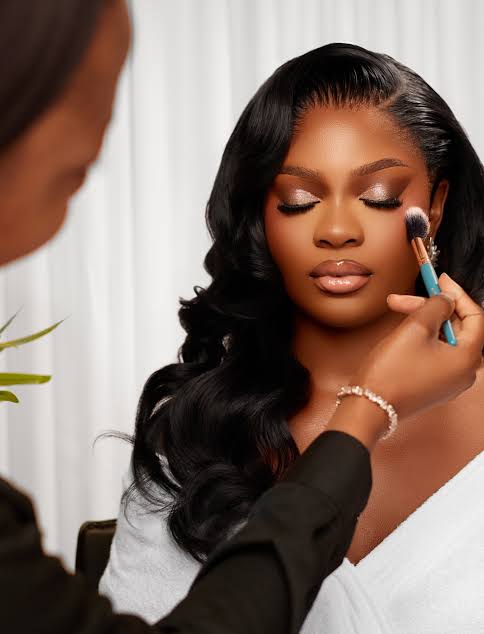
You Don’t Need Huge Capital To Start - FY Glam Studio CEO Faruza Yakubu Tells Aspiring Makeup Artists
According to her, makeup artistry allows practitioners to customise products to suit different skin tones, making it unnecessary for beginners to own every shade available
More Similar Videos
music,entertainment | Lerny Lomotey | October 27th, 2025
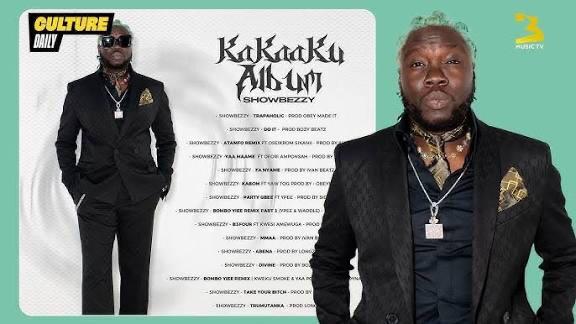
Showboy Shares His Journey From Prison To Becoming Ghana's Biggest Trapper
Comments