“I’ve Worked Five Years in Hollywood and Get Royalties, 30 Years in Nollywood and Nothing” — Omotola


Veteran Nigerian actress Omotola Jalade Ekeinde has raised concerns about the treatment of actors and the payment of royalties within Nigeria’s film industry, comparing her experience in Nollywood to her time working in Hollywood.
The actress reportedly noted that despite spending about three decades building a career in Nollywood, she has never received royalties from her work in the industry.
“I’ve only worked for five years in Hollywood, yet I constantly receive envelopes containing my residuals and royalties. I’ve put in 30 years in Nollywood and I’ve never received a single envelope,” she said.
Omotola’s comments highlight a long-standing conversation surrounding residuals, royalties and intellectual property rights within the Nigerian entertainment industry.
In Hollywood, performers can receive residual payments when productions they have worked on are reused or distributed through qualifying channels, depending on their contracts and applicable union agreements. These payments can provide actors with continued income from past work. Her experience, however, suggests a stark difference in how compensation from previously released productions can be handled in Nollywood.
The actress’s remarks have renewed questions about whether Nigerian actors adequately benefit financially from the continued exploitation and distribution of films they helped create.
For an industry that has grown significantly over the years, the issue of royalties remains an important part of the wider conversation about protecting creatives, strengthening contracts and ensuring that artists can earn from the long-term value of their work.
Omotola, who has been one of Nollywood’s most recognisable faces for decades, has therefore added her voice to calls for a more structured system that ensures actors and other creatives receive fair compensation beyond their initial fees.
Sign up for the 3Music Newsletter for breaking news, events, and unique stories.
MORE FROM
entertainment
-
entertainment fashion & lifestyle
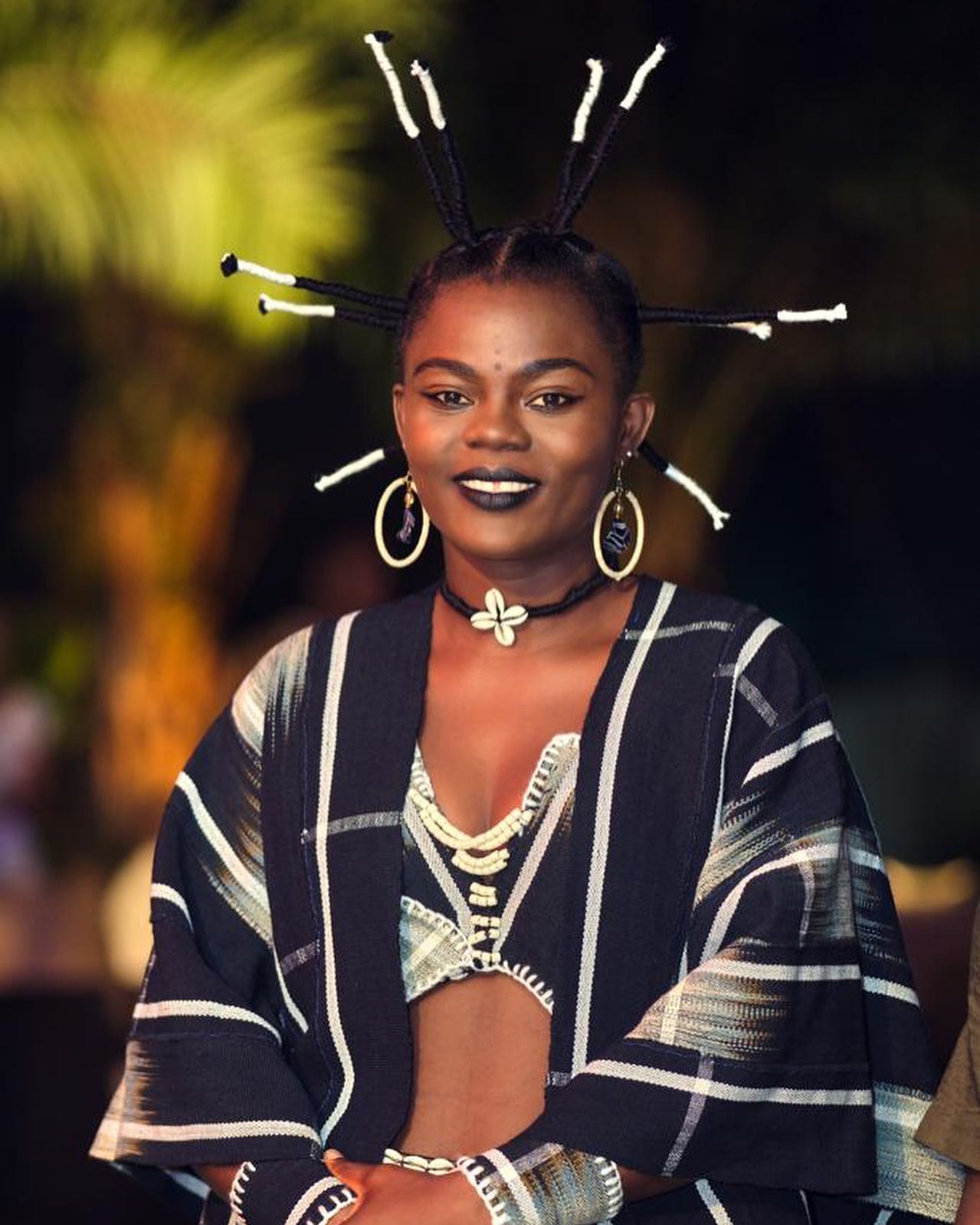
Wiyaala’s Recognition As Fugu Queen Boosts Demand For The Textile
By Angela Kuffour
September 7th, 2026
-

sports
Black Princesses Suffer 3-0 Defeat To Ecuador In U-20 Women’s World Cup Opener
By Angela Kuffour
September 7th, 2026
-

music entertainment fashion & lifestyle culture
“I’ll Choose Ghana Over $100,000 a Month Abroad” — Abeiku Santana
By Walter Sena
September 7th, 2026
-

music entertainment fashion & lifestyle culture
Sarkodie Warns Artistes Against Fans Fueling Online Brand Wars
By Walter Sena
September 7th, 2026
-

entertainment sports culture
“Fans Turned It Into Something Bigger” — Omotola Reflects on Genevieve Nnaji Rivalry
By Walter Sena
September 7th, 2026
More From 3Music News

culture | BY Angela Kuffour | September 7th, 2026
Ghanaians Now Get More Data For Less Money - Sam George
Speaking on Monday at the Government Accountability Series at the Jubilee House in Accra, Mr. George said direct engagements with the chief executives of the mobile network operators had delivered better value for consumers.
culture | BY Angela Kuffour | September 7th, 2026
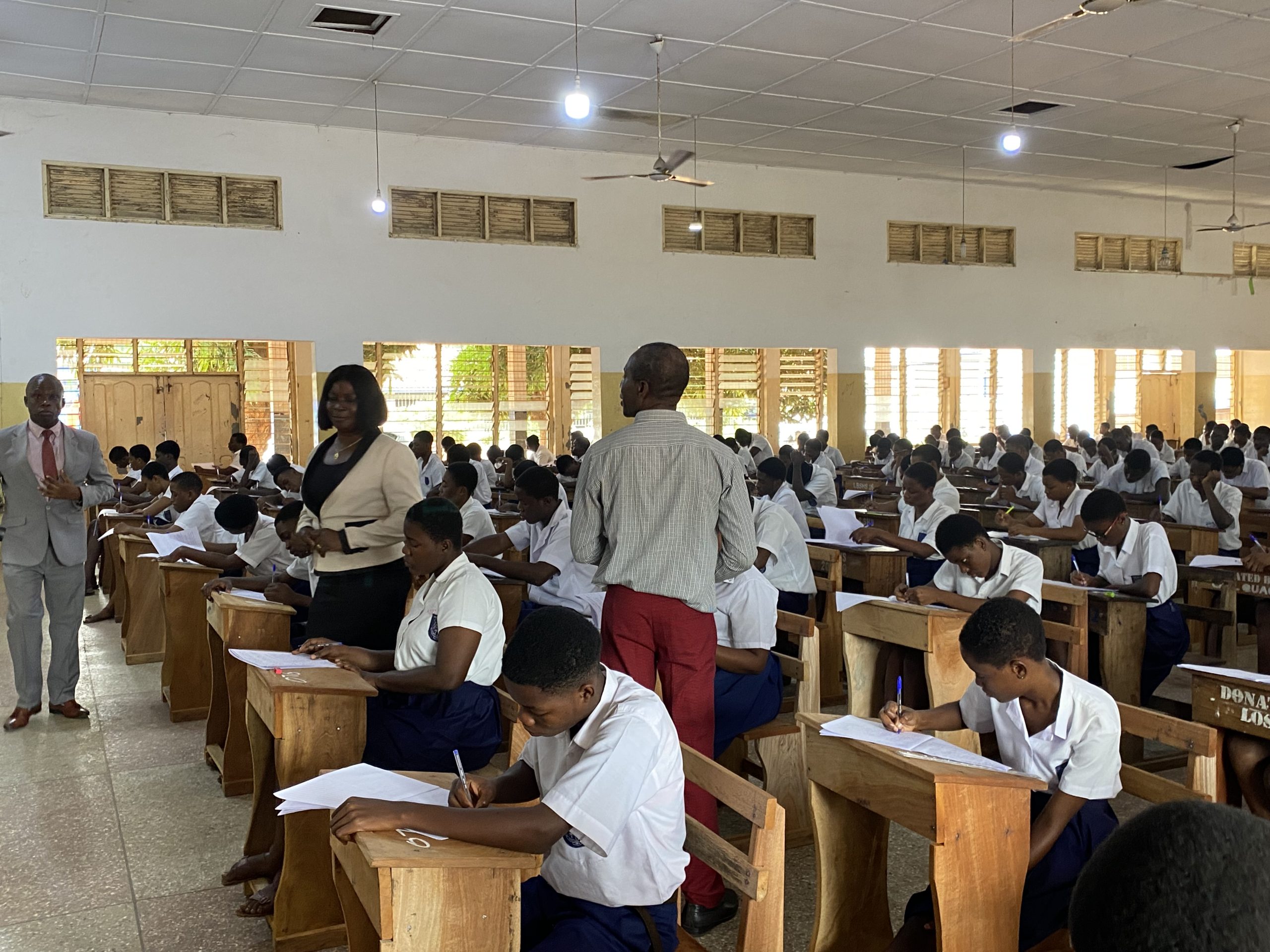
WAEC Cancels Entire Results Of 861 Candidates Over Mobile Phone Possession
WAEC’s Head of Public Affairs, John Kapi, confirmed the decision, stating that regulations prohibit candidates from having mobile phones in exam halls regardless of whether the devices were used.
culture | BY Angela Kuffour | September 7th, 2026
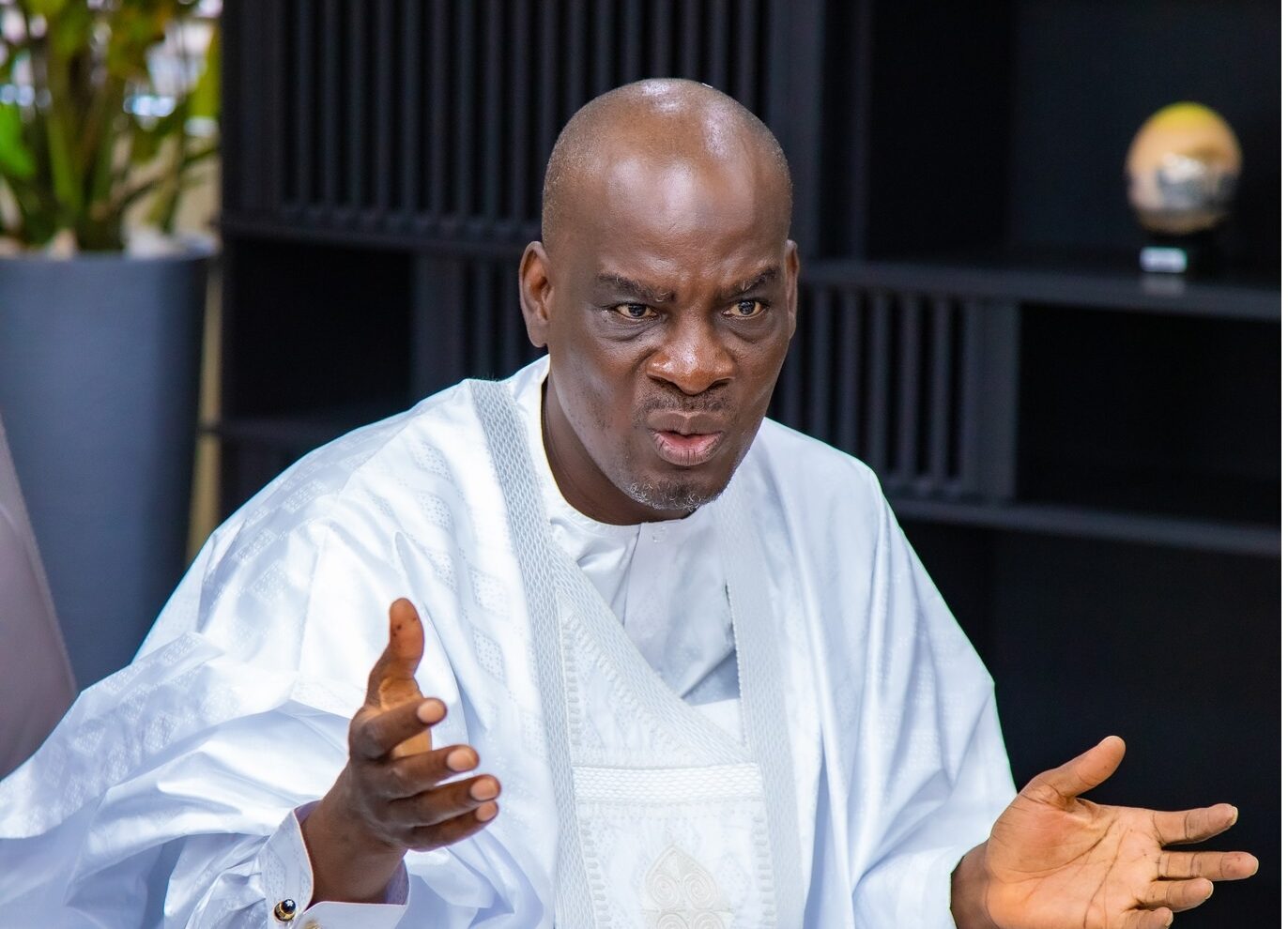
Education Minister Warns SHS Heads Against Off-System Admissions
The directive states that once vacancies are declared, validated, and confirmed on the system, there shall be no further expansion of places.

culture | BY Angela Kuffour | September 7th, 2026
Tanzanian President’s Husband Dies Of Heart Condition
He passed away on Monday morning at Emilio Mzena Memorial Hospital in Zanzibar while receiving treatment for a heart condition.
music | entertainment | BY Angela Kuffour | September 7th, 2026
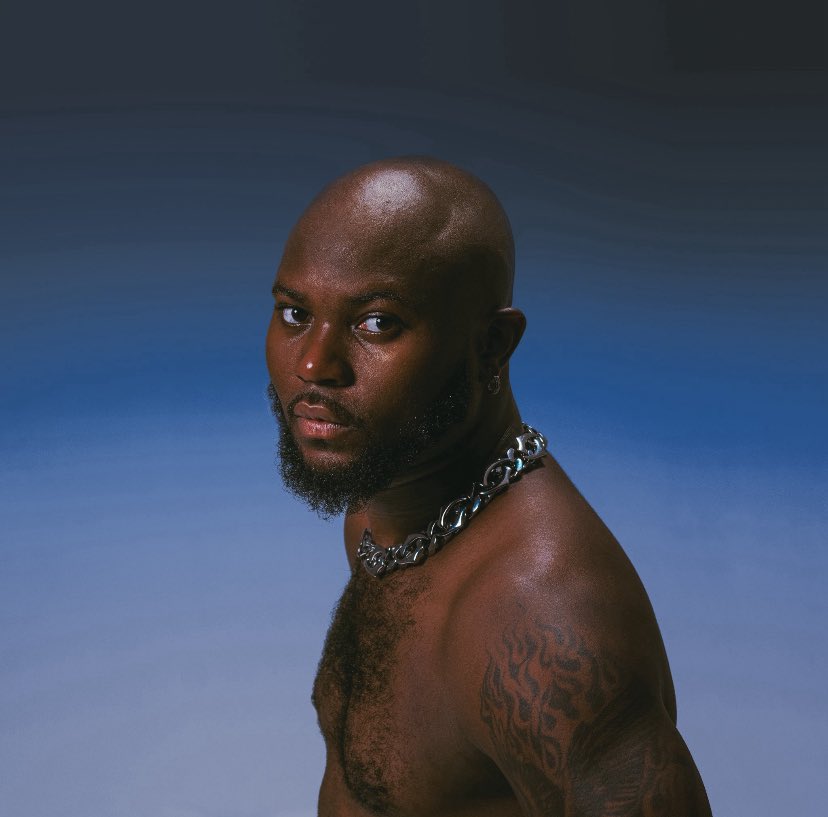
King Promise Confirms New Track CAN’T TAME US Linked to Chelsea FC’s 2026/27 Season
The track is set to serve as an official song associated with the club and is expected to be played at Chelsea home games throughout the season.

entertainment | BY Joshua Narh | September 4th, 2026
HIGH-LIFE COLLECTIVE Seeks To Build Community Around Ghanaian Music - Abrantie Simms
Producer Abrantie Simms and singer Ess Thee Legend described the initiative as a community built around collaboration rather than simply another record label.

culture | BY Angela Kuffour | September 4th, 2026
Ghana Will Attend Funeral Of Late Cambridge Professor Jason Arday – Ablakwa
Ablakwa said he spoke by telephone with the professor’s mother, Mrs Gifty Arday, on Friday to convey the government’s condolences.
entertainment | BY Joshua Narh | September 4th, 2026
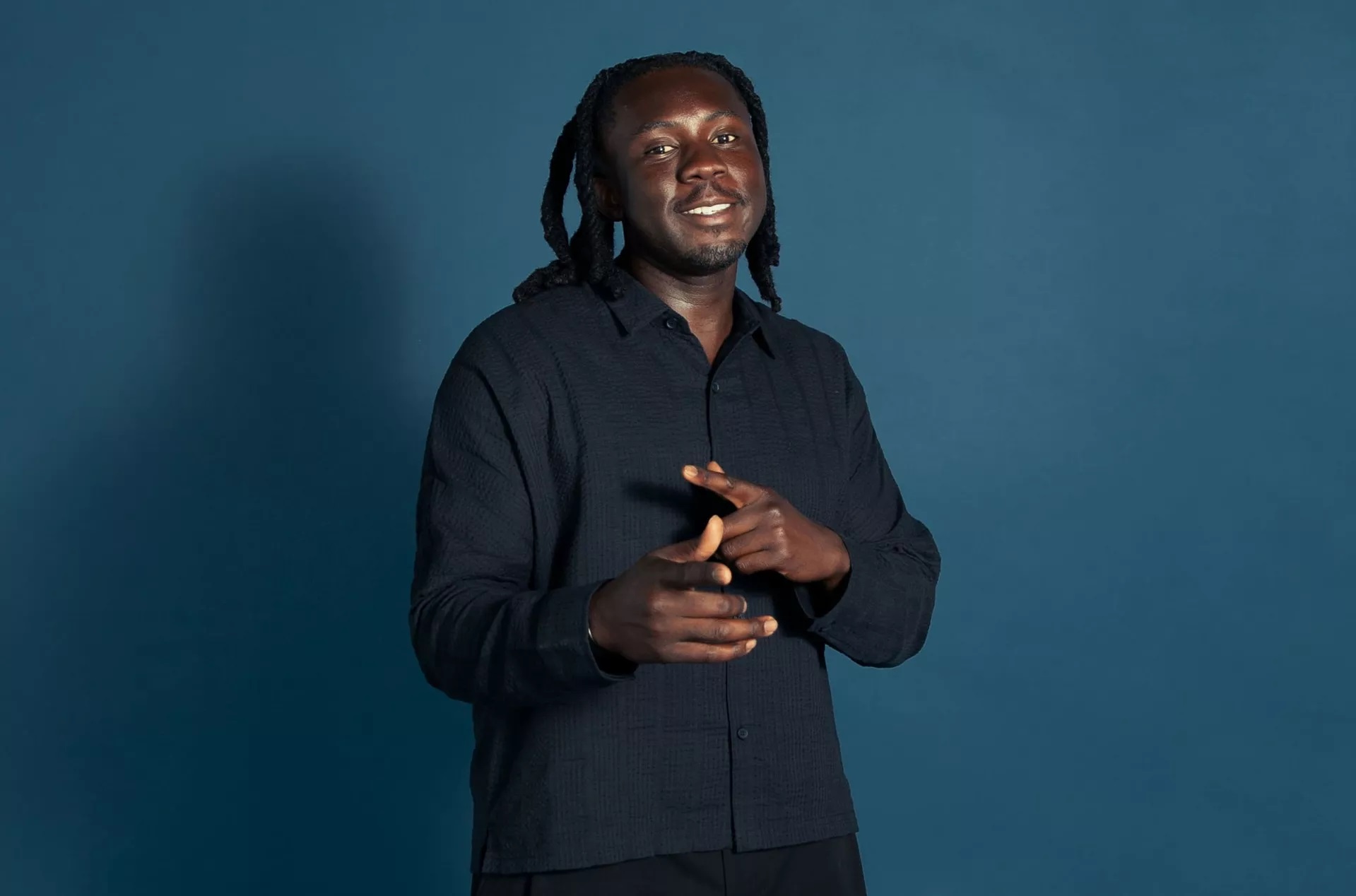
Abrantie Simms Turns Chance Meeting With Kuvie Into Highlife Project
He had arranged to meet producer Kuvie to connect him with Mboy. When the artiste arrived late, Simms used the waiting time to ask Kuvie if he could teach him how to produce.
entertainment | culture | BY Angela Kuffour | September 4th, 2026
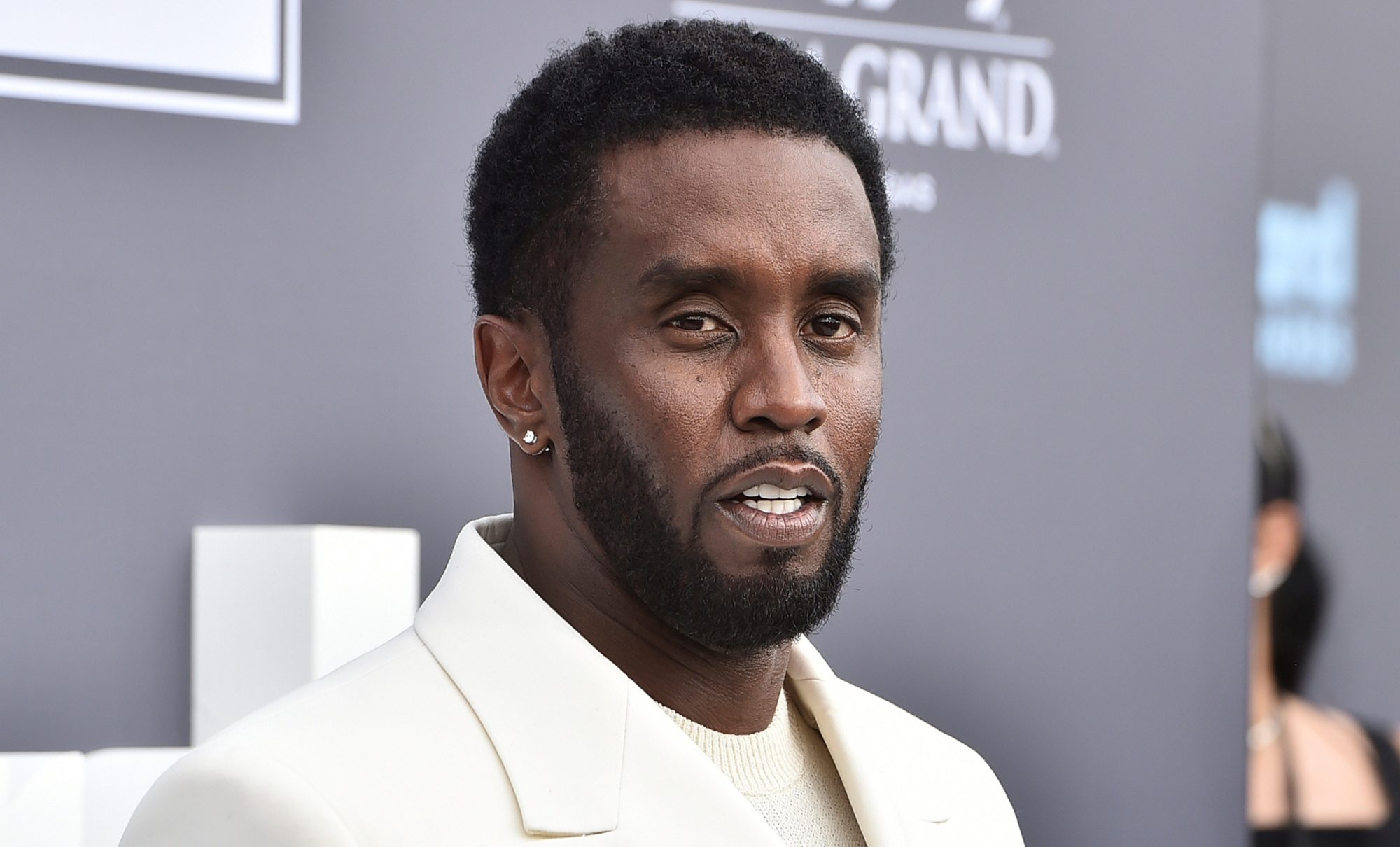
Sean ‘Diddy’ Combs’ Projected Prison Release Date Moved Forward
The new projected date advances from the previously listed February 20, 2028. The Bureau of Prisons has cautioned that projected release dates remain subject to change.
entertainment | BY Joshua Narh | September 4th, 2026
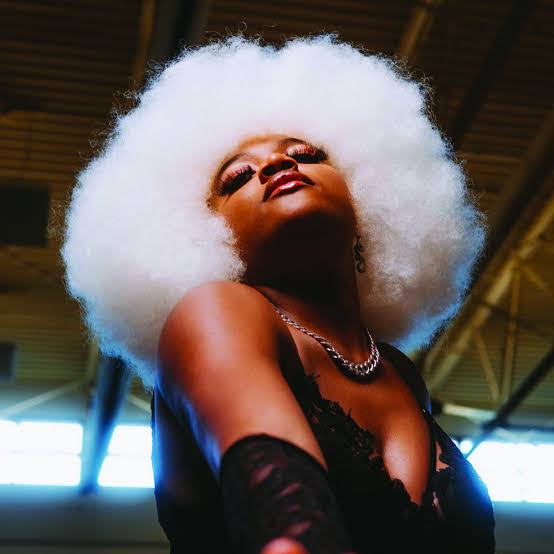
Fame Taught Me That Everybody Needs Love - Libianca
But she said the experience of sudden fame was not as simple as it appeared from the outside.

entertainment | BY Joshua Narh | September 4th, 2026
Libianca Rejects Rigid Genre Labels
Libianca described herself as a “fusion” artiste, saying her music draws from different influences rather than fitting neatly into one category.
entertainment | BY Joshua Narh | September 4th, 2026
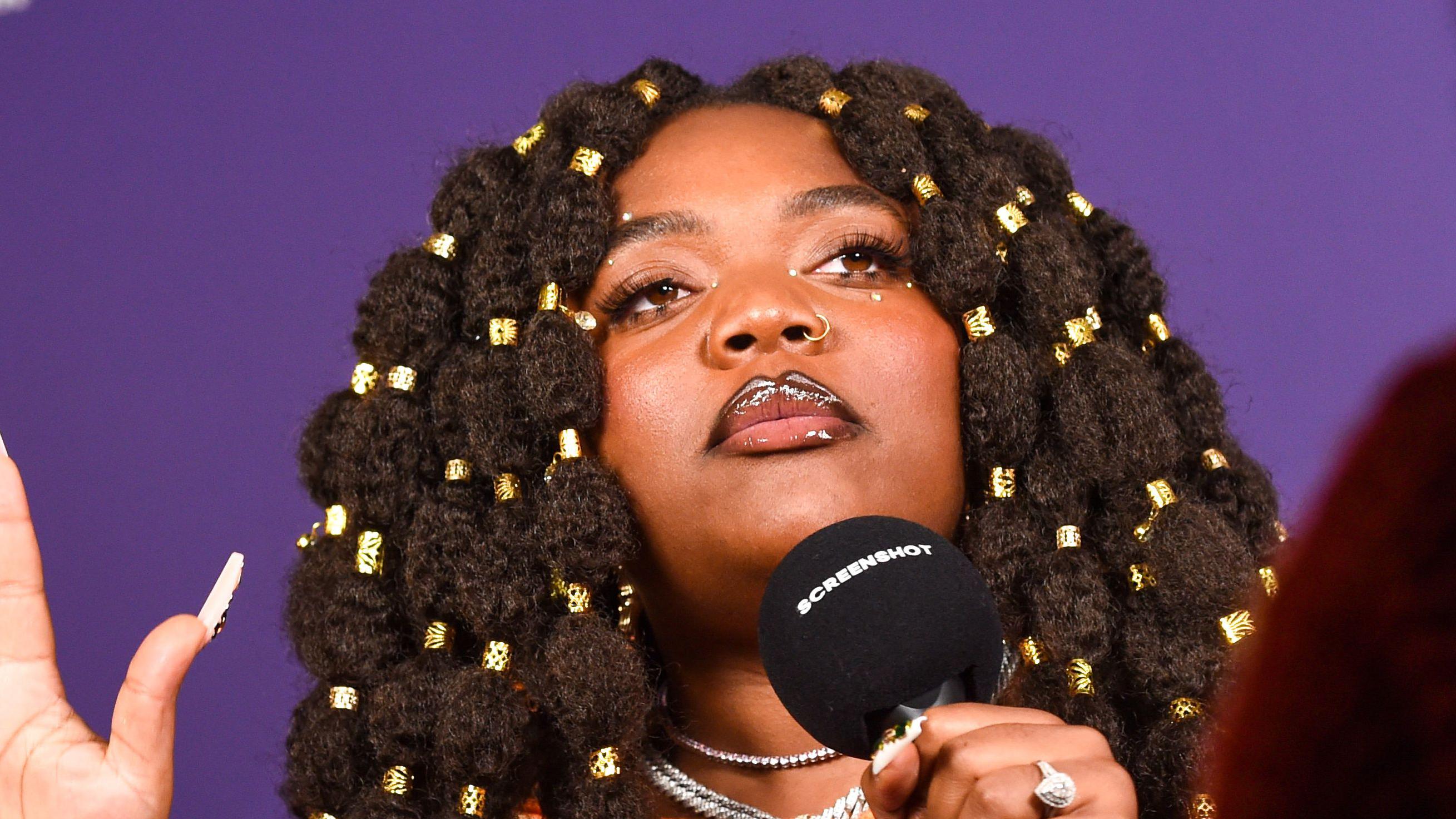
Libianca Nearly Quit Music Before PEOPLE Changed Her Life
Libianca said she had given herself two years to make progress in music after leaving college, and was prepared to abandon her faith if nothing changed.
More Similar Videos
music,entertainment | Lerny Lomotey | October 27th, 2025
Showboy Shares His Journey From Prison To Becoming Ghana's Biggest Trapper
Comments