Is The Creative Industry Unfair To Women?

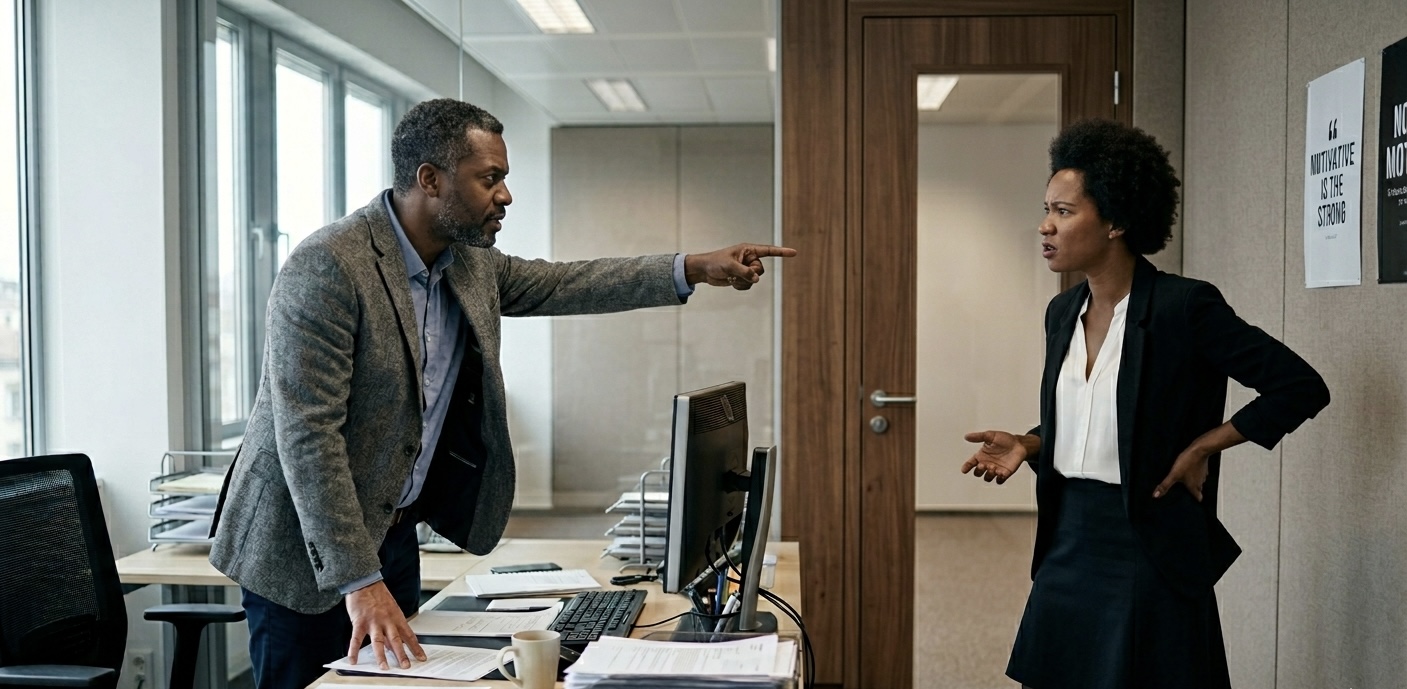
A crucial and often uncomfortable conversation resurfaced on Culture Daily last week, one that continues to shape the realities of many women navigating the creative industry. At the heart of the discussion was a troubling but persistent issue: the expectation for women to exchange personal or sexual favours in return for professional opportunities.
This conversation, sparked by artiste Feli Nuna, goes beyond isolated experiences. It reflects a systemic challenge embedded in parts of the entertainment and media ecosystem, where access, exposure and advancement are sometimes tied to inappropriate demands rather than merit.
Feli Nuna recounted experiences dating back to the early stages of her career, where individuals in positions of influence suggested that success required more than talent and hard work. The idea of needing a “godfather” in the industry, one who would demand intimacy as a prerequisite for support, highlights a deeply problematic culture.
Such encounters are not only exploitative but also psychologically damaging. For young, aspiring creatives, especially women these moments often come with confusion, shame and pressure. The line between mentorship and manipulation becomes blurred, leaving many to either resist and risk stagnation or comply and compromise their values.
Even more concerning is that these experiences do not necessarily diminish with success. As Feli Nuna shared, similar propositions and coercive behaviour can persist even after artistes establish themselves suggesting that the issue is not about vulnerability alone, but about power.
An interesting contrast emerged during the discussion: while traditional media spaces may still be controlled by gatekeepers who can abuse power, digital platforms have opened new doors.
On social media, many female creatives are thriving independently building audiences, monetising content and expressing themselves without needing approval from intermediaries. This shift has created a level of autonomy that challenges the traditional structures of the industry.
However, this freedom also introduces another layer to the conversation.
A counterpoint raised during the discussion questioned how women are represented in media and whether certain portrayals contribute to how they are perceived and treated.
Referencing global figures like Cardi B, the conversation explored how hyper-sexualised imagery in music and digital content influences audience expectations. With social media amplifying visual expression, many argue that the line between empowerment and objectification has become increasingly blurred.
Critics suggest that when sexuality becomes a dominant form of expression, it may unintentionally shape how some individuals engage with female creatives sometimes inappropriately. Others strongly oppose this view, emphasising that no form of expression justifies exploitation or harassment.
One of the clearest distinctions made during the conversation was this:
There is nothing inherently wrong with expressing personal interest. However, it becomes unacceptable when that interest is tied to professional advancement.
Holding opportunities hostage in exchange for intimacy is not only unethical, but it is an abuse of power.
The path forward requires balance between freedom of expression and accountability, between empowerment and protection.
For many women in the creative space, the goal remains simple: To be judged by their talent, respected for their work and given equal access without conditions.
As conversations like this continue, one thing becomes clear: Real change will only happen when silence is replaced with honesty and power is matched with responsibility.
Sign up for the 3Music Newsletter for breaking news, events, and unique stories.
MORE FROM
music
-
fashion & lifestyle culture
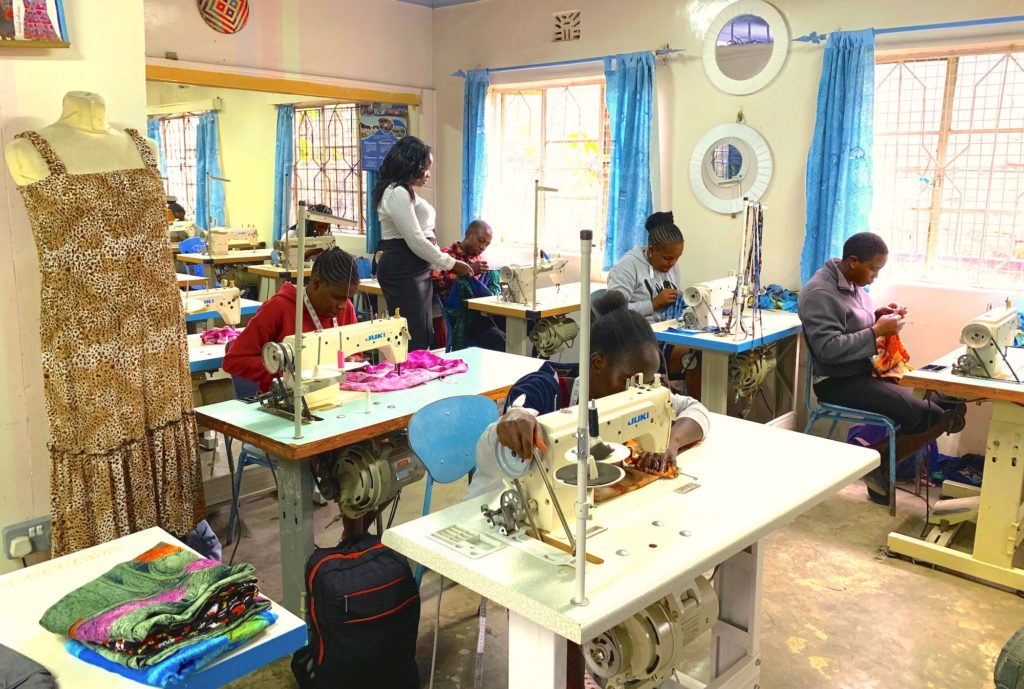
Students Turn To Trades For A Future Beyond Degrees
By Angela Kuffour
August 28th, 2026
-
fashion & lifestyle culture
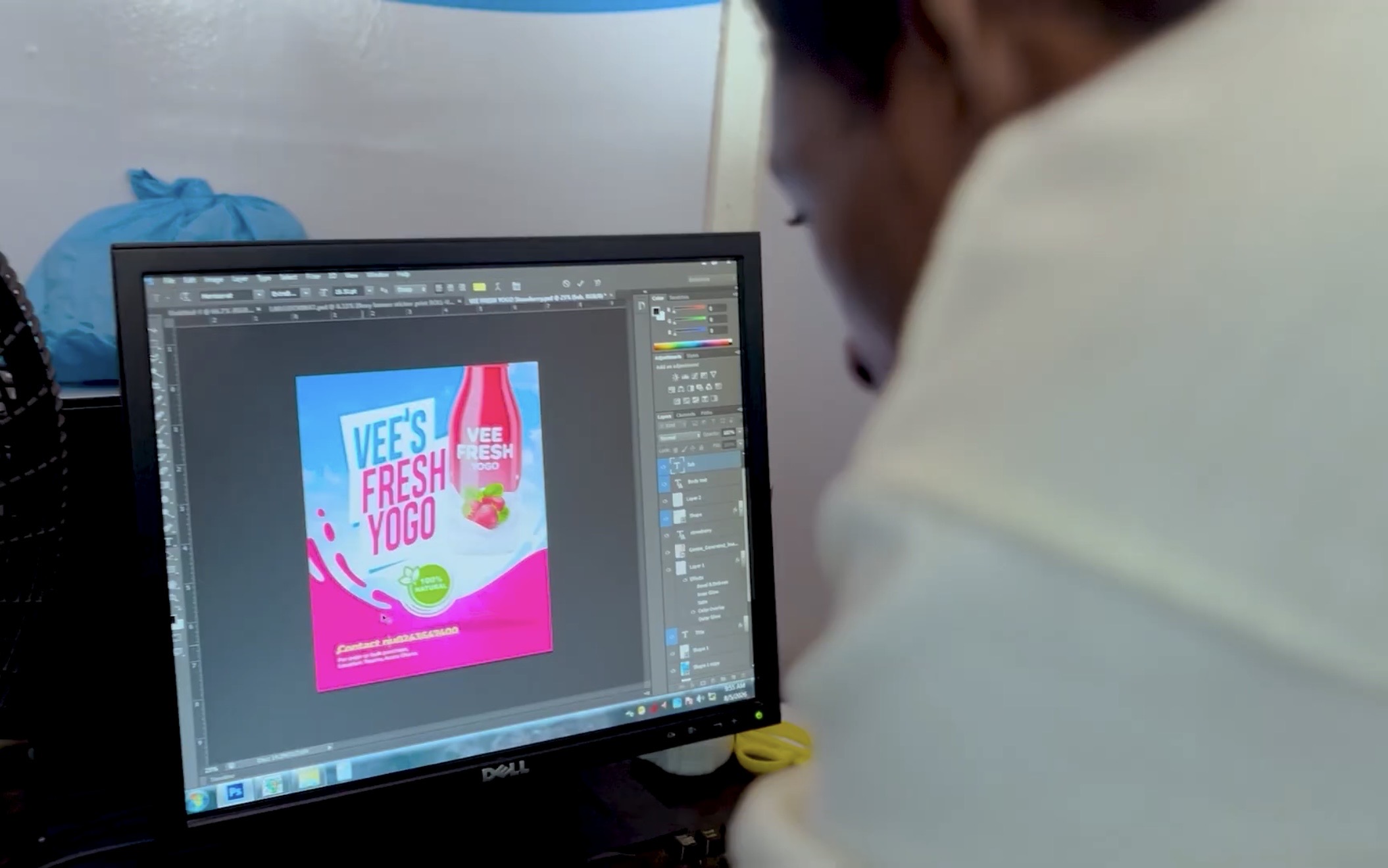
Haruna Muntari Embraces AI Tools In Graphic Design
By Angela Kuffour
August 28th, 2026
-
fashion & lifestyle culture
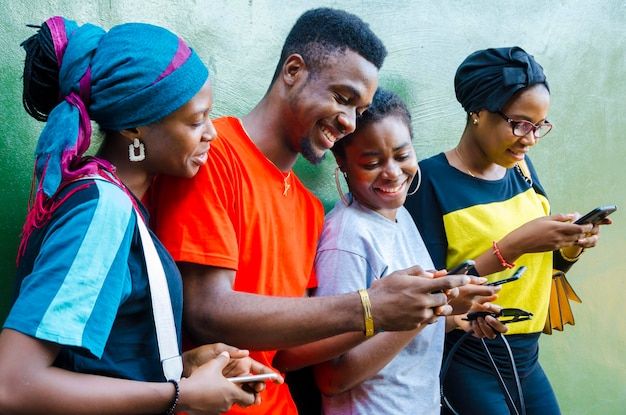
The Smartphone Generation, An Era Of Less Physical Interaction Or Improved Communication?
By Angela Kuffour
August 28th, 2026
-

entertainment
OliveTheBoy Takes His O’LIVE EXPERIENCE To The National Theatre
By Joshua Narh
August 28th, 2026
-

culture
Check Oil, Water Before Driving, Vehicle Maintenance Specialist Percy Awuku Advises
By Joshua Narh
August 28th, 2026
More From 3Music News
culture | BY Joshua Narh | August 28th, 2026
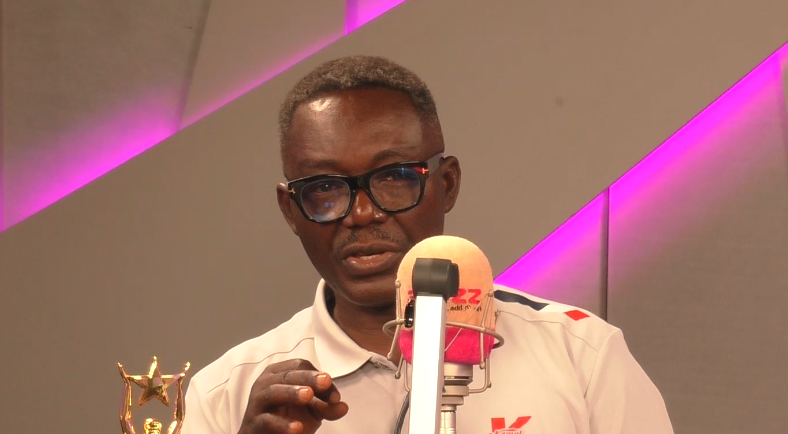
Regular Servicing Can Extend The Life Of Your Car - Percy Awuku
He explained that servicing involves more than simply taking a vehicle to a mechanic when a fault develops. The specific maintenance required can depend on the type and age of the vehicle.

entertainment | BY Angela Kuffour | August 28th, 2026
Peter Cullen, Iconic Voice Of Optimus Prime, Dies At 85
Cullen passed away peacefully on Wednesday, August 26, 2026, at his home in Los Angeles, surrounded by his family.
culture | BY Joshua Narh | August 27th, 2026
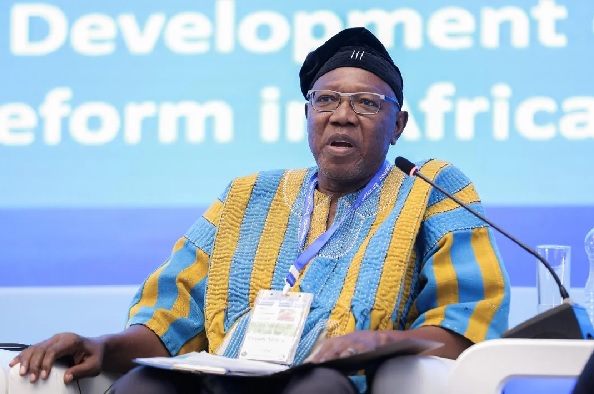
Education Ministry To Amend Law Over Faith-Based Representation On GES Council
The ministry made the announcement in response to concerns raised by the Ghana Catholic Bishops’ Conference over the composition of the GES Council.

culture | BY Joshua Narh | August 27th, 2026
President Mahama Cuts Sod For Multi-Purpose Car Park And Commercial Complex At Accra Airport
The development is expected to provide about 2,030 covered parking spaces, as well as hotels, retail outlets, offices, entertainment facilities and a pedestrian connection to the terminal.
entertainment | BY Joshua Narh | August 27th, 2026
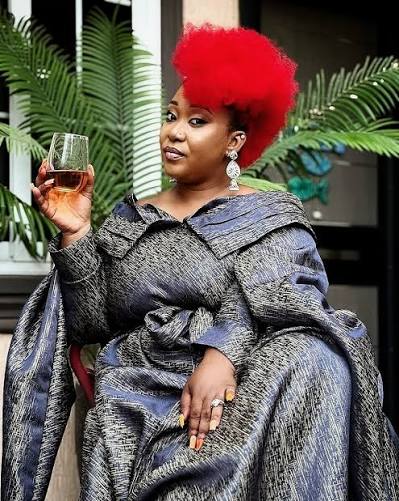
Apiorkor Seyiram Ashong-Abbey Named BSIFF Diplomacy Ambassador
The appointment forms part of BSIFF’s efforts to strengthen its international engagement and use film as a platform for cultural exchange.

entertainment | BY Joshua Narh | August 27th, 2026
Boy Doe Rejects Pressure To Stick To One Genre
Boy Doe said he sees himself as an “instrument” who makes music based on what he feels rather than limiting himself to one particular style.

entertainment | BY Joshua Narh | August 27th, 2026
Boy Doe Reveals Independent Music Career Is Costly, With Most Performances Unpaid
Boy Doe said he had experienced situations where he was replaced on a performance schedule because a more established act was considered a bigger name.
entertainment | BY Joshua Narh | August 27th, 2026
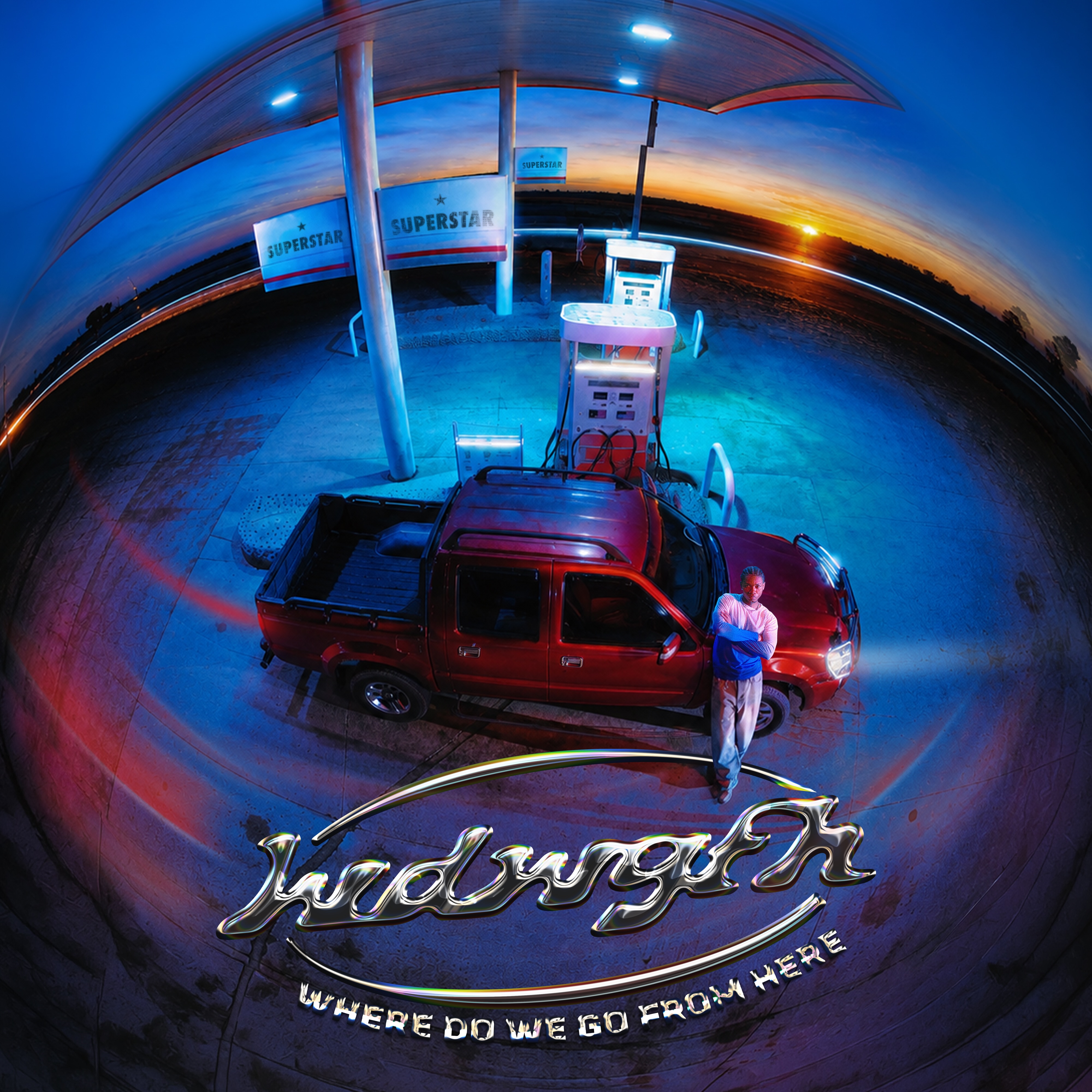
KiDi Reveals 40 Songs Were Recorded Before Settling On 15 For New Album
According to KiDi, the album was about four years in the making, with the recording process producing enough material for what he described as potentially three albums.

entertainment | BY Joshua Narh | August 27th, 2026
KiDi Reveals He Deliberately Embraced Different Genres Without Losing His Identity
He added his background in R&B influenced his early approach to music, but joining Lynx Entertainment required him to adapt his sound to connect with a wider Ghanaian audience.
entertainment | BY Joshua Narh | August 27th, 2026
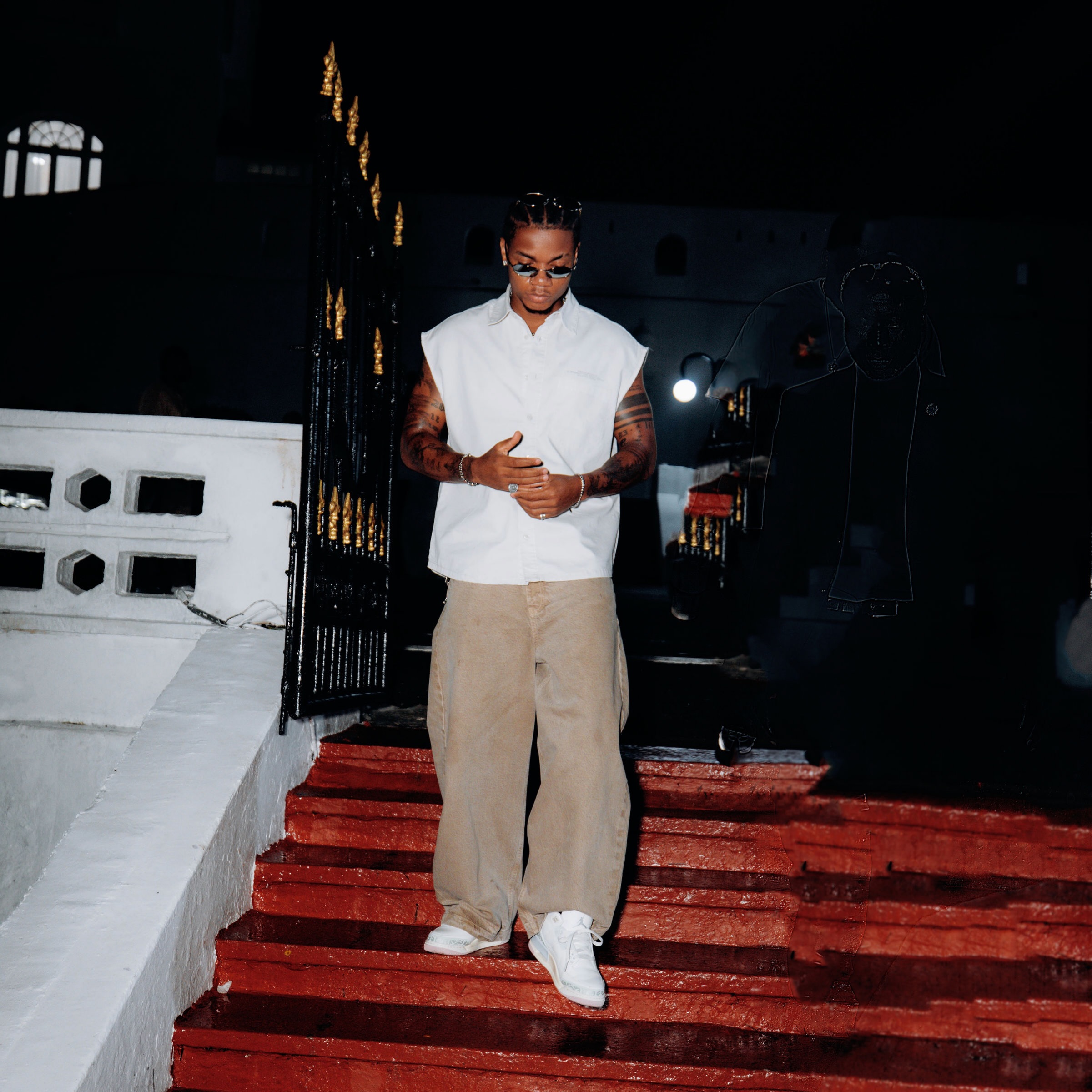
Discipline Has Kept Me In Check Throughout My Career - KiDi
Reflecting on his career, KiDi said one of his biggest challenges had been learning how to listen to advice without allowing other people’s opinions to determine the direction of his life and career.
entertainment | BY Joshua Narh | August 27th, 2026
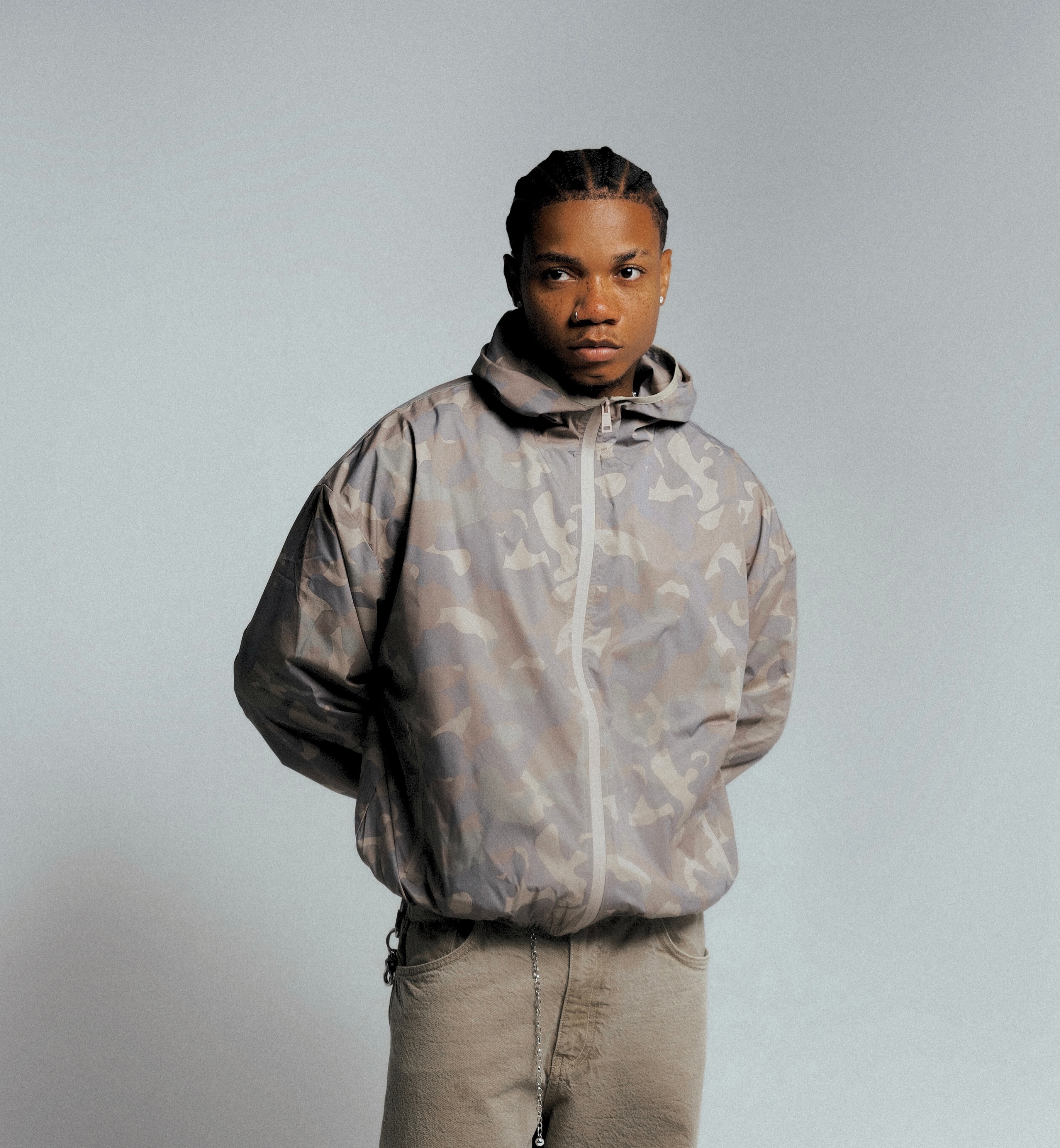
I Have Come A Long Way — KiDi Reflects On Decade-Long Music Journey
According to him, many of the challenges he faced had not been publicly discussed, although some of them had influenced the new album.
culture | BY Joshua Narh | August 27th, 2026
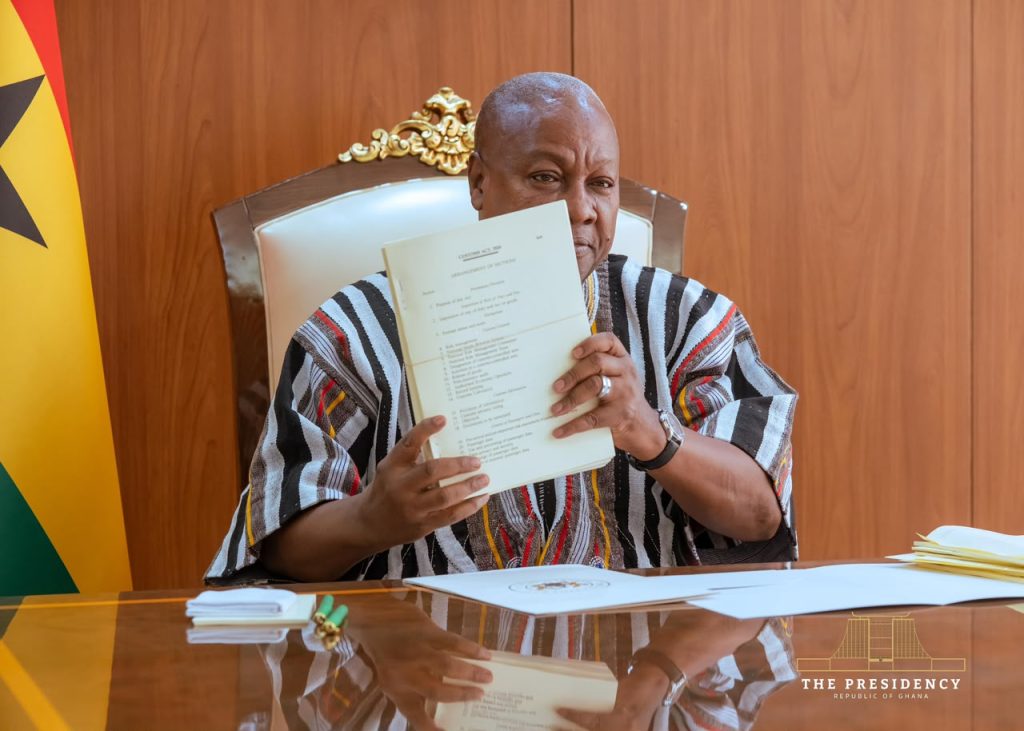
President Mahama Signs 10 Laws Covering Tax, Cocoa, Customs And Justice Reforms
The new laws cover agriculture, taxation, customs, energy, justice, maritime security, education and social protection.
More Similar Videos
music,entertainment | Lerny Lomotey | October 27th, 2025
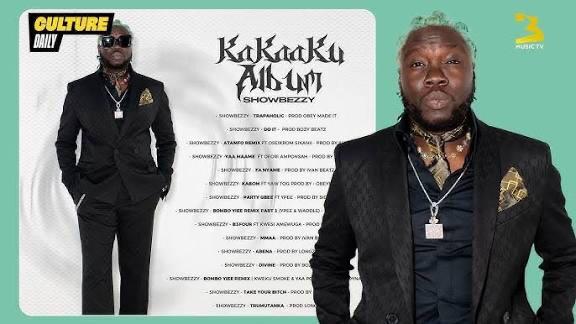
Showboy Shares His Journey From Prison To Becoming Ghana's Biggest Trapper
Comments