“…Art is not for lazy people” - Panji Anoff

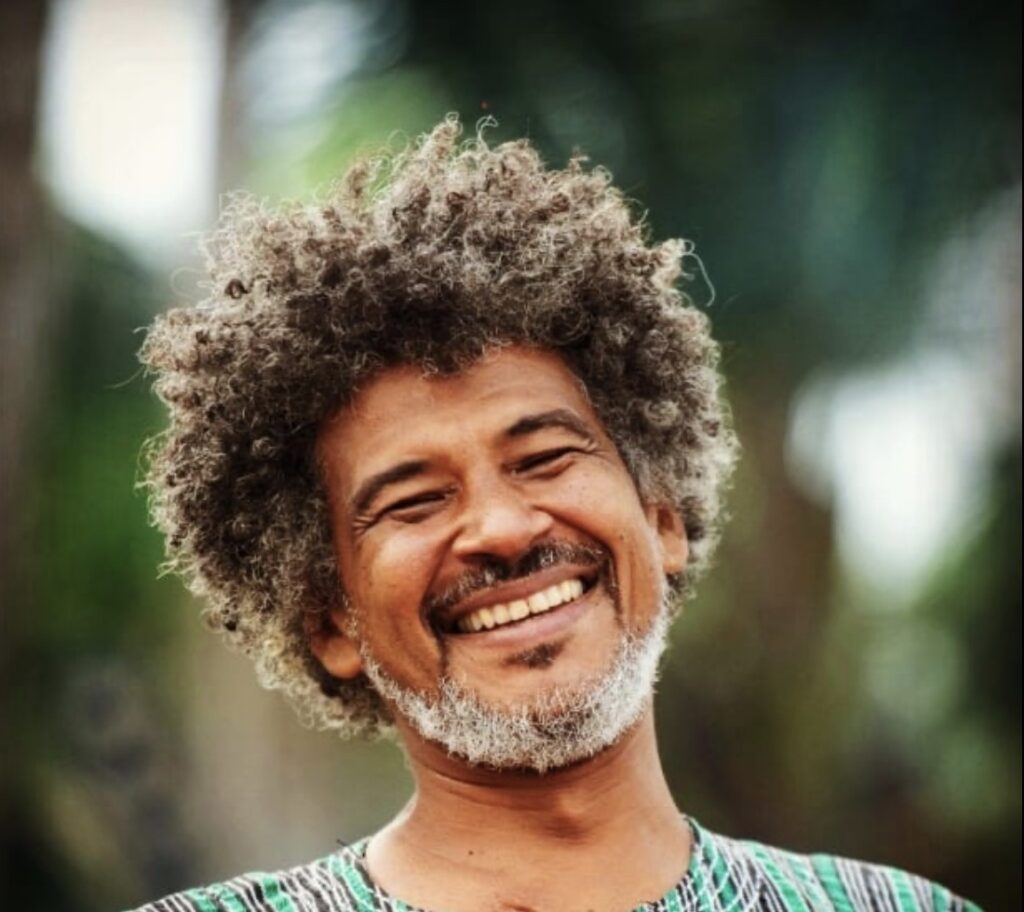
Veteran music producer and cultural thinker, Panji Anoff, has reflected on originality, collaboration and the long road to artistic success, using his work with artistes such as King Ayisoba, Wanlov the Kubolor, Yaa Pono and Black Sherif to illustrate why true creativity cannot be rushed or imitated.
Speaking on Culture Daily, Panji described King Ayisoba as a turning point in his career, noting that the artiste’s unwavering commitment to authenticity helped clarify his own creative direction.
“Before King Ayisoba, I experimented a lot,” Panji explained. “But he was the first artiste who was completely sure about being himself. That project helped people understand what I was really trying to do.”
He stressed that his musical interests have never been limited to one genre, saying his guiding principle has always been emotional connection rather than commercial trends.
“I love all kinds of music. If it makes me feel something, it can make someone else feel something,” he said.
Panji traced a creative lineage that connects Wanlov, Yaa Pono and eventually Black Sherif, crediting artiste-to-artiste recognition as a powerful but rare force in the industry.
According to him, Yaa Pono first introduced Black Sherif long before mainstream success, at a time when the young artiste had just moved to Accra and was still developing his sound.
“What stood out was that he wasn’t copying Wizkid or Davido,” Panji noted. “He was looking at what inspired them and finding his own equivalent.”
Panji compared Black Sherif’s artistic instinct to that of Ghanaian music legends, stressing the importance of drawing from historical greatness rather than chasing current trends.
“We stand on the shoulders of giants,” he said. “You don’t challenge them in height, you build on what they’ve already created.”
Beyond music, Panji used business and trade examples to highlight Ghana’s struggle with collective thinking. He argued that excessive competition, rather than unity, has limited growth across creative and commercial sectors.
“When people pool resources and trust each other, they gain power,” he said. “In Ghana, too often, we fight instead of collaborating.”
He applied the same thinking to the creative industry, encouraging artistes to see collaboration as a strength rather than a weakness.
Addressing concerns about the dominance of Afrobeat and the repetition of themes in modern music, Panji expressed optimism rather than fear. He described music trends as cyclical, comparing them to ocean tides that constantly bring new material to shore.
“Every trend rises, peaks and falls,” he said. “Humanity is self-correcting. Something new always emerges.”
Panji was emphatic about the realities of creative careers, warning young people against viewing art as an easy alternative to conventional professions.
“Art takes at least ten years,” he said. “If you want shortcuts, go and do medicine, law or engineering. Art is not for lazy people.”
He described artistic work as mentally demanding and constant, noting that unlike other professions, creative thinking never truly switches off.
“Art is powerful,” he added. “But to access that power, you have to work harder than most people are willing to.”
Panji also announced the upcoming Blend Festival, scheduled for February 14 at the Polo Club Gardens, positioning it as a celebration of live music, bands and performance-driven artistry.
The event will feature performances from Wiyaala, M.anifest and the Blend Band, among others, with gates opening at 6:30pm.
Sign up for the 3Music Newsletter for breaking news, events, and unique stories.
MORE FROM
music
-

sports
Ghana's World Cup Journey Ends In Round Of 32 After Resilient Campaign
By Joshua Narh
July 4th, 2026
-

-

-
culture
Tech Expert Selasie Vondee Warns That AI Is Making Cyberattacks More Sophisticated
By Joshua Narh
July 2nd, 2026
-

culture
Tech Expert Selasie Vondee Urges Users To Review App Permissions To Aviod Data Tracking
By Joshua Narh
July 2nd, 2026
More From 3Music News
music | BY Joshua Narh | July 2nd, 2026
Reggie Explores Identity, Love And Street Life On New GUY GUY MMIENU EP
The six-track project offers a more personal side of the Kumasi-born rapper, who rose to prominence as one of the pioneers of Ghana’s Asakaa movement, the drill subgenre that brought the sounds and street culture of Kumasi to a global audience.

music | entertainment | culture | BY Angela Kuffour | July 1st, 2026
Diana Hamilton Prays For Renewed Mindset Towards Sanitation in Ghana
She said that Ghanaians need a change of attitude regarding human activities such as poor sanitation habits that contribute to flooding.

entertainment | BY Joshua Narh | July 1st, 2026
Black Sherif's Producer Joker Nharnah Announces Debut Album
The announcement is one of the few times Joker has publicly discussed plans to release a body of work under his own name.

culture | BY Angela Kuffour | July 1st, 2026
Second National Day Of Prayer and Thanksgiving Marked
Coinciding with Republic Day on July 1, the day seeks to unite Ghanaians of all faith and express appreciation to God for the abundant blessings in the country.

entertainment | culture | BY Joshua Narh | July 1st, 2026
DopeNation Pledges Support For Flood Victims With Proceeds From Europe Tour
The musicians acknowledged that the donation would not reverse the devastation caused by the floods but said they hoped it would ease the burden on affected families.
culture | BY Joshua Narh | July 1st, 2026
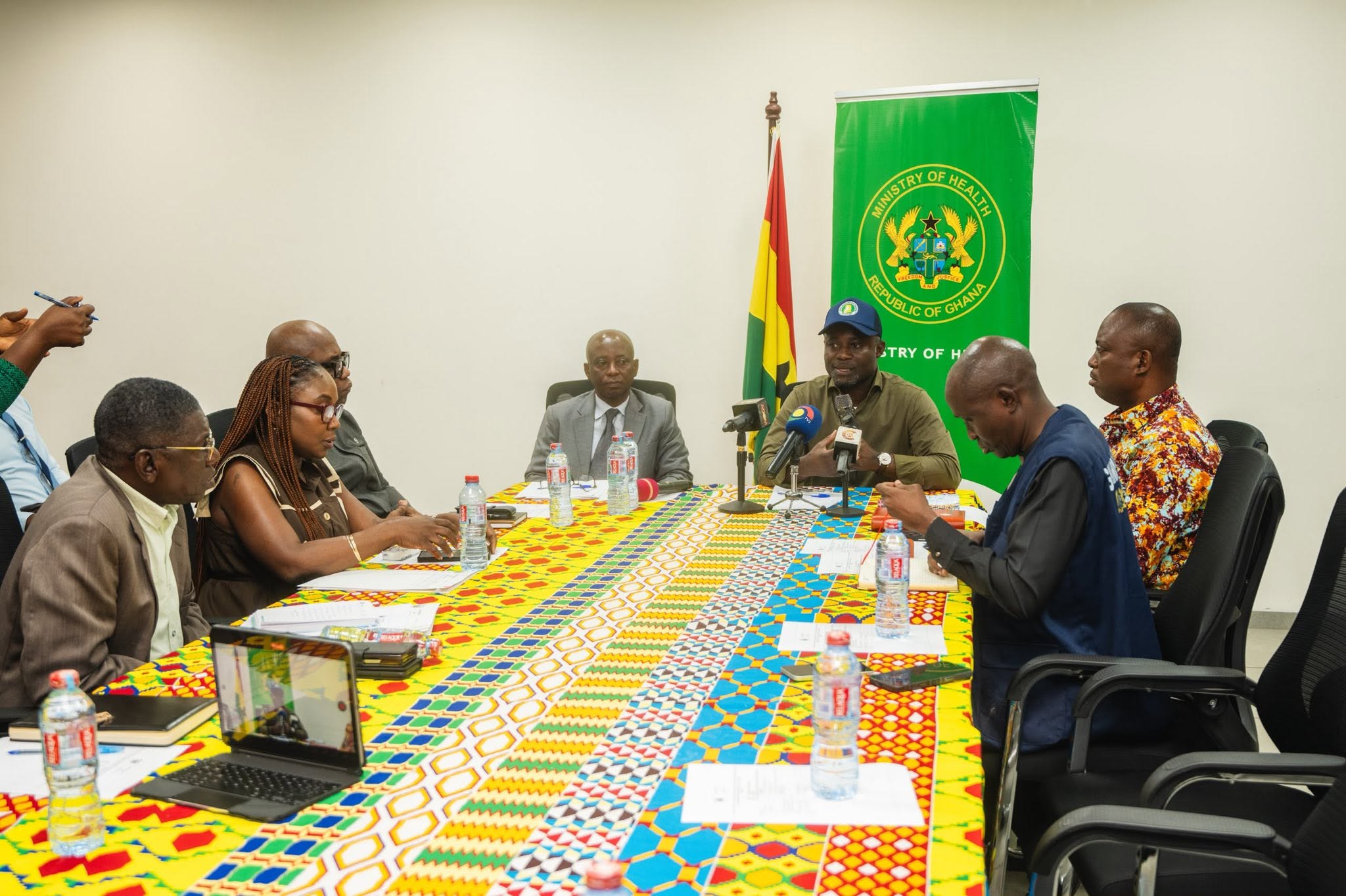
Health Ministry Steps Up Disease Surveillance After Accra Floods
The move comes after torrential rains caused flooding in several parts of the capital, including Kwame Nkrumah Circle, Alogboshie, Circle VIP and Neoplan Station, displacing residents, damaging property and raising concerns over possible public health threats.

culture | BY Joshua Narh | June 30th, 2026
Seek Medical Care Early After Floods - Dr Aminarh Urges
Dr Aminarh said flood-related illnesses may initially resemble common ailments such as malaria, causing many people to delay treatment.

culture | BY Joshua Narh | June 30th, 2026
Boiled Water Is The Safest Option After Floods - Doctor Aminarh Warns
According to him, floodwaters mix with waste from drains, septic tanks, animal farms and other sources of contamination.
culture | BY Joshua Narh | June 30th, 2026
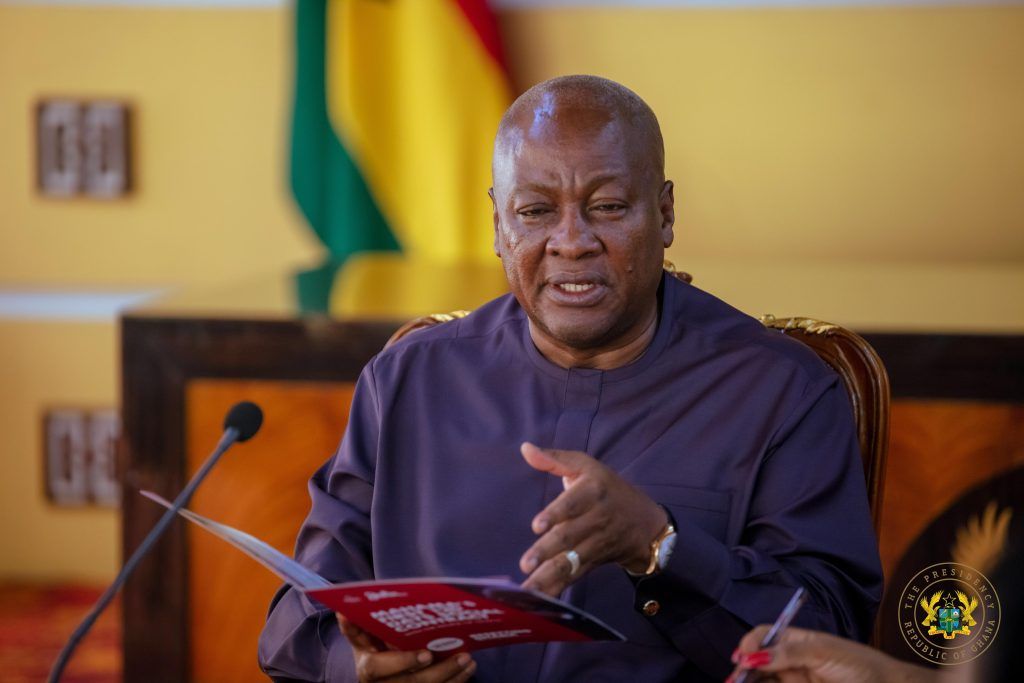
President Mahama Releases GH¢300m For Flood Relief And Urban Drainage Works
In a statement issued by the Presidency on Tuesday and signed by the Minister for Government Communications and Presidential Spokesperson, Felix Kwakye Ofosu, the government said the funds would be split equally between emergency assistance and measures aimed at preventing future floods.
music | entertainment | BY Angela Kuffour | June 30th, 2026
Bill Gucci Teases New Single BAD ENERGY Ahead Of 2026 Release
Bill Gucci has revealed that the record is part of a larger vision centered on consistency and growth throughout 2026.

music | entertainment | BY Angela Kuffour | June 29th, 2026
See The Complete List Of Winners At The 2026 BET Awards
The 2026 BET Awards were held on Sunday, June 28 at the Peacock Theater in Los Angeles, hosted by Druski.
music | entertainment | BY Angela Kuffour | June 29th, 2026
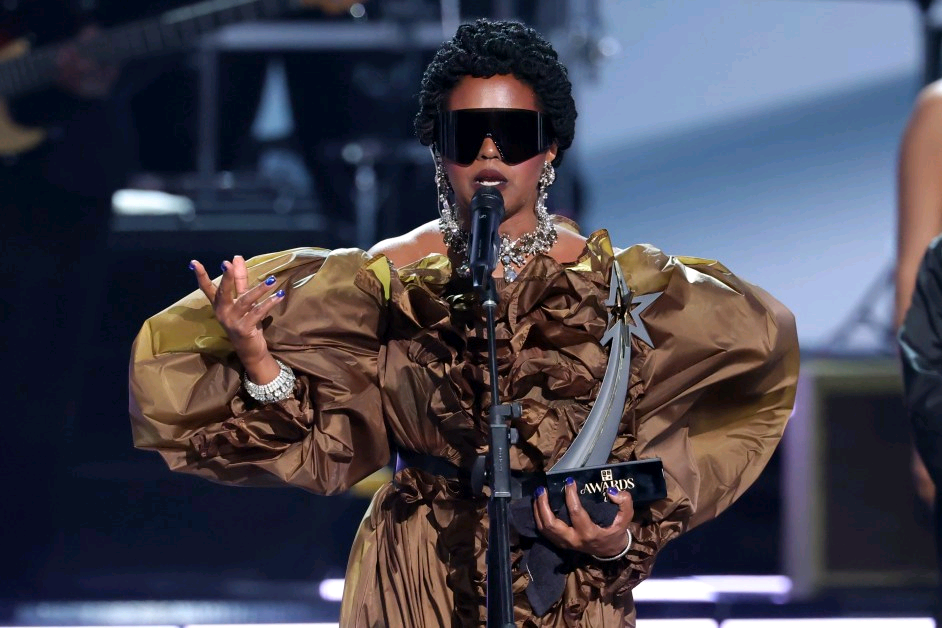
BET Awards Honours Lauryn Hill With Living Legend Icon Award
The adored vocalist, 51, released her groundbreaking album after becoming well-known as a member of The Fugees.
More Similar Videos
music,entertainment | Lerny Lomotey | October 27th, 2025
Showboy Shares His Journey From Prison To Becoming Ghana's Biggest Trapper
Comments