Sampa Kabwela Weighs In On Ghana President’s Fugu Moment

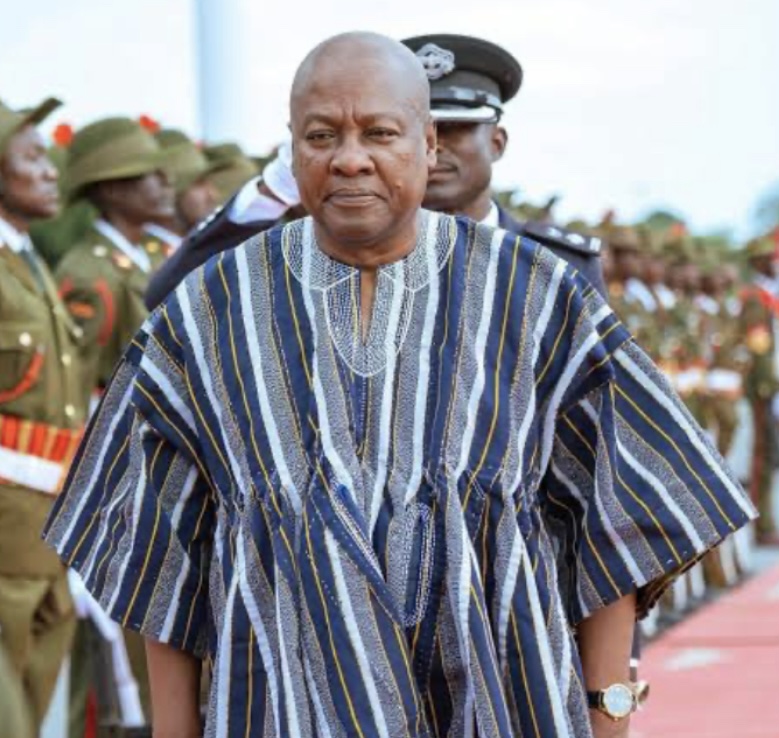
The recent wave of online conversations sparked by President John Dramani Mahama’s state visit to Zambia, where he appeared in a traditional Ghanaian fugu outfit, has drawn reactions ranging from humour to curiosity and in some cases, criticism.
While parts of social media questioned the outfit’s origin and symbolism, Zambian journalist Sampa believes the moment has revealed more about cultural gaps on the internet than any genuine hostility between Ghanaians and Zambians.
Speaking on Culture Daily, Sampa Kabwela explained that the backlash largely stemmed from cultural misunderstanding rather than ill intent.
“What we saw was not malice, it was ignorance,” she said. “And ignorance in the age of social media is loud, fast and embarrassing.”
According to Sampa, many of the online comments came from people unfamiliar with Ghanaian traditional attire, who viewed the fugu simply as fabric rather than a symbol of history, identity and heritage. Social media, she noted, amplified the loudest voices, creating a distorted impression of national sentiment.
Sampa clarified that she was already familiar with the fugu, having visited Ghana and lived with a Ghanaian family in the United Kingdom for over a year. That experience, she said, deepened her appreciation for Ghanaian culture, hospitality and traditions.
“I find the fugu very regal and majestic…it carries presence” she said, recalling iconic images of former President Jerry John Rawlings wearing the attire on the global stage.
She also shared fond memories of Ghanaian cuisine, praising the country’s culinary creativity and playfully weighing in on the long-standing jollof rice debate in Ghana’s favour.
Sampa offered important context to the online comparisons that followed the visit, particularly images of Zambian traditional outfits circulating online. She explained that Zambia does not have a single national attire, unlike Ghana.
One commonly referenced outfit, the Seziba, originates from the Lozi people of western Zambia and is worn mainly during the annual Kuomboka ceremony. While visually striking, it does not represent the entire nation.
“This moment has reopened a conversation in Zambia about cultural identity,” Sampa said. “We’re beginning to ask ourselves: what do we wear that represents us nationally?”
She noted that even prominent Zambian artistes have sometimes opted for Nigerian traditional wear at major events, not out of disregard for their roots, but due to the absence of a widely accepted national costume.
Despite the online exchanges, Sampa was emphatic that Zambians hold Ghana in high regard. She pointed to shared history, education and people-to-people ties between both countries.
“Many Zambians grew up being taught by Ghanaian teachers and lecturers,” he said. “We study Kwame Nkrumah in school. There’s even a university named after him.”
She stressed that the social media narrative does not reflect everyday sentiment on the ground.
“If you walk through Lusaka and ask people about Ghana, you’ll hear admiration, from football to culture to leadership,” she added.
As conversations continue online, the episode has sparked broader discussions around identity, representation and cultural pride across the continent. For Sampa, the takeaway is clear: Africans have more in common than social media suggests.
“Zambians have nothing but love for Ghana,” she concluded. “And moments like this should bring us closer not push us apart.”
Sign up for the 3Music Newsletter for breaking news, events, and unique stories.
MORE FROM
entertainment
-
sports
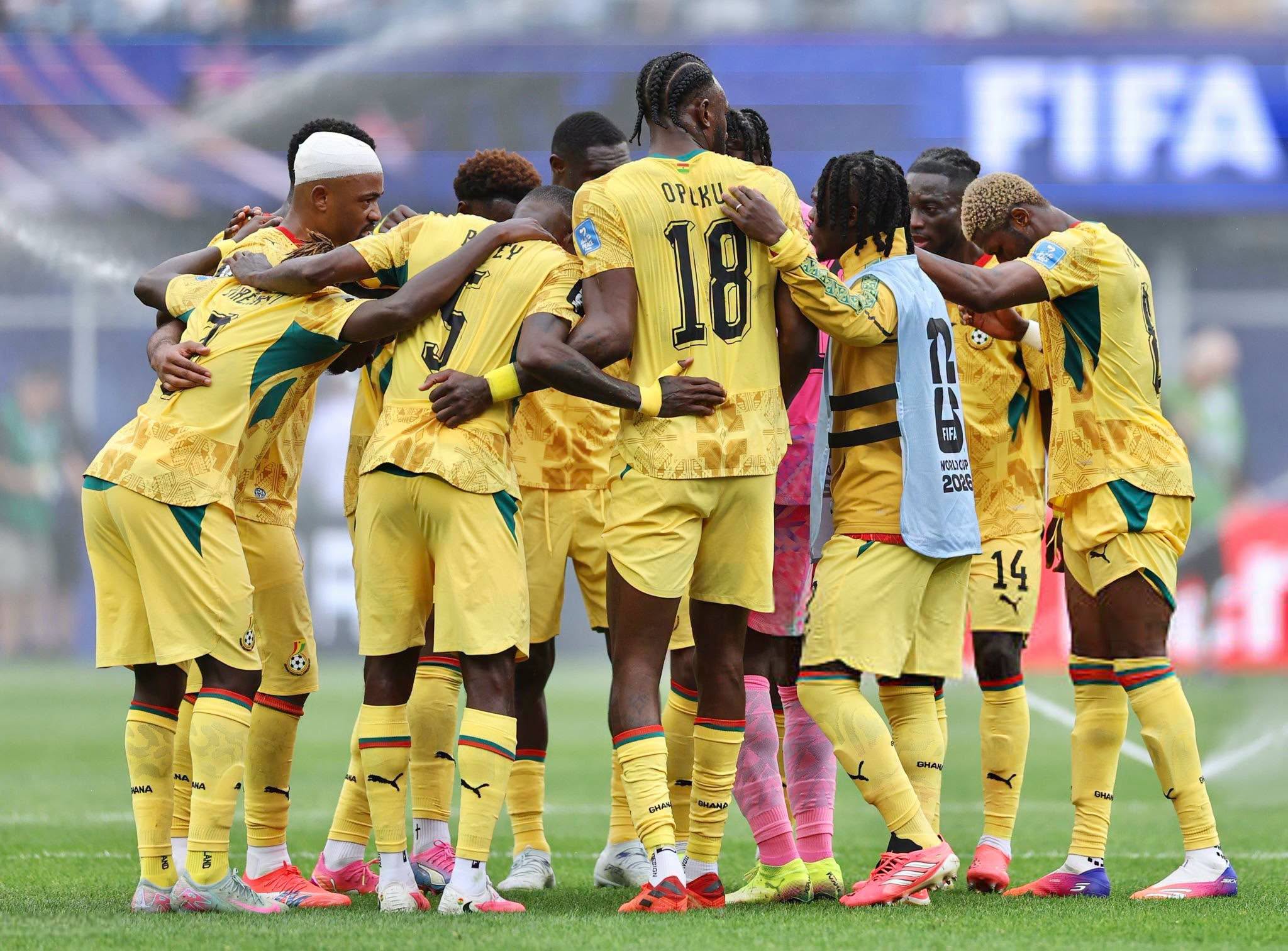
Ghana's World Cup Journey Ends In Round Of 32 After Resilient Campaign
By Joshua Narh
July 4th, 2026
-
-

-
culture
Tech Expert Selasie Vondee Warns That AI Is Making Cyberattacks More Sophisticated
By Joshua Narh
July 2nd, 2026
-

culture
Tech Expert Selasie Vondee Urges Users To Review App Permissions To Aviod Data Tracking
By Joshua Narh
July 2nd, 2026
More From 3Music News
music | BY Joshua Narh | July 2nd, 2026
Reggie Explores Identity, Love And Street Life On New GUY GUY MMIENU EP
The six-track project offers a more personal side of the Kumasi-born rapper, who rose to prominence as one of the pioneers of Ghana’s Asakaa movement, the drill subgenre that brought the sounds and street culture of Kumasi to a global audience.

music | entertainment | culture | BY Angela Kuffour | July 1st, 2026
Diana Hamilton Prays For Renewed Mindset Towards Sanitation in Ghana
She said that Ghanaians need a change of attitude regarding human activities such as poor sanitation habits that contribute to flooding.
entertainment | BY Joshua Narh | July 1st, 2026
Black Sherif's Producer Joker Nharnah Announces Debut Album
The announcement is one of the few times Joker has publicly discussed plans to release a body of work under his own name.
culture | BY Angela Kuffour | July 1st, 2026
Second National Day Of Prayer and Thanksgiving Marked
Coinciding with Republic Day on July 1, the day seeks to unite Ghanaians of all faith and express appreciation to God for the abundant blessings in the country.
entertainment | culture | BY Joshua Narh | July 1st, 2026
DopeNation Pledges Support For Flood Victims With Proceeds From Europe Tour
The musicians acknowledged that the donation would not reverse the devastation caused by the floods but said they hoped it would ease the burden on affected families.
culture | BY Joshua Narh | July 1st, 2026
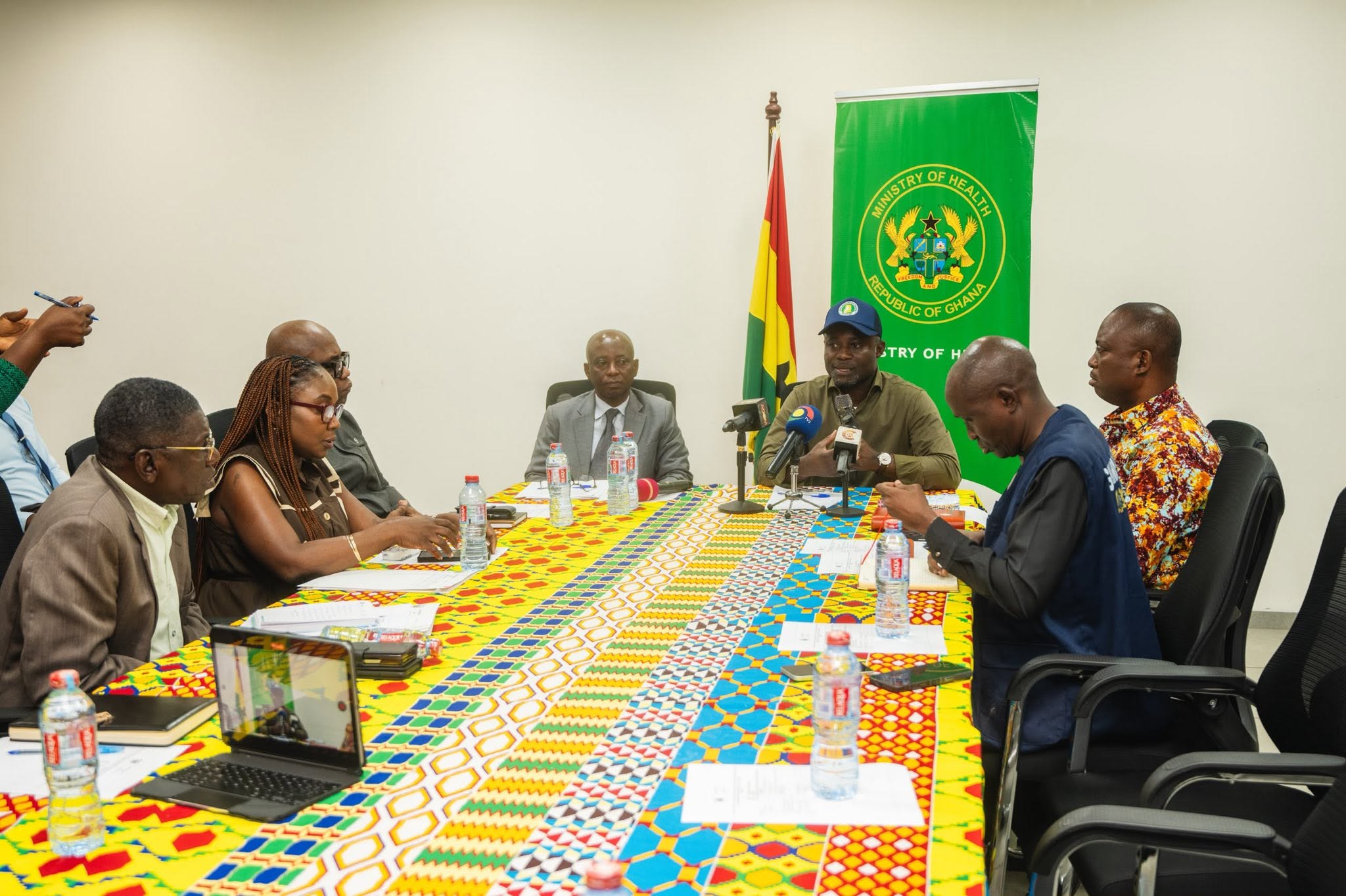
Health Ministry Steps Up Disease Surveillance After Accra Floods
The move comes after torrential rains caused flooding in several parts of the capital, including Kwame Nkrumah Circle, Alogboshie, Circle VIP and Neoplan Station, displacing residents, damaging property and raising concerns over possible public health threats.

culture | BY Joshua Narh | June 30th, 2026
Seek Medical Care Early After Floods - Dr Aminarh Urges
Dr Aminarh said flood-related illnesses may initially resemble common ailments such as malaria, causing many people to delay treatment.

culture | BY Joshua Narh | June 30th, 2026
Boiled Water Is The Safest Option After Floods - Doctor Aminarh Warns
According to him, floodwaters mix with waste from drains, septic tanks, animal farms and other sources of contamination.
culture | BY Joshua Narh | June 30th, 2026
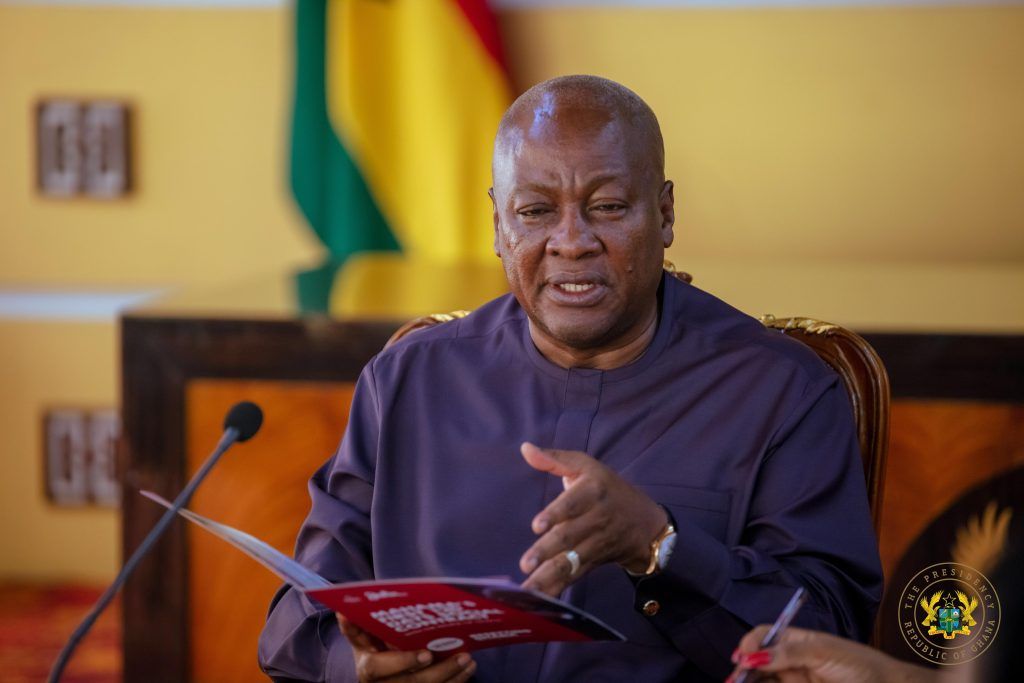
President Mahama Releases GH¢300m For Flood Relief And Urban Drainage Works
In a statement issued by the Presidency on Tuesday and signed by the Minister for Government Communications and Presidential Spokesperson, Felix Kwakye Ofosu, the government said the funds would be split equally between emergency assistance and measures aimed at preventing future floods.
music | entertainment | BY Angela Kuffour | June 30th, 2026
Bill Gucci Teases New Single BAD ENERGY Ahead Of 2026 Release
Bill Gucci has revealed that the record is part of a larger vision centered on consistency and growth throughout 2026.
music | entertainment | BY Angela Kuffour | June 29th, 2026
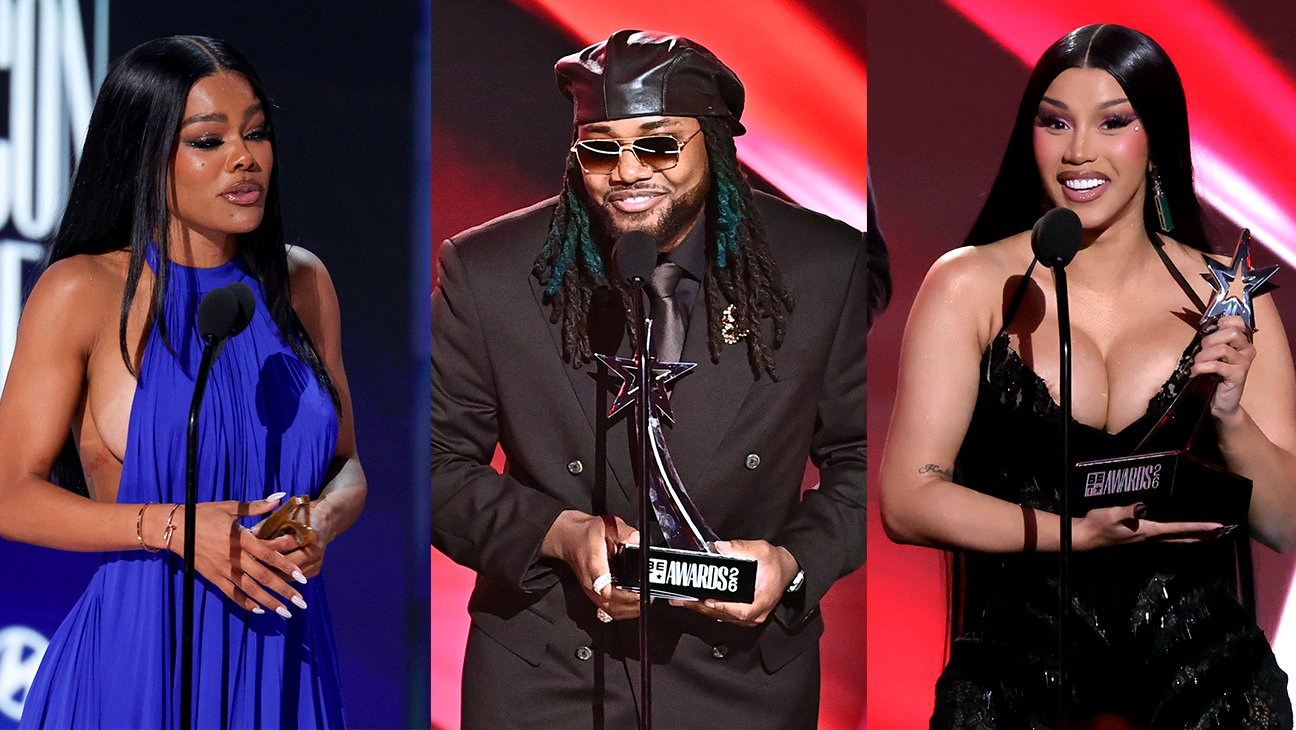
See The Complete List Of Winners At The 2026 BET Awards
The 2026 BET Awards were held on Sunday, June 28 at the Peacock Theater in Los Angeles, hosted by Druski.
music | entertainment | BY Angela Kuffour | June 29th, 2026
BET Awards Honours Lauryn Hill With Living Legend Icon Award
The adored vocalist, 51, released her groundbreaking album after becoming well-known as a member of The Fugees.
More Similar Videos
music,entertainment | Lerny Lomotey | October 27th, 2025
Showboy Shares His Journey From Prison To Becoming Ghana's Biggest Trapper
Comments