“What you study at university isn’t really the point” - Panji Anoff

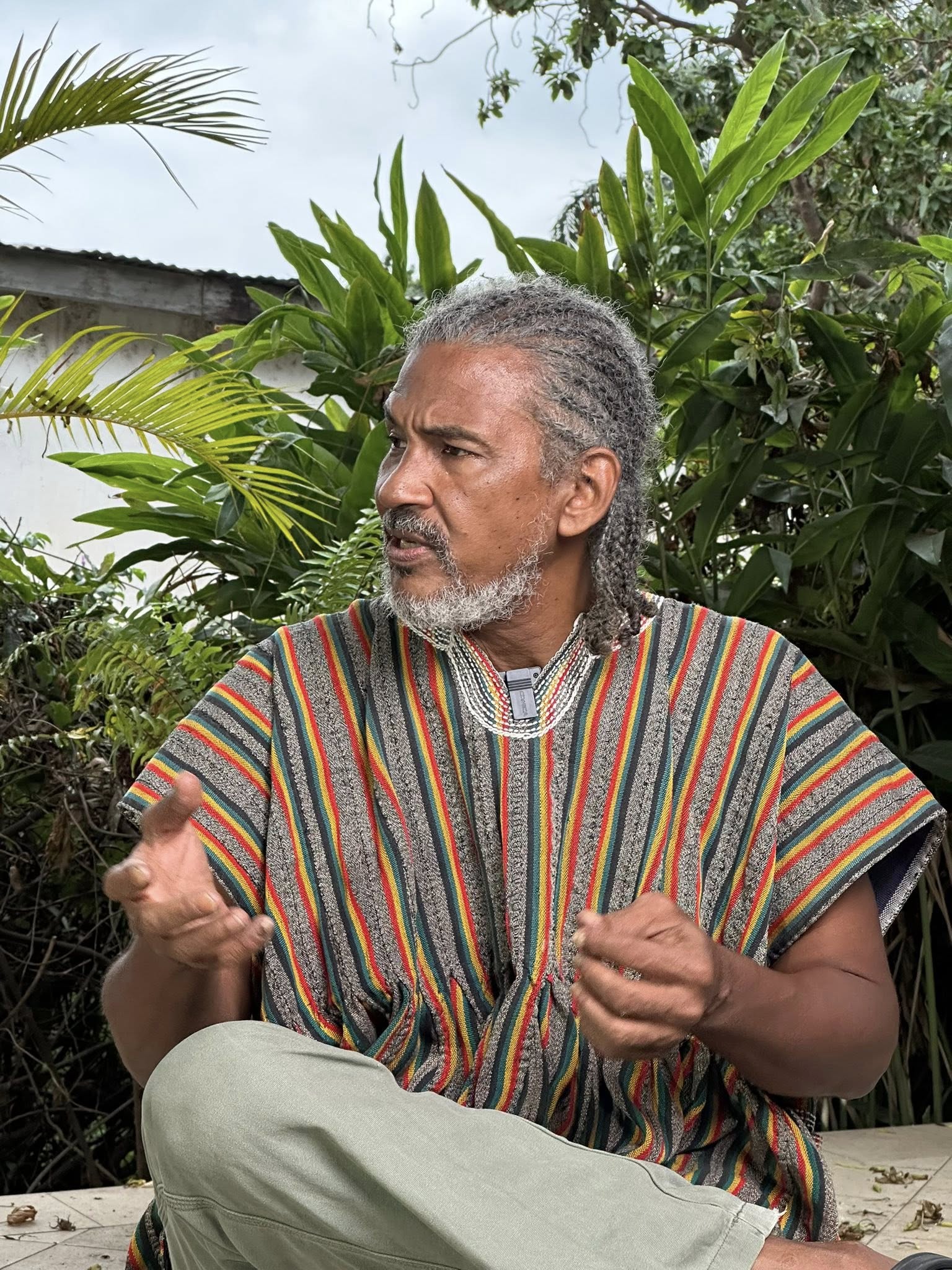
Veteran music producer, cultural advocate and creative pioneer Panji Anoff has shared rare insights into his life, values and creative journey, touching on everything from Ghanaian identity and traditional fashion to parenting, music and the evolution of Hiplife.
Speaking during the Big Convo, Panji reaffirmed his long-standing commitment to promoting Ghanaian culture, particularly through his consistent use of fugu(batakari). The producer revealed that he owns between 40 and 50 fugu outfits, many of which he gives away freely.
“For me, wearing fugu is both practical and purposeful,” he said. “The cloth is woven in Ghana, sewn in Ghana and supports Ghanaian artisans. When I buy one, I know I’m putting money directly into a Ghanaian pocket.”
Panji described indigenous Ghanaian clothing as timeless, recounting how a batakari his father purchased in 1963 remains wearable decades later. He likened the durability of fugu and kente to heirlooms that can be passed down through generations, stressing that Ghana’s traditional garments rival any global fashion standard in longevity and craftsmanship.
Reflecting on his upbringing, Panji credited his late father, a paediatrician whose name now adorns a hospital ward, for instilling values of calm discipline, curiosity and freedom of choice. Despite his father’s success in medicine, none of his children were pressured to follow the same path.
“My father believed his generation needed to save lives first,” Panji explained. “So that the next generation could afford to be artistes, philosophers and thinkers.”
That philosophy, he said, shaped his views on parenting. Panji openly rejected corporal punishment, arguing that conversation and emotional accountability are more effective than physical discipline.
“Physical pain fades,” he said. “But words stay with a child. Children don’t want to disappoint their parents, and that emotional bond is far more powerful than fear.”
Although trained as an engineer in the United Kingdom, Panji revealed that his creative instincts were evident early. A university tutor once advised him to switch to English studies, a suggestion he declined at the time but later came to understand.
“What you study at university isn’t really the point,” he said. “You’re there to learn how to think.”
His creative journey soon took a major turn when he began working in British media, eventually becoming the first African writer to work on a major UK television sitcom, Desmond’s. Panji spent three years on the show, with episodes he wrote earning nominations for prestigious awards including BAFTA and the Royal Television Awards.
Despite this success, he grew frustrated with the layers of censorship and distance between creativity and release in television, leading him to shift his focus to music.
Panji’s contribution to Ghana’s music industry is most evident in his role in shaping Hiplife. Drawing from observations in the UK, where British rappers gained relevance by embracing local accents and experiences, he became convinced that Ghanaian Hip-hop needed to reflect local languages, rhythms and culture.
“Africans want to dance,” he said. “Our strength is rhythm. So why ignore it?”
He began experimenting with local sounds, traditional rhythms such as Asokpo, and call-and-response structures deeply rooted in African music. Working with young artistes and producers, Panji pushed for a sound that felt authentically Ghanaian rather than imported.
Ultimately, Panji said his decision to move fully into music was driven by a desire to create rather than observe.
“As a journalist, you wait for someone else to make great art,” he explained. “I wanted to be at the beginning of the process…helping people create it.”
Now regarded as one of the architects of modern Ghanaian music culture, Panji continues to champion authenticity, cultural pride and creative freedom, urging young creatives to draw inspiration from their immediate environment.
“If you want to compete globally,” he said, “use the resources only you have access to.”
Sign up for the 3Music Newsletter for breaking news, events, and unique stories.
MORE FROM
music
-

sports
Ghana's World Cup Journey Ends In Round Of 32 After Resilient Campaign
By Joshua Narh
July 4th, 2026
-

-

-

culture
Tech Expert Selasie Vondee Warns That AI Is Making Cyberattacks More Sophisticated
By Joshua Narh
July 2nd, 2026
-

culture
Tech Expert Selasie Vondee Urges Users To Review App Permissions To Aviod Data Tracking
By Joshua Narh
July 2nd, 2026
More From 3Music News

music | BY Joshua Narh | July 2nd, 2026
Reggie Explores Identity, Love And Street Life On New GUY GUY MMIENU EP
The six-track project offers a more personal side of the Kumasi-born rapper, who rose to prominence as one of the pioneers of Ghana’s Asakaa movement, the drill subgenre that brought the sounds and street culture of Kumasi to a global audience.

music | entertainment | culture | BY Angela Kuffour | July 1st, 2026
Diana Hamilton Prays For Renewed Mindset Towards Sanitation in Ghana
She said that Ghanaians need a change of attitude regarding human activities such as poor sanitation habits that contribute to flooding.

entertainment | BY Joshua Narh | July 1st, 2026
Black Sherif's Producer Joker Nharnah Announces Debut Album
The announcement is one of the few times Joker has publicly discussed plans to release a body of work under his own name.

culture | BY Angela Kuffour | July 1st, 2026
Second National Day Of Prayer and Thanksgiving Marked
Coinciding with Republic Day on July 1, the day seeks to unite Ghanaians of all faith and express appreciation to God for the abundant blessings in the country.

entertainment | culture | BY Joshua Narh | July 1st, 2026
DopeNation Pledges Support For Flood Victims With Proceeds From Europe Tour
The musicians acknowledged that the donation would not reverse the devastation caused by the floods but said they hoped it would ease the burden on affected families.

culture | BY Joshua Narh | July 1st, 2026
Health Ministry Steps Up Disease Surveillance After Accra Floods
The move comes after torrential rains caused flooding in several parts of the capital, including Kwame Nkrumah Circle, Alogboshie, Circle VIP and Neoplan Station, displacing residents, damaging property and raising concerns over possible public health threats.

culture | BY Joshua Narh | June 30th, 2026
Seek Medical Care Early After Floods - Dr Aminarh Urges
Dr Aminarh said flood-related illnesses may initially resemble common ailments such as malaria, causing many people to delay treatment.

culture | BY Joshua Narh | June 30th, 2026
Boiled Water Is The Safest Option After Floods - Doctor Aminarh Warns
According to him, floodwaters mix with waste from drains, septic tanks, animal farms and other sources of contamination.
culture | BY Joshua Narh | June 30th, 2026
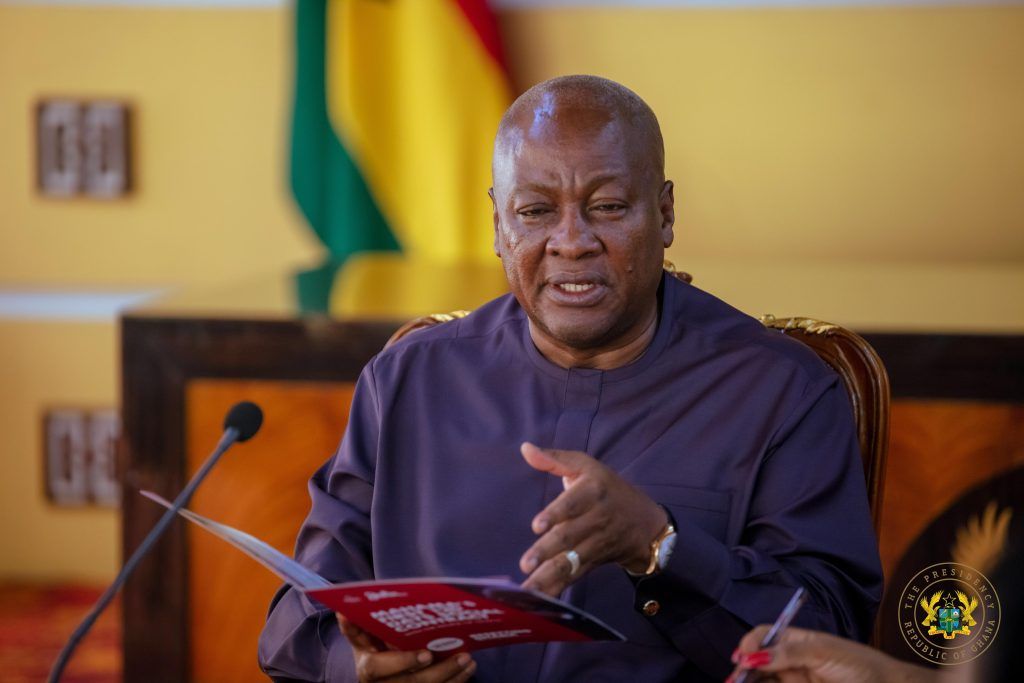
President Mahama Releases GH¢300m For Flood Relief And Urban Drainage Works
In a statement issued by the Presidency on Tuesday and signed by the Minister for Government Communications and Presidential Spokesperson, Felix Kwakye Ofosu, the government said the funds would be split equally between emergency assistance and measures aimed at preventing future floods.
music | entertainment | BY Angela Kuffour | June 30th, 2026
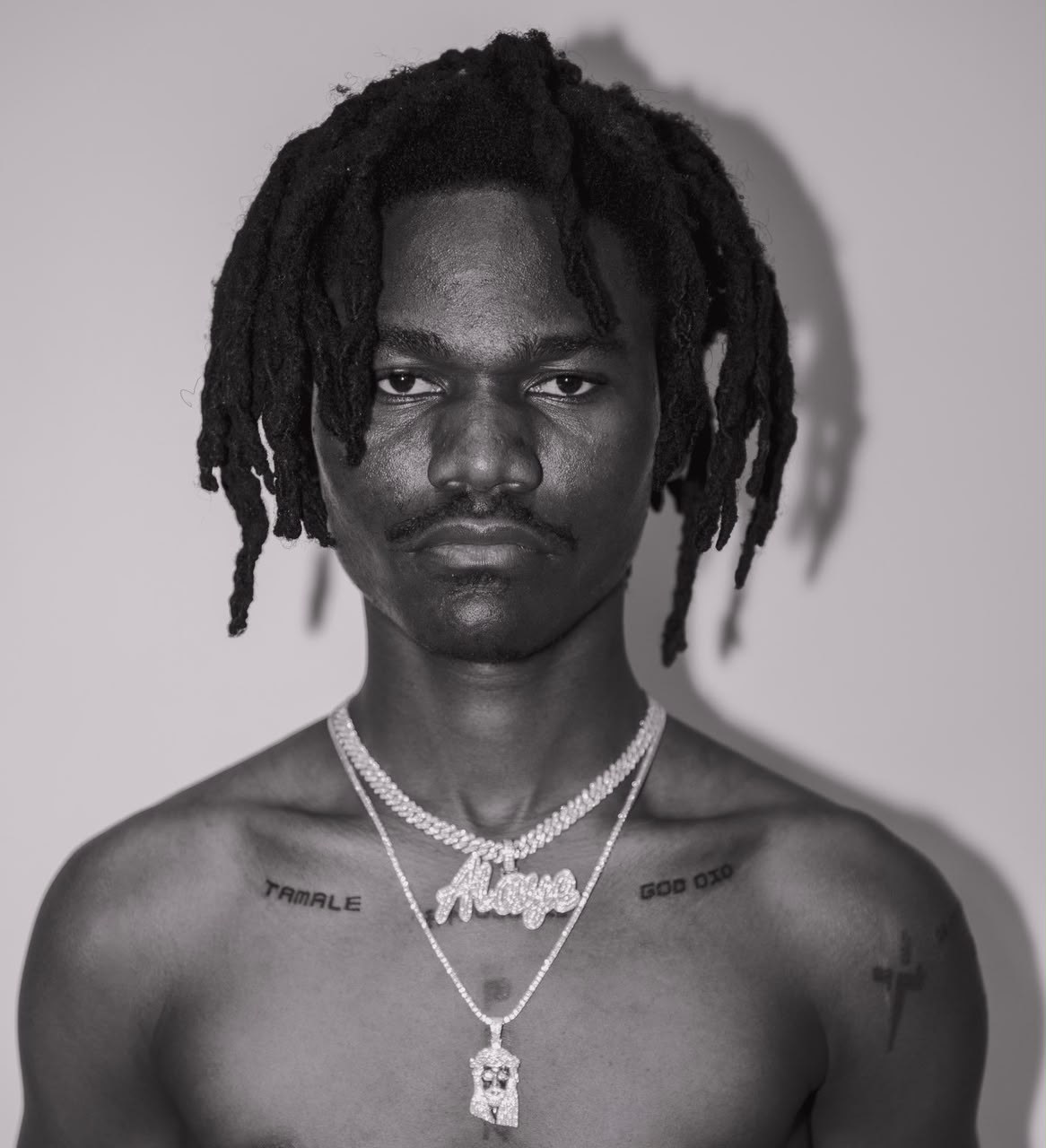
Bill Gucci Teases New Single BAD ENERGY Ahead Of 2026 Release
Bill Gucci has revealed that the record is part of a larger vision centered on consistency and growth throughout 2026.

music | entertainment | BY Angela Kuffour | June 29th, 2026
See The Complete List Of Winners At The 2026 BET Awards
The 2026 BET Awards were held on Sunday, June 28 at the Peacock Theater in Los Angeles, hosted by Druski.
music | entertainment | BY Angela Kuffour | June 29th, 2026
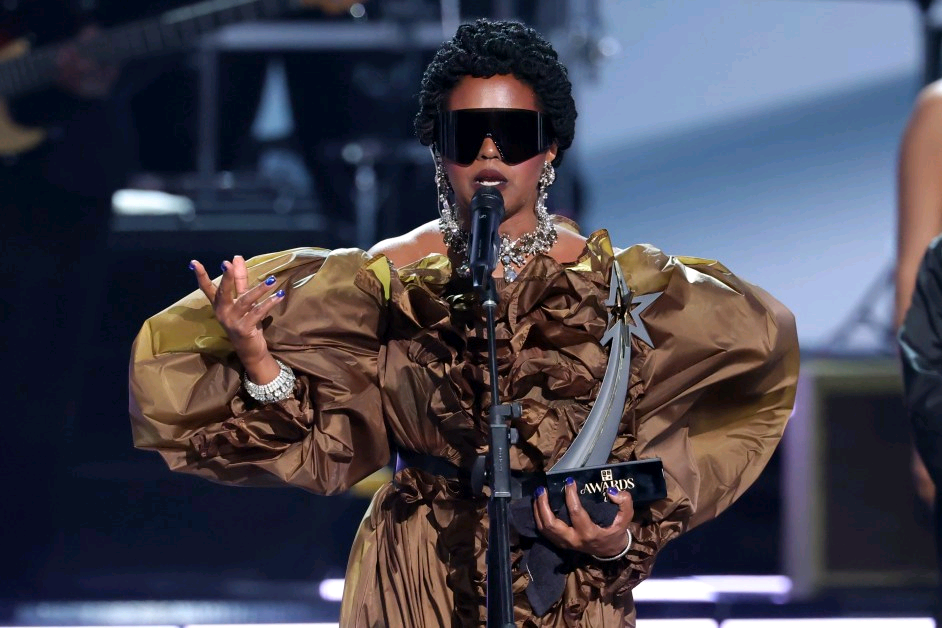
BET Awards Honours Lauryn Hill With Living Legend Icon Award
The adored vocalist, 51, released her groundbreaking album after becoming well-known as a member of The Fugees.
More Similar Videos

music,entertainment | Lerny Lomotey | October 27th, 2025
Showboy Shares His Journey From Prison To Becoming Ghana's Biggest Trapper
Comments