Dr. Aminarh Explores the Future of Fat Harvesting and Donation


During a captivating discussion on 3Music TV's Big Conversation, Dr. Chris Aminarh explored the future of procedures like Brazilian Butt Lifts (BBLs), as well as some unconventional and controversial methods that have emerged in recent years. One particularly intriguing concept that emerged from the conversation was the potential for fat donation programs, a futuristic-sounding idea that could reshape the way cosmetic surgeries are approached.
In the current landscape of cosmetic surgery, BBLs are popular for their ability to enhance body contours by using a patient's own fat. The fat is harvested through liposuction from areas like the abdomen, thighs, or flanks, and then reinjected into the buttocks for a fuller, more sculpted appearance. This approach is preferred because using the patient's own fat reduces the risks associated with foreign materials, such as implants or synthetic fillers, making it a more natural and safer alternative. However, Dr. Aminarh noted that as the demand for these types of surgeries grows, the concept of fat donation could come into play.
Fat donation programs would potentially allow people to donate their fat to others in need of body enhancement, with compatibility based on genetic factors. This idea is not far from current practices like organ donation, where genetic compatibility plays a crucial role in the success of transplants. If such a program were to be developed, it could offer a new avenue for patients who don’t have sufficient fat for procedures like BBLs or other body contouring surgeries.
While the idea of fat donation sounds promising, it raises significant ethical and medical concerns. Dr. Aminarh acknowledged that such a program would need to be highly regulated to ensure that donations are safe, voluntary, and conducted under strict medical supervision. The possibility of exploitation or the commodification of human fat could create a range of ethical dilemmas. Furthermore, there are concerns about the potential for misuse, especially if the process becomes commercialized or if individuals were pressured into donating fat for financial gain.
There would also be medical challenges to overcome. Fat transfer procedures, even when performed with the patient's own fat, are not without risks. These can include fat embolism (a life-threatening condition where fat enters the bloodstream) or uneven results. The complexities of transferring fat from one individual to another could introduce new risks, including rejection or complications associated with immune responses, much like organ transplants.
Dr. Aminarh highlighted that while fat donation within families might be a plausible future direction, the current trend of seeking more immediate and unregulated methods is deeply troubling. Some individuals, desperate for a quick fix, have turned to dangerous alternatives like animal fat injections. This illegal and risky practice has led to catastrophic outcomes, including infections, allergic reactions, and even death. The doctor strongly cautioned against these procedures, emphasizing that fat injections from non-human sources are not only unsafe but also lack the necessary medical oversight to ensure the patient’s well-being.
Such procedures are not only dangerous but also illegal in many countries. The appeal of these methods often lies in their lower cost and perceived effectiveness, but the consequences can be life-altering. Dr. Aminarh underscored the importance of choosing regulated, professional cosmetic surgery practices that adhere to safety standards and ethical guidelines.
As society continues to embrace aesthetic enhancements, the future of cosmetic surgery may include innovations such as fat donation programs, but this will require careful thought and regulation. The growing interest in body modification procedures—fueled in part by social media, celebrity culture, and an increasing desire to meet certain beauty ideals—has driven cosmetic surgery into the mainstream. However, as Dr. Aminarh pointed out, we must be cautious about the direction in which these practices evolve. While innovation in cosmetic surgery is essential, it must be tempered with a commitment to safety, ethics, and long-term patient care.
The broader conversation about body image and self-acceptance is also part of this complex dialogue. As more individuals turn to surgeries like BBLs to achieve the “ideal” body shape, experts are urging a societal shift toward embracing natural beauty and promoting a healthier, more inclusive approach to aesthetics. Whether fat donation programs will become a reality or remain a speculative idea is yet to be seen, but Dr. Aminarh’s insights underscore the need for careful consideration as the cosmetic surgery field continues to expand.
In conclusion, the concept of fat donation programs, while intriguing, raises significant medical, ethical, and safety questions. As the demand for body enhancements grows, procedures like BBLs and the potential for fat donation may redefine the future of cosmetic surgery—but only if the industry remains committed to patient safety, transparency, and responsible practices.
Sign up for the 3Music Newsletter for breaking news, events, and unique stories.
MORE FROM
music
-

music entertainment culture
Stonebwoy Pledges Annual Free Concert For Nsawam Prison Inmates
By Christabel Newman
April 15th, 2026
-

music entertainment culture
Usher and Chris Brown Set Stadium Run In Motion With Official Dates And Venues Release
By Christabel Newman
April 15th, 2026
-

music entertainment culture
Black Sherif Set To Release POPSTAR Official Video
By Christabel Newman
April 14th, 2026
-
fashion & lifestyle culture
“You Can Insert The Female Condom Hours Before You Have Sex” -Dr. Christian Aminarh
By Christabel Newman
April 14th, 2026
-
music entertainment culture
Killbeatz Earns Official Grammy Recognition For Contribution To Ed Sheeran’s ÷ DIVIDE Album
By Christabel Newman
April 14th, 2026
More From 3Music News

entertainment | sports | culture | BY Christabel Newman | April 14th, 2026
Teen Sprint Sensation Gout Gout Sets New Under-20 200m World Record
Eighteen-year-old Australian sprinter, Gout Gout, has announced himself on the global athletics stage in emphatic fashion, clocking a historic 19.67 seconds in the 200 metres to set a new world under-20 record...

entertainment | sports | culture | BY Christabel Newman | April 14th, 2026
Carlos Queiroz Appointed Black Stars Head Coach Ahead Of 2026 World Cup
The 73-year-old Portuguese tactician takes over from Otto Addo and is expected to lead Ghana into a new era, bringing with him decades of experience at the highest level of international football...

music | entertainment | culture | BY Christabel Newman | April 13th, 2026
Meet Jelanee, The Rising Voice Turning Emotions Into Music
Her song MY TYPE explores the confusion of liking someone who gives mixed signals. “It’s about feeling something strong for someone and they say they feel the same but their actions don’t match,” she explained…
entertainment | culture | BY Christabel Newman | April 13th, 2026
Chef Abbys’ Journey From Campus Hustle To Culinary Influence
Growing up in a home where “everybody cooks,” her love for food developed early. But it wasn’t until university that things began to take a more serious turn.
entertainment | fashion & lifestyle | culture | BY Christabel Newman | April 13th, 2026
Official Nak Partners With Sneaker Peak Ahead Of Accra Store Launch
Ghanaian creative, Official Nak, has officially entered a creative direction partnership with rising sneaker retail brand, Sneaker Peak…

music | entertainment | culture | BY Christabel Newman | April 13th, 2026
Queendalyn Yurglee Releases Debut Album CLOUDS OF GLORY
Gospel artiste, Queendalyn Yurglee, has officially released her highly anticipated debut album CLOUDS OF GLORY, marking a significant milestone in her music ministry...

music | entertainment | fashion & lifestyle | culture | BY Christabel Newman | April 13th, 2026
Dannygfc Joins Dancegod Lloyd For African Tour
Ghanaian dancer, Dannygfc, is set to join renowned choreographer, Dancegod Lloyd, for an upcoming African tour scheduled to run from May 12th to May 14th, 2026...

music | entertainment | culture | BY Christabel Newman | April 13th, 2026
Gyakie Visualises WANT IT
Ghanaian songstress, Gyakie, has unveiled a new visualizer for her track WANT IT, bringing fresh visual expression to one of the standout songs from her debut album AFTER MIDNIGHT...

music | entertainment | culture | BY Christabel Newman | April 13th, 2026
Tems And Wizkid Light Up Coachella 2026
One of the defining moments of the festival came when Justin Bieber surprised fans by bringing Tems and Wizkid on stage during his set...

music | entertainment | culture | BY Christabel Newman | April 12th, 2026
Usher And Chris Brown Announce RAYMOND & BROWN TOUR
R&B lovers around the world are in for a historic moment as Usher and Chris Brown officially announce a joint tour titled the RAYMOND & BROWN TOUR...
entertainment | fashion & lifestyle | culture | BY Christabel Newman | April 10th, 2026
Creative DNA Ghana Fashion Accelerator 2026 Launched In Accra
The 16-week programme, running from April to July 2026, will support 50 mid-career Ghanaian designers and fashion business owners...
music | entertainment | culture | BY Christabel Newman | April 10th, 2026
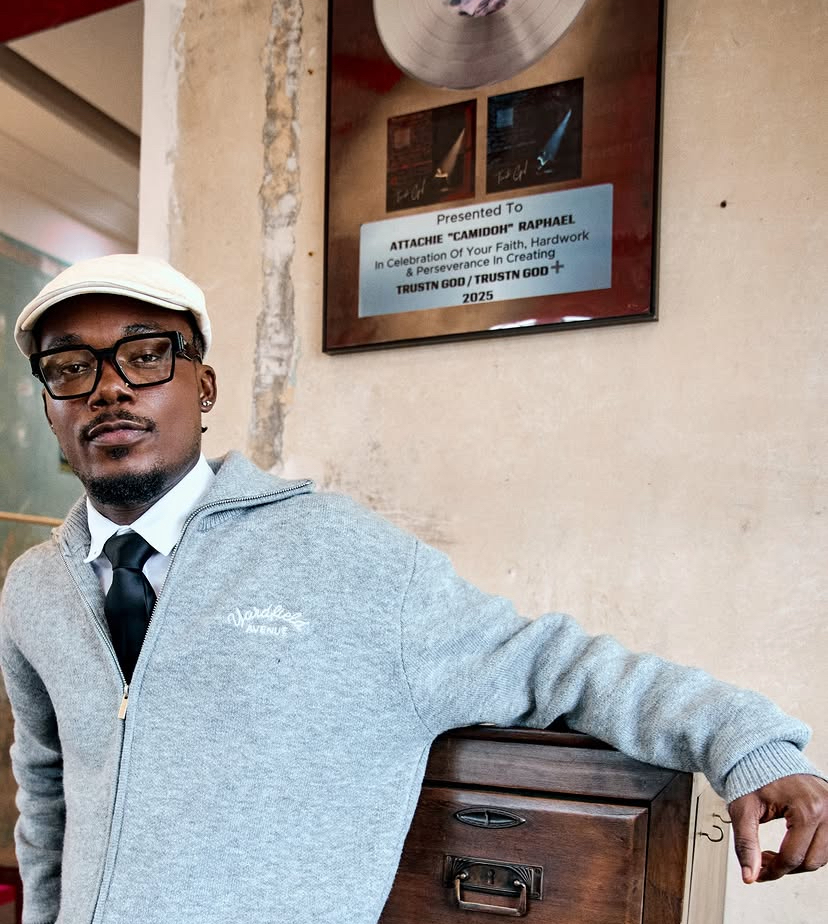
“I Don’t Feel Threatened By A.I…You Have To Catch Up With The Evolution” -Camidoh
“There’s an Afrohouse song I made with Nektunez, twisted it around and gave it to A.I… I want to release that song.”
More Similar Videos

music,entertainment | Lerny Lomotey | October 27th, 2025
Showboy Shares His Journey From Prison To Becoming Ghana's Biggest Trapper
Comments