Dr Chris Aminarh Speaks On The Emotional Reality Of Saving Lives


Behind the calm composure of doctors and nurses lies a deeply intense and emotionally demanding reality, one that many patients and the public rarely see.
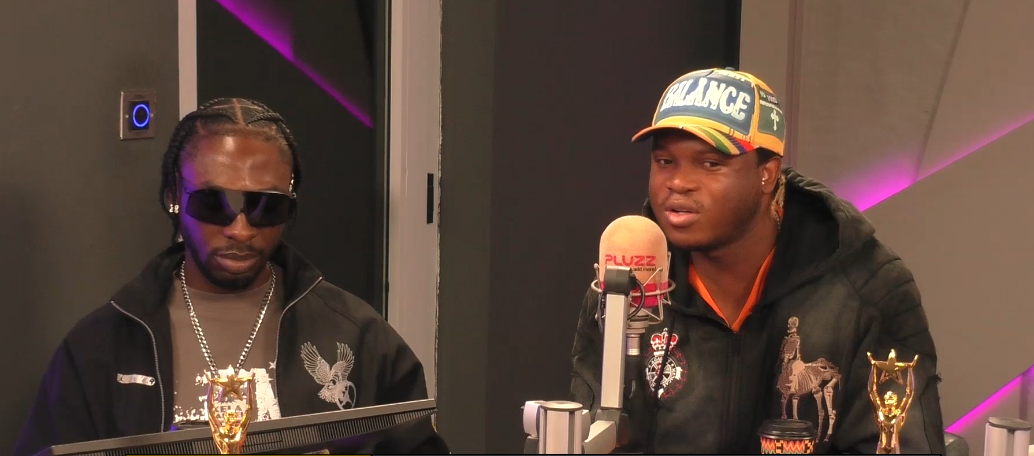
Speaking on Culture Daily, medical practitioner, Dr Chris Aminarh shared insight into the psychological weight of their profession, revealing that the perception that doctors “don’t care” is far from the truth.
According to Dr Chris, emotional control is not a lack of empathy, but a survival mechanism.
“When a patient passes, you can’t just stop,” he explained. “You still have other patients to attend to. You have to keep moving.”
This need to compartmentalize emotions is critical in high-pressure environments such as emergency wards, where life-and-death decisions are made within seconds. Doctors are trained not only to treat patients but also to manage grief both their own and that of patients’ families.
Breaking bad news, for instance, is not left to instinct. It is a skill taught formally in medical school, complete with protocols on communication, positioning and even personal safety.
“You’re taught where to sit, how to speak and how to respond to reactions,” Dr Chris revealed. “Sometimes, you even position yourself near the door in case a situation escalates.”
Beyond communication, the unpredictability of medical cases adds another layer of stress. No two days are ever the same and even during seemingly quiet shifts, healthcare workers remain mentally prepared for sudden emergencies.
The emotional toll intensifies in critical moments especially when a life cannot be saved. Dr Chris described the moment of declaring a patient dead as one of the most difficult parts of the job.
“It hits you immediately. You start questioning yourself did I miss something? Could I have done more?” he shared.
Despite these challenges, there is rarely enough time to process these emotions fully. Many practitioners are forced to move on quickly, carrying unresolved feelings into their next case.
Although counseling services exist in some facilities, heavy workloads and staff shortages often make it difficult for healthcare workers to access them consistently.
In the end, the job demands more than clinical expertise it requires emotional resilience, mental discipline and an unwavering commitment to saving lives, even in the face of loss.
Sign up for the 3Music Newsletter for breaking news, events, and unique stories.
MORE FROM
fashion & lifestyle
-

culture
Speaker Bagbin Assures Chief Imam Of Passing Anti-LGBTQ+ Bill
By Angela Kuffour
July 30th, 2026
-

culture
Agbogbloshie Traders Call On Gov't To Fix Muddy Market Roads
By Angela Kuffour
July 30th, 2026
-

culture
Government Accepts Five-Year Presidential Term Under Proposed Constitutional Reforms
By Joshua Narh
July 30th, 2026
-

culture
Government Backs Proposal to Allow Dual Citizens to Contest Parliamentary Elections
By Joshua Narh
July 30th, 2026
-

culture
Gov’t Supports November 1 Presidential Elections In Constitutional Reform Proposals
By Joshua Narh
July 30th, 2026
More From 3Music News

fashion & lifestyle | BY Joshua Narh | July 30th, 2026
Launch Of Free The Youth X Jordan Collection Slated For August 1
The group who appeared on Culture Daily morning show on 3Music TV and Pluzz 89.9 FM said the launch follows years of collaboration with the global sportswear brand and represents another milestone for the Ghanaian creative collective.
entertainment | fashion & lifestyle | BY Joshua Narh | July 30th, 2026
Free The Youth Confirms Debut Album After Five Years In Development
The project will add to Free The Youth’s growing list of creative ventures, following previous music collaborations, including work with rapper Kwesi Arthur.

culture | BY Joshua Narh | July 30th, 2026
Attorney-General To Challenge Sedina Tamakloe Acquittal At Supreme Court
The statement said the Republic opposed the appeal at the Court of Appeal through written submissions, arguing that the appeal lacked merit and should be dismissed.

culture | BY Joshua Narh | July 30th, 2026
Court Of Appeal Acquits Former MASLOC CEO Sedina Tamakloe Attionu
In a unanimous decision delivered on Thursday, the three member panel ruled that the prosecution failed to prove its case beyond reasonable doubt.

culture | BY Joshua Narh | July 29th, 2026
YEA Launches Nationwide Campaign To Promote Safe, Legal Labour Migration
The campaign, which is being implemented through YEA's Labour Exchange Programme, aims to raise awareness about the risks associated with irregular migration, including exploitation, human trafficking and unsafe working conditions.

culture | BY Angela Kuffour | July 29th, 2026
Parliament Passes New Customs Bill To Boost Revenue Mobilization
The Bill is expected to combat smuggling, illicit trade, and other customs-related offences, expedite customs procedures, and align Ghana's customs regime with international best practices.

culture | BY Joshua Narh | July 29th, 2026
National Power Interruption Caused By System Disturbance - GRIDCo
In a statement issued on 29 July 2026, GRIDCo said the power system disturbance occurred at about 3:11 a.m., leading to interruptions in electricity supply across parts of the country.

music | BY Joshua Narh | July 29th, 2026
Kweku Flick Teases New Single FRANGO
The teaser, posted across his social media platforms, features a short snippet of the song alongside visuals hinting at the project's direction.

culture | BY Joshua Narh | July 29th, 2026
Ghana, Gabon Look To Boost Trade And Investment Through AfCFTA
The talks, held at the Jubilee House on Tuesday as part of President Oligui Nguema’s three-day official visit to Ghana, focused on turning the two countries’ longstanding political ties into stronger economic partnerships.

culture | BY Joshua Narh | July 29th, 2026
FDA Seizes Contaminated Fish After Buzstopboys Raises Concerns Over Tema New Town Processing Site
The operation comes days after BuzStopBoys released a video showing fish being dried directly on the ground, exposed to sand, refuse, open defecation, and other contaminants while people moved through the processing area.

culture | BY Joshua Narh | July 28th, 2026
Buzstopboys Raises Public Health Concerns Over Fish Processing In Tema
The footage, which was shared across BuzStopBoys’ social media platforms, has attracted widespread public attention, with many Ghanaians questioning the hygiene standards under which some fish is processed before reaching the market.

music | entertainment | fashion & lifestyle | culture | BY Walter Sena | July 27th, 2026
Smoove Hangout 3.0 Delivers an Unforgettable Weekend of Games, Music and Community
The weekend came alive as Smoove Hangout 3.0 took over Nexus 9 Lounge & Spaces on Saturday, bringing together young people, creators, music lovers and entertainment enthusiasts for an unforgettable day and night of fun, networking and celebration.
Comments