A New Dawn For Brands, Advertising Companies, Filmmakers And Distribution - Juliet Yaa Asantewaa Asante Writes

There are moments when you watch a film and realize you are not just watching entertainment — you are watching an industry shift happen in real time.
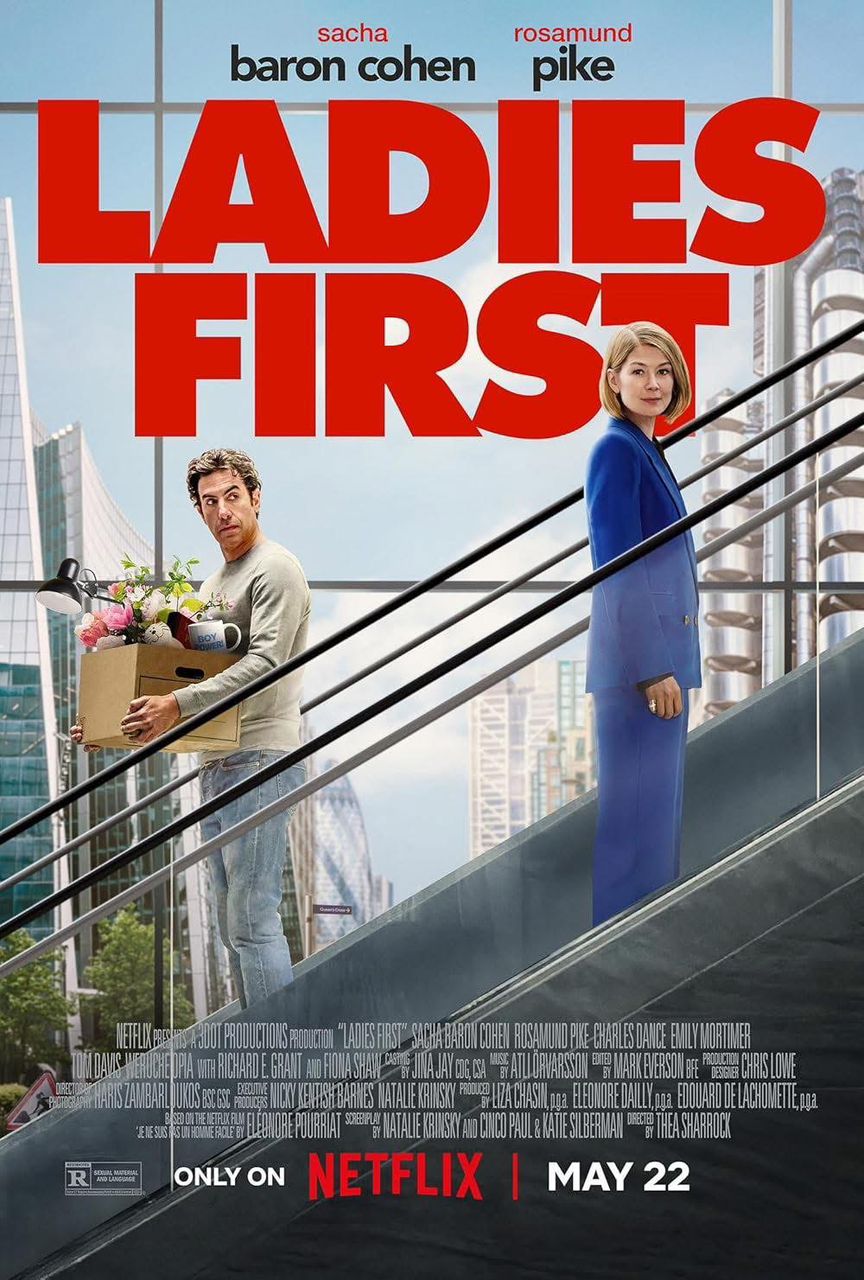
That was my experience watching Ladies First on Netflix.
At first glance, it is a simple satirical comedy. A group of men, led by one arrogant advertising executive, do not value or respect the role of women in society.
Then, within the first few minutes of the film, the lead character gets into an accident and wakes up in an alternate reality — a parallel world where gender roles are completely reversed.
Women now occupy the spaces of power, influence, and privilege, while men become the “gentler sex,” objectified, overlooked, and structurally disadvantaged.
The concept itself is clever. The film is funny, entertaining, progressive, and surprisingly sharp in the conversations it raises around power, gender, and society.
But that is not what fascinated me most.
What fascinated me most was Guinness.
Or more accurately — what Guinness represents in this moment.
Because Ladies First does not merely use Guinness as traditional product placement.
“As every other thing becomes generic, the brands brave enough to embrace expanded audience engagement and storytelling are the brands that may survive the future.” — Juliet Yaa Asantewaa Asante
The entire world of the film revolves around a Guinness campaign being developed by the fictional advertising agency at the center of the story. Guinness branding, Guinness conversations, Guinness positioning, Guinness imagery, Guinness energy — all deeply embedded into the narrative itself.
And suddenly I found myself realizing:
We may have entered a completely new dawn of advertising.
Now, product placement in films is not new. Brands have existed in cinema forever. We have all seen the soft drink on the table, the luxury car, the logo in the background, the hero wearing a particular watch.
But this feels fundamentally different.
This crosses the threshold from subtle product placement into full narrative storytelling.
And yet somehow — incredibly — it still feels tasteful.
The film never feels like an advert. It feels like a commercially polished, emotionally engaging film that simply happens to have Guinness embedded into its DNA.
That is the brilliance.
The audience is not being interrupted by advertising.
The audience is emotionally absorbing the brand through story.
And that changes everything.
What is even more fascinating is that this film sits within a much broader partnership between Guinness parent company Diageo and Netflix.
Alongside Ladies First, Netflix is also developing House of Guinness, a high-profile drama series from Peaky Blinders creator Steven Knight.
Suddenly it becomes clear that this is not random branding. This is strategic cultural positioning on streaming platforms at scale.
And honestly?
It is an extraordinarily smart move.
Because unlike traditional advertising, this film will live on Netflix for years.
A billboard disappears.
A radio commercial fades.
A television ad runs its cycle and dies.
But a streaming film lives.
People will keep discovering it.
Keep watching it.
Keep discussing it.
Keep emotionally connecting with it.
I finished watching the film and found myself still thinking about Guinness afterwards.
Not because someone shouted at me to buy Guinness.
But because Guinness had become emotionally attached to:
· humor,
· culture,
· modernity,
· conversation,
· entertainment,
· progressiveness,
· and social relevance.
That is no longer advertising in the traditional sense.
That is cultural embedding.
And I think African filmmakers, brands, streaming platforms, and advertising agencies should be paying very close attention.
Because for years filmmakers across Africa have been trying to explain to brands that film offers something deeper than sponsorship visibility.
Film offers emotional longevity.
Film allows audiences to voluntarily engage with a brand through story rather than through interruption.
And perhaps this moment finally gives us a global example everyone can point to.
For African filmmakers especially, this could be transformational.
Historically, our industry has depended heavily on:
· grants,
· fragmented private investment,
· government support,
· broadcaster financing,
· personal sacrifice,
· and unstable distribution systems.
But what happens when brands begin to see film itself as long-form advertising infrastructure?
What happens when:
· a telecom company funds a youth culture series,
· a bank backs a prestige drama,
· a beverage company drives a pan-African comedy,
· a tourism board finances historical epics,
· a wellness brand funds lifestyle storytelling,
· or a fintech brand embeds itself into aspirational African urban cinema?
Suddenly the financing conversation changes.
Because now the filmmaker is no longer merely asking for sponsorship.
The filmmaker is offering:
· cultural relevance,
· emotional audience engagement,
· long-tail visibility,
· streaming longevity,
· and brand storytelling.
And this matters even more now because audiences are fragmented across platforms, streaming services, social media, gaming, short-form content, and AI-generated media.
Traditional advertising is fighting harder and harder for seconds of attention.
Storytelling, however, still commands emotional time.
And in a world where AI and digital tools are making generic advertising cheaper and faster to produce every day, authentic storytelling may actually become more valuable — not less.
That is why I believe the brands brave enough to step into this space now may become the brands that dominate the future.
Because audiences are increasingly resistant to interruption.
But they still deeply love story.
Which means the future may belong to brands that stop advertising at people…
and start storytelling with them.
And this is where I think Africa has a unique advantage.
African storytelling is naturally emotional, communal, layered, musical, symbolic, humorous, and socially conscious.
We already understand how to tell stories that resonate deeply with people because storytelling is embedded into who we are culturally.
Which means African brands and filmmakers have an enormous opportunity here if they are willing to innovate together.
And perhaps this also places a challenge before advertising agencies.
Because agencies themselves must evolve.
The future may not simply belong to agencies that know how to buy media space.
It may belong to agencies that know how to:
· build worlds,
· shape culture,
· commission stories,
· understand streaming behavior,
· and emotionally position brands through entertainment.
And maybe that is why it is so symbolic that the heart of Ladies First is an advertising agency itself.
Almost as if the film is quietly telling the industry:
“This is where the future is going.”
Now, I should acknowledge that this is not the first time brands have touched African film.
There have been useful stepping stones.
MultiChoice’s Brand Studio in South Africa has produced branded content integrating sponsors into reality TV and docu-series.
In Nigeria, The Men’s Club — backed by Amstel Malta — positioned the brand as the drink of choice among affluent urban friends, while Your Excellency used telecom-backed integrations within its political satire world.
In Ghana, United Bank for Africa funded The Public Figure, a 13-episode series on REDTV, as well as the more recent 13 Kinds of Women.
These are not failures.
Far from it.
But they largely remain within the older model:
the brand appears, but you could remove it without breaking the plot.
What Ladies First does is different.
The brand is the engine of the story.
“Whether through direct financing, co-marketing commitments, narrative integration partnerships, or broader corporate collaboration with Netflix, Guinness’ presence in the film signals a new level of brand-story integration.” — Juliet Yaa Asantewaa Asante
I honestly wish I had been in the room when this project was first pitched.
The conversations between Guinness, Netflix, the creative team, the agencies, and the strategists must have been extraordinary.
Because whether through direct financing, co-marketing partnerships, production support, or larger strategic collaborations, this project demonstrates a level of integration that pushes the boundaries of what branded storytelling can become.
And I think this is only the beginning.
Moving forward, I hope brands across Africa watch this film carefully.
I hope filmmakers watch it carefully.
I hope advertising agencies watch it carefully.
I hope distributors and streaming platforms watch it carefully too.
Because this may represent one of the clearest examples yet of where cinema, advertising, streaming, distribution, and brand storytelling are all heading next.
And honestly?
Wow.
---
Juliet Yaa Asantewaa Asante is a Ghanaian filmmaker, creative entrepreneur, policy expert, lecturer, and cultural architect. She is the founder of the Black Star International Film Festival and creator of the
Africa Cinema Summit, two initiatives focused on expanding Africa’s film ecosystem, distribution networks, and global cultural influence.
A former CEO of Ghana’s National Film Authority, her work sits at the intersection of cinema, storytelling, policy, culture, and industry development across Africa and the diaspora.
Sign up for the 3Music Newsletter for breaking news, events, and unique stories.
MORE FROM
entertainment
-

-

culture
Minority Demands Explanation For Amendments to Anti-LGBTQ Bill
By Joshua Narh
June 2nd, 2026
-
-
culture
Mahama Says Ghana-South Africa Ties Remain Strong Despite Xenophobic Attacks
By Joshua Narh
June 2nd, 2026
-
More From 3Music News
entertainment | fashion & lifestyle | BY Angela Kuffour | June 1st, 2026
Malaysia Bars Under-16s From Signing Up On Social Media
The Malaysian Communications and Multimedia Commission announced on Monday that social media companies, such as Alphabet's YouTube, TikTok, and Meta Platforms' Facebook and Instagram, would have to verify users' ages using official records.

culture | BY Angela Kuffour | June 1st, 2026
Ignore 20% Fare Hike - GPRTU, GRTCC
The two transportation organizations insisted that the current approved fares continue to be in effect and asked commuters and the general public to ignore the reports.
culture | BY Angela Kuffour | June 1st, 2026
GTEC Warns Public Against 70 Urecognised Tertiary Institutions
When evaluating degrees, certificates, diplomas, and other academic credentials from these establishments, GTEC cautioned the public to proceed with caution.
music | entertainment | BY Joshua Narh | June 1st, 2026
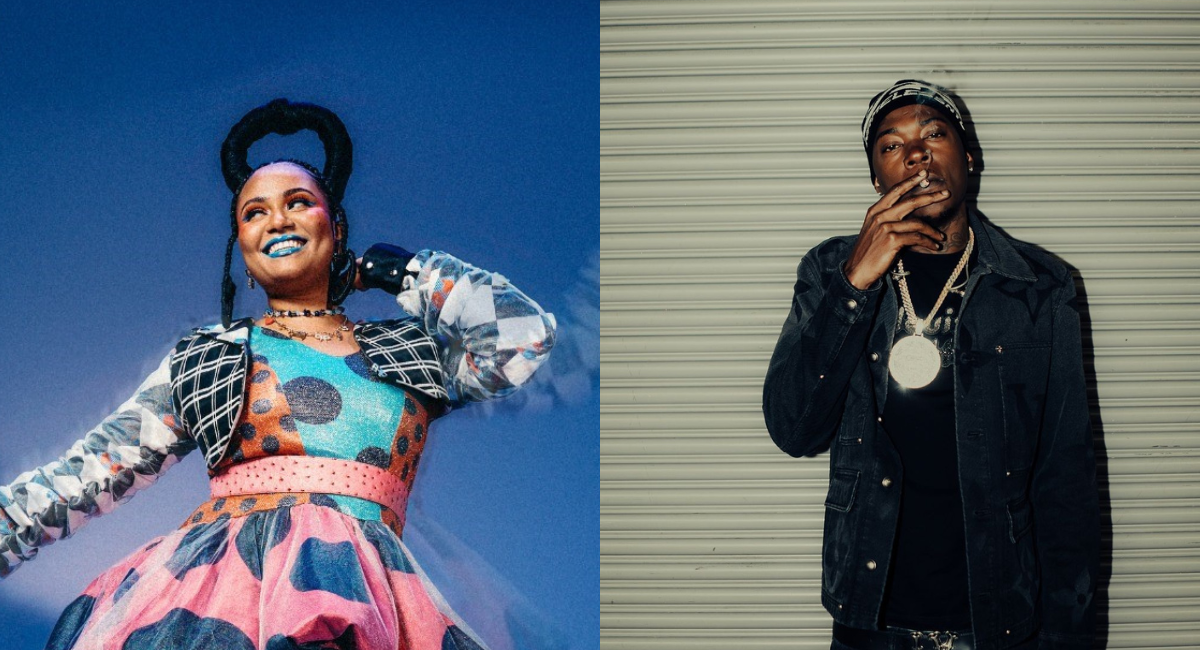
Moliy And Skillibeng Kick Off BADMAN SHE LOVE TOUR
The concert, held on May 30, marked the beginning of Skillibeng’s 20-city North American tour, with Moliy joining as the special guest performer throughout the run.
music | entertainment | BY Joshua Narh | June 1st, 2026
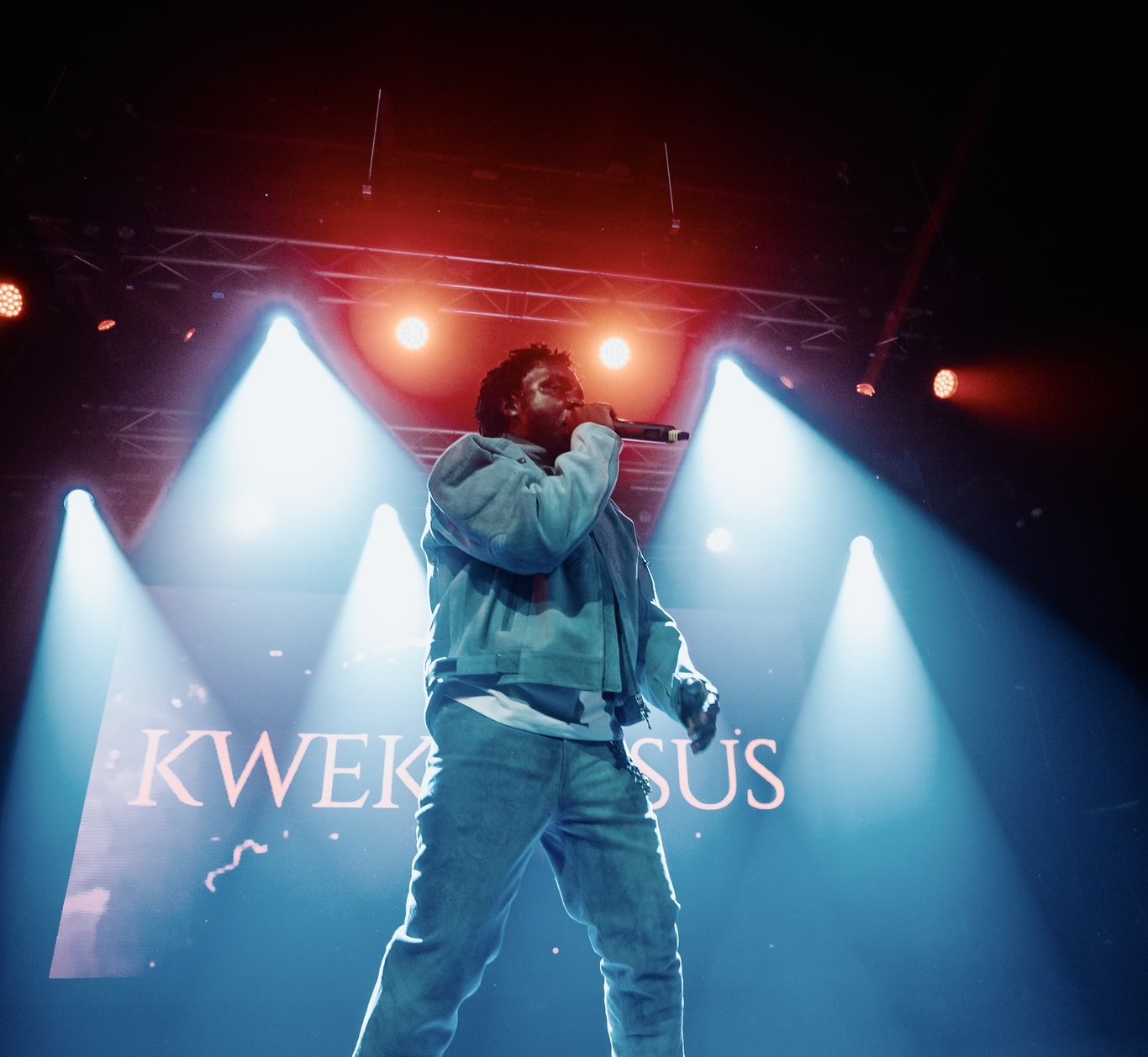
Kweku Smoke Hosts Star Studded Maiden UK Headline Concert
The highly anticipated Kweku Smoke & Friends Live concert took place on May 29, 2026, at the renowned Electric Brixton, attracting a strong turnout from fans, music lovers, and members of the Ghanaian diaspora who gathered to witness one of Ghana’s fastest-rising rap stars on an international stage.
music | entertainment | BY Angela Kuffour | June 1st, 2026
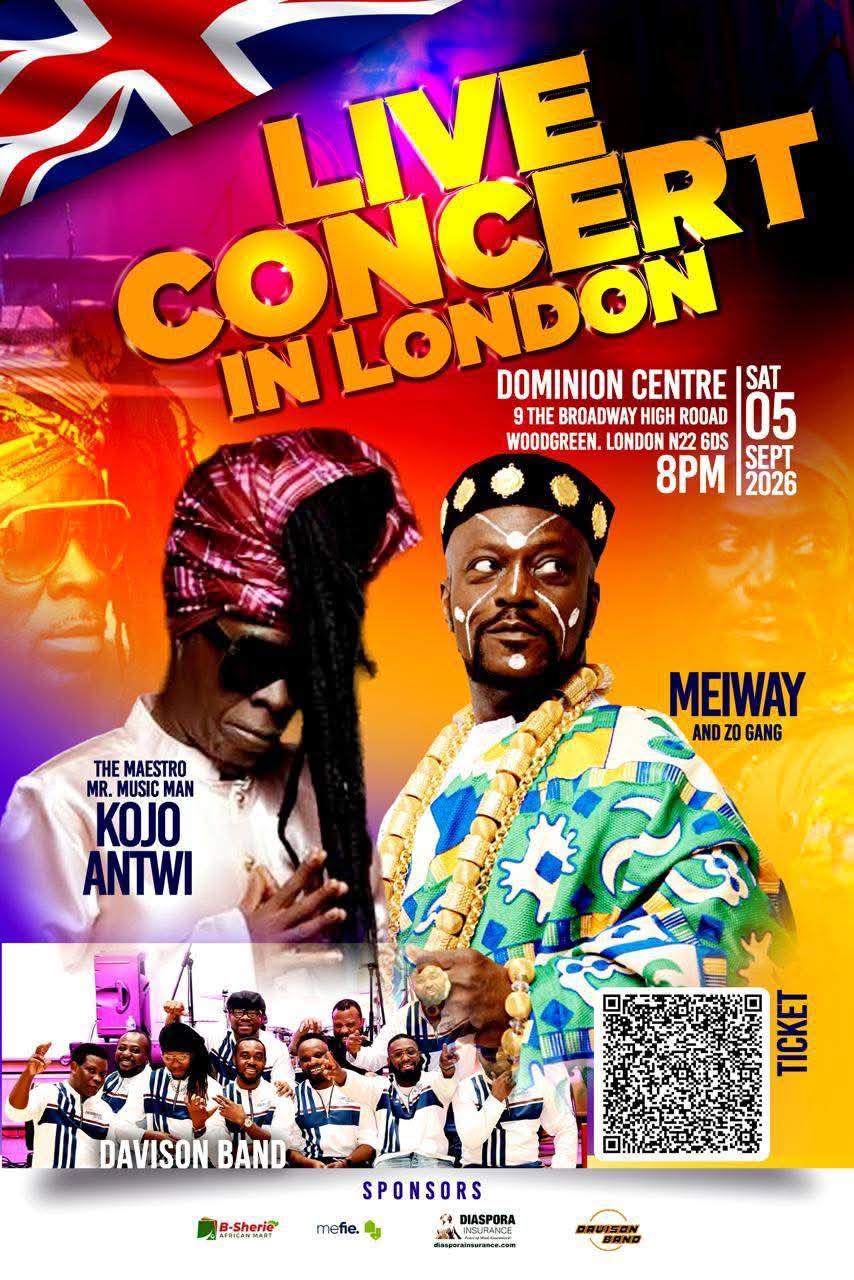
Kojo Antwi And Meiway To Headline A Live Concert In London
The much-anticipated event will take place at the Dominion Centre in London on Saturday, September 5, 2026.
entertainment | BY Joshua Narh | June 1st, 2026
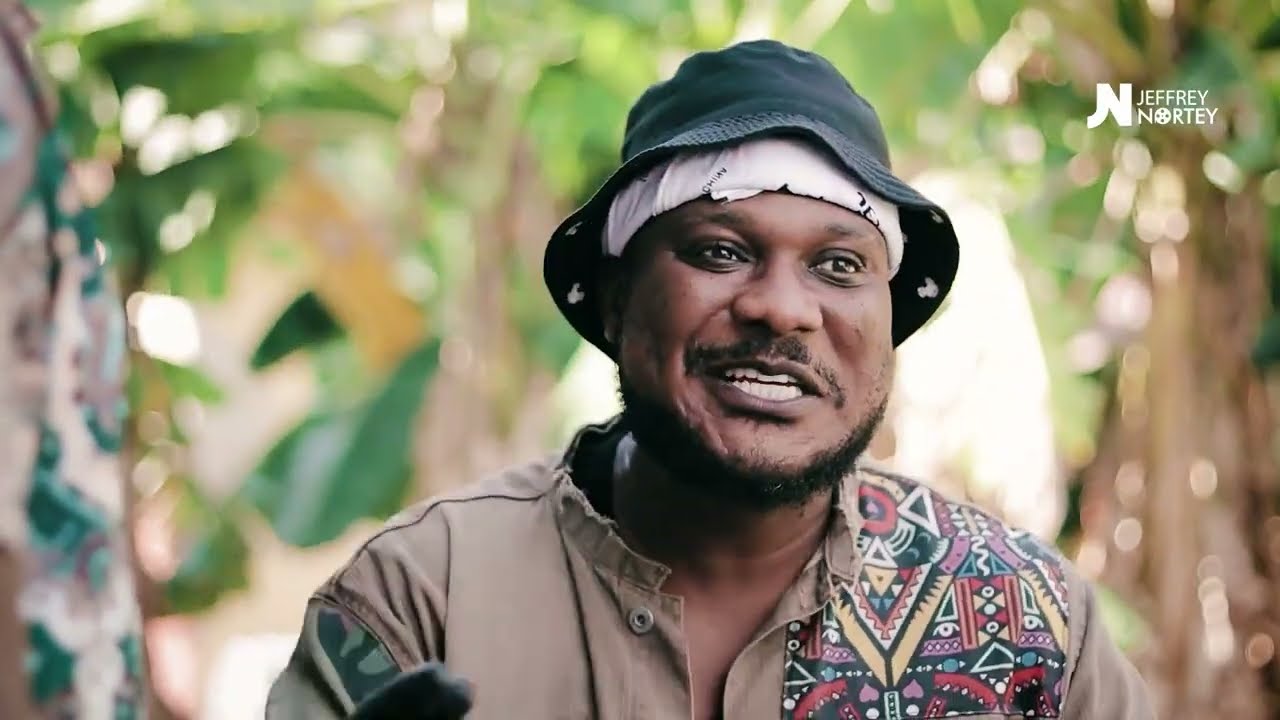
Jeffrey Nortey Reveals He Rejected Offers To Use Dragon Character In Films
Nortey argued that as the creator of the character, he understands Dragon better than any outside writer or filmmaker and wants to protect the personality and style that audiences have come to associate with the role.
entertainment | BY Joshua Narh | June 1st, 2026
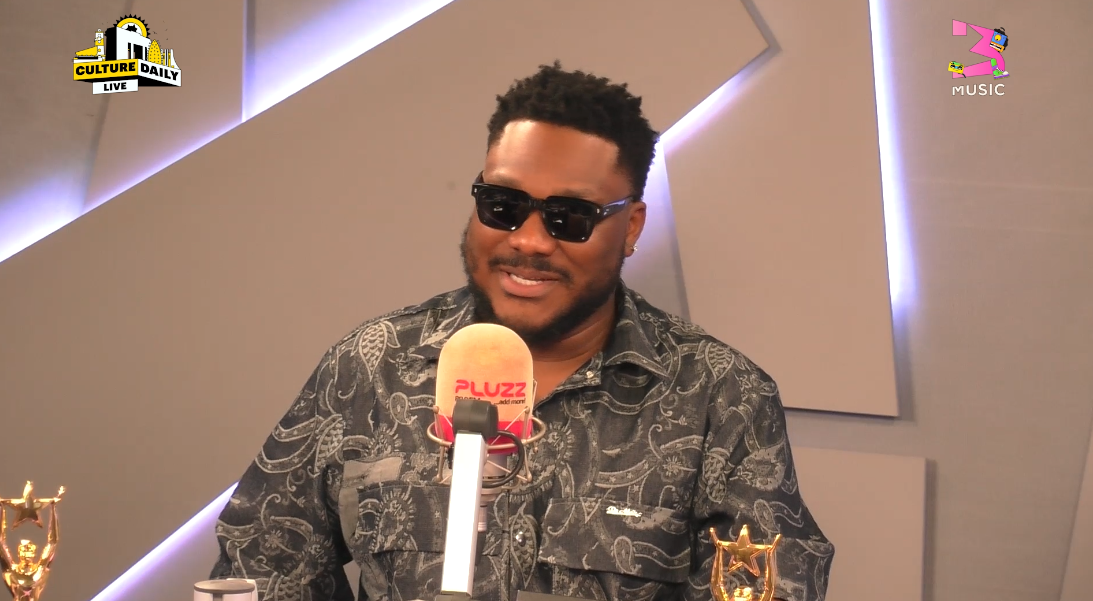
Jeffrey Nortey Says He Created Dragon Character To Break Industry Stereotypes
Speaking on Culture Daily on 3 Music TV, Nortey said he felt he was being typecast because of his appearance and personality.
entertainment | BY Joshua Narh | June 1st, 2026
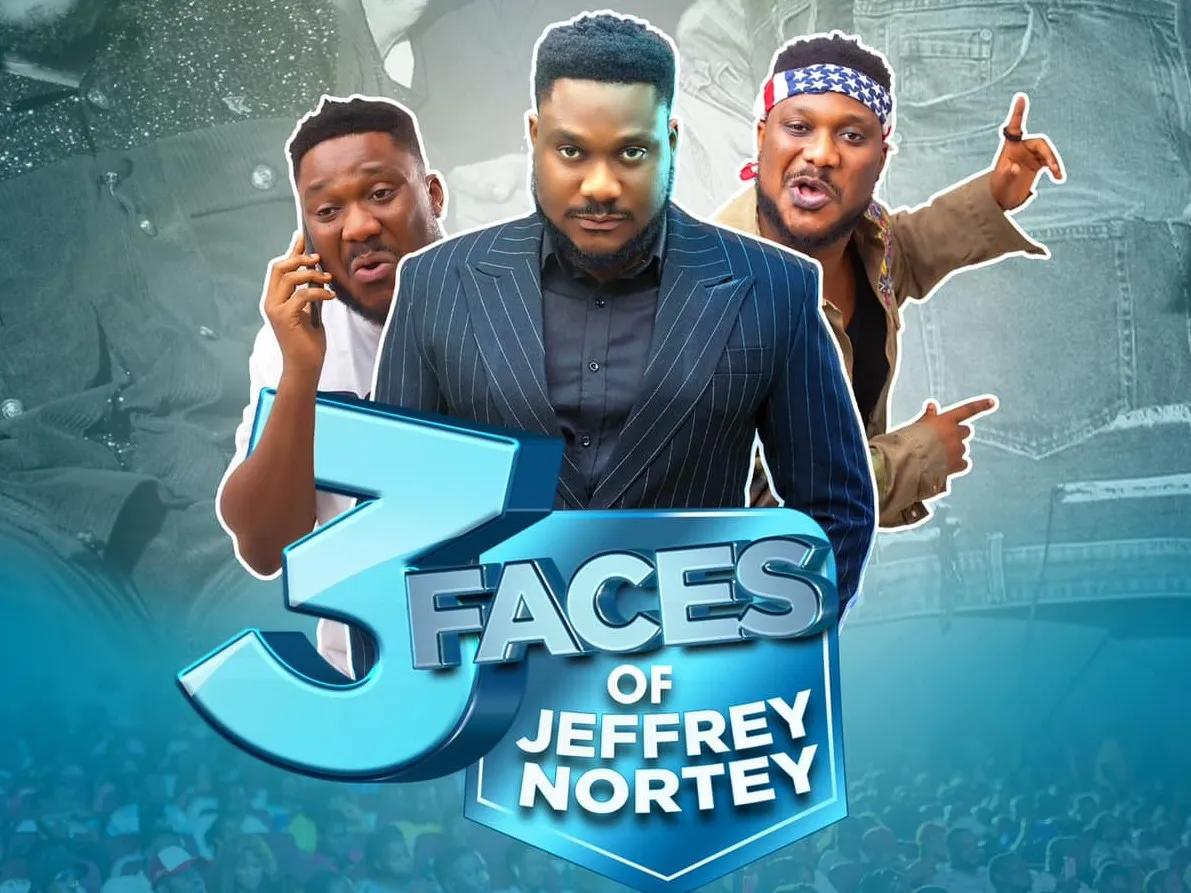
Jeffrey Nortey Returns With Expanded 3FACES OF JEFFERY NORTEY Show at National Theatre
Speaking on Culture Daily on 3 Music TV, Nortey said the show will feature a film segment, a live stage performance and appearances by Dragon, a character that has become one of his most recognisable creations.
entertainment | culture | BY Joshua Narh | June 1st, 2026
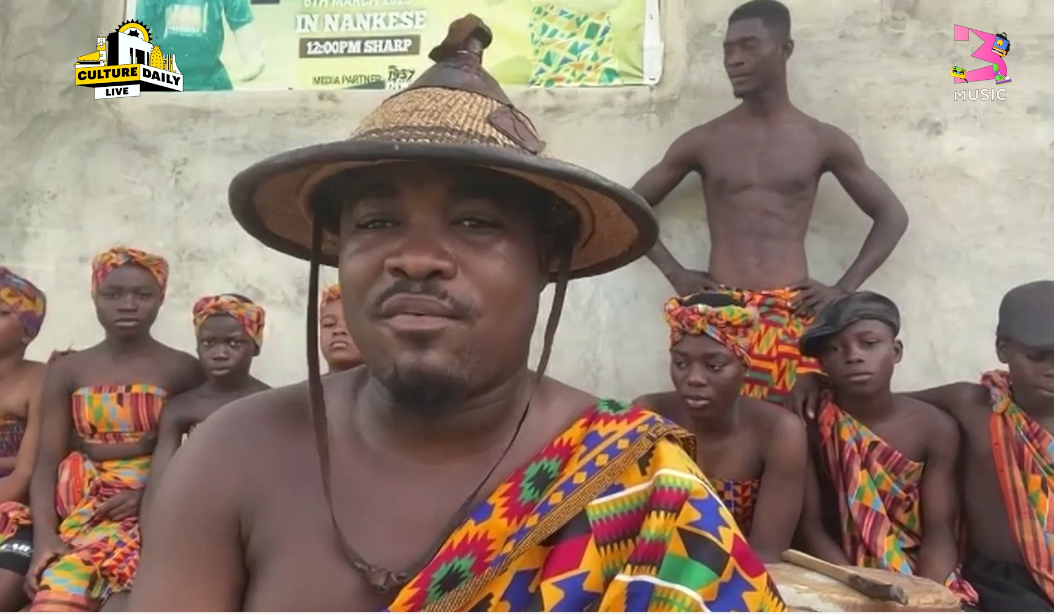
Arathepoet Appeals For Support For Youth Talent Centre In Nankese
Ara said one of the biggest challenges facing the project is the perception that talent development is not a viable pathway for young people.
sports | culture | BY Joshua Narh | June 1st, 2026
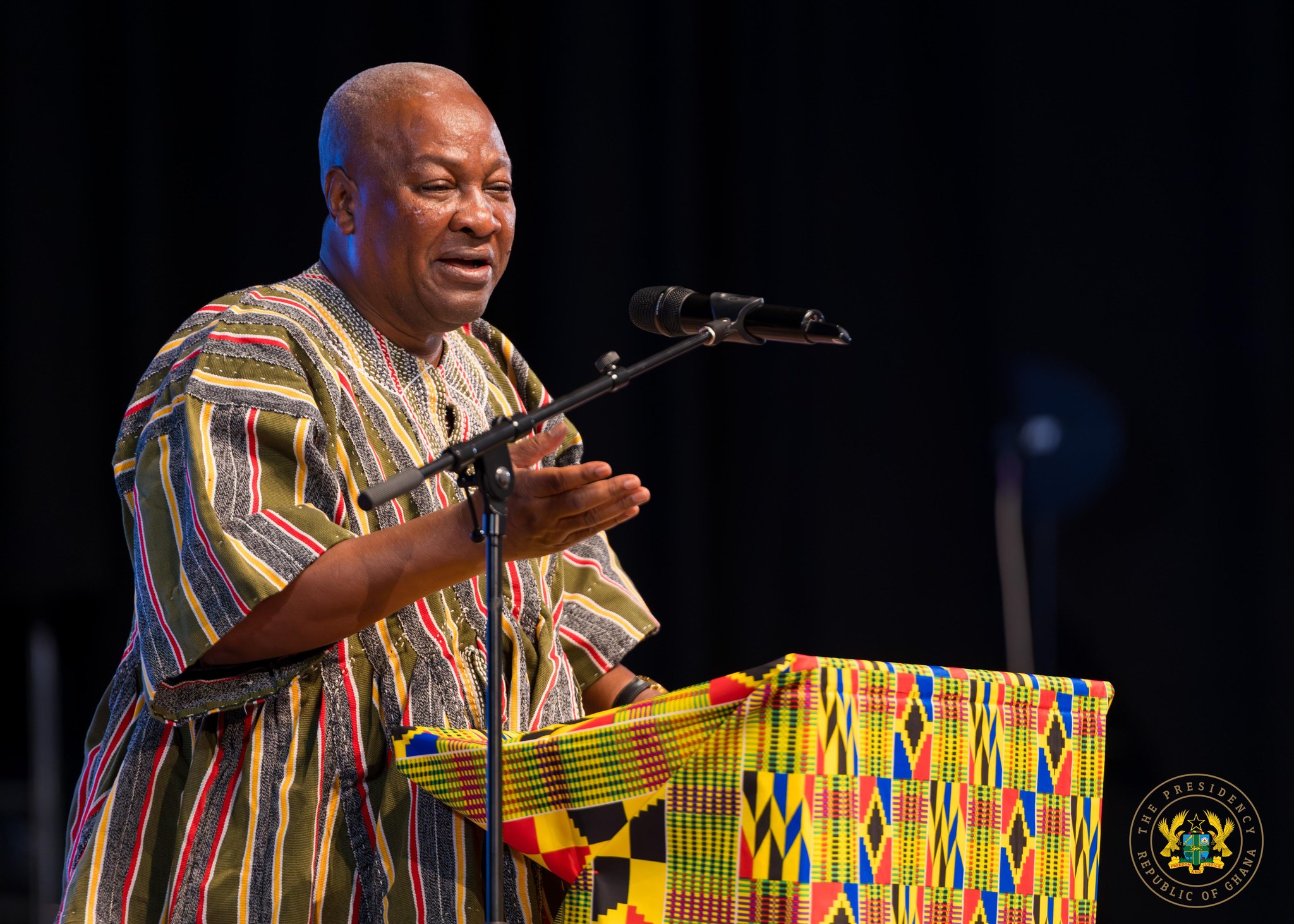
Mahama Rules Out State-Funded Fan Travel For 2026 World Cup
Speaking at a diaspora town hall meeting in London, President Mahama said it would cost nearly $11,000 to fully support one fan with travel, accommodation, feeding and match tickets, making such an arrangement unsustainable under current economic conditions.
culture | BY Joshua Narh | June 1st, 2026
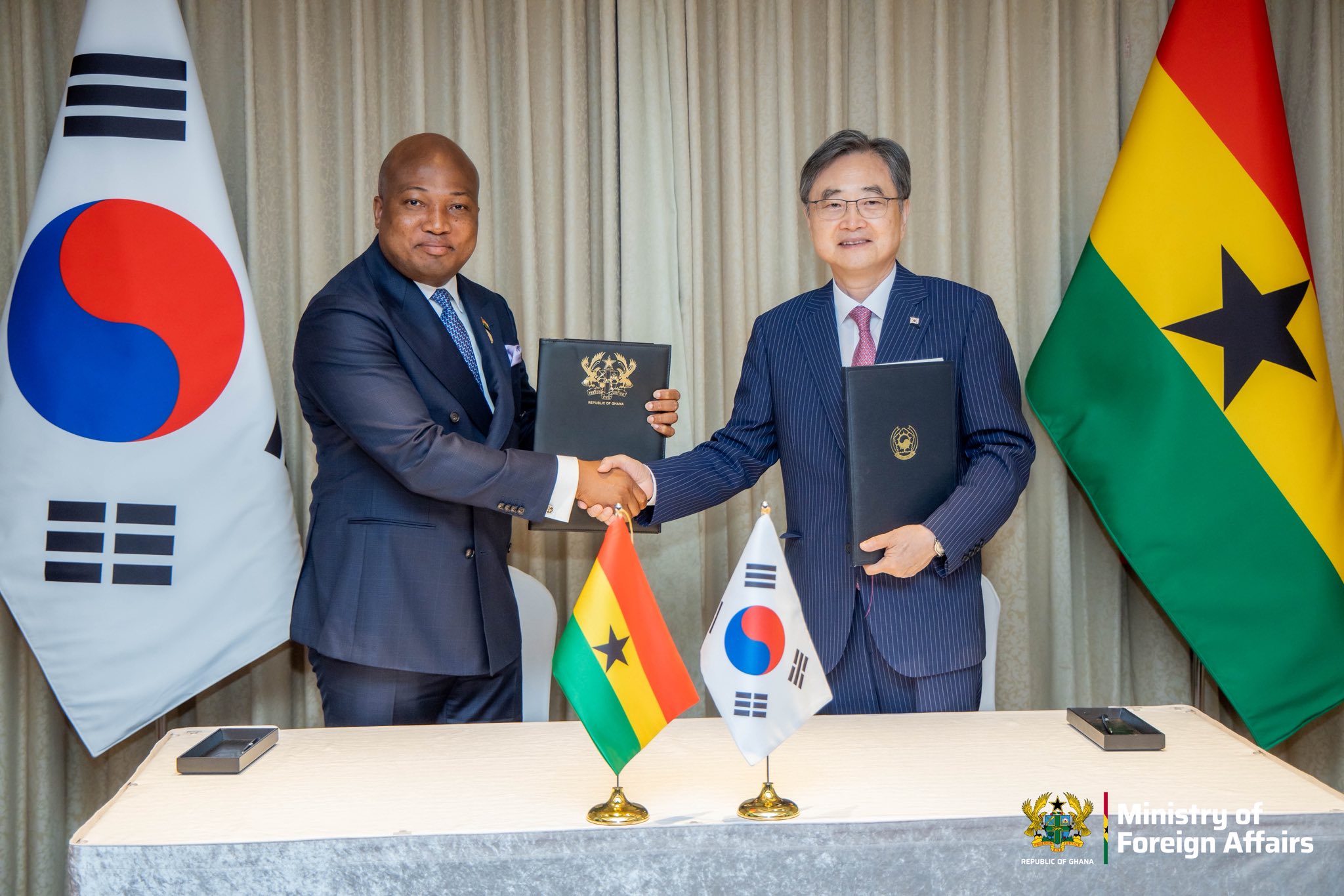
Ghana, South Korea Sign Visa Waiver Agreement
The agreement was signed by Ghana’s Minister for Foreign Affairs and Regional Integration, Samuel Okudzeto Ablakwa, and South Korea’s Foreign Minister, Cho Hyun, on the sidelines of the ongoing Africa-Korea Foreign Ministers Meeting.
More Similar Videos
music,entertainment | Lerny Lomotey | October 27th, 2025
Showboy Shares His Journey From Prison To Becoming Ghana's Biggest Trapper
Comments