Bullgod Opens Up On Rebuilding Shatta Wale’s Career After The Bandana Era

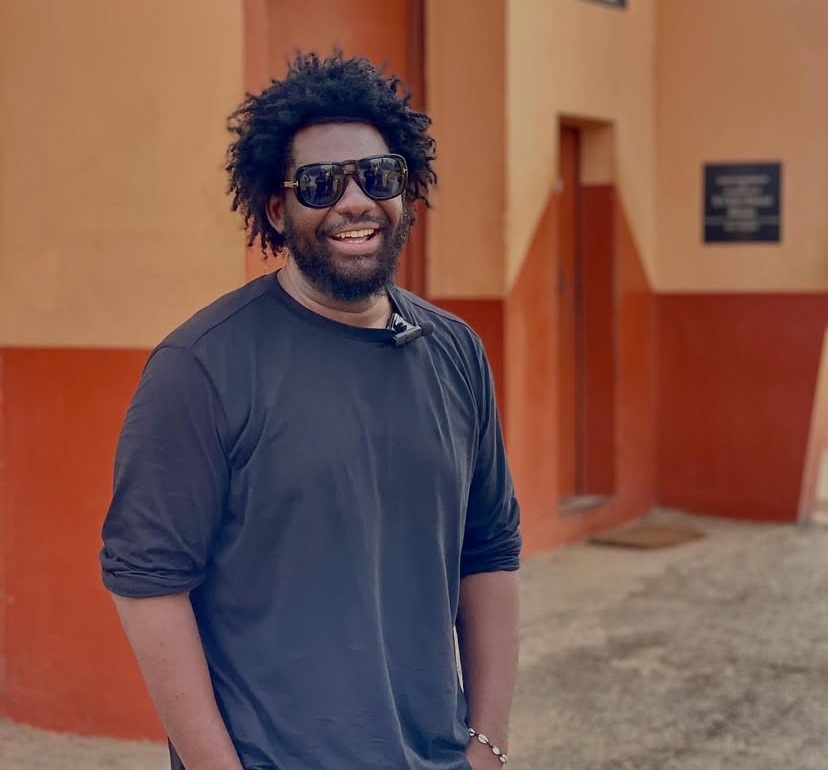
Music executive, Bullgod, has opened up about the early stages of rebuilding the career of dancehall star Shatta Wale after his transition from the Bandana era.
Speaking in a conversation with media personality Kafui Dey, Bullgod explained that some groundwork had already been laid before their team stepped in.
According to him, Shatta Wale had already recorded the song DANCEHALL KING, which had started gaining traction at the time.
“They had started some sort of work before they came to us because the song DANCEHALL KING was already making waves,” he said.
Bullgod revealed that his team helped take the momentum further by shooting the music video for the song, which became a key moment in introducing the artiste’s new identity to the public.
“That was the first time people could really place a face to the name Shatta Wale,” he explained.
At the time, Bullgod noted that Shatta Wale was facing significant challenges with the media due to controversies from his earlier career as Bandana.
“He had his own issues with the media back when he was Bandana. The place was a bit spoiled, so we had to repair that relationship,” he said.
Bullgod said the team relied heavily on their existing relationships in the industry to help rebuild the artiste’s public image. Having previously worked with groups like VIP and 5Five, they leveraged their goodwill with media personalities to reintroduce Shatta Wale to the public.
Despite skepticism from some industry players at the time, Bullgod said the team remained confident in the artiste’s potential.
“There were people questioning what we were doing with him because of the rumours surrounding him,” he recalled.
However, Bullgod described Shatta Wale as a very different person away from the spotlight.
“He’s actually a sweet and funny guy. If you spend 24 hours with him, you’ll probably be laughing for 23 of those hours,” he said.
He added that while the musician can be strongly opinionated and sometimes resistant to opposing views, he remains easygoing in everyday interactions.
Bullgod’s remarks shed light on the strategic efforts behind Shatta Wale’s resurgence, which eventually led to him becoming one of Ghana’s most influential dancehall artistes.
Sign up for the 3Music Newsletter for breaking news, events, and unique stories.
MORE FROM
music
-
culture
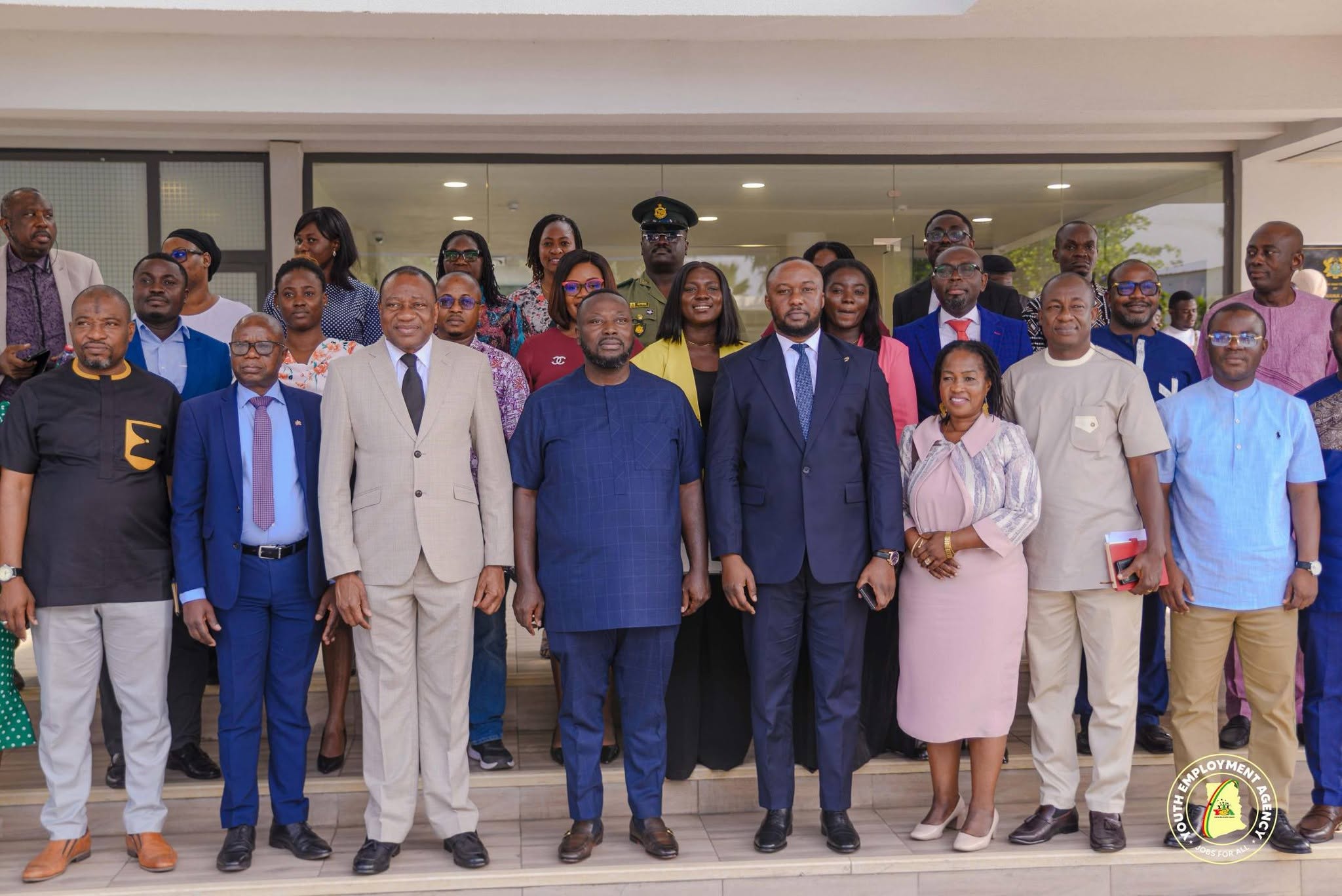
YEA Launches Nationwide Campaign To Promote Safe, Legal Labour Migration
By Joshua Narh
July 29th, 2026
-
culture
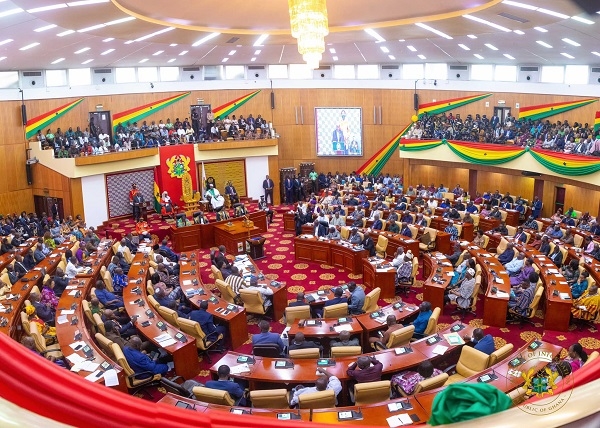
Parliament Passes New Customs Bill To Boost Revenue Mobilization
By Angela Kuffour
July 29th, 2026
-
culture
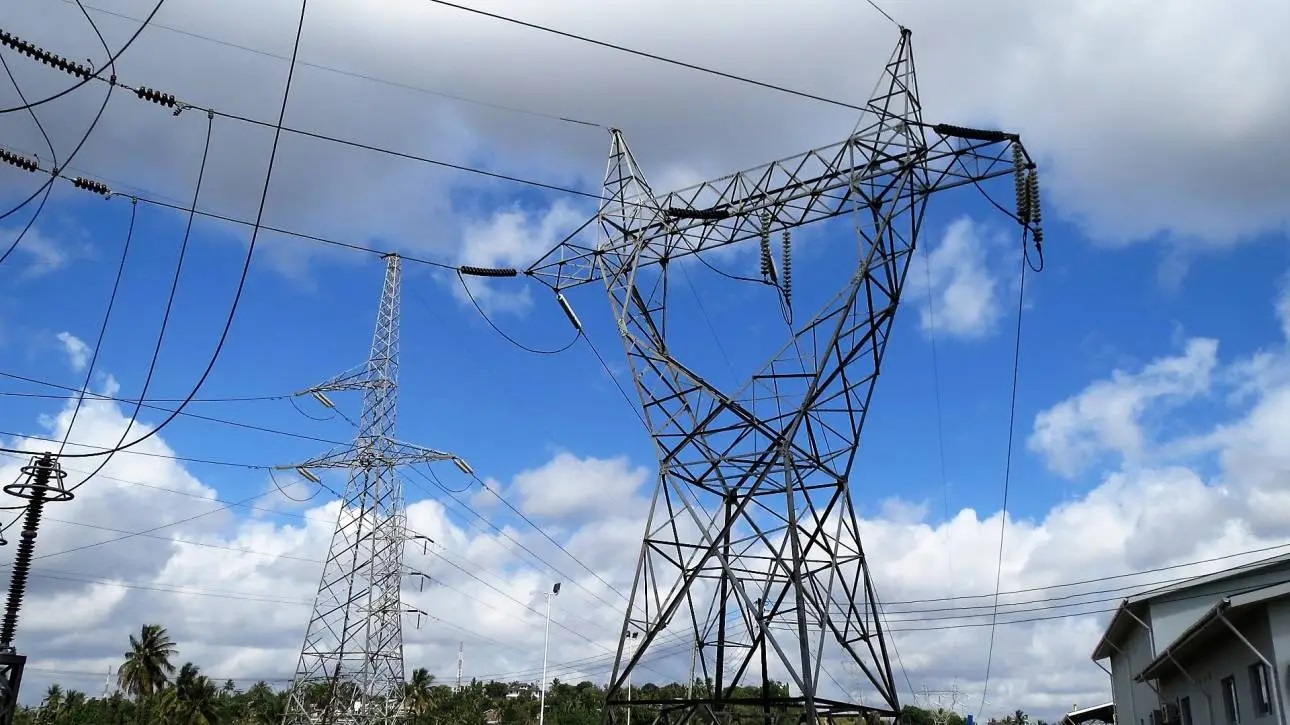
National Power Interruption Caused By System Disturbance - GRIDCo
By Joshua Narh
July 29th, 2026
-
-
culture
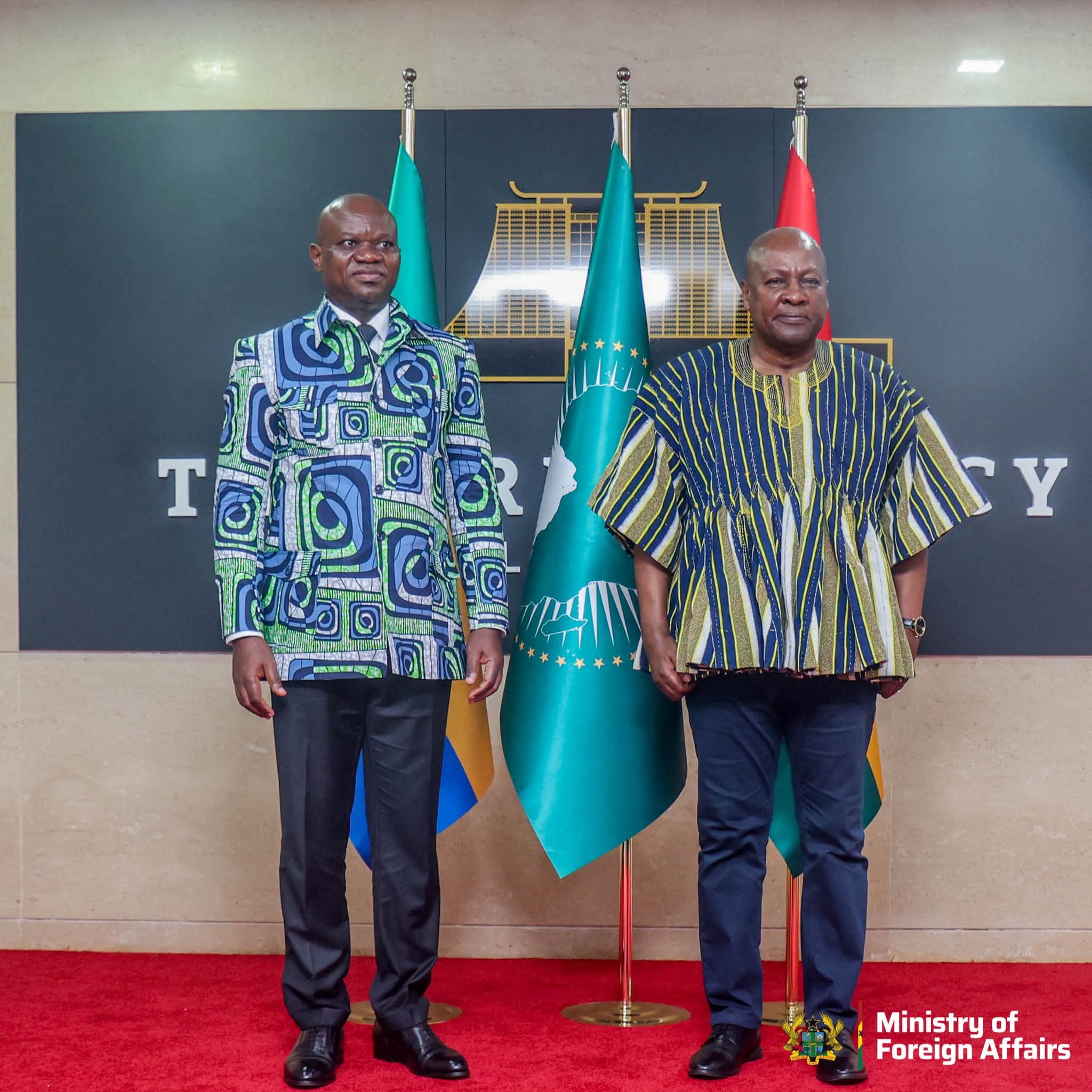
Ghana, Gabon Look To Boost Trade And Investment Through AfCFTA
By Joshua Narh
July 29th, 2026
More From 3Music News
culture | BY Joshua Narh | July 29th, 2026
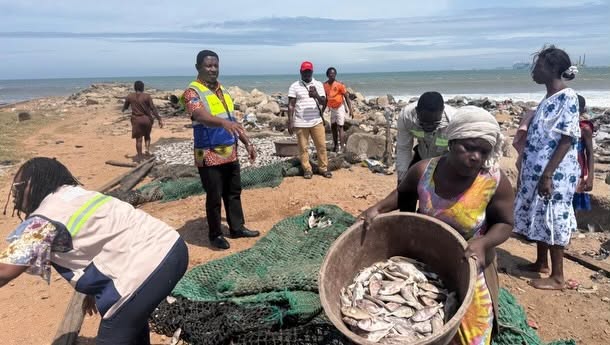
FDA Seizes Contaminated Fish After Buzstopboys Raises Concerns Over Tema New Town Processing Site
The operation comes days after BuzStopBoys released a video showing fish being dried directly on the ground, exposed to sand, refuse, open defecation, and other contaminants while people moved through the processing area.
culture | BY Joshua Narh | July 28th, 2026
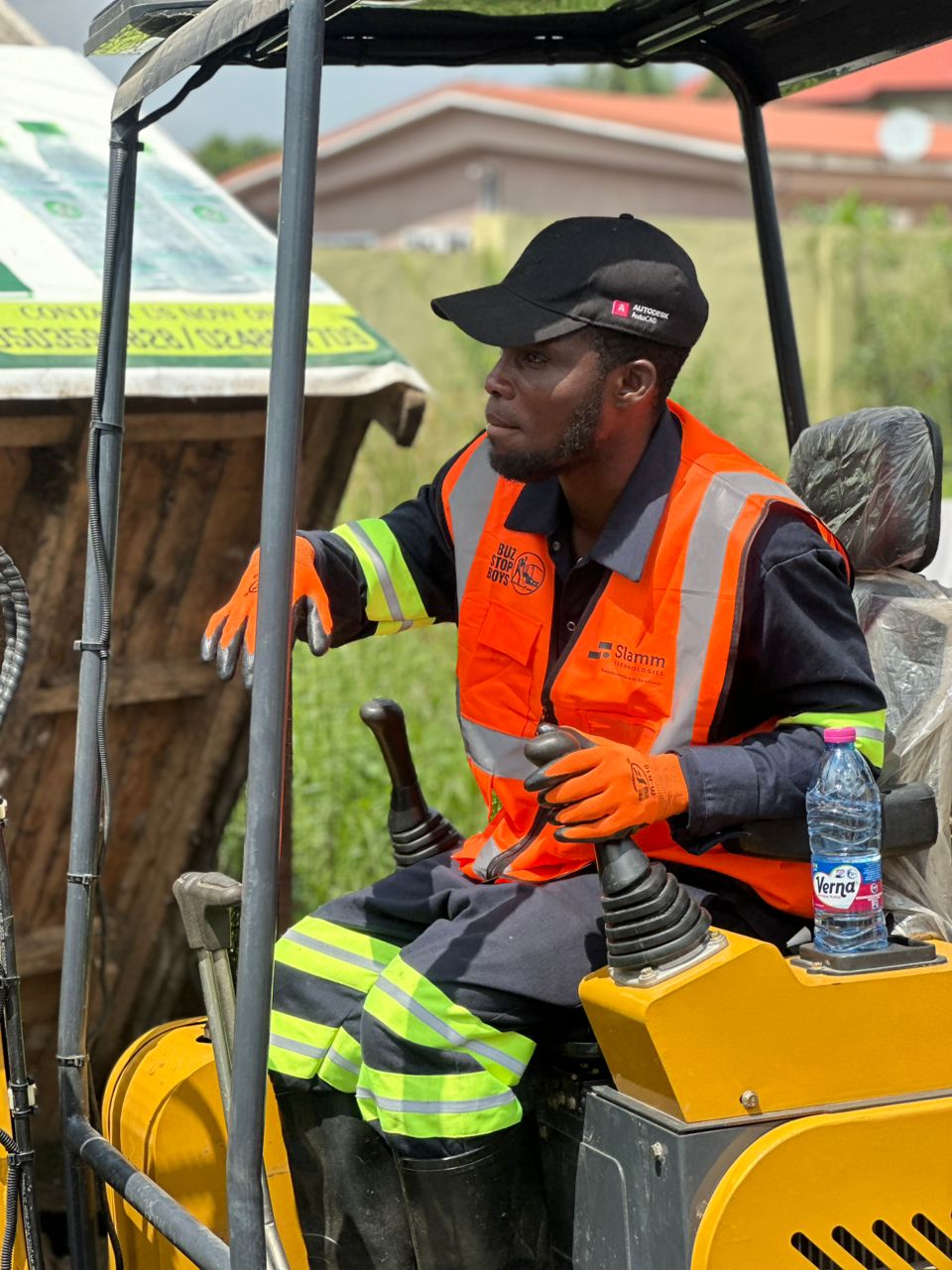
Buzstopboys Raises Public Health Concerns Over Fish Processing In Tema
The footage, which was shared across BuzStopBoys’ social media platforms, has attracted widespread public attention, with many Ghanaians questioning the hygiene standards under which some fish is processed before reaching the market.
music | entertainment | fashion & lifestyle | culture | BY Walter Sena | July 27th, 2026
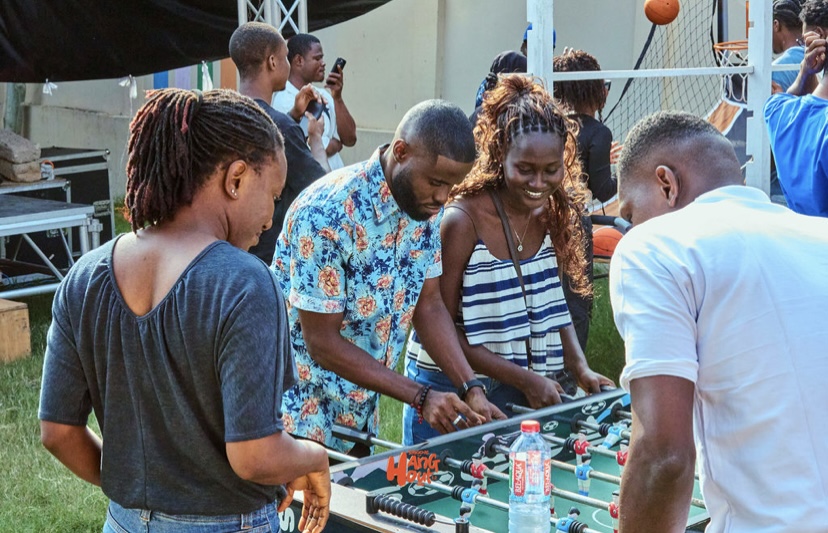
Smoove Hangout 3.0 Delivers an Unforgettable Weekend of Games, Music and Community
The weekend came alive as Smoove Hangout 3.0 took over Nexus 9 Lounge & Spaces on Saturday, bringing together young people, creators, music lovers and entertainment enthusiasts for an unforgettable day and night of fun, networking and celebration.
fashion & lifestyle | BY Joshua Narh | July 27th, 2026
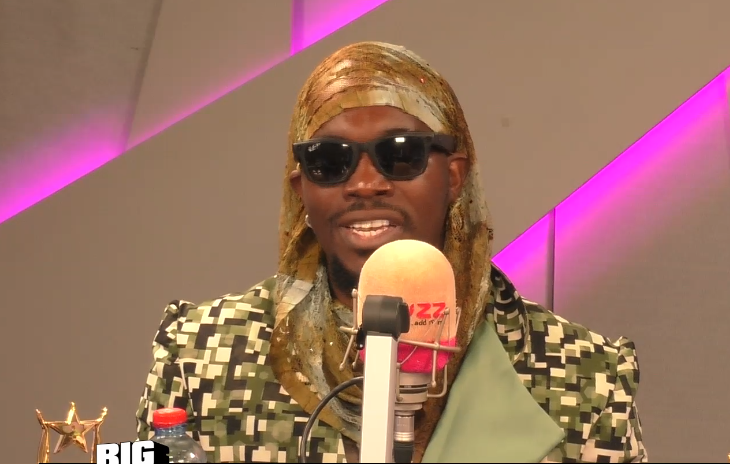
Self-Learning And Faith Built My Fashion Career - Qlynton
Instead of attending fashion school, he began by upcycling clothes he already owned to understand garment construction before progressing to creating original pieces.

entertainment | fashion & lifestyle | culture | BY Walter Sena | July 27th, 2026
At 72, Oprah Winfrey Says She Would Rather Be 44 Than 30 — Oprah Winfrey
Media mogul and global icon Oprah Winfrey believes that some of the best years of life come with age, wisdom and self-discovery.
music | entertainment | culture | BY Walter Sena | July 27th, 2026
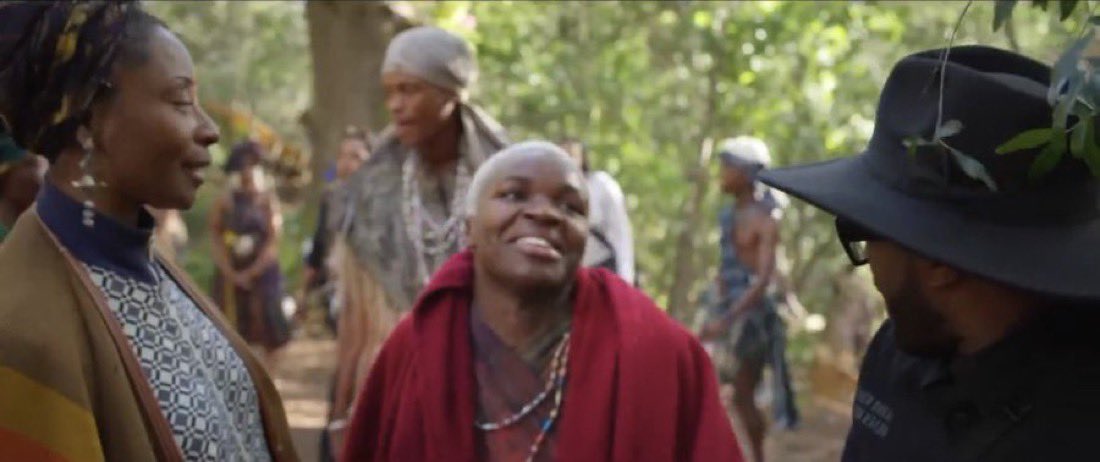
‘Is That Endurance Grand?’ Ghanaians React to Children of Blood & Bone First Look.
Excitement is building among Ghanaians after eagle-eyed fans spotted what appears to be renowned Ghanaian dancer and choreographer Endurance Grand in the newly released first-look video for the highly anticipated fantasy film Children of Blood & Bone.
fashion & lifestyle | BY Joshua Narh | July 27th, 2026
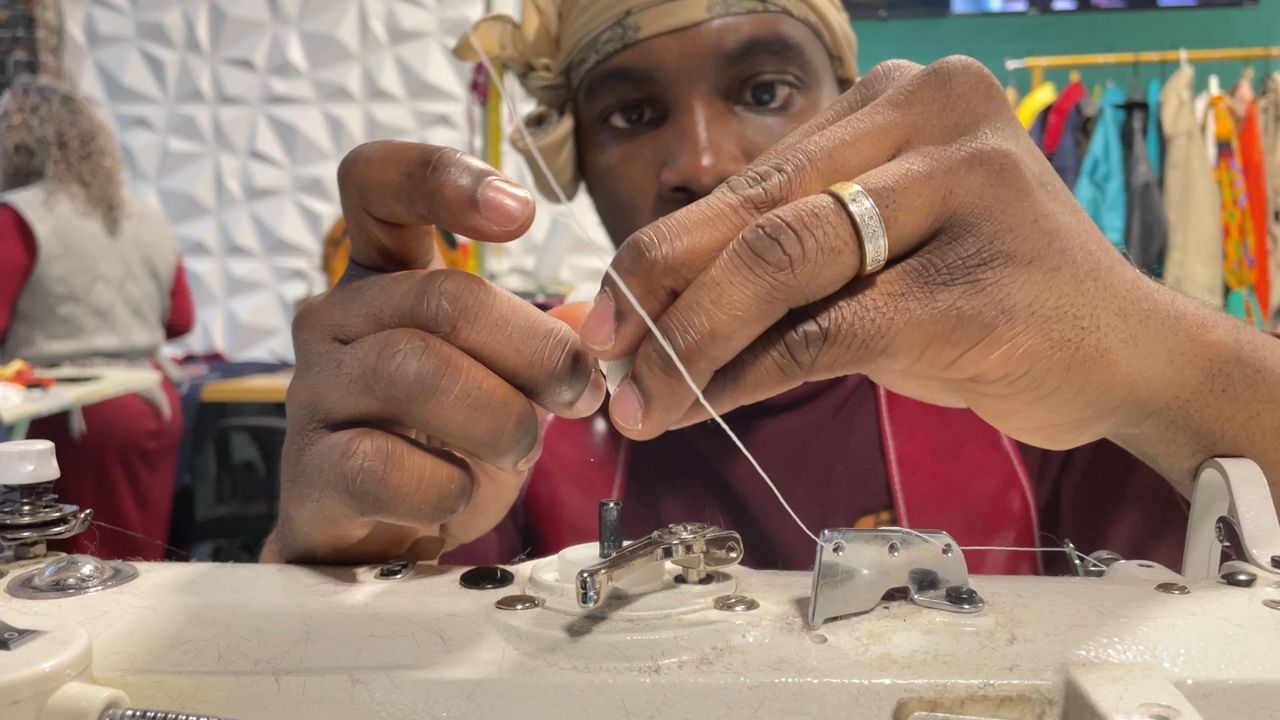
Fashion Designer Qlynton Hopes To Connect Ghanaian Creatives With Global Opportunities Through Fashion
He recounted supporting a Kumasi-based apprentice named Gideon by helping him acquire a sewing machine and workspace so he could establish his own business rather than become part of WavvzNewage.
entertainment | BY Joshua Narh | July 27th, 2026
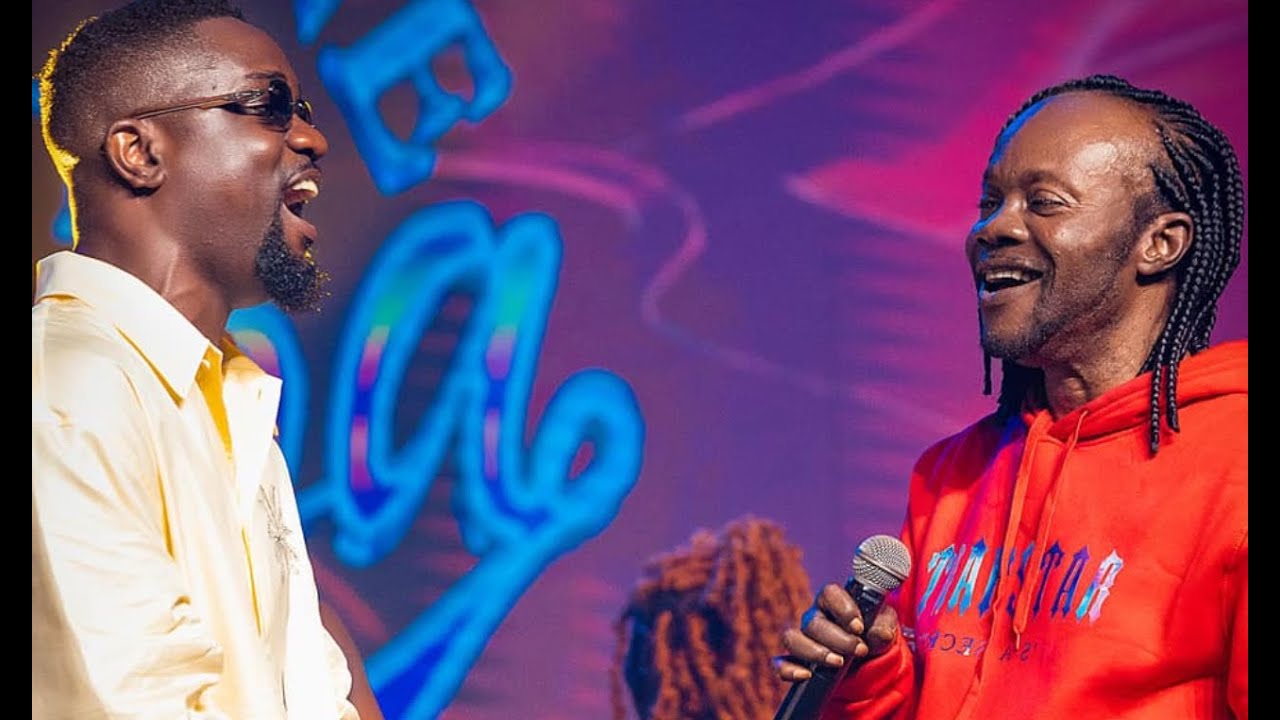
Sarkodie Pays Emotional Tribute To Daddy Lumba One Year On
In a heartfelt message shared on social media on Sunday, the award-winning rapper reflected on the pain of losing one of Ghana’s most influential musicians, saying the news of Lumba’s death had left him devastated.
culture | BY Angela Kuffour | July 27th, 2026
Gov't Secures 200 Jobs For Evacuees From South Africa
The minister says the employment prospects are secured through partnerships with private sector organisations and Ghanaian owned companies that have pledged to help returnees start anew.
entertainment | BY Joshua Narh | July 27th, 2026
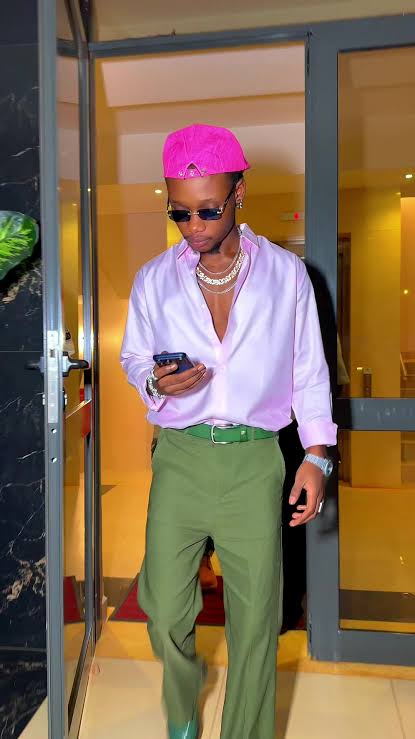
OliveTheBoy Thrills Fans With Headline Performance In Uganda
Videos shared online after the concert showed enthusiastic fans singing along to some of his biggest songs, highlighting the growing appeal of Ghanaian Afrobeats beyond West Africa.
entertainment | BY Joshua Narh | July 27th, 2026
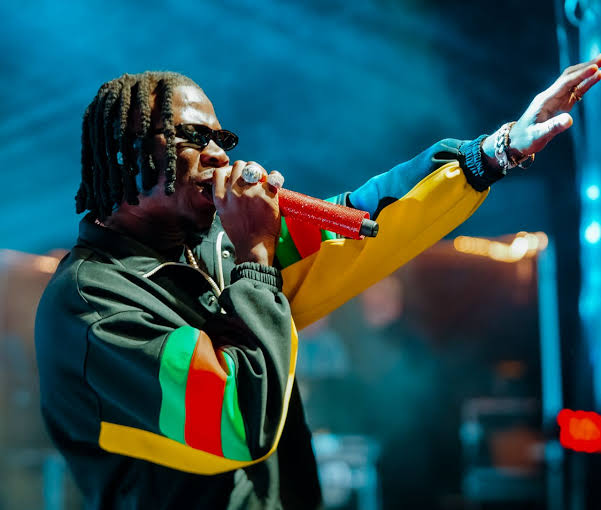
Stonebwoy Set For Live Performance In Parma, Italy
The award-winning musician will headline a live concert on 12 September 2026 at Via Emilia Lepido 227, San Prospero, Parma, where he is expected to perform some of his biggest hits alongside songs from his latest project, TORCHER II.
entertainment | BY Joshua Narh | July 27th, 2026
Black Sherif Set For New York Stop On SUN SWAGGA TOUR
The concert forms part of an international tour that has seen the award-winning artiste perform across Europe and North America following the success of his latest album, Iron Boy.
More Similar Videos
music,entertainment | Lerny Lomotey | October 27th, 2025
Showboy Shares His Journey From Prison To Becoming Ghana's Biggest Trapper
Comments