Ghana Welcomes UN Call For Reparatory Justice Over Transatlantic Slave Trade

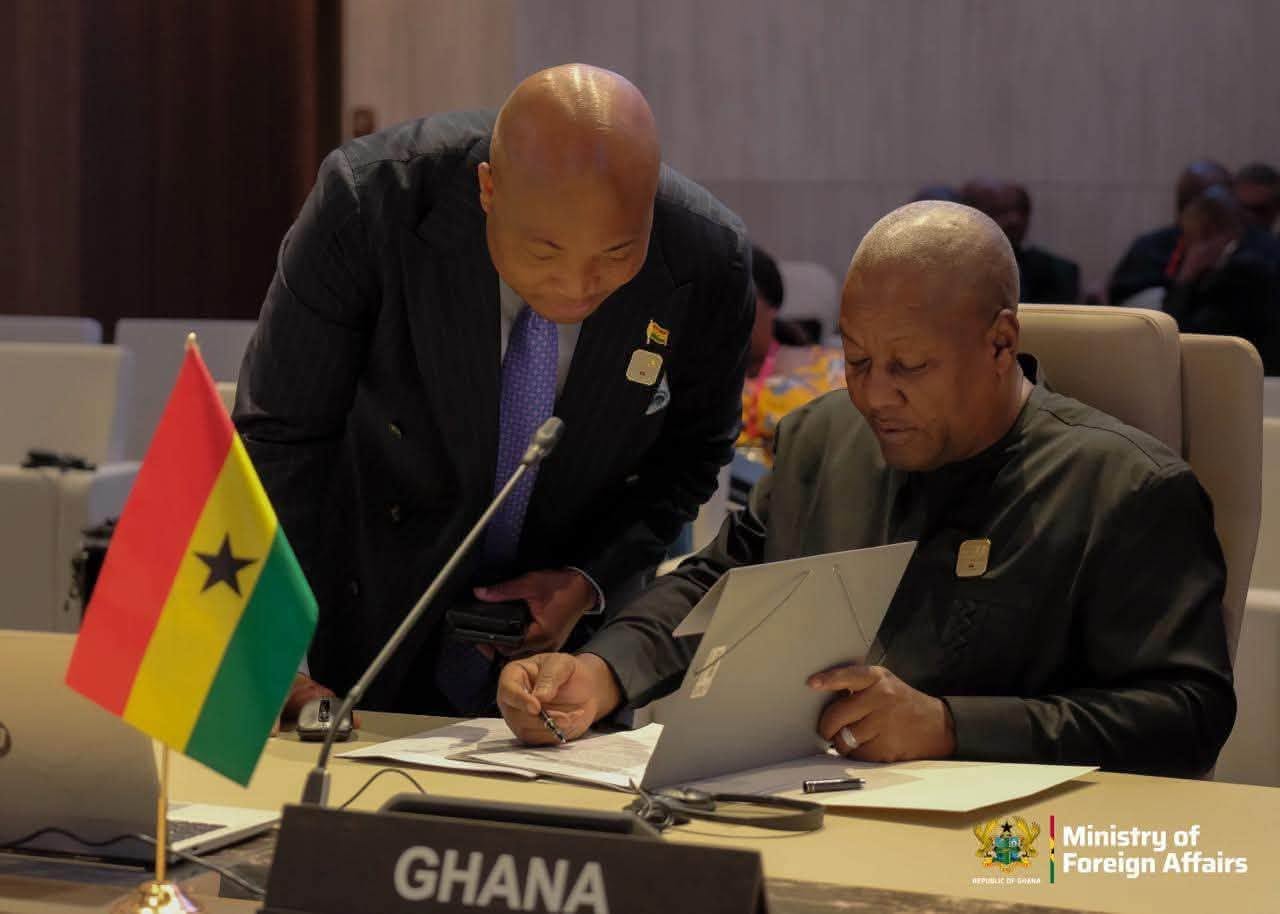
Ghana has welcomed new guidance from a United Nations committee that strengthens the case for reparatory justice for the trafficking and enslavement of Africans.
The UN Committee on the Elimination of Racial Discrimination (CERD) adopted General Recommendation No. 40 at its 118th session in Geneva, addressing the continuing consequences of colonialism, the trafficking of enslaved Africans and racialised chattel slavery.
The recommendation says states parties to the International Convention on the Elimination of All Forms of Racial Discrimination have obligations to address the continuing racial discrimination and inequalities linked to these historical injustices.
CERD said reparatory justice should include a combination of monetary and non-monetary measures, including restitution, compensation, rehabilitation, satisfaction, guarantees of non-repetition and structural reforms.
The committee described its recommendation as an important step in addressing what it called one of the most enduring forms of racial injustice.
The recommendation challenges arguments that governments cannot be held responsible for slavery because the practice was not prohibited under international law at the time.
The committee’s approach is instead based on the obligations created by the 1965 Convention, which is legally binding on its states parties.
Reuters reported that the committee considers states legally obliged to consider reparations for the transatlantic slave trade and address its continuing effects. It described the approach as a “paradigm shift” from debates focused solely on historical responsibility.
The recommendation itself is not a legally binding judgment against individual states.
However, UN officials and legal experts say it carries significant interpretative authority and could be used in legal and policy discussions concerning reparations.
The committee said the legacy of slavery continues to affect people of African descent through racial discrimination and structural inequalities.
It also called for measures such as truth-telling, preservation of historical memory, education and action to prevent the recurrence of discriminatory practices.
On 25 March 2026, the UN General Assembly adopted a Ghana-led resolution recognising the trafficking of enslaved Africans and racialised chattel enslavement of Africans as “the gravest crime against humanity”.
The resolution received 123 votes in favour. Argentina, Israel and the United States voted against, while 52 countries abstained.
The resolution was not legally binding, but Ghana presented it as an important step towards moving discussions about slavery from recognition to reparatory action.
President John Mahama, who is also the African Union Champion for Reparatory Justice, subsequently hosted a three-day Next Steps High-Level Consultative Conference in Accra in June.
More than 80 countries were represented at the conference, which produced an 18-pillar framework covering areas including truth-telling, legal reform, compensation, restitution, education and systemic change.
Ghana also announced three global panels to advance the process: a Global Advisory Panel on Reparatory Justice, an Expert Panel on the Restitution of Cultural Artefacts and a Global Legal Panel on Reparatory Justice.
The country has argued that the campaign should extend beyond financial compensation to include the return of cultural artefacts, historical truth, institutional reform and measures aimed at addressing inequalities linked to slavery and colonialism.
The UN recommendation comes as calls for reparations gain momentum across Africa and the Caribbean.
African and Caribbean leaders meeting in Accra in June called on countries involved in the transatlantic slave trade to issue formal apologies and provide reparations.
Ghana has also sought to build stronger links with countries and institutions involved in the historical trade.
In August, President Mahama visited Jamaica as part of efforts to strengthen Ghana-Caribbean relations and advance the international reparations agenda.
The UN committee’s recommendation now gives the campaign an additional human-rights framework, linking historical slavery to present-day racial discrimination.
At least 12.5 million Africans were forcibly transported between the 15th and 19th centuries, according to figures cited by CERD. The transatlantic slave trade became one of the largest forced migrations in history.
Ghana says the latest UN guidance reinforces the position it has taken at the international level: that recognition of the historical crime should be followed by concrete measures to address its continuing consequences.
The country is expected to continue pushing the issue through the African Union, the United Nations and cooperation with Caribbean countries and the wider African diaspora.
Sign up for the 3Music Newsletter for breaking news, events, and unique stories.
MORE FROM
culture
-
-

-

music entertainment fashion & lifestyle culture
Tems Rejects Afrobeats Label, Says “I Classify My Music as R&B”
By Walter Sena
September 1st, 2026
-

-
music entertainment fashion & lifestyle culture
Kofi Mole Announces Star-Studded 4-Track EP 4 DA POPPIN
By Walter Sena
September 1st, 2026
More From 3Music News
music | fashion & lifestyle | culture | BY Walter Sena | September 1st, 2026
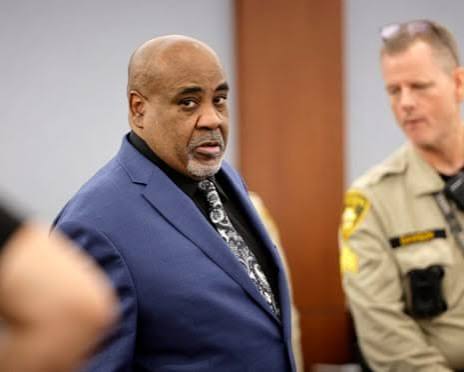
Former Gang Leader Duane ‘Keffe D’ Davis Found Guilty of Tupac Shakur’s Murder
Nearly three decades after the death of legendary rapper Tupac Shakur, a former gang leader has been found guilty of his murder.
entertainment | fashion & lifestyle | culture | BY Walter Sena | September 1st, 2026
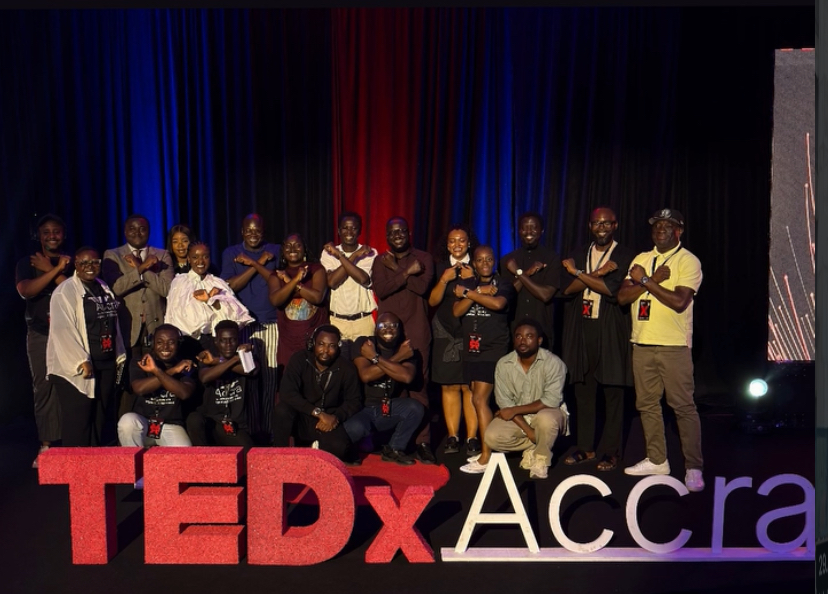
TEDxAccra Makes Its Return With a Bold Conversation on Ghana’s Future
After a four-year absence, TEDxAccra has finally returned to Accra, bringing together voices from technology, manufacturing, environmental science, investment and the arts for its 2026 edition.
culture | BY Angela Kuffour | August 31st, 2026
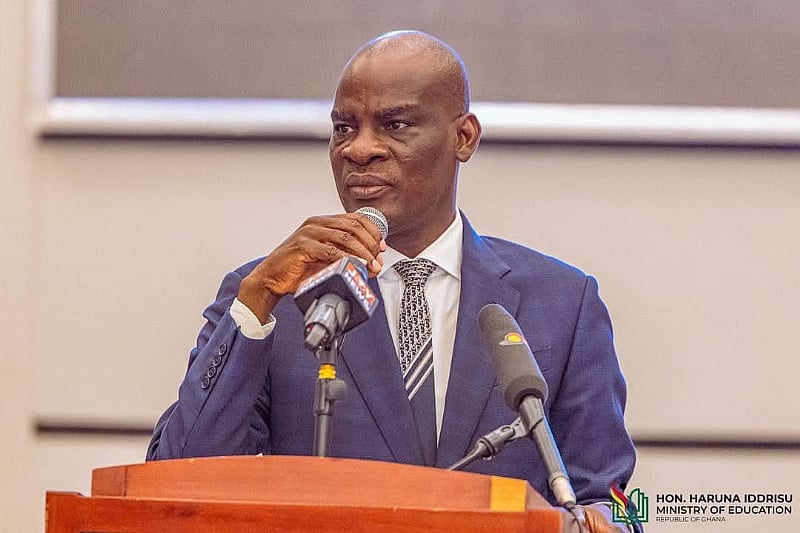
Teacher Unions Suspend Planned Strike After Talks With Education Minister
The unions had warned of action over delays in placing newly promoted teachers on the corresponding salary scales. Despite promotions, many teachers had not received the associated financial benefits.
culture | BY Angela Kuffour | August 31st, 2026
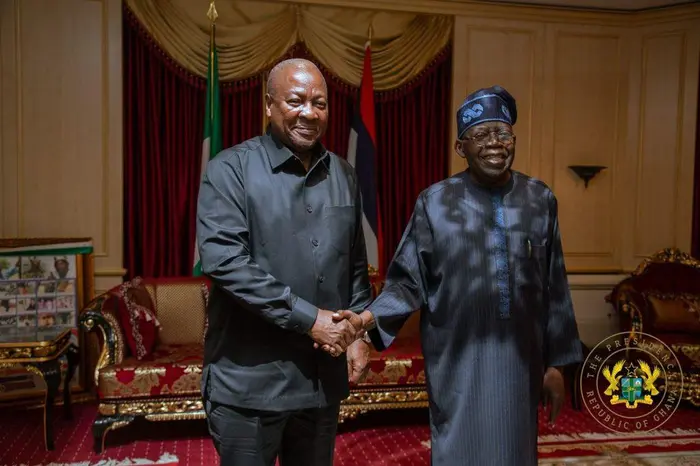
Nigeria Follows Ghana In Reporting South Africa To AU Over Xenophobia
President Bola Tinubu conveyed Nigeria’s position through Vice President Kashim Shettima, who represented him at the 21st Extraordinary Session of the AU Assembly in Luanda, Angola, on August 30, 2026.
culture | BY Joshua Narh | August 31st, 2026
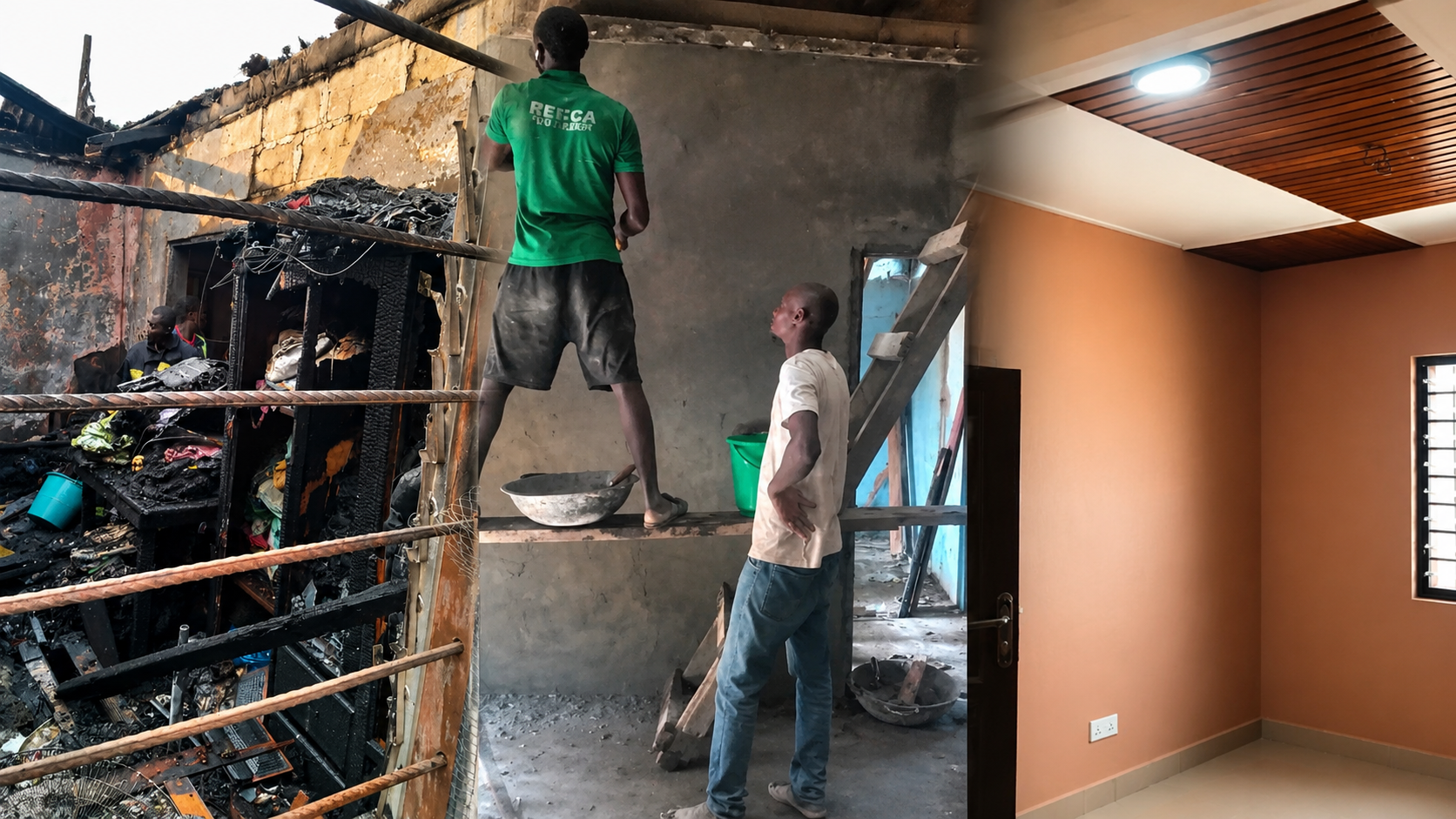
Police Inspector Self-Funds Rebuilding Of Fire-Damaged Barracks Room
A room assigned to him at the police barracks was destroyed by fire a year ago. With the necessary repairs yet to be carried out, Inspector Agyekum took the initiative to personally fund the restoration of the facility.

sports | BY Joshua Narh | August 31st, 2026
Lionel Messi Retires From Argentina Duty After 21-Year International Career
Messi revealed that he had written his retirement statement on 21 July, two days after the World Cup final, but had delayed making the announcement.
music | entertainment | BY Angela Kuffour | August 31st, 2026
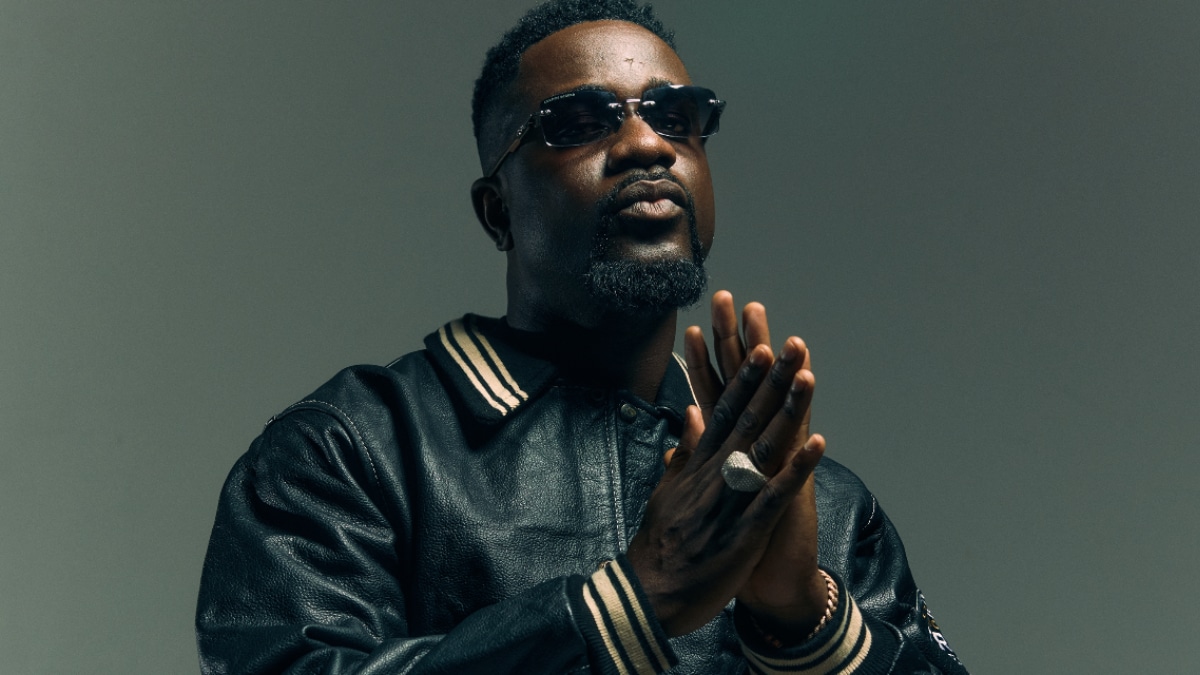
Sarkodie Teases New Track With TeePhlow Produced By Da’Hammer
The message suggests the song draws on personal experiences. Sarkodie also urged his fanbase, known as SarkNation, to pressure Da’Hammer to release the track soon.

sports | BY Angela Kuffour | August 31st, 2026
Sir Alex Ferguson Attends Manchester United Match In Protective Boot
The 84-year-old former manager needed assistance getting out of his vehicle ahead of the Premier League clash against Ipswich Town but was able to make his way into the stadium under his own power.

culture | BY Angela Kuffour | August 31st, 2026
ECG And Four Other State Firms Post Losses for Fifth Straight Year - SIGA Reports
The persistently loss-making entities are ECG, Ghana Cylinder Manufacturing Company Limited, GNPA Limited, Graphic Communications Group Company Limited and Ghana Digital Centre.

entertainment | culture | BY Angela Kuffour | August 31st, 2026
Why BSIFF Is Putting Local Language Cinema At The Centre Of The Conversation
Are Africans watching African films? Not occasionally. Not because somebody sent them a link. Not because an African film happened to appear on a streaming platform. We mean watching them deliberately.
culture | BY Joshua Narh | August 31st, 2026
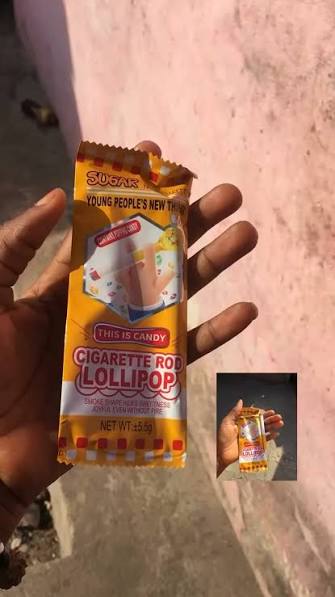
FDA Seizes Cigarette-Shaped Sweets In Accra, Arrests Seller
The FDA said the product has not been registered with the Authority, meaning its composition has not been assessed and approved under Ghana’s food safety requirements.

music | entertainment | fashion & lifestyle | BY Walter Sena | August 31st, 2026
Joana Gyan Cudjoe Parts Ways With Keche Global After Seven Years
Amenfi Central MP and businesswoman Joana Gyan Cudjoe has officially ended her seven-year professional relationship with Ghanaian music duo Keche Global.
More Similar Videos

culture | 3Music TV | April 4th, 2024
Hammer Shares Music Production Experiences and Artiste Relationships
Comments