The Art Beneath the Skin! Tattoo Artists Redefine Body Art

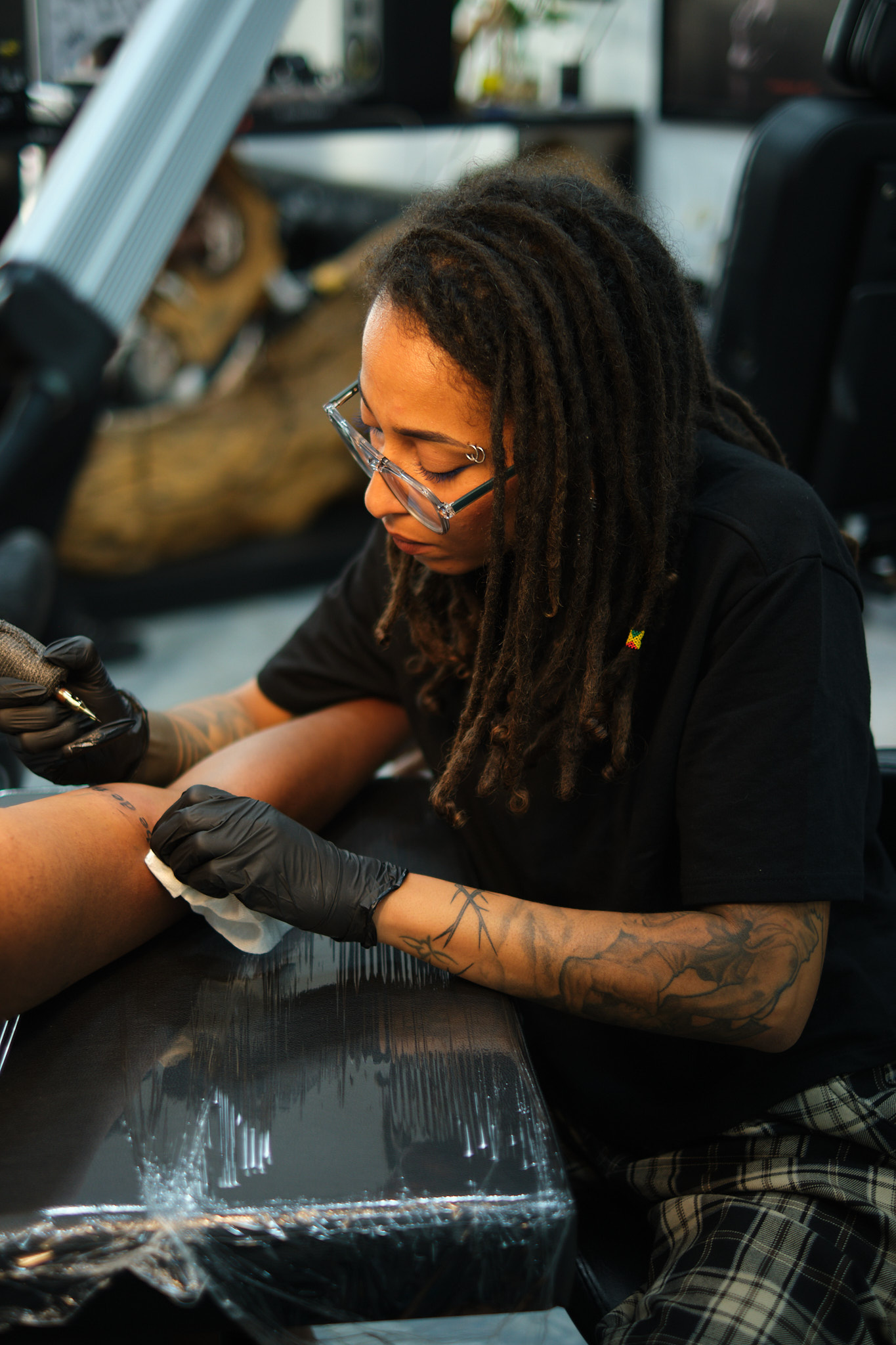
In a dimly lit studio tucked away in Accra, the soft buzz of a tattoo gun hums like a heartbeat. For artists like Franki and Mounia, this sound is more than noise it’s the rhythm of their craft, the music of transformation.
Once seen as taboo, tattoos are slowly being embraced in Ghana as a modern art form, thanks to a new generation of artists blending creativity, culture and precision. “It’s like painting, but the canvas breathes,” said Franki, a tattoo artist who began as a painter and sketch artist before finding his way into tattooing.
For him, the transition from paper to skin was both challenging and exciting. “My first tattoo was a 2.5 out of 10,” he laughed. “But I kept practicing. With each one, I learned more about the human body and how it reacts to ink.”
Mounia journey was equally unexpected. Once a photographer and graphic designer, she found herself drawn to the permanence and intimacy of tattooing. “It’s the only art form where your work lives with the person,” she said. “That connection! that’s what makes it special.”
Their process is meticulous: it starts with a design, moves to a stencil and finally to the needle. Every line, every shade is intentional. Depending on the size and detail, tattoos can take anywhere from 30 minutes to six hours. “It’s not just ink it’s patience, technique and trust,” Franki added.
Ghana’s tattoo culture has evolved. What was once frowned upon as rebellion is now appreciated as expression. “You’ll be surprised,” Mounia smiled. “Sometimes the people you least expect bankers, doctors, even pastors come in for tattoos. They just don’t show them publicly.”
Beyond the art, both artists see tattooing as storytelling. Whether it’s a Bible verse, a symbol of resilience or a tribute to loved ones, every design carries meaning. “We don’t just draw,” Franki explained. “We document emotions, memories and milestones.”
In their hands, ink becomes language, skin becomes story and the once-hidden art of tattooing is now a powerful form of visual poetry.
WATCH FULL VIDEO HERE:
Sign up for the 3Music Newsletter for breaking news, events, and unique stories.
MORE FROM
fashion & lifestyle
-
culture
Ghana Declines MTN’s GH¢20 Million Offer For South Africa Returnees
By Angela Kuffour
August 26th, 2026
-
sports
Bruno Fernandes Wins PFA Players’ Player Of The Year After Record-Breaking Season
By Angela Kuffour
August 26th, 2026
-
culture
Safety Campaign Ghana Urges Public To Treat Safety As An Everyday Responsibility
By Joshua Narh
August 26th, 2026
-

culture
Safety Campaign Ghana To Introduce Three-Month Safety Mentorship School For Beginners
By Joshua Narh
August 26th, 2026
-
sports
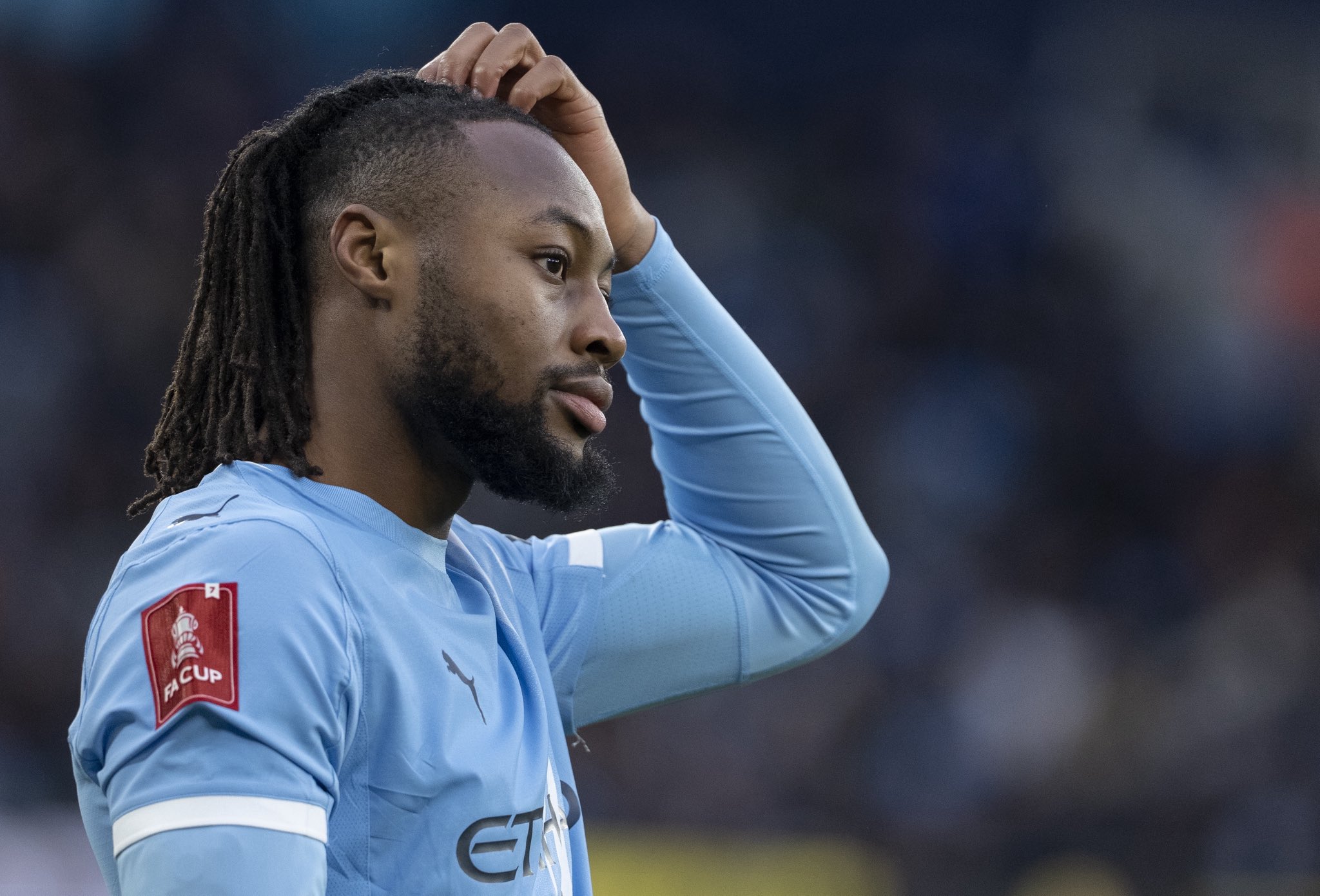
Antoine Semenyo Makes History As First Ghanaian In PFA Premier League Team Of The Year
By Angela Kuffour
August 26th, 2026
More From 3Music News

culture | BY Joshua Narh | August 26th, 2026
Libraries Remain Relevant Despite Growing Use Of Technology
The Ghana Library Authority says its libraries recorded more than 1.4 million visits in 2022. The figure rose to more than 1.7 million in 2023 and exceeded 2.6 million in 2024. In 2025, the libraries recorded more than 1.9 million visits.
entertainment | BY Angela Kuffour | August 26th, 2026
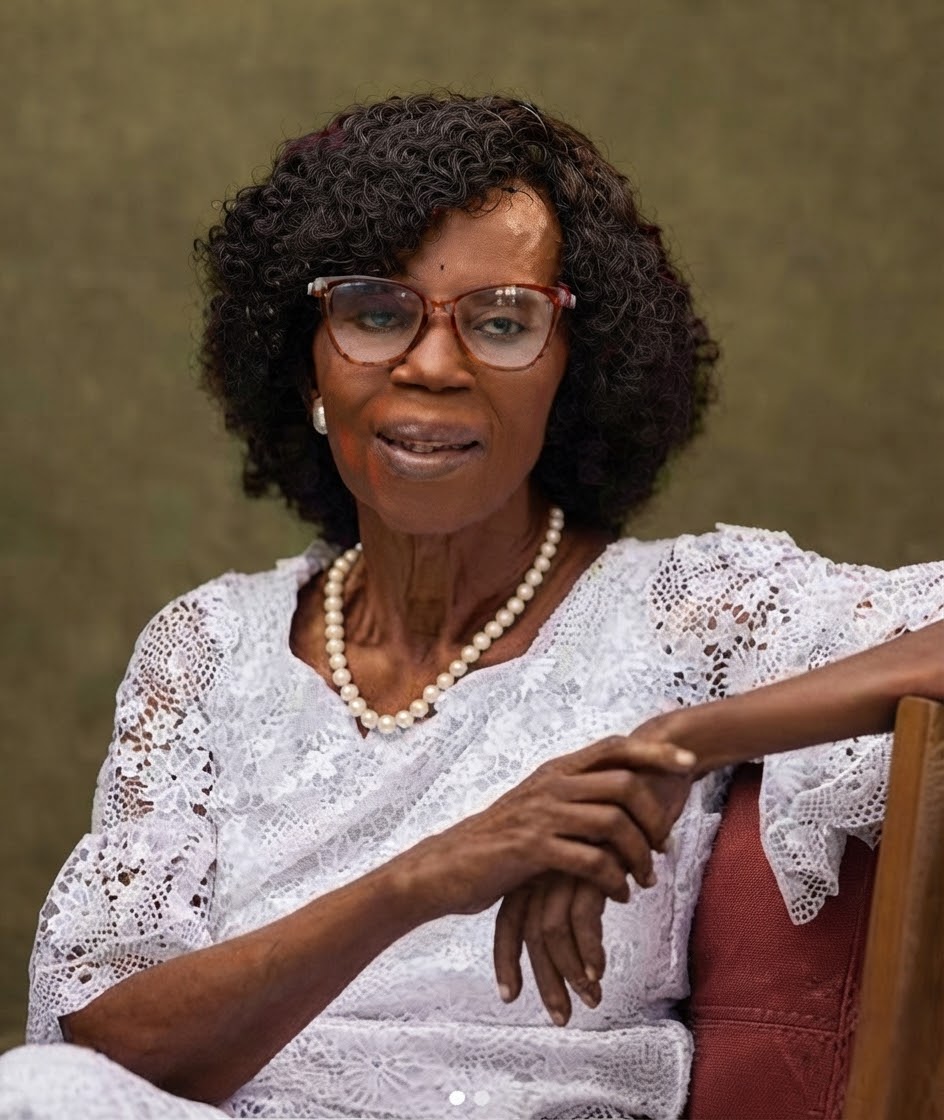
Veteran Ghanaian Actress Grace Nortey Dies At 89
She died in the early hours of Wednesday, August 26, 2026, at the University of Ghana Medical Centre (UGMC).
entertainment | BY Joshua Narh | August 26th, 2026
Veteran Ghanaian Actress Grace Nortey Dies At 89
Grace Nortey was one of the prominent figures of Ghana’s theatre and film industry, with a career spanning more than five decades.

entertainment | BY Joshua Narh | August 26th, 2026
Fancy Gadam Explains How Collaboration With Rudeboy Came Together
The Ghanaian musician said the collaboration began after he met Shatta Bandle in Tamale and expressed interest in working with Rudeboy, whom he had listened to since his days as part of the Nigerian duo P-Square.

entertainment | BY Joshua Narh | August 26th, 2026
Fancy Gadam Attributes Successful Breakthrough Into Mainstream Music Scene To Support From Friends
The musician said he started his career with friends who later became his management team and remained with him as his career developed.

entertainment | BY Joshua Narh | August 26th, 2026
It Took Six Years For The Whole Northern Region To Accept Me - Fancy Gadam
According to him, reaching audiences across the northern region was difficult because of the different languages and cultures in the area.
music | entertainment | BY Angela Kuffour | August 26th, 2026
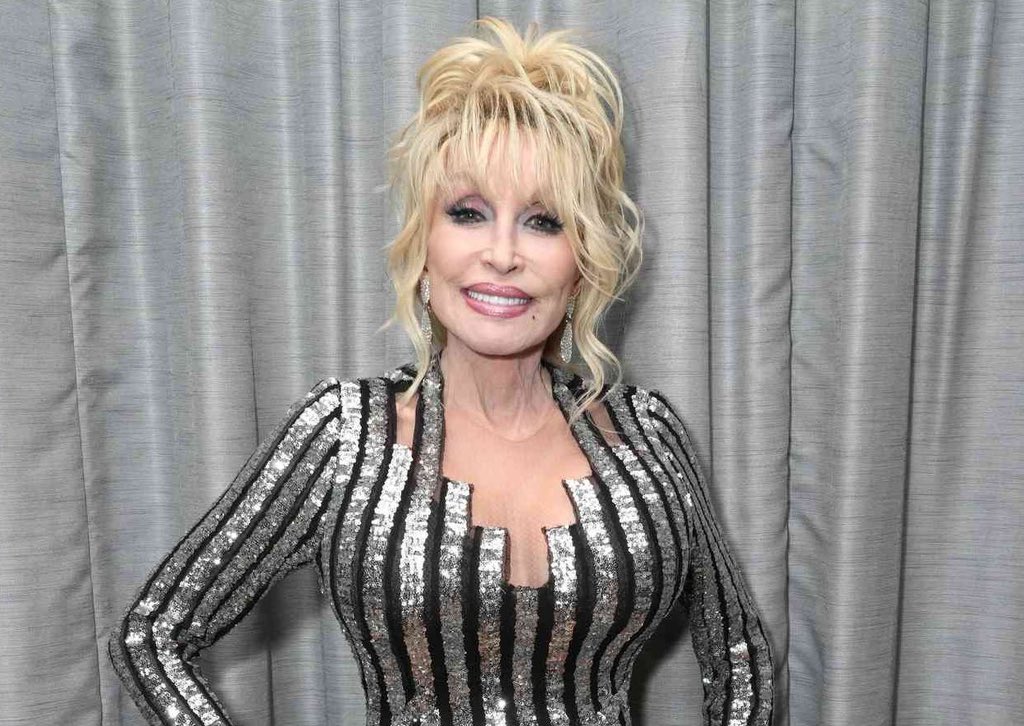
White House Lowers Flags To Half-Staff After Dolly Parton’s Death
Trump paid tribute to the icon, saying, “There will never be anyone like her, and never will.”
music | entertainment | BY Angela Kuffour | August 26th, 2026
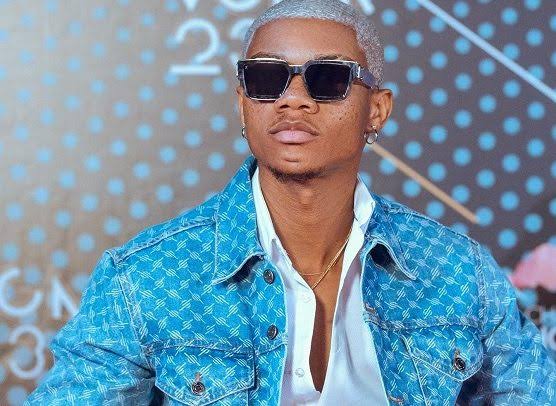
I Was Told My Music Wasn’t The Artiste Of The Year Type - KiDi
He recalled being told his music would be packaged differently while others were seen as better suited for top honours.
music | entertainment | BY Angela Kuffour | August 25th, 2026
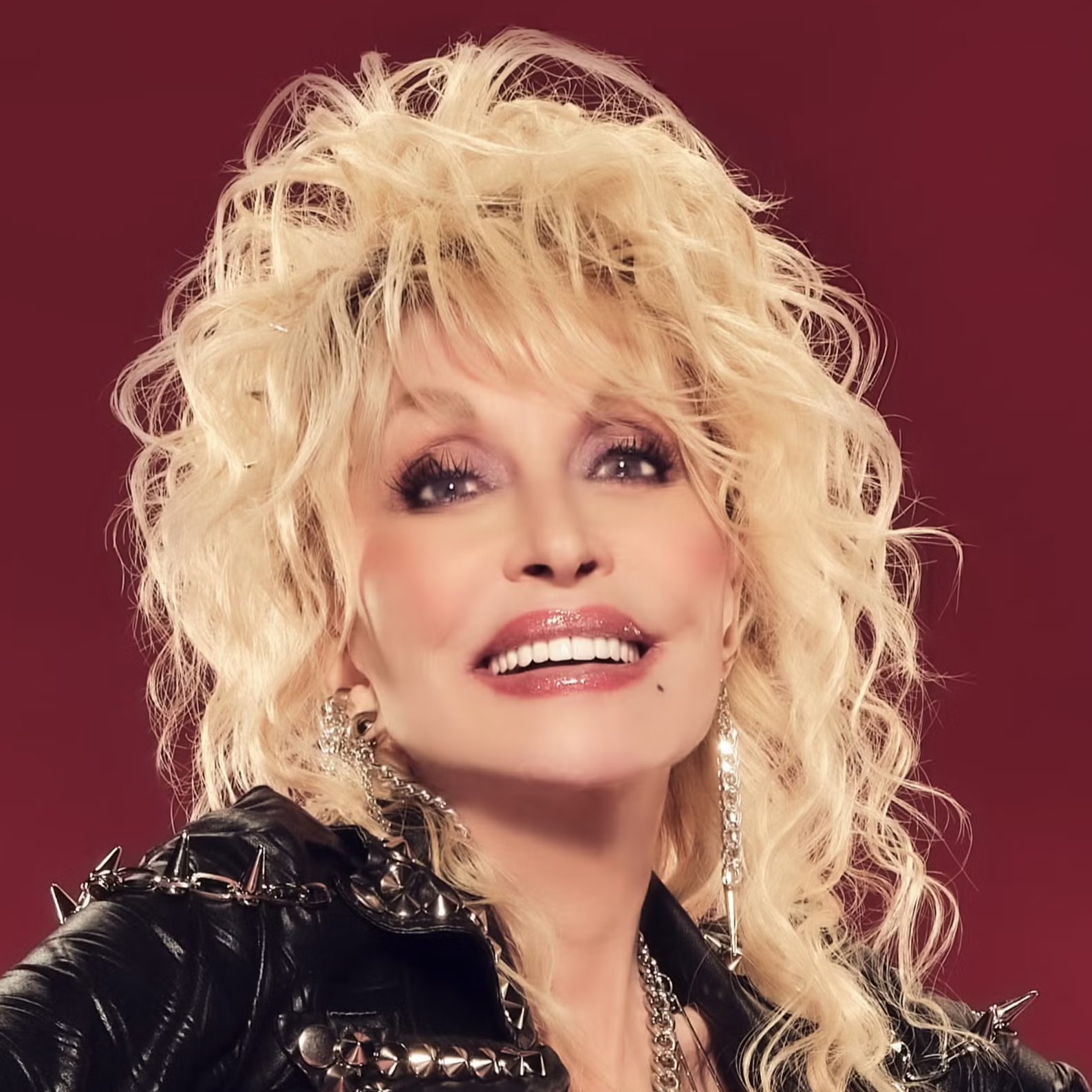
Country Music Icon Dolly Parton Dies At 80
The announcement came Tuesday in a video message posted to Parton’s official X account and shared by the family.
music | entertainment | BY Angela Kuffour | August 25th, 2026
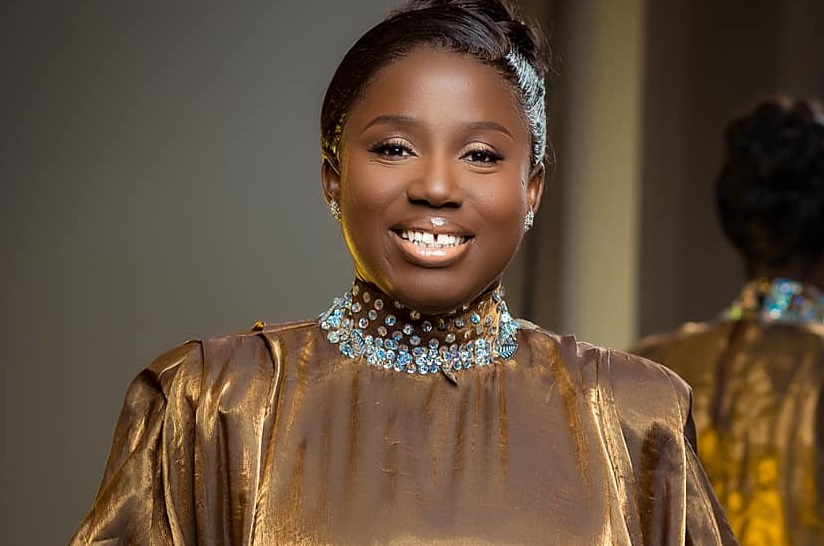
Diana Hamilton Opens Up About New Single NYAME BANBOFO
Hamilton described the track as a song the Lord gave her. She noted that it was recorded in May of the previous year as part of a series of songs focused on testimony and thanksgiving.

culture | BY Angela Kuffour | August 25th, 2026
Dr. Chris Aminarh Explains DNA Presence In Body Fluids
Dr. Aminarh also made the claim that results of all paternity tests done in the year 2025 showed that almost half were not the supposed fathers.
entertainment | culture | BY Angela Kuffour | August 25th, 2026
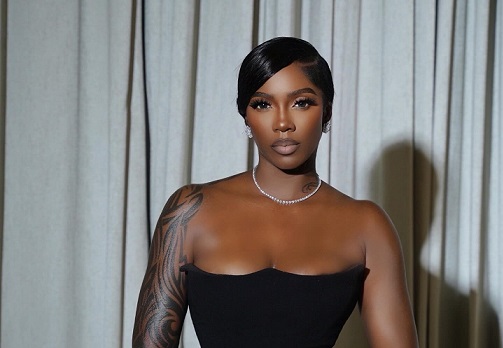
Tiwa Savage Reveals She Has Frozen Her Eggs Amid Plans For More Children
She explained that the step was motivated by her desire to keep her family options open as she considers expanding her family.
Comments