“There Are Lots Of BeatMakers But Fewer Producers”- Philkeyz


Nigerian producer and artiste Philkeyz has emphasised the importance of in-person studio collaboration, creative intentionality, and business structure in sustaining success in Africa’s competitive music landscape.
Speaking during a studio appearance in Accra, Philkeyz reflected on his journey, creative process, and the evolving machinery behind Afrobeats’ global expansion.
Weighing in on the debate about remote production, Philkeyz, agreed that physical studio sessions often produce stronger results.
“When you’re in the studio with the artiste, you can bring out more emotion. You can control the session,” he explained. “There are lots of beat makers but fewer producers. A producer must know when to add more, when to reduce, and how to direct the artiste.”
According to him, musicianship remains the foundation that separates a technical producer from someone who merely assembles sounds. Having studied music formally, he says that technical grounding allows him to guide artistes effectively, especially those who may not fully understand their own creative direction.
Philkeyz, whose catalogue includes collaborations with Wizkid, Kiss Daniel, Yemi Alade and Adekunle Gold, revealed that each artiste approaches sessions differently.
Wizkid, he noted, prefers to freestyle extensively before refining lyrics. Kiss Daniel and Adekunle Gold, on the other hand, favour isolated recording environments to tap into emotion without distraction. Yemi Alade thrives on spontaneous freestyling before later structuring the song.
Despite the differing approaches, Philkeyz insists that energy remains the most critical ingredient. “If the vibe is right, the record comes easy.”
Addressing whether trendy words or viral slang influence song selection, Philkeyz stressed the importance of longevity over momentary buzz.
“Trendy words may last for a month. But you must ask yourself, how long do I want this song to last?” he said, referencing timeless records as the benchmark for sustainable impact.
While he acknowledges the need to stay aware of current rhythms, he believes producers must balance trendiness with authenticity to create music that transcends borders.
On Nigeria’s dominance in music, Philkeyz admitted that significant financial investment fuels much of the industry’s visibility.
“There are machines in this industry,” he explained, referring to structured promotion, marketing budgets and strategic distribution. “Sometimes the difference between one artiste and another is simply finance and the right people around them.”
However, he also pointed to what he called a “grace factor,” noting that some songs succeed beyond calculated investment.
Philkeyz was candid about the business side of production, stressing that music must be treated as a company.
“Music is business. Split sheets are normal,” he stated. “If you want to go far, treat your brand as a company.”
Though he has received label offers in the past, he remains independent, preferring flexibility over restrictive deals. He cautioned that while some labels understand the business and nurture talent effectively, others may limit creative freedom.
Currently, Philkeyz is working on a cross-country EP, collaborating with artistes from Nigeria, Ghana, Uganda and South Africa. The project, he revealed, aims to blend Afrofusion and Afro-soul influences while spotlighting both established and emerging talents.
“It’s about vibe, availability and alignment,” he said. “The bigger the song gets, the better for everyone.”
As Afrobeats continues its global ascent, Philkeyz believes producers hold a defining role in shaping musical eras.
“Producers control the direction of sound,” he concluded. “But nobody gives you flowers. You have to claim them.”
Sign up for the 3Music Newsletter for breaking news, events, and unique stories.
MORE FROM
music
-
music entertainment
My Pregnant Wife Was Stabbed While I Was On Stage - Stonebwoy Recounts
By Angela Kuffour
July 8th, 2026
-

culture
Ghana AIDS Commission Clarifies HIV Test Results From Security Recruitment Exercise
By Joshua Narh
July 8th, 2026
-
culture
Alogboshie Residents Call For Fair Distribution of Flood Relief Items
By Angela Kuffour
July 8th, 2026
-
entertainment culture
Ghana Mourns Guinness World Record Holder Sharon Dede Padi
By Joshua Narh
July 8th, 2026
-

sports
Messi Extends Golden Boot Lead With Stunning Comeback Against Egypt
By Joshua Narh
July 8th, 2026
More From 3Music News
culture | BY Angela Kuffour | July 8th, 2026
Former UK Minister Demands Former British Colonies Compensate Britain
Braverman stated that former British colonies would need to reimburse Britain if reparations talks were to take place.
culture | BY Joshua Narh | July 7th, 2026
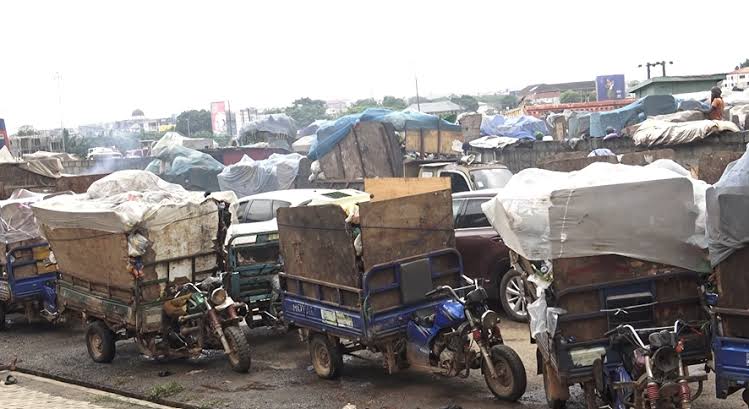
Traders, Mechanics Raise Concerns Over Odour And Congestion At Achimota Waste Station
The transfer station was reopened by government to help manage the large volumes of waste generated after the recent floods, which left heaps of refuse across several parts of Accra.

culture | BY Joshua Narh | July 6th, 2026
Davido Defends Tribute To Abducted Nigerian School Children
Speaking in an interview with BBC Focus on Africa host Waihiga Mwaura, the singer stressed that the safety of innocent children is more important than protecting the country's public image.

music | BY Joshua Narh | July 6th, 2026
Lyrical Joe, King Paluta Link Up On New Collab FREE MINDS
The song, which was teased across social media before its release, brings together two of Ghana's most celebrated lyricists on a record that blends sharp storytelling, introspection and motivational themes.

music | fashion & lifestyle | culture | BY Walter Sena | July 6th, 2026
Nollywood Star Osas Ighodaro Makes Bollywood Debut
Nollywood actress and media personality Osas Ighodaro has reached another major milestone in her career, making her Bollywood debut and further cementing her place as one of Africa’s most globally recognized talents.

music | entertainment | culture | BY Walter Sena | July 6th, 2026
President Declares Two Days of National General Cleaning Exercise
President John Dramani Mahama has declared Friday, July 10, 2026, and Saturday, July 11, 2026, as National General Cleaning Days in seven regions affected by the recent floods, as part of efforts to restore communities, prevent future disasters and promote environmental sanitation.
music | entertainment | fashion & lifestyle | culture | BY Walter Sena | July 6th, 2026
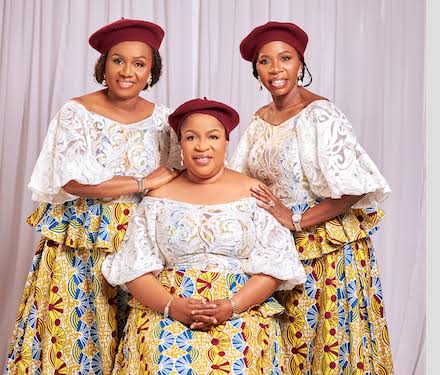
We Have Been Together for 37 Years and Counting – Daughters of Glorious Jesus Reflect on Their Enduring Journey
Celebrated Ghanaian gospel trio Daughters of Glorious Jesus have reflected on their remarkable journey in music, revealing that they have remained together for 37 years and counting.

entertainment | BY Joshua Narh | July 6th, 2026
I Was A Waiter - J.Derobie Recalls Hustle Before Music Breakthrough
Speaking on Chef It Up on 3Music TV, he revealed it took him six months to record his breakthrough song 'Poverty' because of his work schedule.

entertainment | BY Joshua Narh | July 6th, 2026
J.Derobie Reveals Family Support And Early Love for Music Shows Shaped His Career
J.Derobie said watching programmes such as American Idol, Vodafone Icons, MTV Mentals and The X Factor with his mother encouraged his interest in music.
culture | BY Angela Kuffour | July 6th, 2026
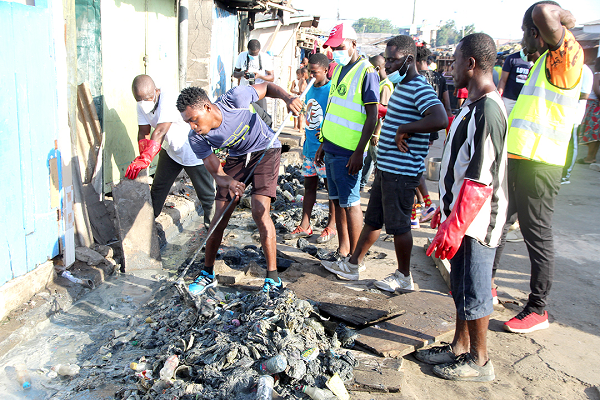
Mahama Announces Two-Day National Cleanup In Flood-Hit Regions
The initiative will mobilize Ghanaians to clean their surroundings, starting with their communities, to protect the environment and lives.
culture | BY Angela Kuffour | July 6th, 2026
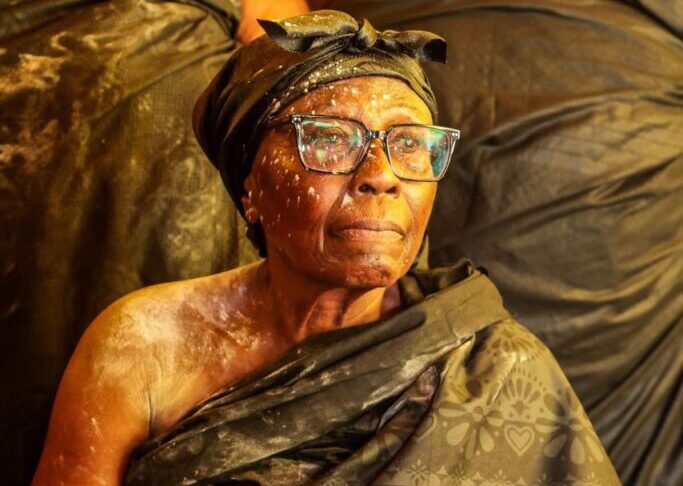
Nana Ama Bonsu I Unveiled As New Asantehemaa
She takes over from Nana Ama Konadu Yiadom III, who was Asantehemaa until her demise in 2025.

fashion & lifestyle | BY Joshua Narh | July 6th, 2026
You Don’t Need Huge Capital To Start - FY Glam Studio CEO Faruza Yakubu Tells Aspiring Makeup Artists
According to her, makeup artistry allows practitioners to customise products to suit different skin tones, making it unnecessary for beginners to own every shade available
More Similar Videos
music,entertainment | Lerny Lomotey | October 27th, 2025
Showboy Shares His Journey From Prison To Becoming Ghana's Biggest Trapper
Comments