“We Focus Too Much On Accra Because Of Proximity And Exposure” - DJ Wallpaper


Renowned Ghanaian DJ and nightlife tastemaker, DJ Wallpaper, has offered rare insight into the realities of Ghana’s club culture, festive-season partying and the growing shift of premium entertainment beyond Accra.
Speaking in a candid conversation, DJ Wallpaper explained that despite popular narratives about January being a “dry” month, the party calendar remains active well into the new year. According to him, December festivities often spill over into mid-January, driven by late-arriving returnees and post-holiday celebrations.
“While people are online complaining about how long January feels, others are still partying,” he noted, pointing out that events continue through Constitution Day and beyond.
DJ Wallpaper described a clear divide in Ghana’s nightlife ecosystem. On one end are relaxed, accessible spaces where patrons simply enjoy music and drinks and on the other are high-end venues built around luxury, exclusivity and visibility.
“At places like Ace Nightclub, fun is defined differently,” he said. “It’s about bottle service, premium drinks, MCs hyping you up and making a statement.”
He revealed that some partygoers spend tens of thousands of Ghana cedis in a single night, often requesting specific songs to accompany the delivery of expensive bottles, moments that DJs carefully curate to heighten the experience.
One of the most striking revelations from the conversation was the sheer scale of spending and cash-spraying culture in elite nightlife spaces. DJ Wallpaper recounted nights where money was openly sprayed, sometimes left on the floor and occasionally discovered long after the party ended.
“There are nights when you simply can’t pick up everything,” he said. “Some money ends up under speakers or in dark corners.”
He recalled an instance where a patron arrived at a club just before closing time, deposited money upfront to assure staff of his spending intent and later handed over large sums of cash directly to DJs and security personnel to keep the party going.
Perhaps the most compelling part of DJ Wallpaper’s story was his experience performing outside Accra. He described gigs in Borga (Upper East), Tamale, Techiman and mining communities near Prestea, where event organisation, hospitality and payment often exceeded expectations.
“In some places outside Accra, the money is better,” he revealed. “People assume comfort will be an issue, but it wasn’t. Flights, hotels and transport were well arranged.”
He shared stories of packed venues lasting until dawn, audiences singing along to mainstream hits and events that rivalled Accra’s biggest parties in energy and execution.
DJ Wallpaper believes Ghana’s entertainment industry needs to pay closer attention to regional cities and towns that are quietly building strong party cultures.
“We focus too much on Accra because of proximity and exposure,” he said. “But there’s serious activity happening elsewhere.”
He encouraged creatives, media houses and event organisers to look beyond the capital and engage with audiences nationwide, stressing that the demand for premium entertainment is no longer confined to Accra.
Sign up for the 3Music Newsletter for breaking news, events, and unique stories.
MORE FROM
music
-
culture
Defence Ministry Holds Maiden Annual Public Lecture In Honour Of Dr Omane Boamah
By Joshua Narh
August 4th, 2026
-
-

entertainment
Vybz Kartel Announces First Child With Fiancée During Reggaeland Festival
By Joshua Narh
August 4th, 2026
-
fashion & lifestyle sports
Man City’s Antoine Semenyo Opens Up On Christian Faith And Shared Prayer With Teammates
By Angela Kuffour
August 4th, 2026
-

music entertainment
Shatta Wale Drops Official Video For NO BBF From African King Album
By Angela Kuffour
August 4th, 2026
More From 3Music News

entertainment | fashion & lifestyle | BY Angela Kuffour | August 4th, 2026
Coco Jones and Donovan Mitchell Tie The Knot In Intimate Greenwich Ceremony
The 28-year-old singer and the 29-year-old NBA guard exchanged vows in front of close family and friends.

music | entertainment | BY Angela Kuffour | August 3rd, 2026
Lyrical Joe Drops Energetic Intro Video For Upcoming Project A STAR / 5A10
In the roughly one-minute clip posted Monday, the artiste performs on a rooftop balcony overlooking residential buildings and palm trees.

entertainment | BY Joshua Narh | August 3rd, 2026
Bisa Kdei Calls For Greater Efforts To Promote Highlife Music Globally
According to the singer, he was told that Highlife was not popular enough globally to be listed as a standalone genre and would instead have to be treated as a sub-genre after he urged the platform to include Highlife as one of its recognised music genres.
entertainment | fashion & lifestyle | BY Angela Kuffour | August 3rd, 2026
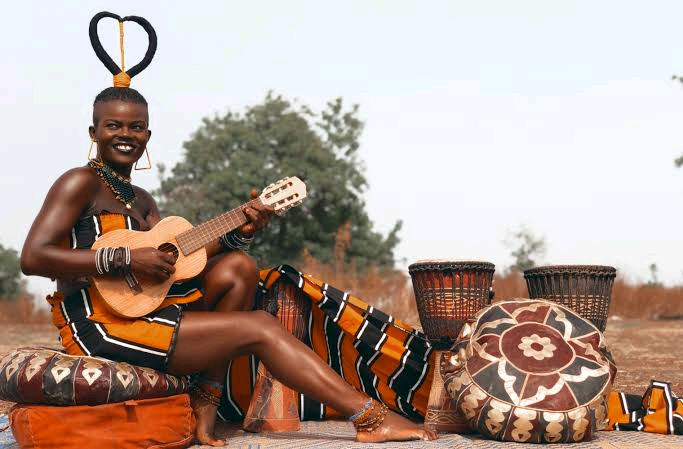
Wiyaala Spotlights Traditional Fugu Smock Months After Being Crowned Global Fugu Queen
Wiyaala is shown in the video highlighting the traditional handwoven smock known as Fugu, a garment closely associated with communities in northern Ghana.

culture | BY Joshua Narh | August 3rd, 2026
Pile-Up Crash Blocks Accra-Kumasi Highway At Birimso Bridge
The police said the Eastern South Regional Motor Traffic and Transport Department (MTTD) team from Kibi has been deployed to the scene and has introduced temporary traffic diversions to manage the situation.

music | entertainment | BY Angela Kuffour | August 3rd, 2026
Shatta Wale Says “God Didn’t Want Me to Perform” After ShattaFest UK Cancellation
Shatta Wale’s management released a statement expressing deep sorrow and confirming the decision to cancel the concert, emphasizing that the safety and well-being of fans took priority.
music | BY Joshua Narh | August 3rd, 2026
Moliy Unveils BADDIES LOVE MOLIY Mixtape
Announced through Gamma, the summer-inspired mixtape sees Moliy expand her signature Afro-fusion style by blending Afrobeats, dancehall, pop, R&B and Caribbean influences into one cohesive body of work.

music | BY Joshua Narh | August 3rd, 2026
Kweku Flick Releases New Single FRANGŌ
The song, which was first teased across his social media platforms ahead of its release, serves as one of the records from his forthcoming album and continues the artiste's run of melodic, relatable music that has earned him a loyal fan base.
sports | BY Joshua Narh | August 3rd, 2026
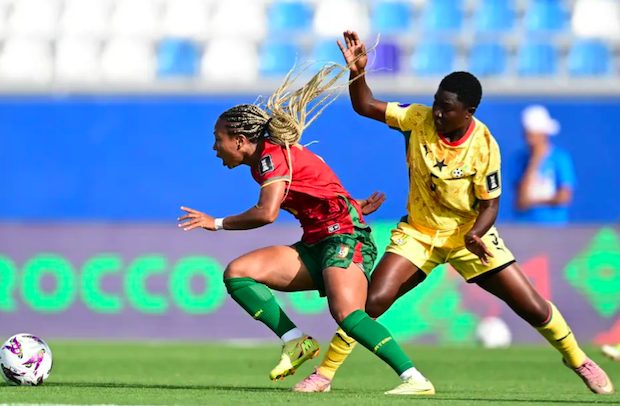
Black Queens Suffer WAFCON 2026 Defeat Against Cameroon
A first-half penalty converted by Marie Gisèle Ngah Manga proved decisive after a VAR review ruled that Ghana defender Benedicte Simon had handled the ball inside the box.

music | entertainment | BY Angela Kuffour | August 3rd, 2026
Ariana Grande To Take A Break From Public Life
The announcement was made just days after Grande released the music video for her song Petal from her eighth studio album. The music video has since sparked speculations about her health among fans and critics.

entertainment | BY Joshua Narh | August 3rd, 2026
Ghana Party In The Park Organisers Clarify Incident, Denies Fatality Rumours
In a statement shared via their official Instagram page following the incident, the organisers clarified that no such incident took place.

culture | BY Joshua Narh | August 3rd, 2026
Kuami Eugene Calls For Stronger Promotion Of Ghanaian Hiflife Globally
Kuami Eugene said the challenge is not the quality of the music but the lack of collective effort in promoting it.
More Similar Videos

music,entertainment | Lerny Lomotey | October 27th, 2025
Showboy Shares His Journey From Prison To Becoming Ghana's Biggest Trapper
Comments