AFCON Final Marked by Controversy And Decisive Extra-Time Strike

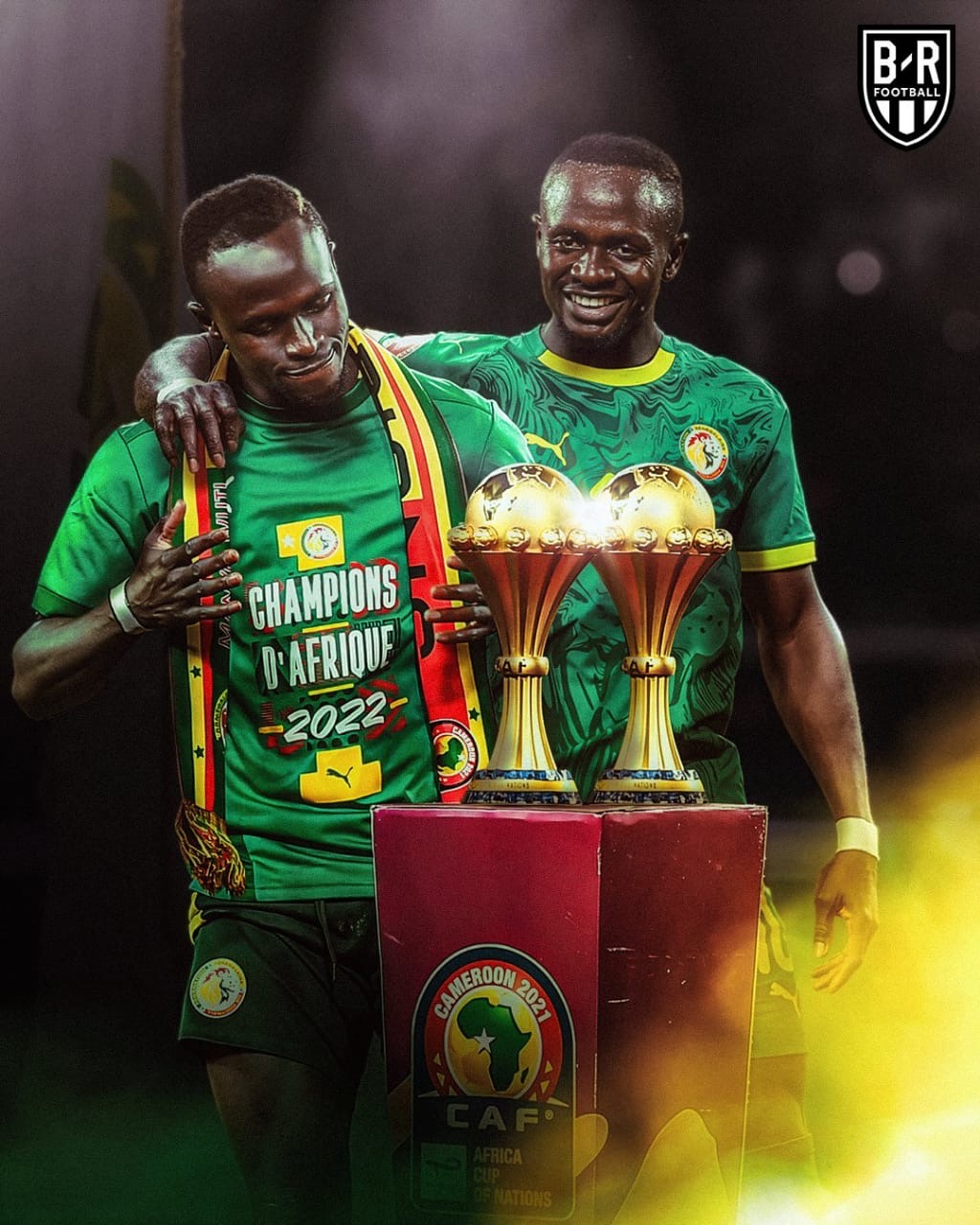
The final of the Africa Cup of Nations will be remembered as one of the most dramatic and contentious matches in the competition’s history, as Senegal edged hosts Morocco 1–0 after extra time in a match defined by officiating decisions, protests and a moment of decisive quality.
Played before a packed home crowd, the occasion carried enormous significance for Morocco, which was seeking a long-awaited continental triumph on home soil. At the same time, Senegal entered the final determined to assert their status among Africa’s elite.
The opening stages of the match reflected the magnitude of the occasion. Both teams approached the final cautiously, prioritising defensive organisation and midfield control over attacking risk. Possession was fiercely contested, with few clear chances created in open play.
Morocco enjoyed spells of pressure driven by home support, while Senegal relied on their physical presence and disciplined structure. Despite the intensity, the first half passed without a goal, as both goalkeepers remained largely untested.
As the match approached the end of regulation time, the tempo increased and tension grew. In stoppage time, Senegal believed they had taken the lead after a headed effort found the net. Celebrations were short-lived, however, as the referee ruled out the goal for a foul in the build-up.
The decision sparked immediate protests from Senegal’s players and technical staff, while Morocco was handed a significant reprieve. The controversy would prove to be a precursor to even greater drama moments later.
Deep into stoppage time, the referee was called to the pitch-side monitor following a VAR review. After consultation, a penalty was awarded to Morocco for a challenge on Brahim Díaz inside the area.
The decision provoked intense reaction from the Senegal camp, which strongly disputed the call. Emotions escalated rapidly, culminating in one of the most extraordinary moments ever witnessed in an AFCON final.
In a rare and unprecedented act at this level, Senegal’s players left the pitch in protest against the officiating decisions. The match was suspended for several minutes as officials, security personnel and team representatives worked to restore order.
The situation raised serious concerns about the continuation of the final and the possibility of disciplinary consequences.
Amid the confusion, Senegal captain Sadio Mané played a pivotal role in calming tensions. Through dialogue with teammates and officials, he helped convince the Senegal side to return to the pitch and resume play, ensuring the final could be concluded on the field.
When play resumed, Morocco were presented with a decisive opportunity to claim the title. Brahim Díaz stepped up to take the penalty but opted for a delicate Panenka-style effort.
The attempt was comfortably saved by Senegal goalkeeper Édouard Mendy, a moment that dramatically shifted momentum and deflated the home crowd.
Only minutes into extra time, Senegal capitalised on their renewed belief. A swift counter-attack culminated in Pape Gueye striking a powerful left-footed shot into the top corner, giving Senegal the breakthrough they had been denied earlier.
It proved to be the defining moment of the final.
Morocco responded with urgency, committing numbers forward in search of an equaliser. They came close on several occasions, including a header that struck the crossbar, but Senegal’s defence remained resolute under sustained pressure.
Clearances, blocks and disciplined positioning ensured Senegal protected their narrow advantage until the final whistle.
At full-time, Senegal was confirmed as AFCON champions following a 1–0 victory after extra time. A triumph achieved through resilience, composure and decisive execution in the most challenging of circumstances.
The final will be remembered not only for its outcome, but for the sequence of controversial decisions, the rare on-pitch protest and the leadership shown in restoring order to a match on the brink of collapse.
This final encapsulated the extremes of international football, tactical caution, emotional volatility, controversial officiating, and moments of individual brilliance. It stands as one of the most talked-about AFCON finals in history, leaving a lasting imprint on the tournament’s legacy.
Sign up for the 3Music Newsletter for breaking news, events, and unique stories.
MORE FROM
entertainment
-
music entertainment culture
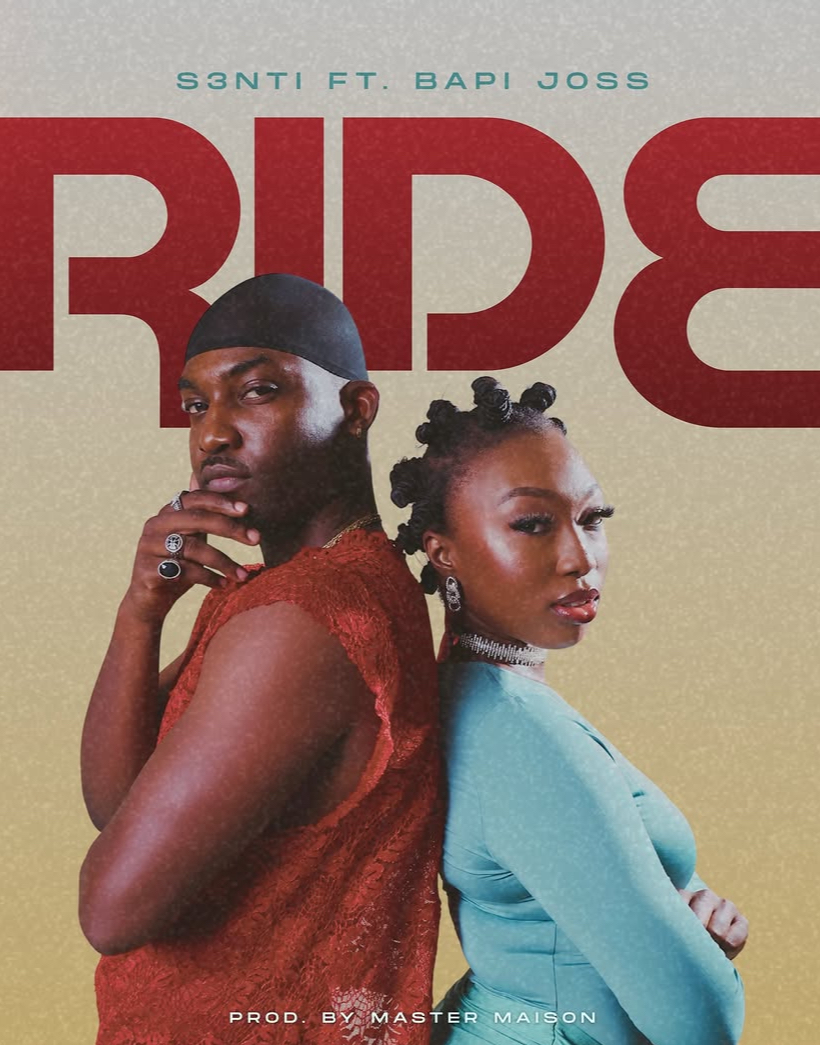
S3nti and Bapi Joss Open Up About Music, Vulnerability and Their Sultry New Single RIDE
By Christabel Newman
April 29th, 2026
-

music entertainment fashion & lifestyle culture
Ghana Music Awards USA Navigates Growth, Changing Audiences and Industry Challenges
By Christabel Newman
April 28th, 2026
-
fashion & lifestyle culture
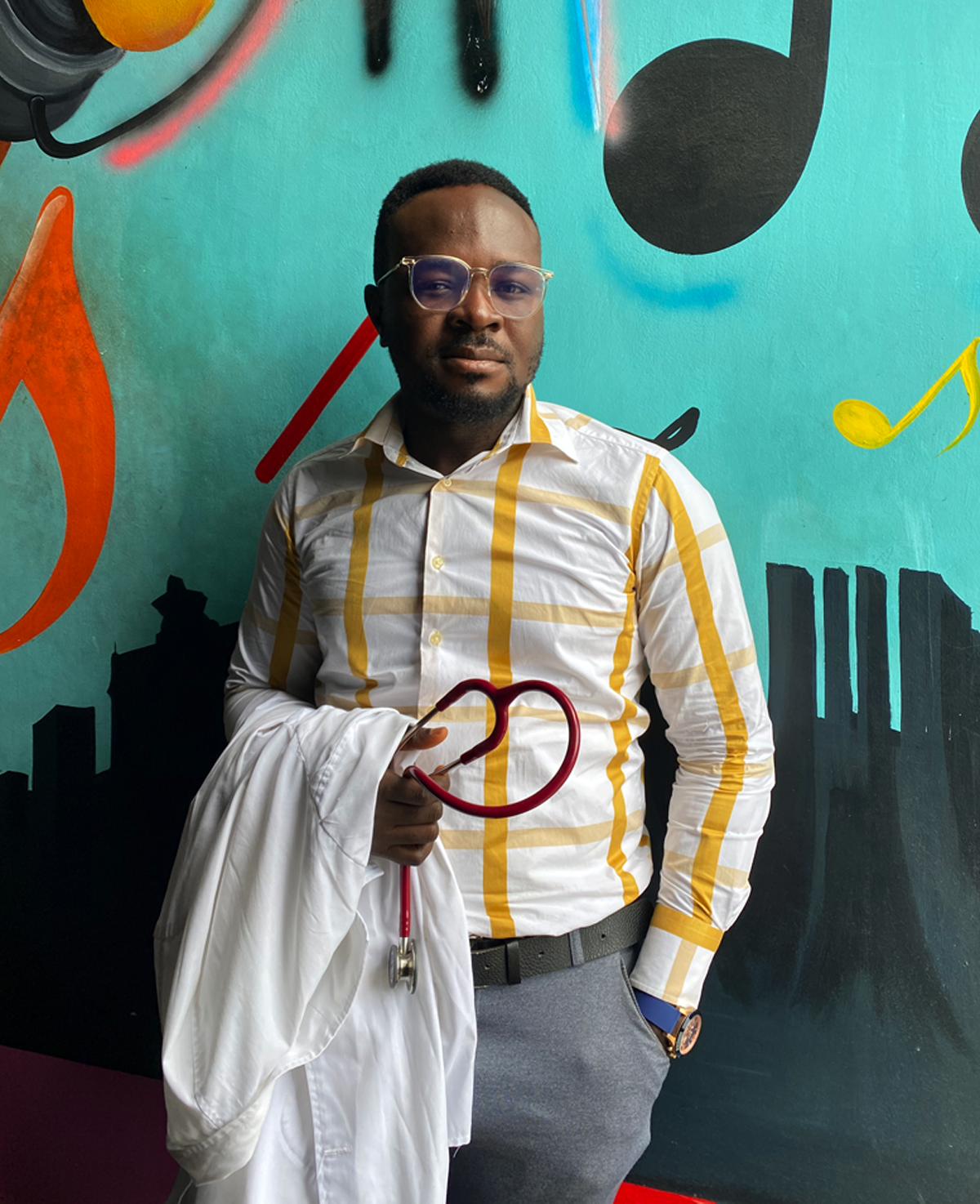
Dr Christian Aminarh Breaks Down H. Pylori
By Christabel Newman
April 28th, 2026
-
entertainment culture
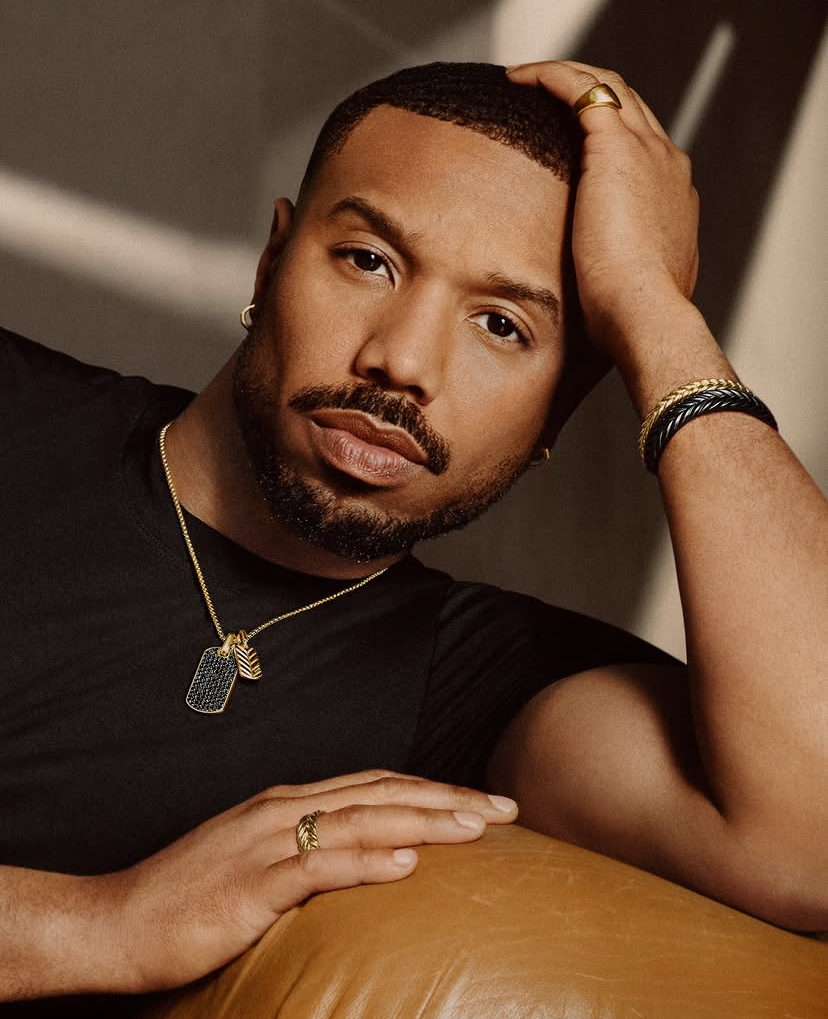
Michael B. Jordan Enters The World Of Animation With SWAPPED
By Christabel Newman
April 28th, 2026
-
entertainment fashion & lifestyle culture
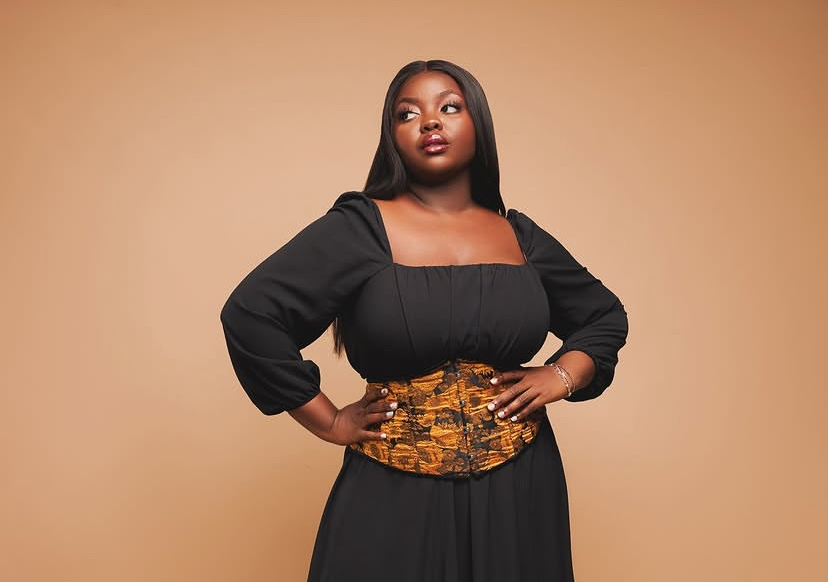
Inside Glow By WornAgain: The Beauty Hub Redefining Self-Care in Tema
By Christabel Newman
April 28th, 2026
More From 3Music News

music | entertainment | culture | BY Christabel Newman | April 28th, 2026
Dikoo Opens Up On Choosing Music Over School & New Medikal Collaboration
One of the major highlights of the interview was his latest single Ahoya, which features Medikal. According to Dikoo, the collaboration came together through…
entertainment | fashion & lifestyle | culture | BY Christabel Newman | April 28th, 2026
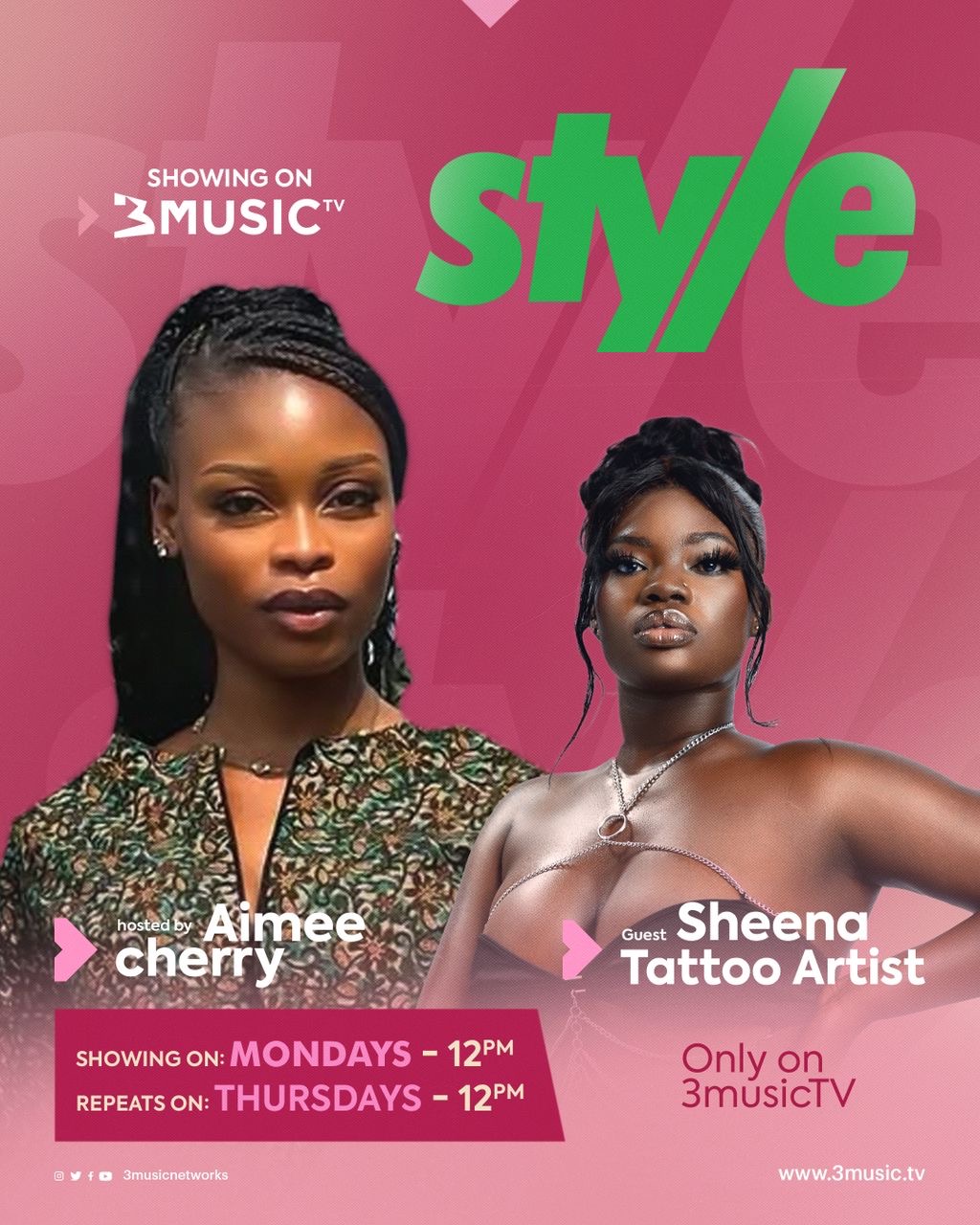
“The minute the needle touched my skin, I knew I wanted to become a tattoo artist” - Sheena
“My least favourite tattoos are lovers’ names,” she admitted. According to her, many women sometimes feel pressured by partners into getting matching tattoos or names inked onto their bodies.

fashion & lifestyle | culture | BY Christabel Newman | April 28th, 2026
Lasandra Cavalli Simmons Opens Up On Bringing Luxury Hair Extensions To Ghana
Prices for the luxury extension services start from around GH¢5,000 depending on the length, texture and installation process. While some may view the pricing as expensive…
music | entertainment | culture | BY Christabel Newman | April 27th, 2026
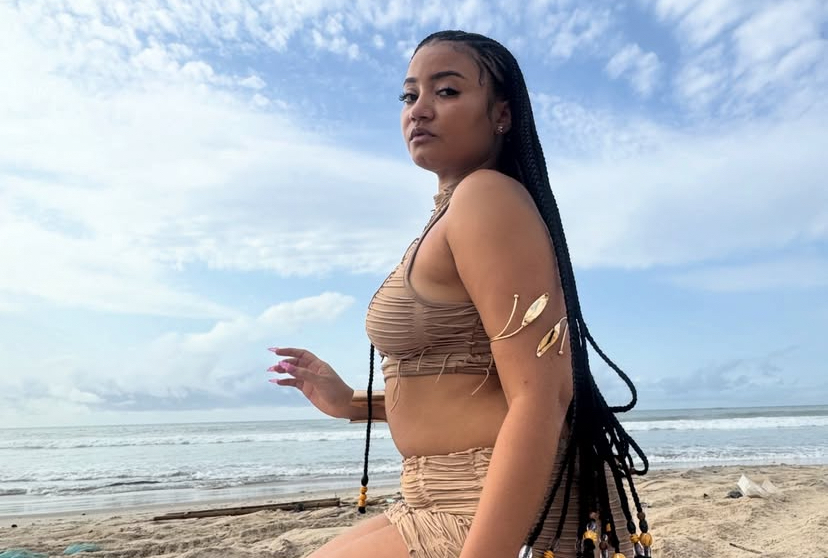
Mellisa Set To Unveil DIAMOND BABY EP
Rising Ghanaian music talent, Mellisa, is building anticipation ahead of the release of her upcoming EP DIAMOND BABY, scheduled to drop on May 1st...

entertainment | sports | BY Christabel Newman | April 27th, 2026
Kurt Okraku Confirms Ghana As Host Of 2027 U-20 AFCON
President of the Ghana Football Association, Kurt Okraku, has officially confirmed that Ghana will host the 2027 edition of the CAF U-20 Africa Cup of Nations…
entertainment | culture | BY Christabel Newman | April 27th, 2026
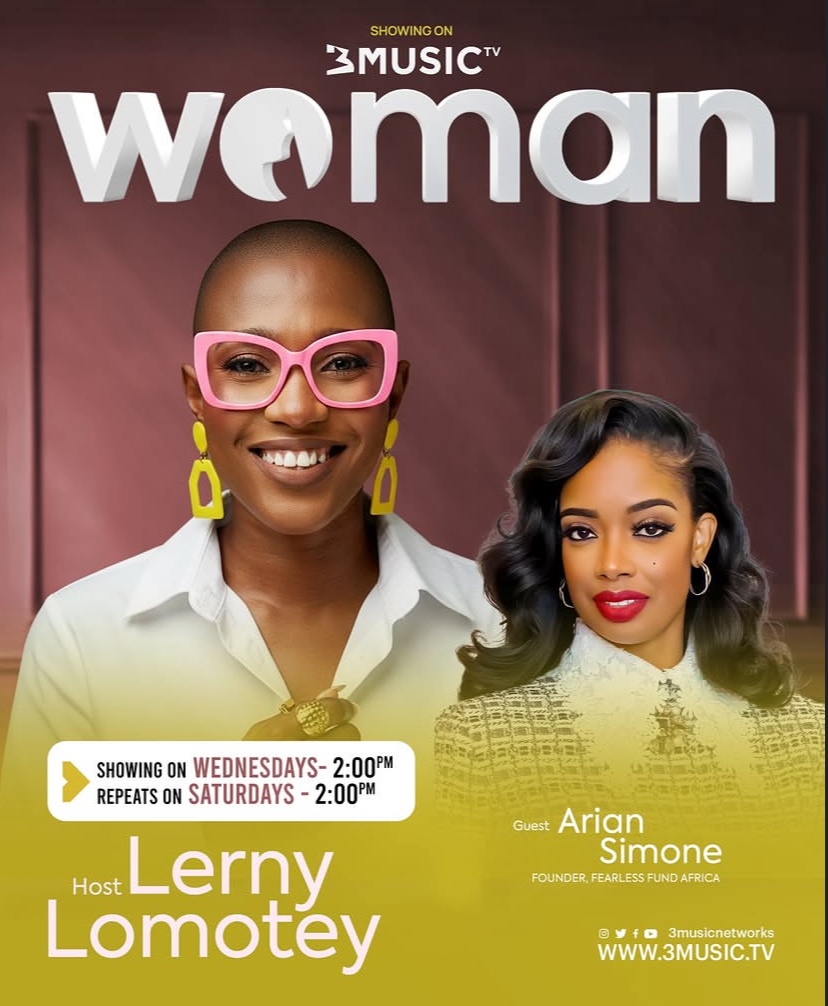
Arian Simone’s Journey From Lemonade Stands To Millions
Her company was sued in federal court over a program supporting Black women entrepreneurs. “I found out through the news,” she said. “I thought it was a mistake.”

entertainment | culture | BY Christabel Newman | April 27th, 2026
H.E Simone Giger On Rebellion & Growth
Even today, that same strong-willed nature remains a defining trait. “If something goes against my sense of fairness or justice, I will speak up. That’s who I am.”

entertainment | culture | BY Christabel Newman | April 27th, 2026
Aba Arthur On Purpose And Owning Your Story
Her work has since expanded across theatre, film, and television, with credits including major productions such as The Color Purple and Black Panther: Wakanda Forever...
music | entertainment | culture | BY Christabel Newman | April 24th, 2026
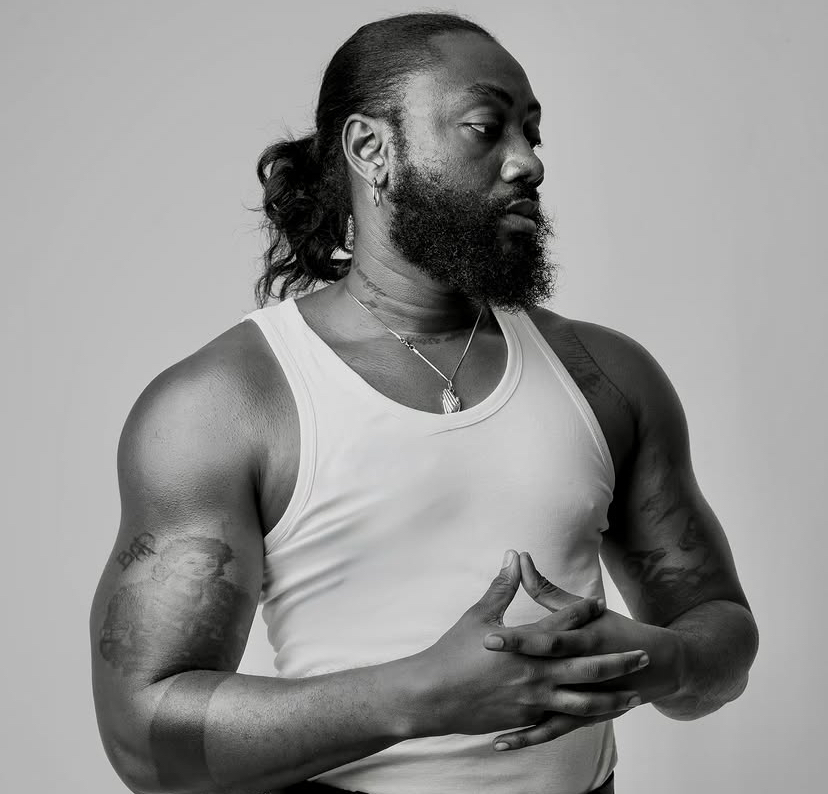
“Joey B and I are grown men now, what’s there to fight about?” — Pappy Kojo
It’s a sign of maturity, choosing peace over prolonged industry drama. With his latest album, CANTATA, the rapper is tapping into nostalgia and cultural richness.
entertainment | fashion & lifestyle | sports | culture | BY Christabel Newman | April 23rd, 2026
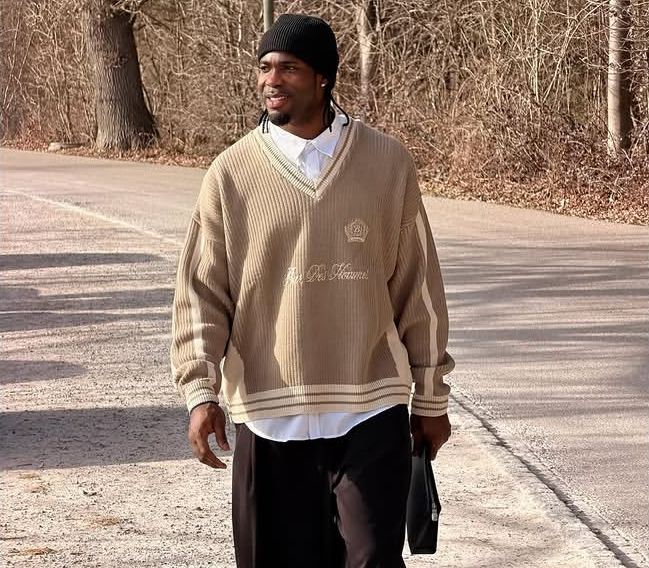
Lawrence Ati Zigi Ties The Knot With Longtime Partner Perihan Zigi
The wedding was intentionally kept intimate, with only close family members and a small circle of friends in attendance, reflecting the couple’s preference for a low-key…

entertainment | fashion & lifestyle | culture | BY Christabel Newman | April 23rd, 2026
Chef Abbys Takes Ghanaian Cuisine Global With London Food Tour Announcement
Ghanaian culinary creative, Chef Abbys, is set to take her vibrant food experience beyond borders with an exciting UK tour scheduled for May 10th–24th...

music | entertainment | fashion & lifestyle | sports | BY Christabel Newman | April 23rd, 2026
Hear Sound Loud And Clear With Loewe Ghana’s WE. HEAR Audio Devices
Designed for both style and performance, the We. HEAR lineup blends sleek aesthetics with powerful sound output, targeting music lovers who want quality audio on the go...
More Similar Videos
music,entertainment | Lerny Lomotey | October 27th, 2025
Showboy Shares His Journey From Prison To Becoming Ghana's Biggest Trapper
Comments