Ghana Exits IMF Programme, Moves To Non-Financing Policy Support Arrangement

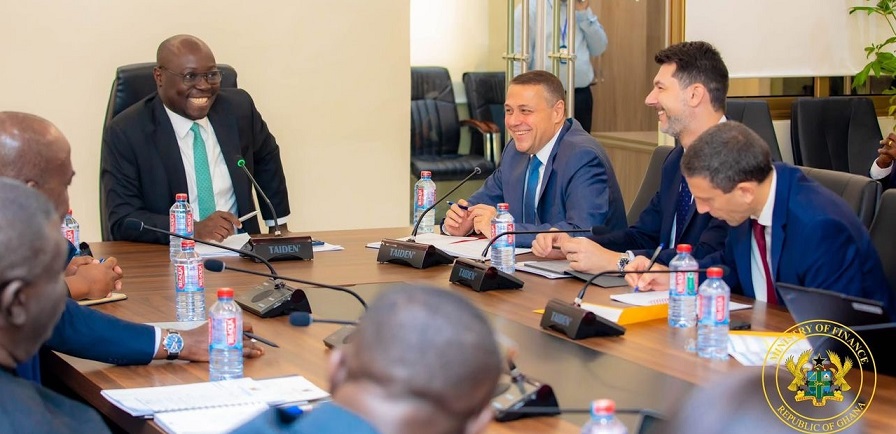
The Government of Ghana has officially ended its Extended Credit Facility (ECF) programme with the International Monetary Fund (IMF)
The government is now focused on transitioning to a new non-financing Policy Coordination Instrument (PCI) arrangement aimed at sustaining economic reforms and stability.
The decision follows the conclusion of an IMF staff mission to Accra from April 29 to May 15 for the 2026 Article IV consultation, the sixth and final review of the ECF programme, and discussions on Ghana’s request for the new policy arrangement.
In a statement issued at the end of the mission, IMF mission chief Ruben Atoyan said Ghana’s IMF-supported programme had produced “substantial stabilization gains,” citing a rapid decline in inflation, improved confidence in the cedi, stronger fiscal performance, and the rebuilding of international reserves.
According to the IMF, Ghana’s economy also recorded stronger-than-expected growth in 2025, supported by broad-based economic activity and historically high gold export receipts.
The Fund noted that the country’s public debt ratio had declined sharply while the primary fiscal surplus exceeded programme targets in 2025.
“As macroeconomic stability takes hold, IMF engagement is pivoting from crisis stabilization to consolidation, with a focus to help sustain reform momentum and build resilience beyond the current ECF programme,” the statement said.
The IMF said it had reached a staff-level agreement with Ghanaian authorities on a new 36-month PCI programme that would not involve direct financial support but would instead focus on policy coordination and reform implementation.
The new arrangement is expected to support growth-friendly fiscal adjustment, debt sustainability, fiscal transparency, monetary and exchange-rate reforms, financial sector stability, and economic diversification.
The Fund said recent improvements in Ghana’s debt trajectory had created “carefully calibrated fiscal space” that could help government address development needs, youth unemployment, and social spending while maintaining its debt sustainability targets.
The IMF also warned that the global economic environment remained uncertain, noting that the ongoing conflict in the Middle East could affect Ghana indirectly through higher energy, food, and fertiliser prices.
On debt restructuring, the IMF said Ghana had made significant progress with bilateral debt relief agreements reached with about half of official creditors under the G20 Common Framework, while negotiations with remaining creditors continued.
It added that the successful resumption of domestic treasury bond issuance earlier this year signalled renewed investor confidence in the economy.
The IMF further urged Ghana to maintain prudent borrowing, strengthen debt management and transparency, and continue reforms in key sectors, including energy and cocoa.
In the energy sector, the Fund called for measures to reduce distribution and collection losses at the Electricity Company of Ghana, clear legacy arrears, and lower generation costs.
For the cocoa sector, the IMF said deeper reforms were needed to improve efficiency and ensure the long-term financial sustainability of Ghana Cocoa Board.
The Fund also stressed the need to strengthen Ghana’s anti-corruption framework, including public disclosure of standardised asset declarations, to improve governance and investor confidence.
While commending the resilience of Ghanaians and the government’s engagement during the programme, the IMF cautioned against policy reversals and fiscal slippages that could undermine the gains achieved under the bailout programme.
It said sustaining prudent economic policies and accelerating structural reforms would be critical to supporting long-term economic resilience, private-sector-led growth, and job creation.
Sign up for the 3Music Newsletter for breaking news, events, and unique stories.
MORE FROM
culture
-
-
music entertainment fashion & lifestyle culture
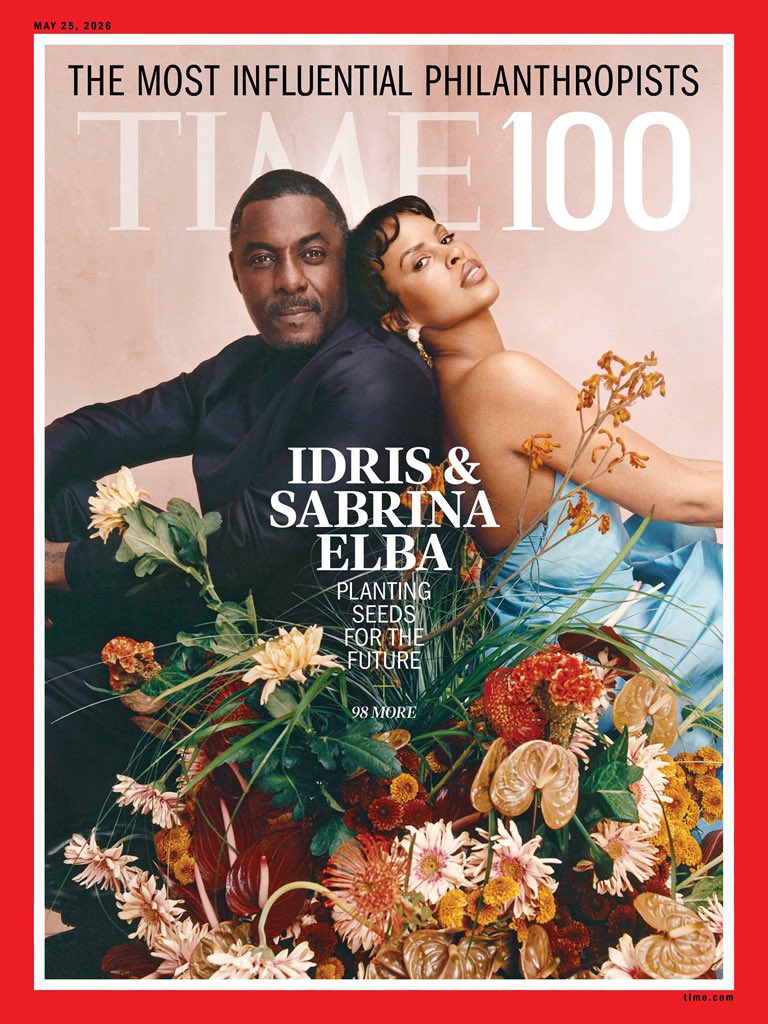
Idris Elba & Sabrina Elba on Time Magazine Most Influential Philanthropists 2026.
By Walter Sena
May 15th, 2026
-

music entertainment culture
Shalimar Abbiusi Speaks On Arrest, Deportation And The New Force Campaign Video
By Walter Sena
May 15th, 2026
-
music entertainment fashion & lifestyle culture
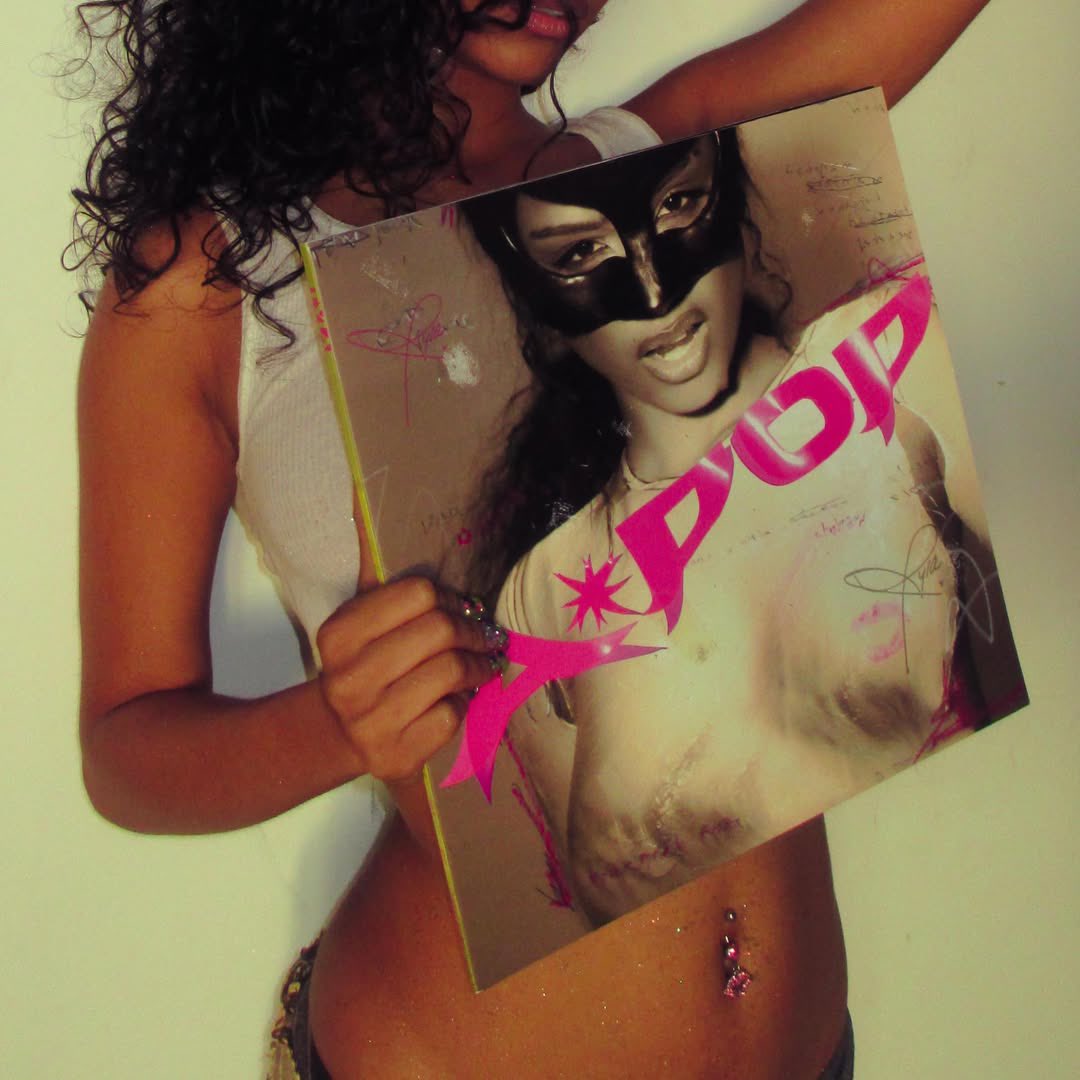
Tyla unveils alternate cover for her new album
By Walter Sena
May 15th, 2026

More From 3Music News

entertainment | culture | BY Joshua Narh | May 15th, 2026
Nana Aba Anamoah Threatens To Report BlacVolta Founder To CID Over Resurfaced Tweets
In a post shared on X on Thursday, Nana Aba dismissed part of Joseph Adjei’s apology statement in which he pledged to work with organisations focused on gender-based violence awareness and women’s empowerment.
sports | BY Angela Kuffour | May 15th, 2026
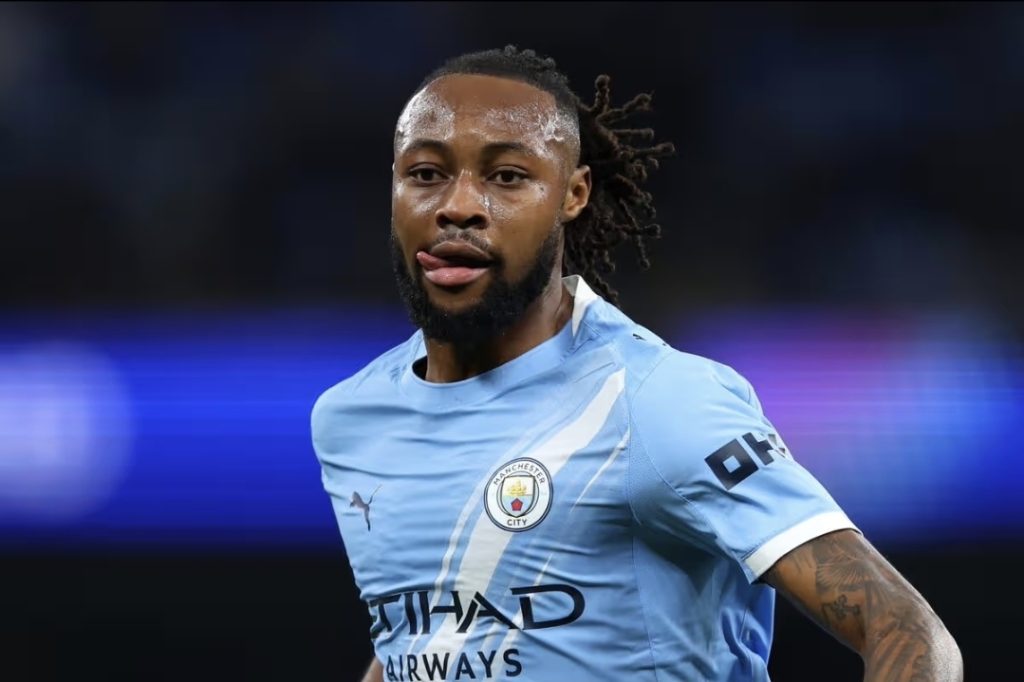
Antoine Semenyo Becomes First Ghanaian Nominated For Premier League Player Of The Season
The 26-year old moved to Manchester City in January having a good start of the season at Bournemouth. The forward quickly cemented his name at the Etihad Stadium clinching the player of the month of February after scoring three goals and one assist in five matches.

entertainment | culture | BY Joshua Narh | May 15th, 2026
BlacVolta Founder Apologises After Resurfaced Rape-Related Tweets Spark Backlash
In a statement posted on Thursday, May 14, Joseph Adjei admitted that several tweets from 2010 and 2011 contained language that was “offensive, insensitive, and wrong,” particularly comments that appeared to joke about rape and sexual violence.

music | entertainment | BY Lerny Lomotey | May 15th, 2026
Shakira And Burna Boy Drop Dai Dai As Official 2026 World Cup Anthem
The song, released on May 14, marks Shakira’s return to the World Cup music stage more than a decade after her globally successful 2010 anthem Waka Waka (This Time for Africa).

music | entertainment | BY Lerny Lomotey | May 14th, 2026
Papi Adabraka Reacts To Cyberbullying
“Oh, boss, I’m hungry, I want money. What are you going to tell me that will affect me? Give me money and insult me," he said. According to him, many people who insult celebrities online are often looking for reactions and attention.

music | entertainment | BY Lerny Lomotey | May 14th, 2026
Papi Adabraka Opens Up On Leaving The Stage To Focus On Fresh Material
Papi revealed that his decision partly explains why he has not recently appeared on some stages alongside dancehall musician Shatta Wale, despite maintaining a close relationship with him.
music | entertainment | BY Lerny Lomotey | May 14th, 2026
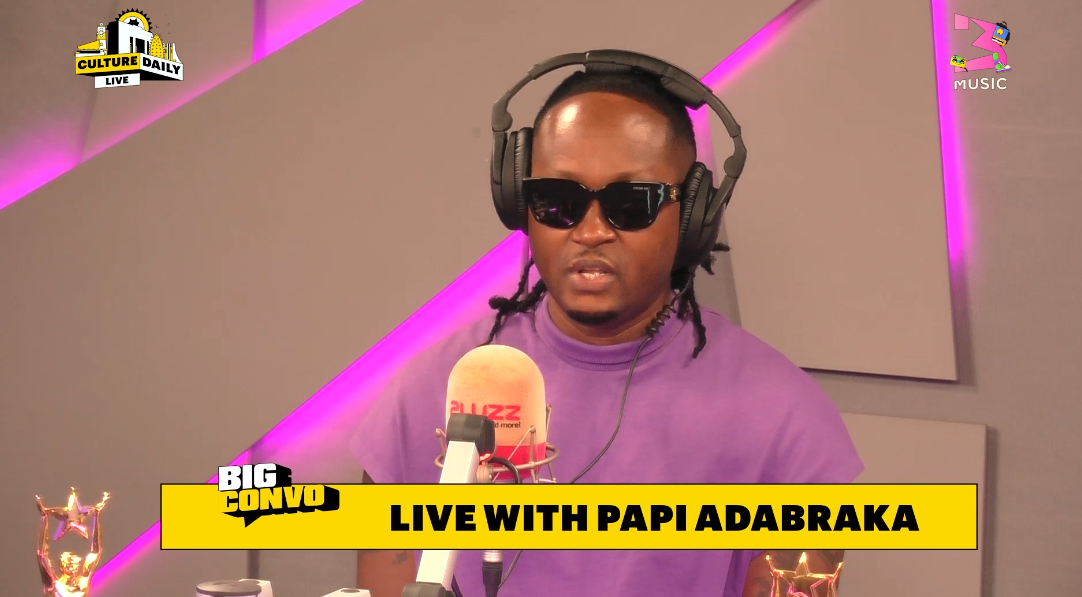
Artistes Are Not Responsible For Knowing The Source Of Investors’ Money - Papi Adabraka
“Like when somebody supports you, wherever the person gets the money from is really none of your business. You’re getting the support, it’s okay,” he said.

culture | BY Lerny Lomotey | May 14th, 2026
Rising Fibre Cuts Threaten Ghana’s Digital Expansion - Telecom Chamber
“We are experiencing over 8,000 cuts per annum when it comes to fibre cuts, which is increasingly a strain on our operators’ resources,” Mrs Owusu-Ankomah said.
culture | BY Lerny Lomotey | May 14th, 2026
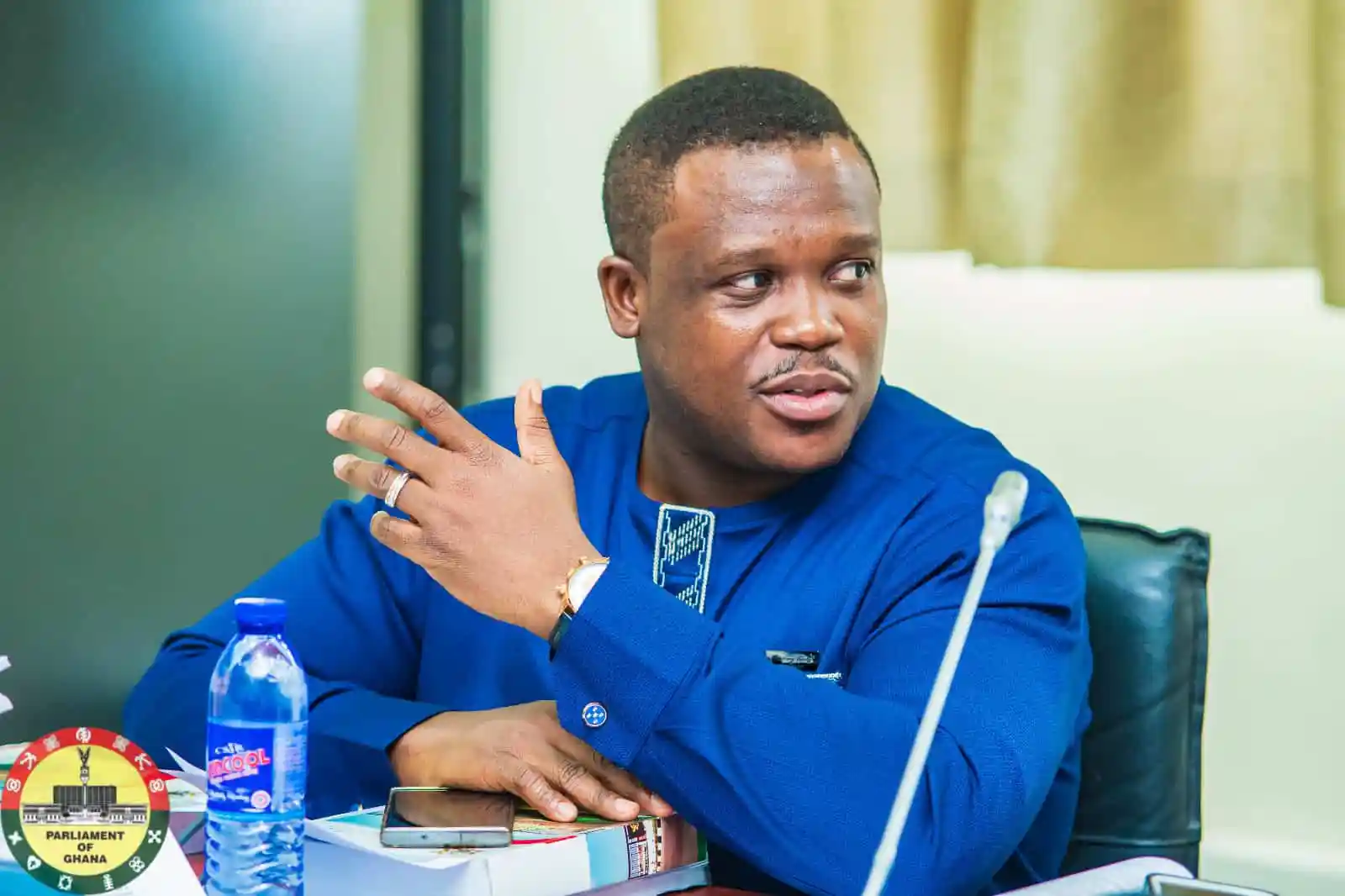
Government Eyes 60% Reduction In Fibre Rollout Costs Under New Dig Once Policy
The Dig Once policy could, by some estimates, reduce the cost of rolling out fibre in Ghana by almost 60 percent,” the minister stated.
sports | BY Lerny Lomotey | May 14th, 2026
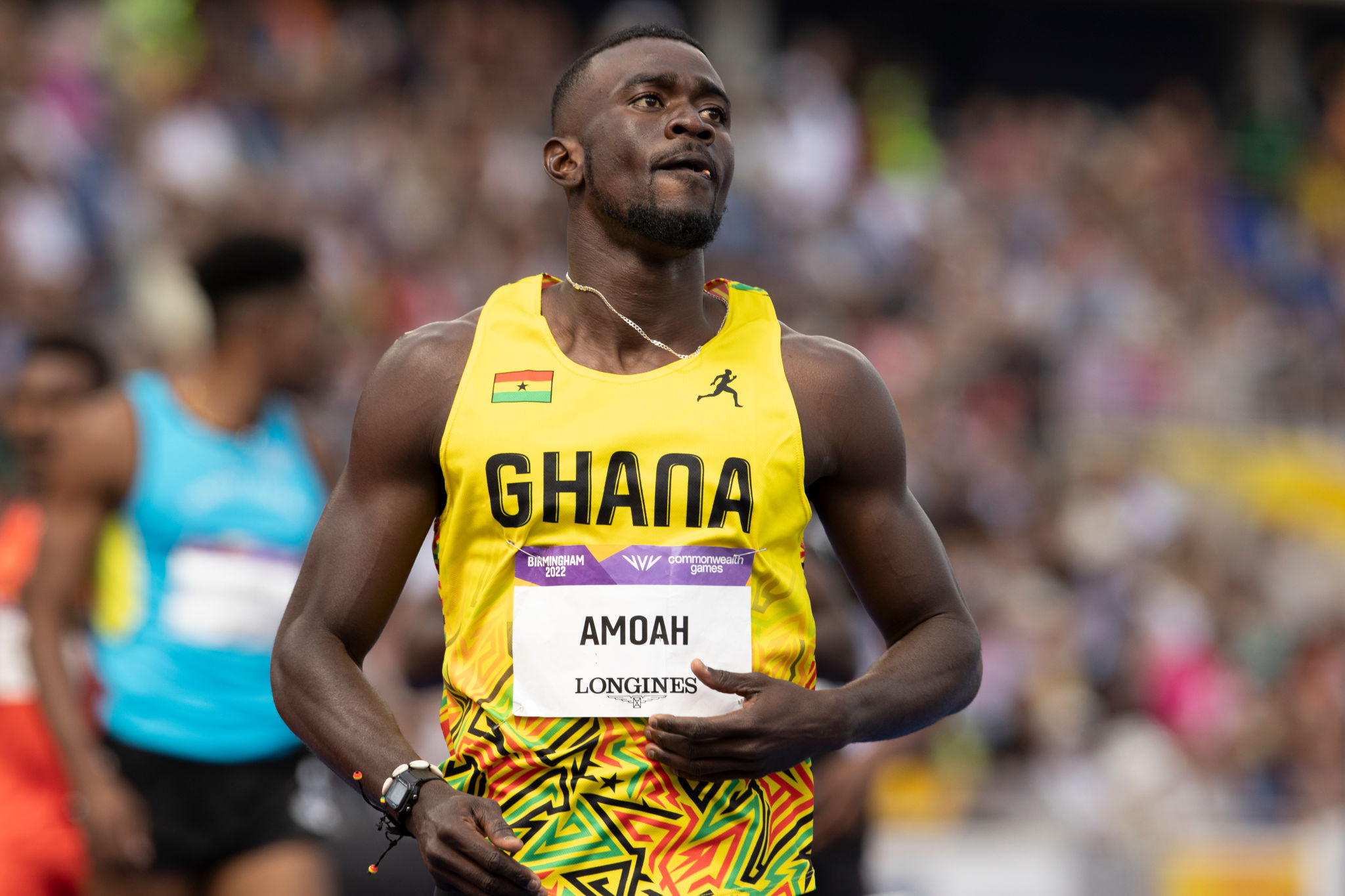
Joe Paul Resorts To Relays After Missing 100m Medal At African Championships
Speaking after the race in an interview zone at the University of Ghana Stadium, Amoah admitted disappointment with the outcome of the individual event but expressed optimism about Ghana’s chances in the relay races.

music | entertainment | fashion & lifestyle | sports | BY Walter Sena | May 14th, 2026
Madonna, Shakira & BTS To Headline 2026 FIFA World Cup Final Halftime Show
Madonna, Shakira and BTS are reportedly set to headline the halftime show at the 2026 FIFA World Cup Finals, creating massive excitement among football and music fans worldwide.
music | entertainment | fashion & lifestyle | BY Walter Sena | May 14th, 2026
Simone Giger Calls Black Sherif A Great Storyteller
Black Sherif has received high praise from Switzerland’s Ambassador to Ghana, Simone Giger, following her experience watching the award-winning artiste perform live in Switzerland before her diplomatic posting to Ghana.
More Similar Videos

culture | 3Music TV | April 4th, 2024
Hammer Shares Music Production Experiences and Artiste Relationships
Comments