Grammy-Nominated Malian Trailblazer Fatoumata Diawara Is Spotify’s EQUAL Africa Artist For June
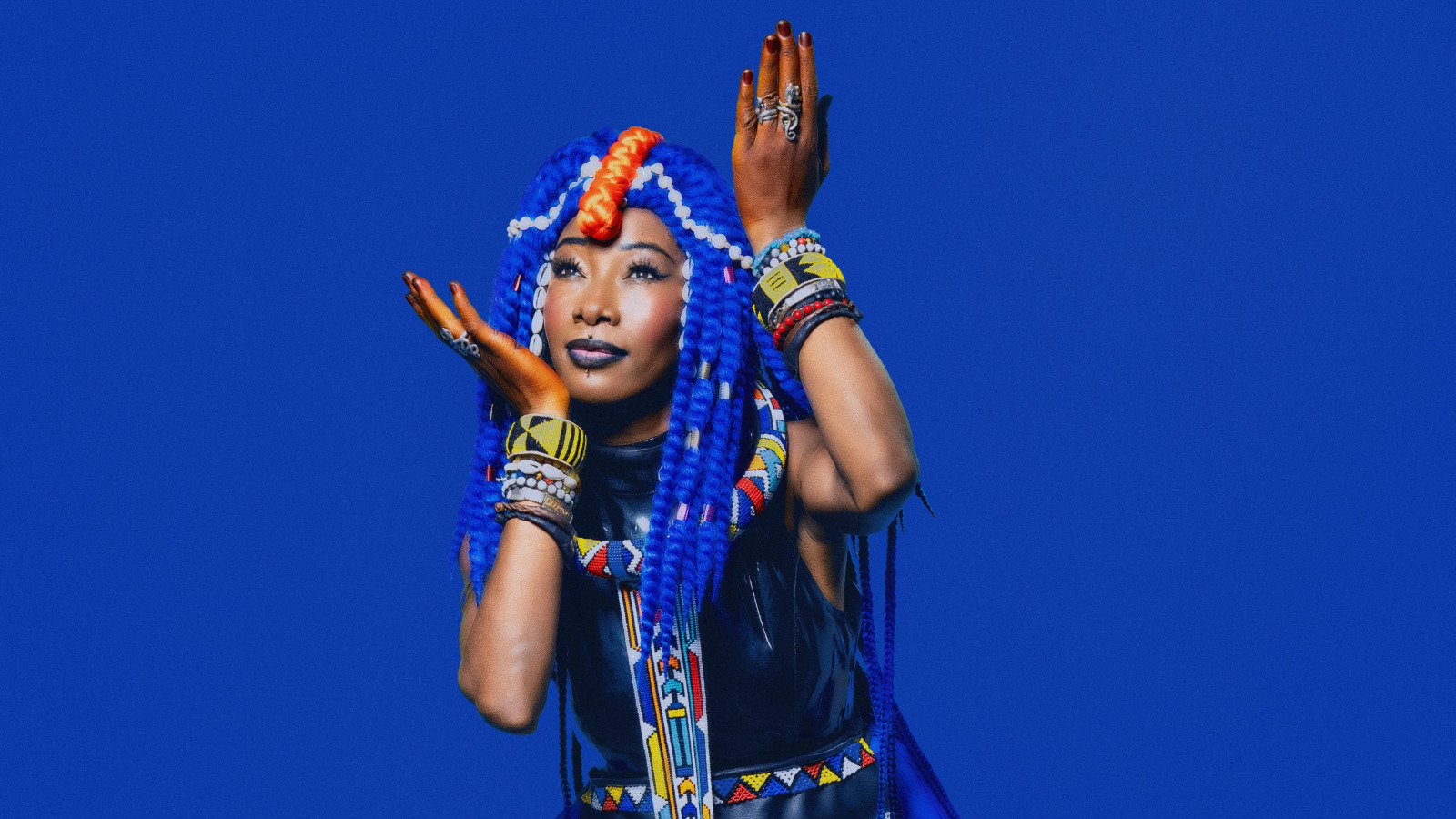
Grammy-nominated Malian singer, songwriter, guitarist and actress Fatoumata Diawara has been announced as Spotify’s EQUAL Africa artist for June.
A premier voice on the world stage, Diawara has spent years redefining contemporary music by carrying Mali’s Mandinka traditions into a global sound rooted in wisdom, resilience and social change.
Her journey spans film, theatre and music, from early work in Mali’s film space and time as a backing vocalist for her mentor, Oumou Sangaré, to a career marked by striking collaborations with Damon Albarn, Gorillaz, Disclosure and the Lamomali collective, which drew 450,000 spectators in France last year.
Across projects, she has continued to evolve without losing the advice-giving spirit of her Wassoulou heritage.
In 2026, Fatoumata returns with MASSA, her most personal work to date. Set for release on June 5, 2026, the introspective solo album is co-produced by French pop icon and guitar hero -M- and balances her life as an international star with her role as a mother.
Through songs of wisdom and resilience, she addresses modern societal challenges while inviting listeners to find beauty and gratitude in their own destinies.
By blending her deep Mandinka roots with vibrant pop textures, Fatoumata delivers a forward-looking sound that continues to expand the possibilities of African music.
She is also making history in 2026 as the first Black woman to launch a signature guitar with Gibson Epiphone, further cementing her status as a trailblazing force for a new generation of musicians.
Spotify’s EQUAL Africa programme continues to spotlight women redefining the continent’s music narrative, and Fatoumata’s selection underscores her enduring influence.
Through her releases, performances, collaborations and barrier-breaking achievements, she embodies how contemporary African artists are reshaping sound and culture on their own terms.
“Fatoumata’s music reflects the creativity and drive that have helped shape Africa’s current music scene,” says Phiona Okumu, Spotify’s Head of Music for Sub-Saharan Africa. “As part of Spotify’s EQUAL programme, she represents how African women are advancing visibility, driving opportunities, and building global connections through their art.”
We caught up with Fatoumata to explore her creative journey, her inspirations, and the soulful energy that is ever-present in her music.
Quote/Q&As
1 What is that one surprising thing your fans might not know about you?
If I wasn't a singer, I think I would have loved to be a babysitter. I love children and I have always felt a special connection with them. Children are honest, spontaneous, and full of imagination. Being around them brings me joy and reminds me to stay curious and open-hearted.
2 When did you realise that making music was in your destiny and what is your WHY for pursuing this craft?
When I was very young, I experienced the loss of my sister. It was a painful moment in my life, and I remember feeling alone with my sadness. Instead of crying, I started singing. Music became a way for me to express emotions that I couldn't put into words. It transformed my pain into something beautiful. It was like turning rain into sunshine.
That was the moment I realised music was my destiny. It became my way of surviving trauma, healing wounds, and finding hope. Music continues to heal me today.
3 Which African songs or artists did you grow up listening to?
I grew up listening to incredible artists who shaped my musical identity, including Amadou & Mariam, Fela Kuti, Ali Farka Touré, Kassav', and Miriam Makeba. Each of them brought something unique to my understanding of music.
4 To someone who has never heard your music, how would you describe the sound, tone, and style?
My music is a melting pot of influences. At its heart, it is rooted in Mali, but it also embraces blues, folk, rock, jazz, and modern sounds from around the world. I like to build bridges between tradition and modernity. My songs carry the rhythms and stories of my culture while remaining open to new sounds and ideas. The result is a musical journey that is both deeply African and universally human.
5 Any advice for someone dreading following their dreams?
Never doubt yourself. There is a hidden power inside each of us, a strength that often comes from our ancestors, our history, and our life experiences. Sometimes we don't see it right away, but through hard work and perseverance, we discover it.
Believe in yourself even when nobody else does. Don't let fear stop you from taking the first step. Fear is natural, but it should never be stronger than your dreams. Trust your intuition, stay focused, and keep moving forward. The power you are looking for is already within you.
6 How do you navigate the music space as a woman artist and how does your unique perspective shape your artistry?
For me, everything starts with listening to myself. As women, we often have clear ideas, strong instincts, and creative visions, but sometimes we hesitate to share them. I have learned that it is important to trust my voice and communicate my ideas with confidence.
I believe we already carry many of the answers within us. The challenge is learning to listen. When I trust myself and stay connected to who I am, it becomes easier to navigate the industry and stay true to my artistic vision. My perspective as a woman shapes my music because I write from lived experiences, emotions, and stories that are deeply personal but also universal.
7 A quote from you about your experience navigating the male-dominated world of music and what being a part of the EQUAL programme means to you.
"The day I picked up a guitar, I already felt equal. The guitar became my weapon, my freedom, and my voice."
I encourage every young woman artist to learn an instrument if she has the opportunity. It gives you independence and confidence. In a male-dominated industry, communication is also essential. You must express your ideas clearly, stand by your decisions, and never doubt your value.
Being part of the EQUAL programme is meaningful because it helps amplify women's voices and creates more opportunities for future generations of female artists. Equality is not about asking for permission to be heard; it is about recognising your own power and using it fearlessly. Freedom is a tool, and every woman deserves to have access to it.
Source: Gabriel Myers Hansen for Spotify
Sign up for the 3Music Newsletter for breaking news, events, and unique stories.
MORE FROM
entertainment
-
entertainment
Victoria Remi Nkong Pushes For Stronger Support For Women In Africa's Music Industry
By Joshua Narh
July 24th, 2026
-
entertainment
Victoria Remi Nkong Calls For United African Approach To Grow Music Industry
By Joshua Narh
July 24th, 2026
-
entertainment
Vania Ice Credits Regional Collaborations With Expanding Opportunities For Burundian Musicians
By Joshua Narh
July 24th, 2026
-
music entertainment
Chris Brown Pleads Guilty To Affray Over Nightclub Incident
By Angela Kuffour
July 24th, 2026
-
entertainment
Women In Music Face Objectification And Unwanted Advances - Lami Phillips And Vania Ice
By Joshua Narh
July 24th, 2026
More From 3Music News
entertainment | BY Joshua Narh | July 24th, 2026
Lami Phillips Calls For Stronger Pan-African Collaborations To Grow African Music
Speaking on the Big Convo segment of Culture Daily on 3Music TV and Pluzz 89.9 FM, Lami Phillips said initiatives such as the Amplify Her programme were helping to connect emerging and established female artists through workshops, networking and studio sessions.

culture | BY Joshua Narh | July 23rd, 2026
Cheddar's No. 1 Oxford Street Hotel Appeals Court Order, Insists Facility Remains Under Its Control
In a statement issued on Thursday, Kensington Residential Partners 1 Limited (KRP1), the company that owns and manages the hotel, said media reports suggesting the property had already been handed over to a receiver appointed by Cola Holdings Limited created a false impression.
culture | BY Angela Kuffour | July 23rd, 2026
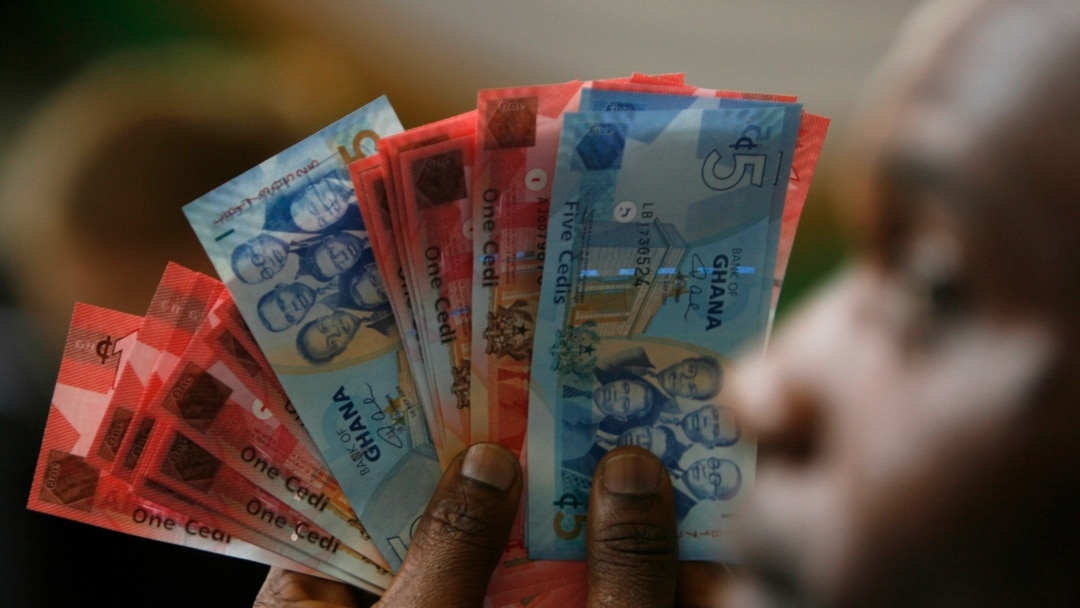
Ghana Crosses $100 Billion Mark, Ranks 8th Largest Economy In Africa
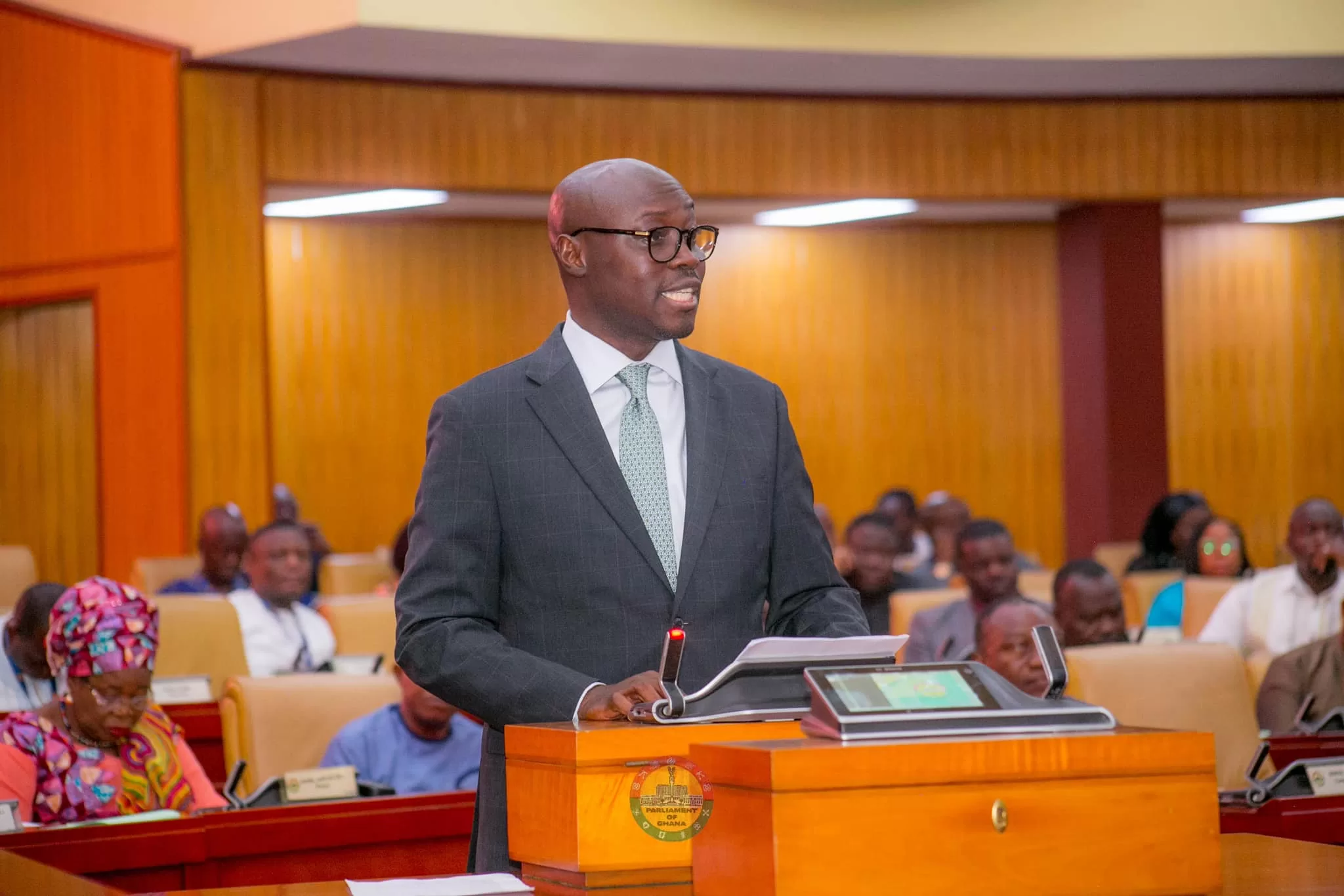
The Finance Minister said the economic growth has persisted into 2026, surpassing government projections with real GDP growth of 6.4% in the first half of the year.
culture | BY Joshua Narh | July 23rd, 2026
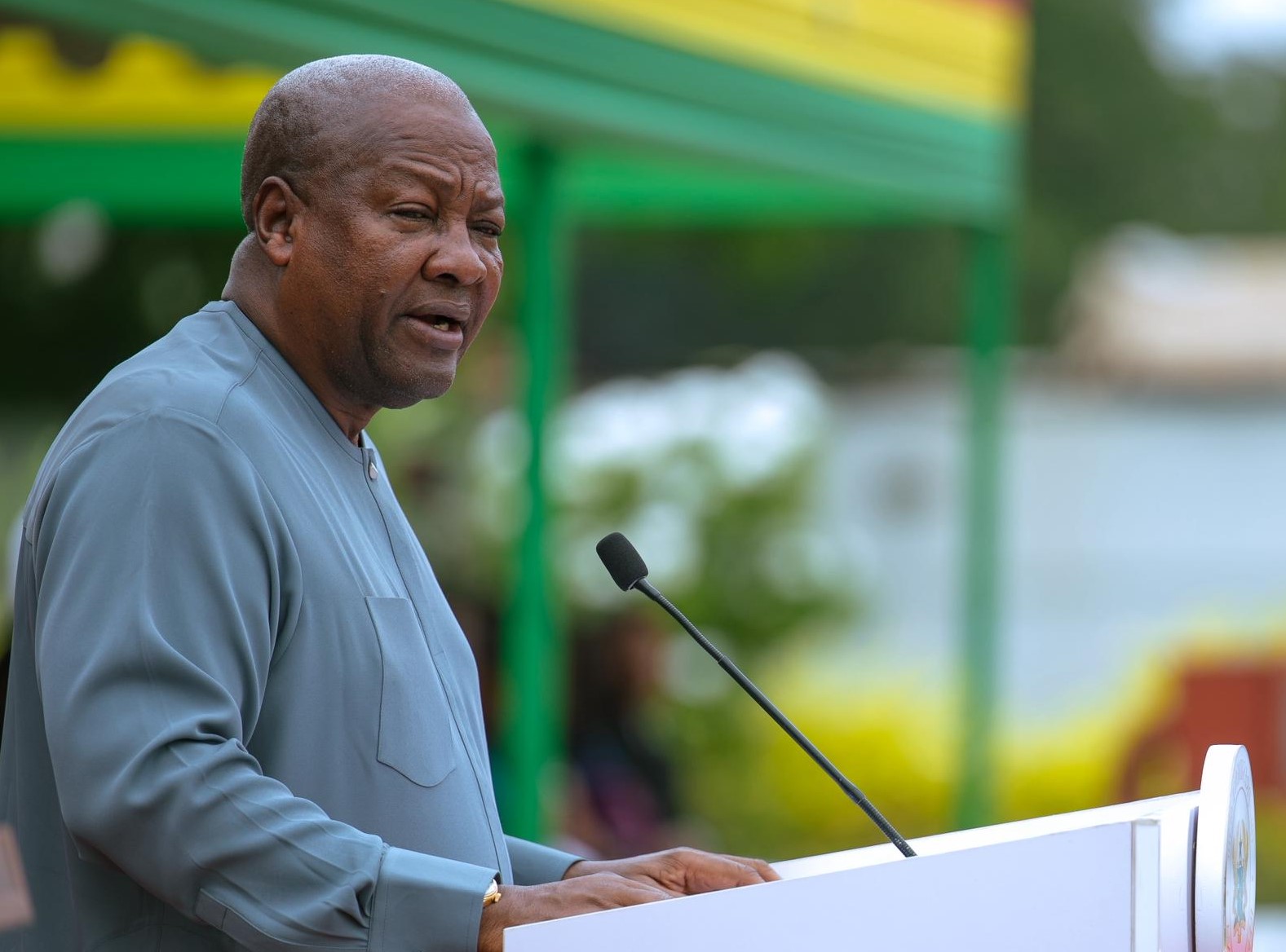
President Mahama Questions South Africa's Response To Xenophobic Attacks
According to the President, the situation requires a stronger and more decisive response from the authorities to prevent further attacks and protect the lives and rights of all people living in the country.

entertainment | BY Joshua Narh | July 23rd, 2026
Lalixlola Set To Deliver FIRE & FLOW CONCERT – KAMAKAZI EDITION
The concert promises an exciting mix of music and entertainment, including a live band performance, surprise artistes, DJ sets and dance performances.
music | BY Joshua Narh | July 23rd, 2026
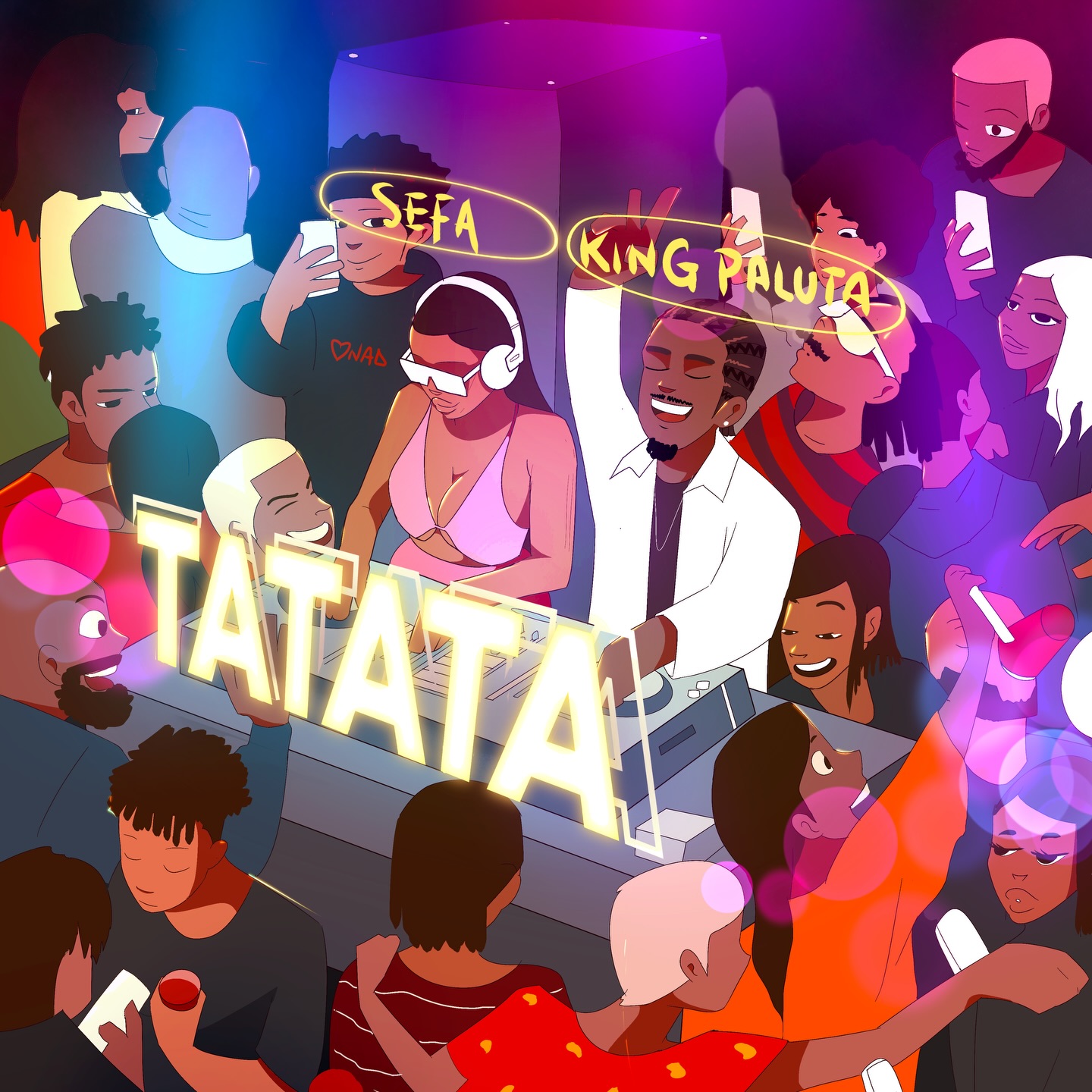
Sefa Drops TATATA With King Paluta
Tatata adds to Sefa's growing catalogue of recent releases and follows her continued run of collaborations and singles, including her previous work with other prominent Ghanaian artistes.
music | BY Joshua Narh | July 23rd, 2026
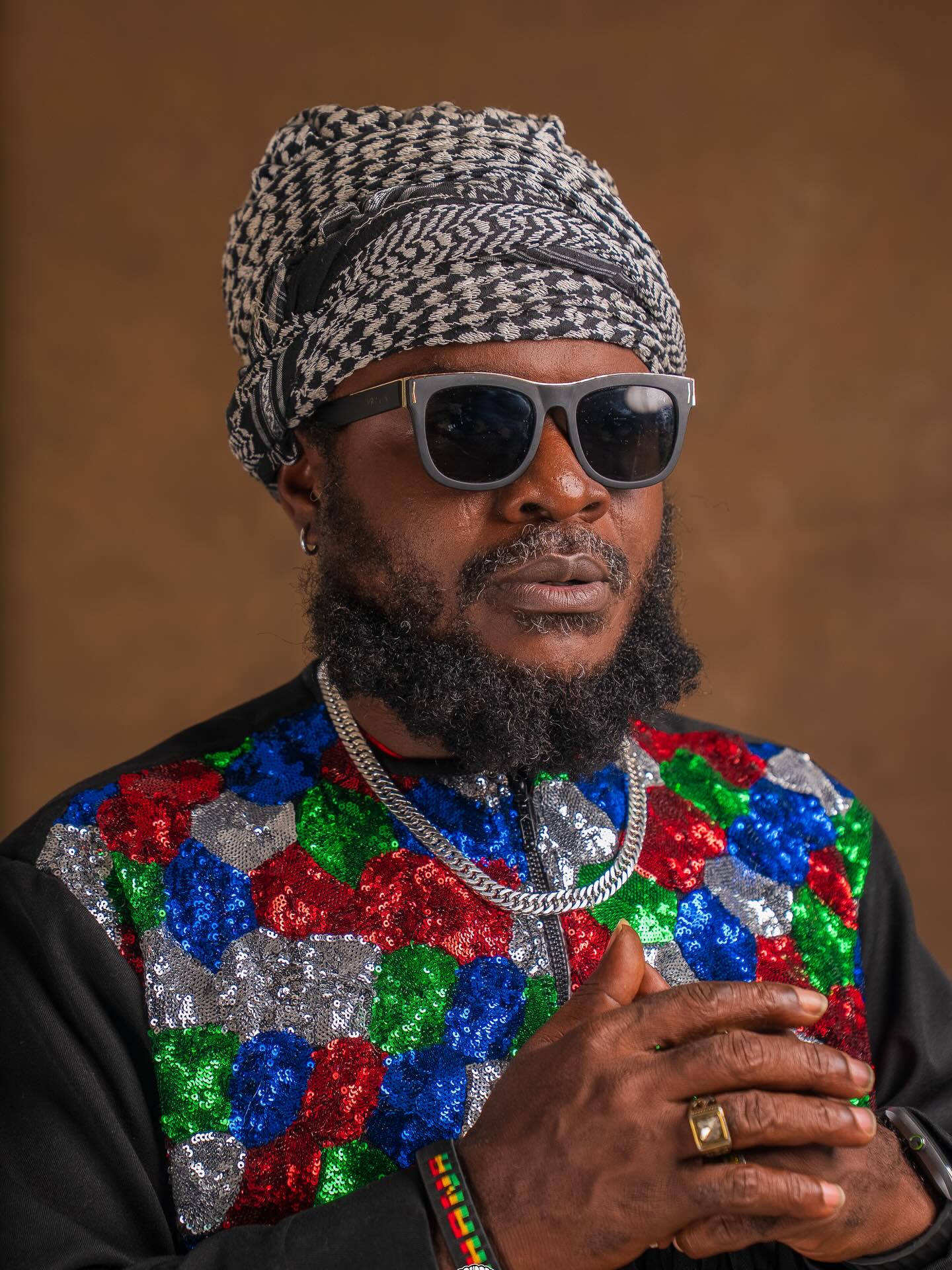
Ras Kuuku Drops NEA AKA To Mark His Birthday
Nea Aka comes as a birthday gift from Ras Kuuku to his supporters, continuing his tradition of using his music to express his thoughts, experiences and perspective on life.
culture | BY Joshua Narh | July 23rd, 2026
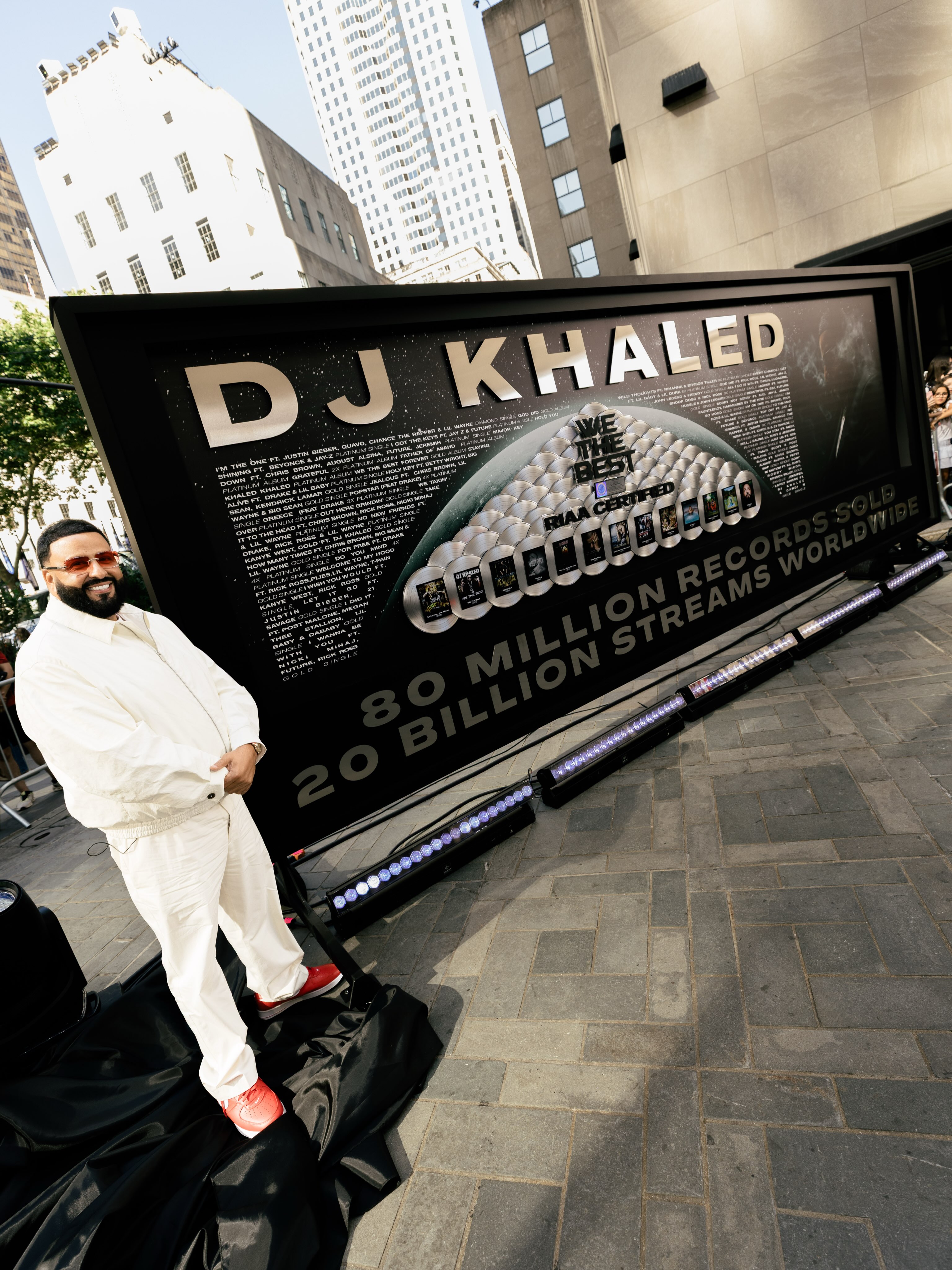
DJ Khaled Honoured With Legacy Plaque As He Marks 20 Years In Music
The presentation marked two decades of DJ Khaled's impact on the global music industry and his journey from a radio personality and DJ to one of the most recognisable figures in contemporary hip-hop.
culture | BY Angela Kuffour | July 23rd, 2026
Mahama Inherited An Economy On Its Knees - Ato Forson
He attributed the crisis to many of years poor policy decisions, excessive borrowing and poor accountability.
culture | BY Joshua Narh | July 23rd, 2026
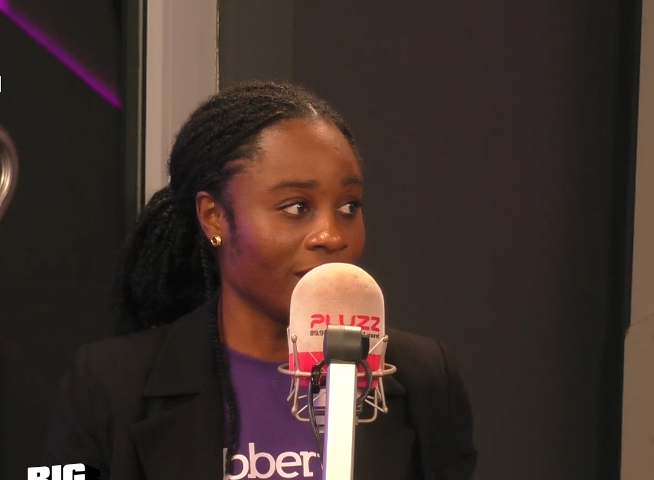
AI Skills Becoming A Key Advantage In Ghana’s Job market - Jobberman
Speaking on the Big Convo segment of Culture Daily on 3Music TV and Pluzz 89.9 FM, Jobberman’s Community Marketer, Benedicta Oklu, said employers in some industries are increasingly looking beyond traditional technical qualifications to candidates who can work effectively with AI.
culture | BY Joshua Narh | July 23rd, 2026
Recruiters Warn Against Overreliance On AI-Generated CVs
Jobberman’s Product Analyst, Clifford Sarpong, said the rise of AI-generated applications has prompted recruiters to introduce additional checks, including competency assessments and interviews, to ensure candidates genuinely possess the skills listed on their CVs.
culture | BY Joshua Narh | July 23rd, 2026
AI Expected To Reshape Entry-Level Jobs As Experts Urge Graduates To Adapt
Selasie said graduates entering the job market should understand the fundamentals of their profession but also learn how to use AI tools to improve productivity.
More Similar Videos
music,entertainment | Lerny Lomotey | October 27th, 2025
Showboy Shares His Journey From Prison To Becoming Ghana's Biggest Trapper
Comments