Macklemore Cancels His Dubai Show in Reaction to the UAE’s Alleged Involvement in the Sudan War


Written By : Ekow Adjei Mensah
US rapper Macklemore recently made a significant decision to cancel his scheduled show in Dubai, citing the city’s alleged involvement in the ongoing Sudan war. This move highlights the growing trend of artistes using their platforms to take a stand against geopolitical issues and human rights abuses.
Macklemore’s decision underscores the complex and often contentious intersection between entertainment and global politics, where artistes are increasingly expected to align their public actions with their personal values and the causes they support. His stance has sparked a broader conversation about the responsibilities of public figures in addressing international conflicts.
The rapper said people had for months been asking him to call off the concert in solidarity with the Sudanese people. He cited the UAE's reported support for the Sudan's paramilitary Rapid Support Forces (RSF), which has been battling the Sudanese army. "Until the UAE stops arming and funding the RSF I will not perform there," he said in a post on Instagram.
Macklemore, known for his outspoken stance on social and political issues, has often used his music and public appearances to advocate for justice and equality. By canceling his Dubai show, he aims to bring attention to the crisis in Sudan, where ongoing conflict has resulted in thousands of deaths, displacement, and widespread human rights violations. Allegations have surfaced about Dubai's involvement in the Sudan war, particularly regarding financial and logistical support for the conflicting parties. Macklemore's decision to withdraw from his Dubai performance can be seen as a protest against any perceived complicity in the Sudanese conflict, leveraging his influence to amplify calls for peace and accountability.
This decision also reflects the broader challenges faced by artistes when navigating the ethical landscape of international performances. The choice to perform in a specific location is not merely a logistical or financial decision; it carries symbolic weight and can be interpreted as a political statement. By canceling the Dubai show, Macklemore is making a clear statement that he does not wish to be associated with or inadvertently endorse any nation or entity involved in the Sudanese conflict.
While Macklemore’s stance has been praised by some as a bold and principled stand, it has also sparked criticism and debate. Some argue that canceling the show in Dubai penalizes fans who have no control over their government’s foreign policy decisions. Others contend that the move could be seen as overly political, detracting from the universal nature of music as a tool for unity and healing. Critics suggest that performing in Dubai could have provided an opportunity to raise awareness directly, using his platform to speak out against the Sudan war while engaging with a diverse audience.
However, Macklemore’s cancellation could set a precedent for other artistes who are grappling with similar ethical dilemmas about where to perform. His decision may inspire other entertainers to critically evaluate their own engagements and consider the broader implications of their tours and appearances.
This could lead to a shift in the industry where more artistes choose to withdraw from markets or venues that are associated with contentious political situations or human rights issues. Such actions, while challenging, could push for greater accountability and encourage governments to reconsider their roles in international conflicts. As the entertainment industry continues to navigate these challenges, Macklemore’s decision may serve as a catalyst for more artiste-led activism in the future.
Sign up for the 3Music Newsletter for breaking news, events, and unique stories.
MORE FROM
music
-

culture
Traders And Cusomers Embrace Cashless Payments Despite Potential Risks
By Joshua Narh
August 18th, 2026
-
culture
Poor Sex-Toy Hygiene Can Contribute To Recurrent Infections, Dr Aminarh Warns
By Joshua Narh
August 18th, 2026
-
music entertainment
O2 Arena Is Too Small For Shatta Wale, Wembley Stadium Is Our Target - A-Plus
By Angela Kuffour
August 18th, 2026
-
-
More From 3Music News
culture | BY Angela Kuffour | August 18th, 2026
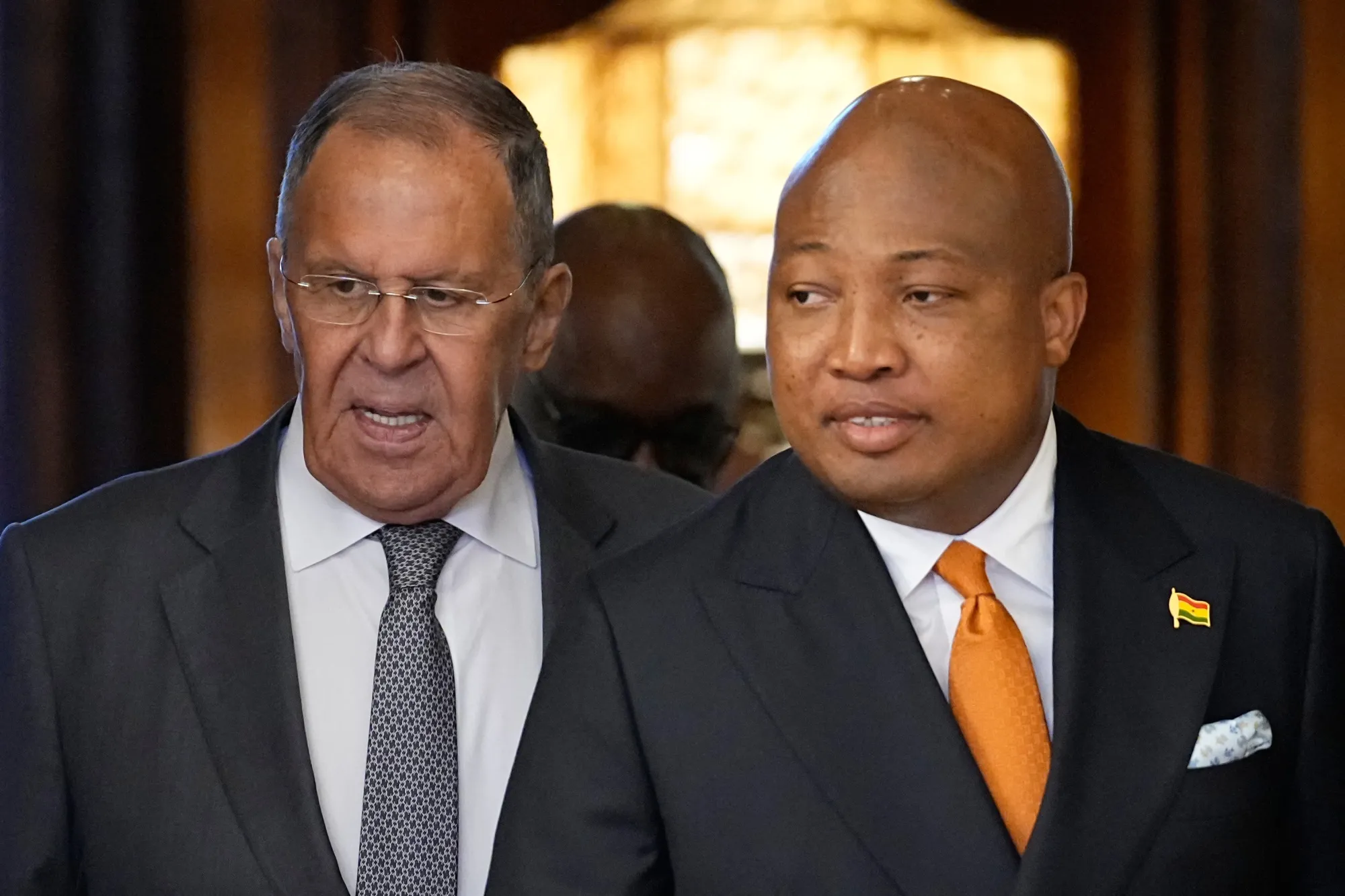
Ghana Confirms 62 Citizens Killed, 15 Missing In Russia-Ukraine War After Illegal Recruitment
Ablakwa disclosed the updated figures during bilateral talks with Russian Foreign Minister Sergey Lavrov in Moscow as part of a working visit.
music | entertainment | BY Angela Kuffour | August 18th, 2026
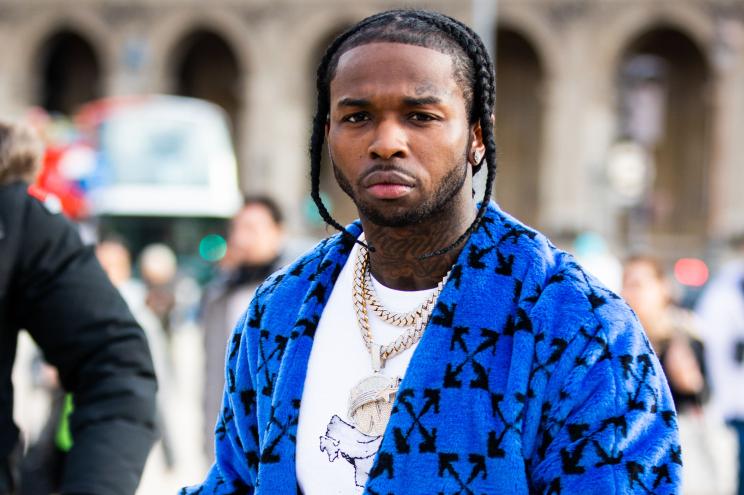
Pop Smoke Killer Video Sparks Outrage Over Murder Boast
Jester remains incarcerated and is not free, contradicting the “I’m still out” claim in the circulating video. Online users have noted that the clip appears to be a montage pairing unrelated footage with images from the Pop Smoke case.
culture | BY Angela Kuffour | August 18th, 2026
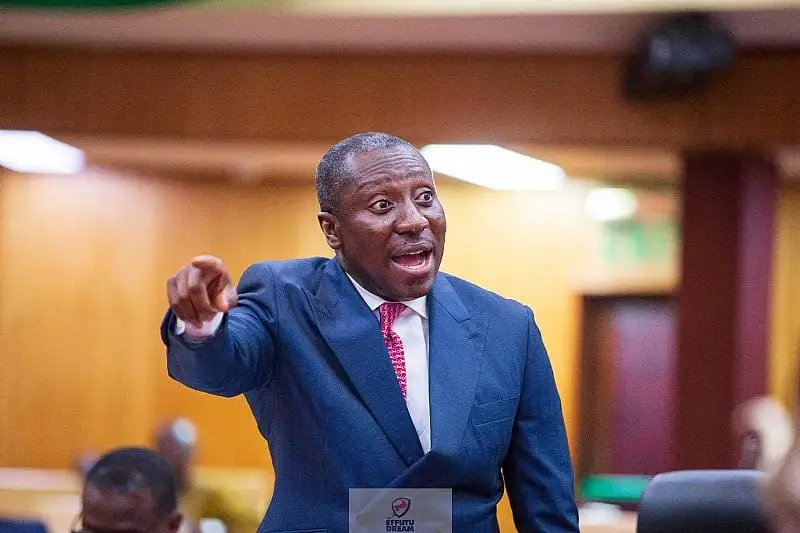
GoldBod Cannot Make Losses Trading Gold – Afenyo-Markin
Afenyo-Markin called for greater parliamentary scrutiny of GoldBod’s operations and the management of Ghana’s gold resources.
culture | BY Angela Kuffour | August 18th, 2026
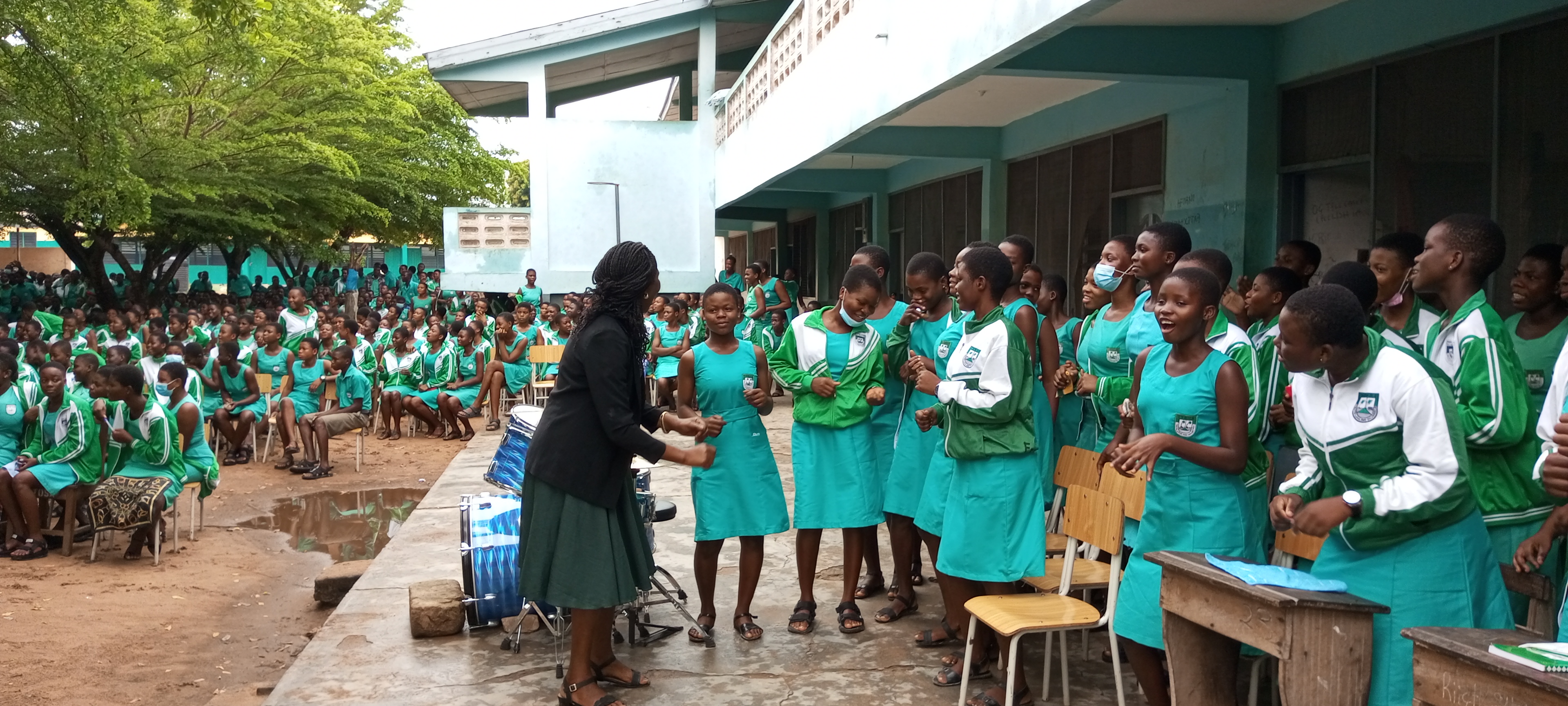
GES Denies Cancellation Of Free SHS, Warns Parents Against GH¢1,500 ‘Chop Box’ Payments
In a statement, GES confirmed that the Free SHS policy remains fully in effect. It stressed that the Director-General does not have the authority to cancel the national programme.
music | fashion & lifestyle | BY Joshua Narh | August 18th, 2026
Dosted Gennah Uses Dancehall To Tell His Story As He Pushes New EP
“I’ve been through a lot in life. And I feel like dancehall is the way for me to express myself,” he said.
entertainment | BY Joshua Narh | August 18th, 2026
Dosted Gennah Credits Shatta Wale For Opening Doors In His Music Career
He said the breakthrough came when he was scheduled to perform at a show in Akropong where Shatta Wale was also billed to perform.
entertainment | BY Joshua Narh | August 18th, 2026
Financial Hardship Forced Me To Leave Home And Work While In School - Dosted Gennah
He recalled that he could earn about GH¢15 to GH¢20 for a day’s work at the time, depending on the type of construction work he did.

culture | BY Angela Kuffour | August 18th, 2026
Ghana Rises To World’s Sixth-Largest Gold Producer, Overtakes United States
The country produced 5.94 million ounces of gold last year - about 185 tonnes, a 23.41% rise from the 4.82 million ounces recorded in 2024. The surge allowed Ghana to overtake the United States in the global rankings.
culture | BY Angela Kuffour | August 18th, 2026
Zambia’s Hichilema Re-Elected President For A Second Term
Hichilema, 64, of the ruling United Party for National Development (UPND), defeated his closest challenger, Brian Mundubile, who received about 38 percent.
culture | BY Angela Kuffour | August 18th, 2026
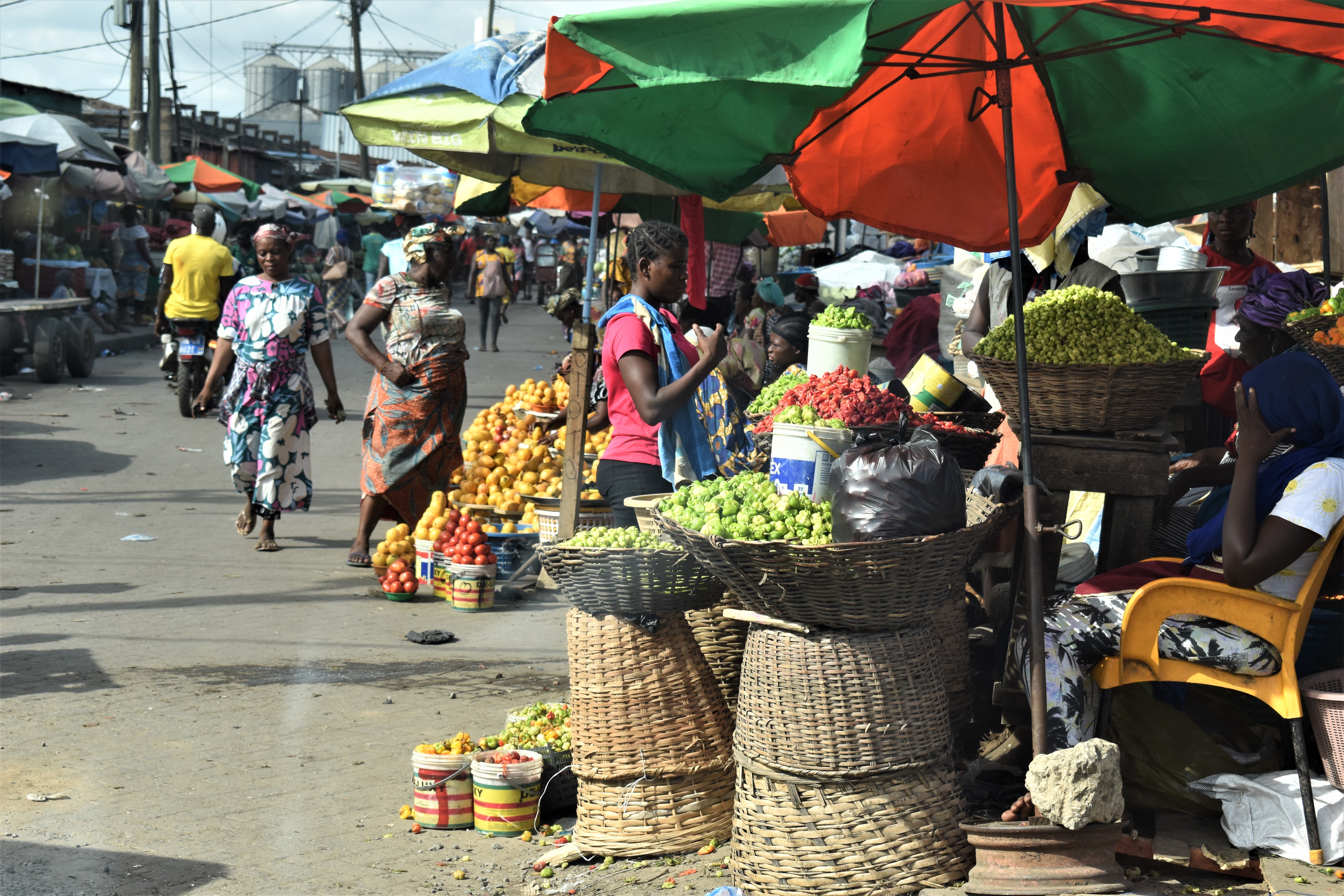
AMA Maintains One-Month Ultimatum For Agbogbloshie Traders Over 24-Hour Market Plans
Traders have raised concerns about the potential disruption to their businesses and livelihoods from the planned relocation.
culture | BY Angela Kuffour | August 18th, 2026
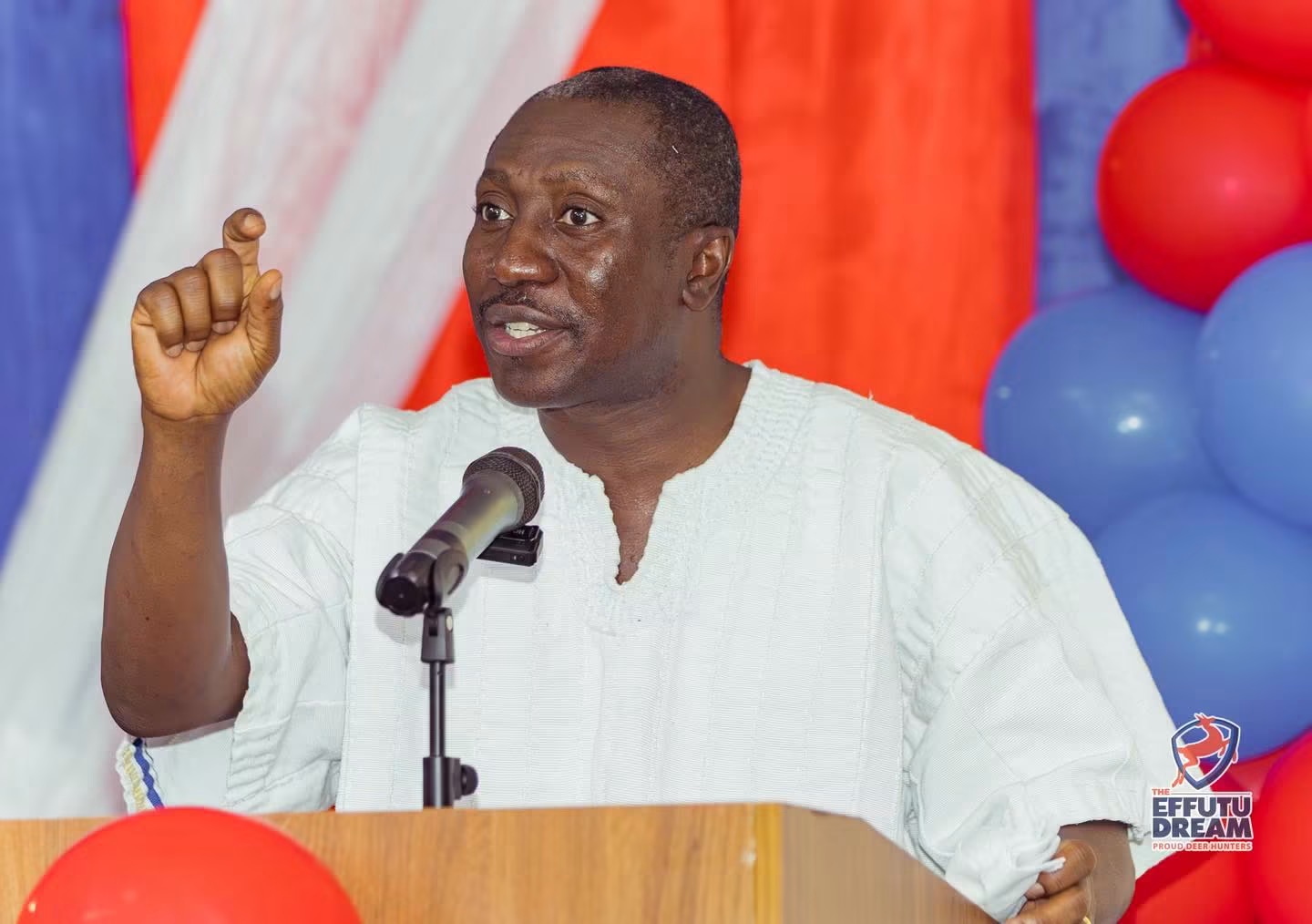
NPP Pledges To Reinstate Former Chief Justice Torkornoo If Returned To Power
Afenyo-Markin made the remarks while describing her 2025 removal as unjust and the result of a “grand conspiracy.”
entertainment | BY Joshua Narh | August 17th, 2026
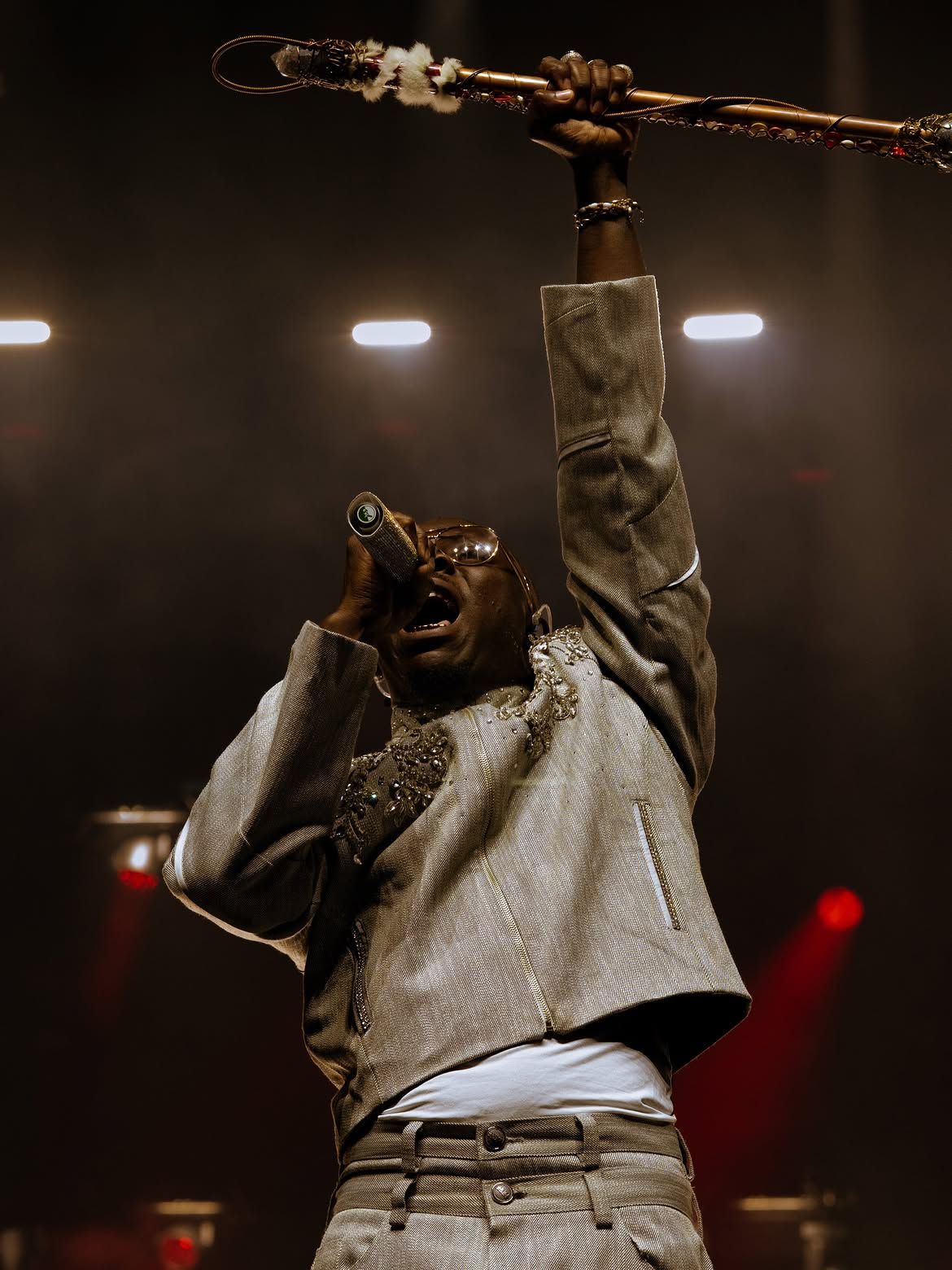
Stonebwoy Shakes London With Bhimfest
The sold-out show marked a major milestone for the artiste and Ghanaian music, with Stonebwoy headlining the 12,500-capacity venue and using the stage to showcase his music, Ghanaian identity and Afrodancehall culture to a packed audience.
More Similar Videos
music,entertainment | Lerny Lomotey | October 27th, 2025
Showboy Shares His Journey From Prison To Becoming Ghana's Biggest Trapper
Comments