Merqury Quaye Opens Up on the Evolution and Future of Ghana’s DJ Culture

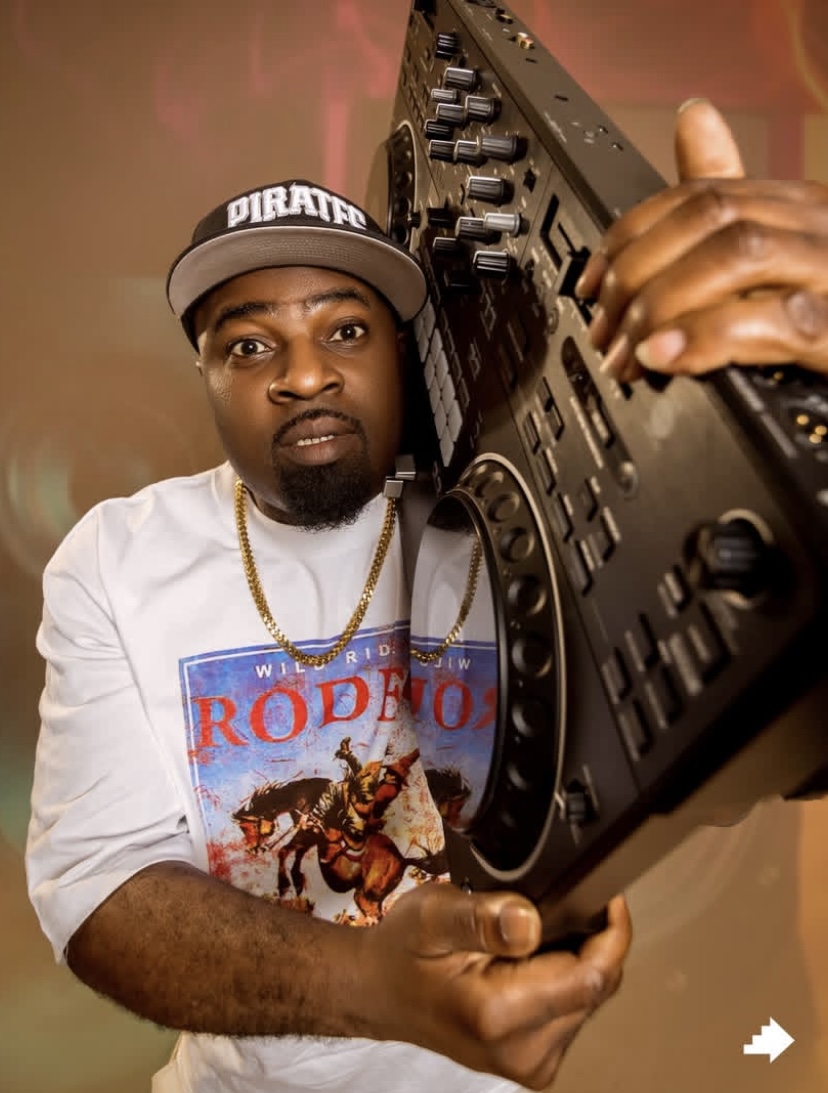
Founder of the Guinness Ghana DJ Awards, Merqury Quaye, has opened up about the evolution, pressures and misunderstood realities behind DJ culture in Ghana, as he prepares for the 13th edition of the prestigious awards scheme.
Joining Culture Daily for another Big Convo, Merqury reflected on legacy, leadership, industry challenges and the shifting identity of DJs from selectors to performers, producers and cultural gatekeepers.
Asked whether he has prepared a successor to take over the awards someday, Merqury admitted that leadership transition is one of the most difficult aspects of Ghana’s creative space.
“We’ve seen businesses collapse when the creator is no longer present. I’m working hard so this doesn’t become the story of the DJ Awards,” he said. He explained that although he has built a strong team, identifying a future “face” of the platform is complicated: “I try to show the way and empower the people around me, but it’s difficult to mention one name now.”
Merqury described the early days of the awards as a struggle, revealing that many DJs did not understand the vision.
He recalled organising the first edition, only for DJs to show up in T-shirts because they didn’t see themselves as stars. “I saw that DJs could be stars before I started this but the DJs themselves did not believe it.” Today, he says the transformation is clear. From DJ Vyrusky to DJ Switch, DJ Sly King, DJ Lord OTB, and DJ Phantom, Merqury believes the awards have produced ambassadors that others aspire to emulate.
A major part of the conversation centred on whether DJs have drifted too far into showmanship, performance and production, leaving behind their core responsibility of discovering and spotlighting new talent.
C-Real, a host on Culture Daily, argued: “DJs are becoming stars for themselves. I go to events hoping to hear five new songs, but instead I hear the DJ’s own EP.” He warned that influencers and dancers have now overtaken DJs in discovering new artistes: “Nine out of ten new songs are introduced through TikTok influencers before DJs pick them up.”
Merqury, however, described this shift as evolution, not distraction, pointing to global examples like David Guetta, whose sets are 90% his own productions. “DJs understand music more than anyone. They know arrangements, dynamics and how a song works. It’s normal for them to produce.”
While he acknowledged that traditional skills like turntablism are declining, he noted that “the core still exists but for a niche audience.”
The conversation also raised a crucial question for the future: What should be the criteria for the DJ of the Year? Merqury said the current criteria include ethics, transitions, presence and professionalism, but agrees that the landscape is changing.
He revealed that the awards already include a category called Record Promoter of the Year, created specifically to recognise DJs who champion Ghanaian music: “When Nigerian music started dominating heavily, we needed to spotlight DJs pushing Ghanaian talent. That category exists to protect that responsibility.”
Merqury didn’t shy away from addressing the uncomfortable but necessary topic: payola, support culture and the economic realities DJs face. “DJs buy data to download music. They buy equipment, fuel, air-conditioning… Yet people ask why DJs take payola.”
He argued that the industry must be honest about the mutual business relationship between DJs and musicians: “Support only becomes important when somebody needs it. A musician ignores the DJ until he has a new track to promote.” He criticised how many industry players only value platforms when they have something to push.
As the Ghana DJ Awards enters its 13th edition, Merqury Quaye stands at the intersection of preserving tradition and embracing evolution.
His reflections reveal an industry that is growing, shifting and redefining itself but still searching for balance between artistry, business, showmanship and cultural responsibility.
Sign up for the 3Music Newsletter for breaking news, events, and unique stories.
MORE FROM
music
-
sports
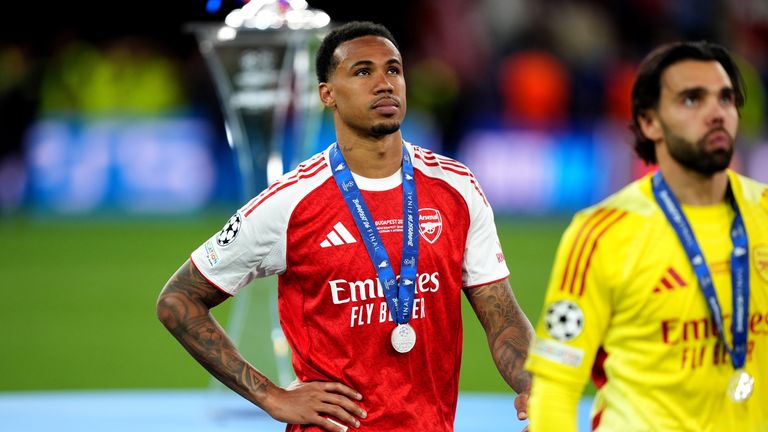
Arsenal's Wait For European Glory Continues As PSG Defend UCL Title
By Joshua Narh
May 30th, 2026
-

-

-
-
music entertainment
Episode Shares His Biological Mother Left Him To Pursue Music
By Angela Kuffour
May 29th, 2026
More From 3Music News
music | entertainment | BY Angela Kuffour | May 29th, 2026
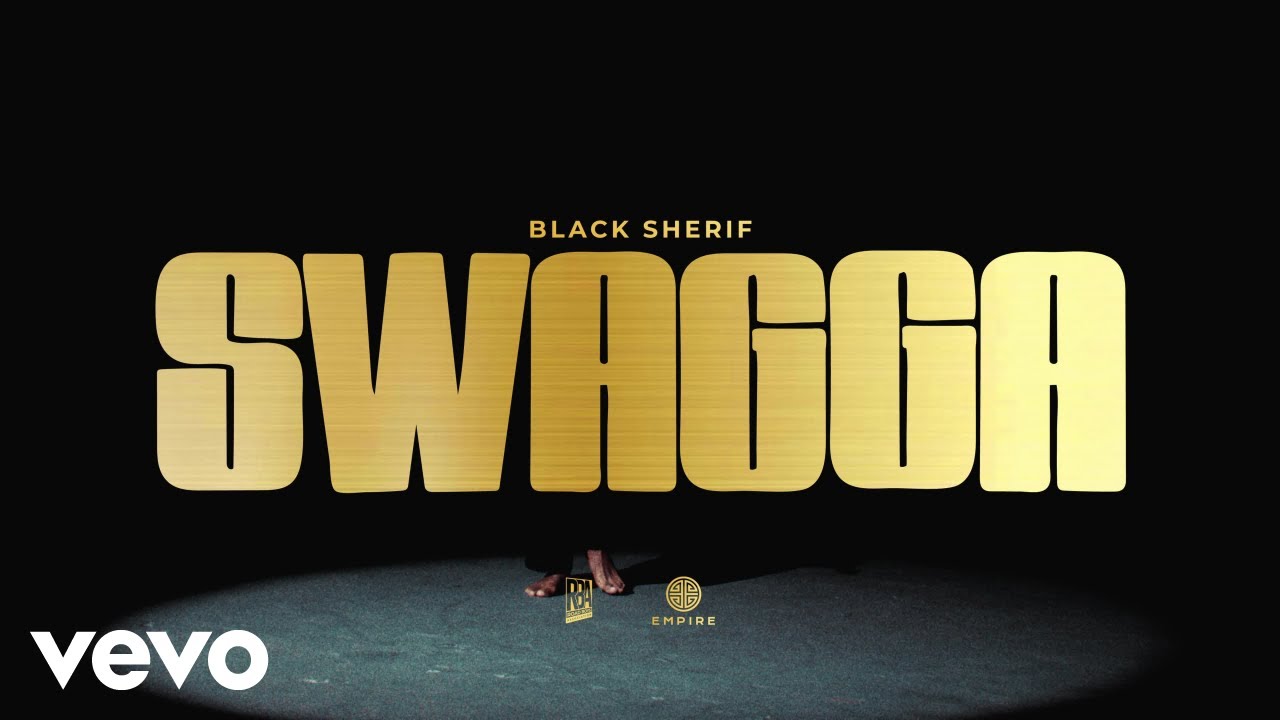
Black Sherif Releases New Single 'SWAGGA'
Swagga is a Hip-Hop/Rap song that features Black Sherif's iconic combination of Afrobeats and Drill sounds.

culture | BY Joshua Narh | May 29th, 2026
Cambodia Denies Reports Ordering Africans To Leave Country
The earlier directive, purportedly issued by Cambodia’s General Department of Immigration under the Ministry of Interior, affects nationals from several African countries, including Ghana, Kenya, Cameroon and Uganda.

culture | BY Joshua Narh | May 29th, 2026
South Africa's Tourism Sector Feels Impact Of Anti-Immigrant Protests
In a statement issued on May 28, the tourism agency said it is concerned about growing reports that travellers across Africa are reconsidering trips to South Africa following the recent protests and attacks targeting foreign nationals.

culture | BY Joshua Narh | May 28th, 2026
Weija Dam Spillage Forces Evacuations As Floodwaters Submerge Communities
Ghana Water explained that controlled spillage is a routine safety measure carried out during periods of heavy rainfall whenever the water level exceeds safe operational limits.
music | entertainment | culture | BY Angela Kuffour | May 28th, 2026
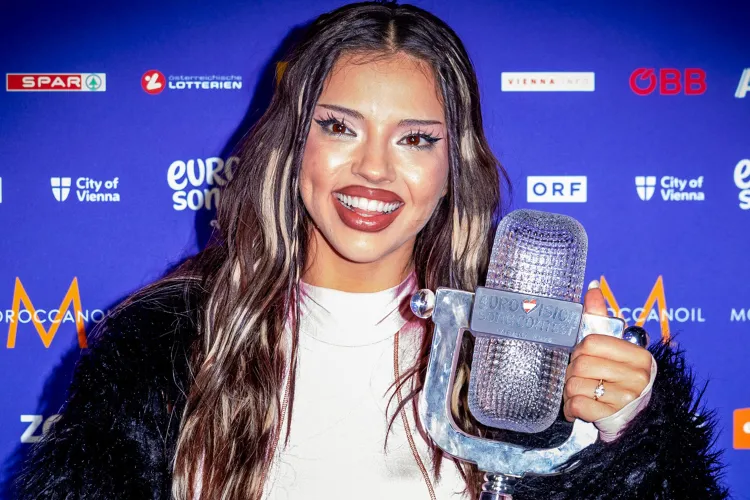
Dara Becomes The First Bulgarian Artiste To Appear On The Billboard Chart
Dara won an amazing 516 points at Eurovision in 2026 and she is now the first Bulgarian artiste to ever appear on the coveted Billboard Global 200 chart.
culture | BY Joshua Narh | May 28th, 2026
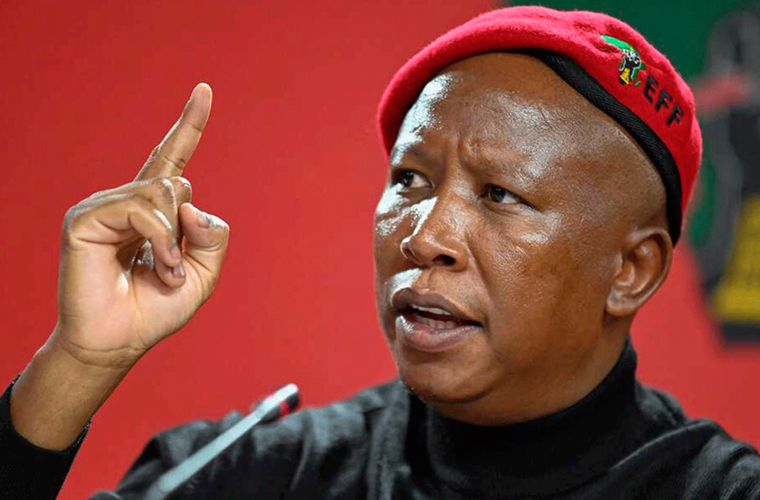
Julius Malema Rejects Claims Migrants Cause Unemployment In South Africa
His comments come after about 300 Ghanaians were flown back home on Wednesday amid rising xenophobic atttacks and anti-immigrant protests in parts of South Africa.
music | entertainment | culture | BY Angela Kuffour | May 28th, 2026
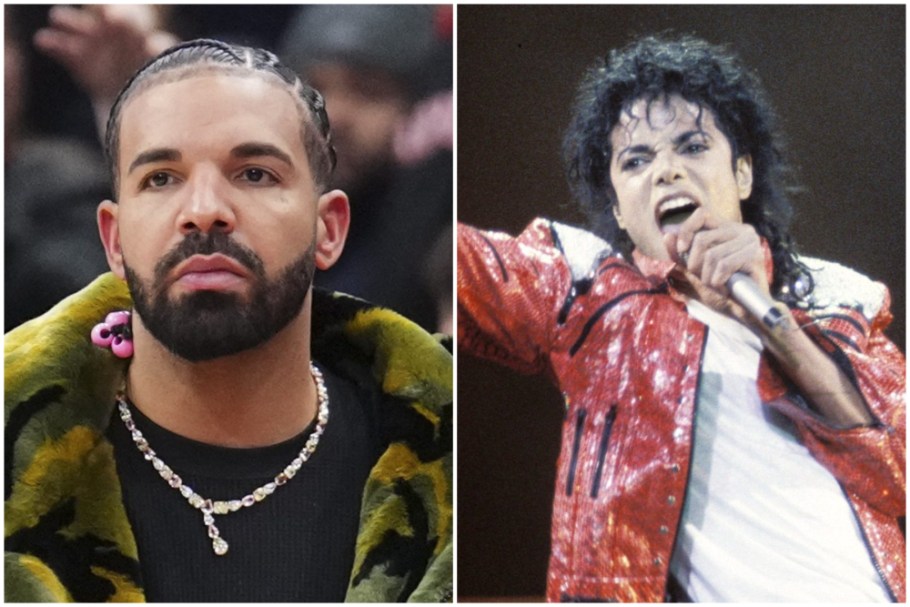
Drake Breaks Micheal Jackson's Record For Most NO.1s By A Solo Male Artist
Drake has surpassed Michael Jackson's record for the most No. 1s on the Billboard Hot 100 by a solo male artist
entertainment | fashion & lifestyle | BY Angela Kuffour | May 28th, 2026
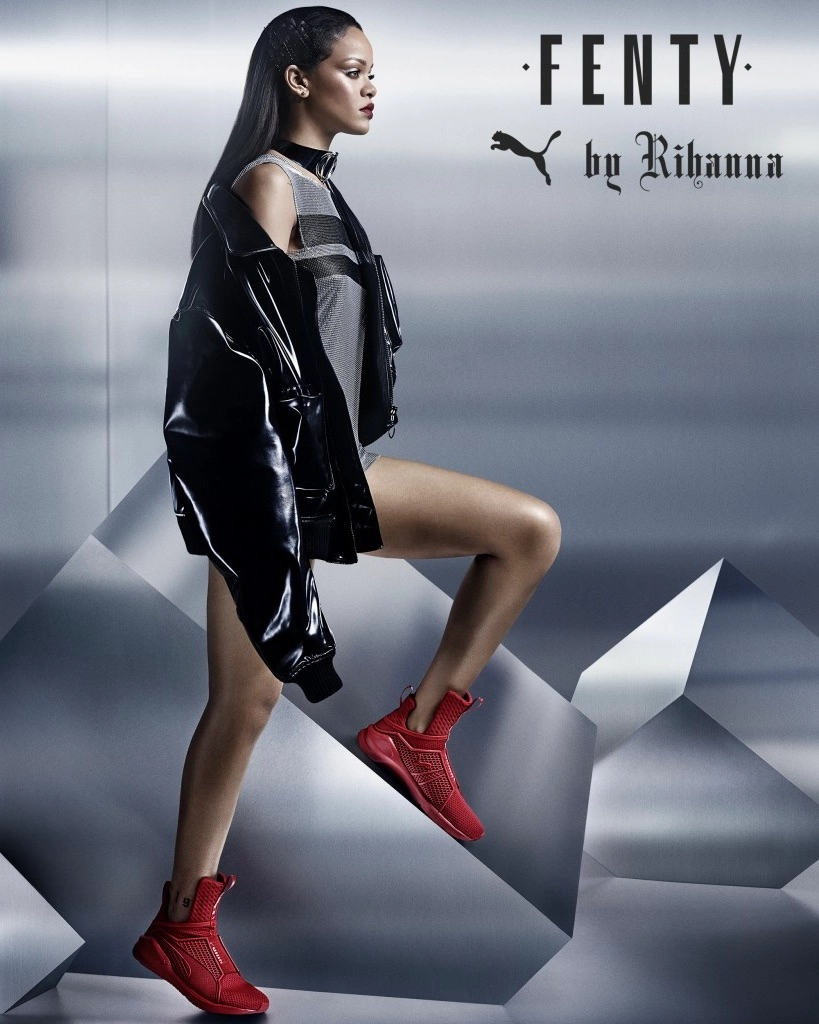
Rihanna and Fenty Partnership With Puma Has Ended
Sneakerheads speculated that Riri's three-year deal with Puma, which includes ardent brand devotion, had not been extended after she was seen sporting a pair of Jacquemus x Nike Moon Shoes last week.

music | entertainment | BY Angela Kuffour | May 28th, 2026
Celine Dion TV Show In The Works
The production, which follows Dion's early years in a modest, music-loving home in Quebec, is being showrun by Zoë Green (Sirens, Carnival Row).

sports | BY Joshua Narh | May 28th, 2026
Cambodia Orders Ghanaians, Other African Nationals To Leave By May 31
The directive, issued by Cambodia’s General Department of Immigration under the Ministry of Interior, affects nationals from several African countries, including Ghana, Kenya, Cameroon and Uganda.
entertainment | BY Joshua Narh | May 28th, 2026
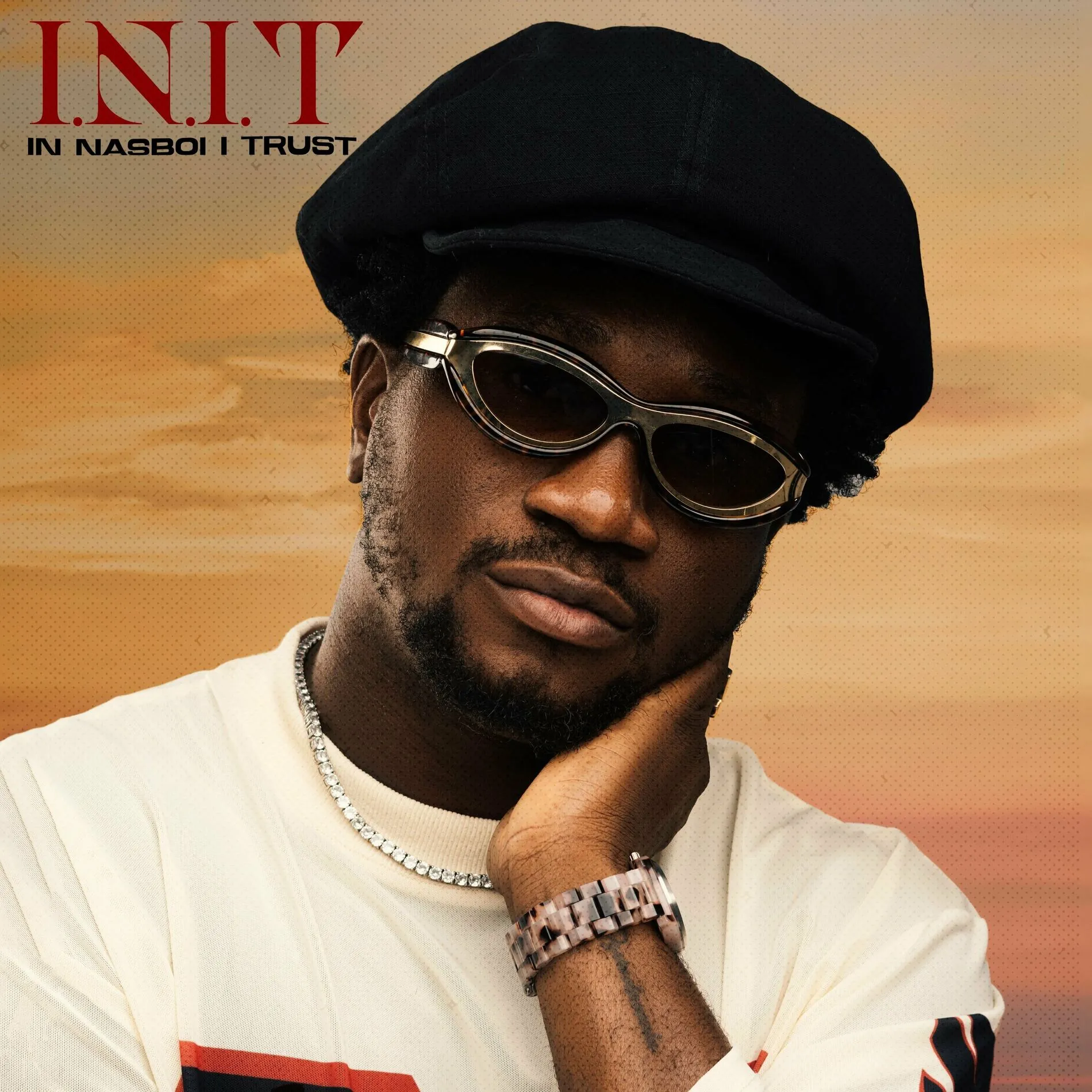
Nasboi Announces First Movie CELEBRITIES ARE HUMANS
According to Nasboi, the movie focuses on how society often forgets that celebrities are ordinary people dealing with real-life challenges.
entertainment | BY Joshua Narh | May 28th, 2026
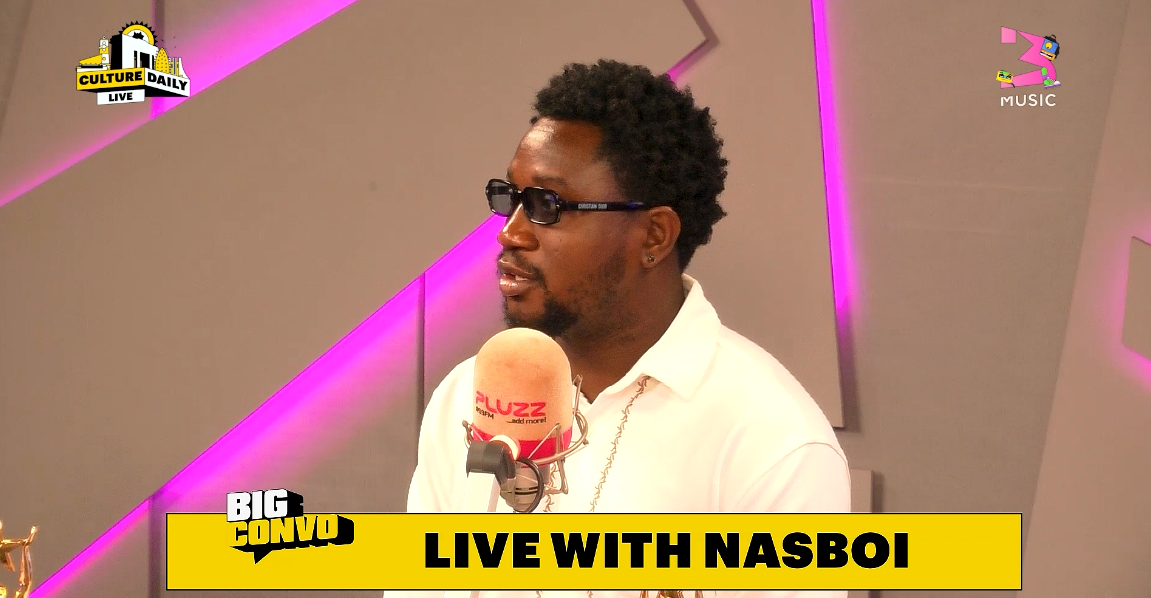
Nasboi Reveals Fame Took A Toll On His Mental Health
According to him, his anxiety became worse because of the constant pressure to stay relevant online and produce content regularly.
More Similar Videos
music,entertainment | Lerny Lomotey | October 27th, 2025
Showboy Shares His Journey From Prison To Becoming Ghana's Biggest Trapper
Comments