Mr Asamoah’s Mission To Transform Lives Through Cricket

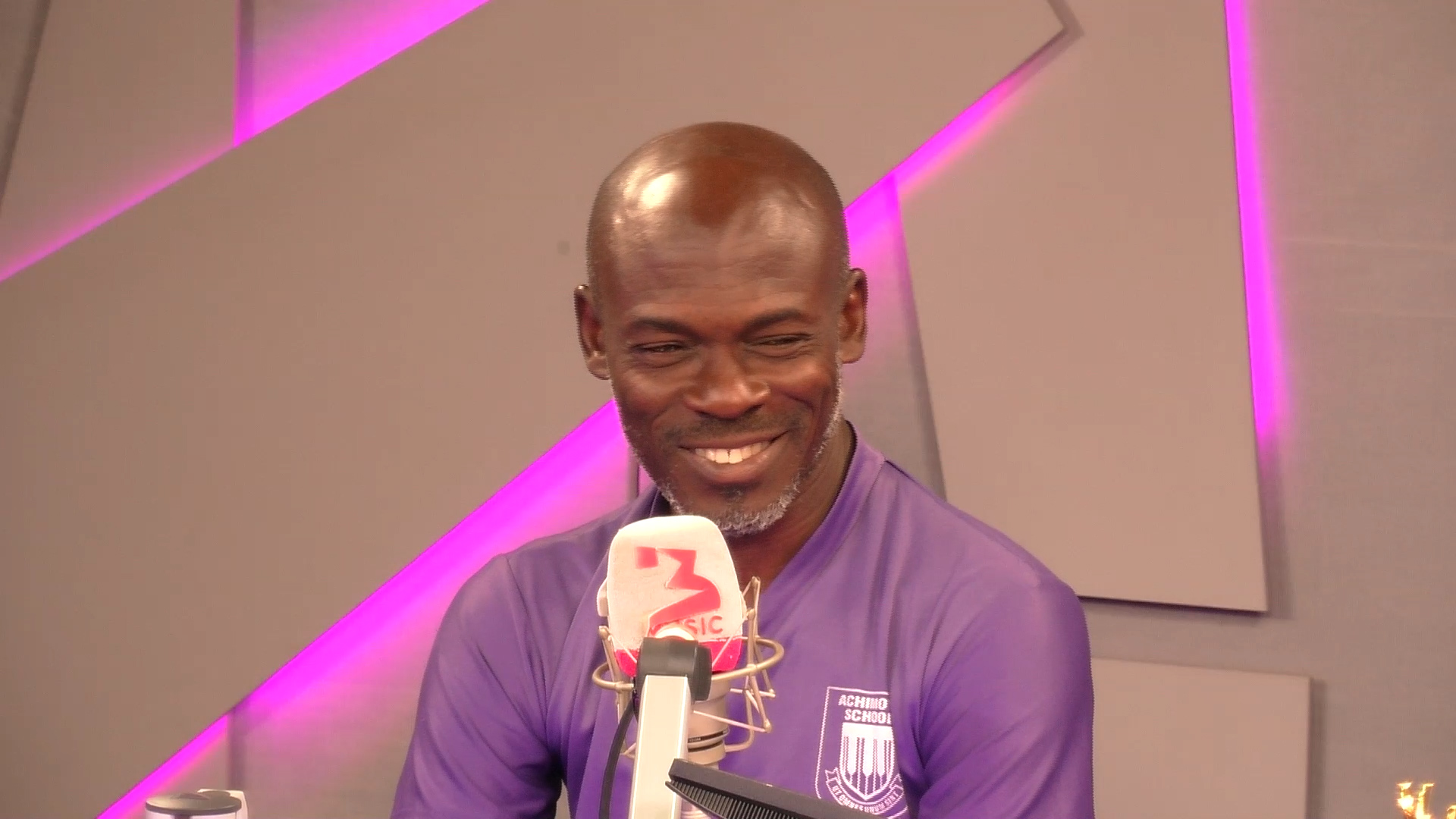
On a powerful edition of BIG CONVO on Culture Daily, we welcomed a man many describe as a big brother, mentor, teacher and nation-builder: Mr Asamoah, a cricket coach associated with Achimota School.
What unfolded was more than a conversation about sport. It was a story of resilience, leadership and a lifelong commitment to shaping young lives through cricket.
Cricket, Mr Asamoah noted, is far from a new sport in Ghana. According to him, it was first played in the country in 1904. Yet, despite its long history, it remains largely overlooked.
“We the old people failed,” he said candidly, suggesting that a lack of deliberate investment and vision has kept the sport from reaching its full potential.
Introduced to cricket during his formative years at Achimota School, Mr Asamoah described a vibrant culture where students played after siesta, dressed in white kits, learning discipline, order and respect through the game’s unique rules. Unlike football, where coaches often dominate decisions, cricket places authority in the hands of the captain on the field. A structure that quietly builds leadership and accountability.
“It teaches responsibility,” he explained. “If a player misbehaves, the captain is warned. Leadership matters.”
Beyond the sport, Mr Asamoah’s story is deeply personal.
Growing up in Mamprobi and entering Achimota as a young boy, he recalls the sting of being mocked for coming from a less privileged background. With few visitors throughout his seven years in school, he leaned on inner resolve and the encouragement of a close friend to persevere.
Years later, that same boy would become Senior Prefect, a full-circle moment that shaped his outlook on life.
“I like people looking down on me,” he said. “It makes me want to pull others up.”
That philosophy now defines his work with children from underserved communities, many of whom come from unstable homes or face limited opportunities.
Through his academy, Mr Asamoah has mentored numerous young talents including players who have progressed to national representation.
Despite limited resources, high equipment costs and institutional challenges including a prolonged legal dispute that led to his team being banned from local association activities Mr. Asamoah remains unwavering.
“I’m unkillable,” he said firmly. “No one can stop me.”
Mr Asamoah highlighted that cricket academies are gradually emerging across Ghana. From Obuasi to Ho and parts of the Upper West Region with increasing female participation. In fact, he revealed that his academy currently has more girls than boys, a development he finds both surprising and encouraging.
He believes cricket offers an alternative pathway for young people who may otherwise be drawn into social vices or fraudulent activities fueled by the pressures of economic hardship.
“Give them another channel,” he emphasised.
Despite political hurdles and systemic challenges, Mr Asamoah remains hopeful about the future of cricket in Ghana. He envisions a time when structured elite development programs will exist not just for football, but for multiple sports like cricket, athletics, tennis and beyond giving young Ghanaians broader opportunities to thrive.
“The stupidity does not last forever,” he remarked, expressing faith that leadership changes will eventually open new doors for the sport.
For Mr Asamoah, however, the mission goes beyond titles or recognition. He declined opportunities to pursue administrative roles, choosing instead to remain in the classroom and on the field where transformation happens one child at a time.
On the BIG CONVO, his story served as a reminder that sometimes, the most powerful revolutions do not begin in parliament or boardrooms, but on improvised fields, with a bat, a ball and a mentor who refuses to give up.
Sign up for the 3Music Newsletter for breaking news, events, and unique stories.
MORE FROM
entertainment
-
culture
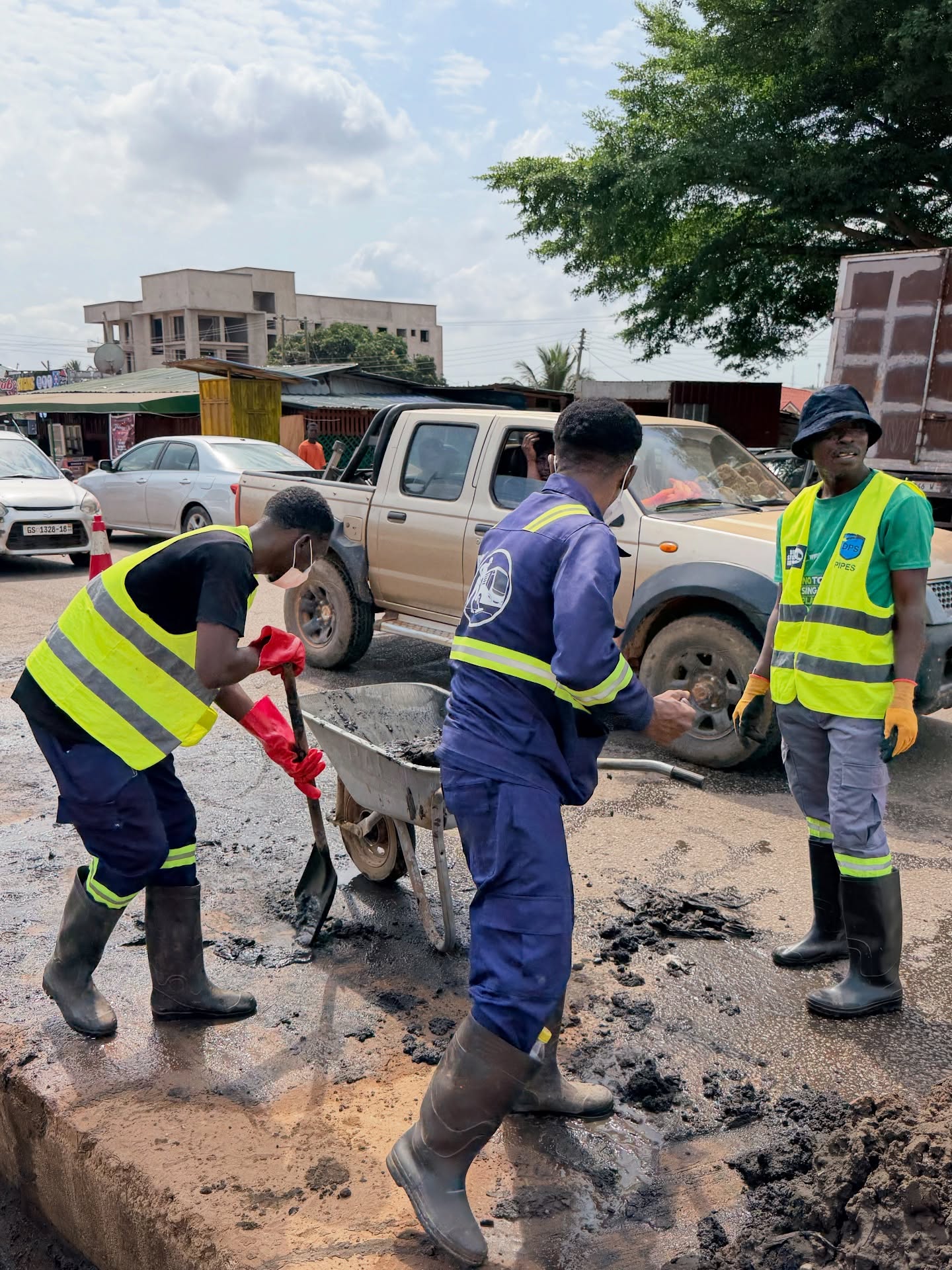
BuzstopBoys Impressed By Public Response To National Clean-Up Day
By Joshua Narh
July 10th, 2026
-

-
-
-
culture
Bagbin Advocates Traditional And Religious Inclusion In Governance
By Angela Kuffour
July 9th, 2026
More From 3Music News
culture | BY Joshua Narh | July 9th, 2026
Barker-Vormawor Accuses Gov’t Of Extraditing Abu Trica Before High Court Hearing
In a post on social media, Barker-Vormawor, who is representing Abu Trica in an alleged online romance scam, said his client was taken out of Ghana while legal proceedings concerning his detention and proposed removal were still pending before the court.
culture | BY Joshua Narh | July 9th, 2026
Mahama Blames Poor Maintenance For Loss Of $250m Investment In Hospital Equipment
He said the investment provided hospitals with essential medical equipment, including CT scanners, MRI machines, X-ray machines and other diagnostic tools to improve healthcare delivery.

entertainment | fashion & lifestyle | BY Angela Kuffour | July 9th, 2026
Demons Rule The Entertainment Industry- Jim Iyke
Jim Iyke claimed that the entertainment industry is ruled be "demons" and was predominantly "created to extol the virtues of satanism."

sports | BY Joshua Narh | July 9th, 2026
Emmanuel Abrokwa Joins Sevilla From Adabraka Elders In Historic Transfer
The 18-year-old has signed a contract until 2029 after Sevilla reached an agreement for his transfer, according to the player’s representatives and reports from Spain.
entertainment | sports | BY Joshua Narh | July 9th, 2026
Burna Boy Joins Star-Studded FIFA World Cup Final Halftime Show Lineup
The final, scheduled for July 19 at the New York New Jersey Stadium, will feature the first-ever Super Bowl-style halftime show in FIFA World Cup history, produced by Global Citizen and curated by Chris Martin of Coldplay.
sports | BY Joshua Narh | July 9th, 2026
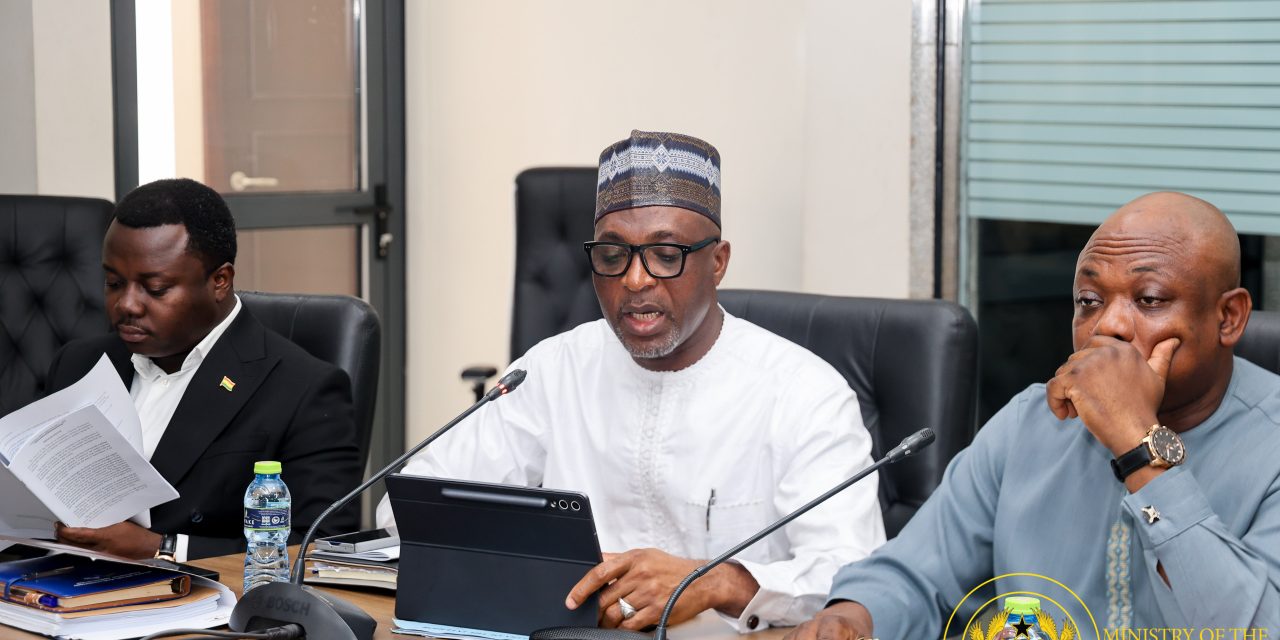
Parliament Passes Community Service Bill To Reduce Prison Sentences For Minor Offences
The bill forms part of broader criminal justice reforms being pursued by the Ministry of the Interior to reduce the country’s reliance on imprisonment for minor and specified offences while expanding sentencing options available to the courts.
music | entertainment | BY Angela Kuffour | July 8th, 2026
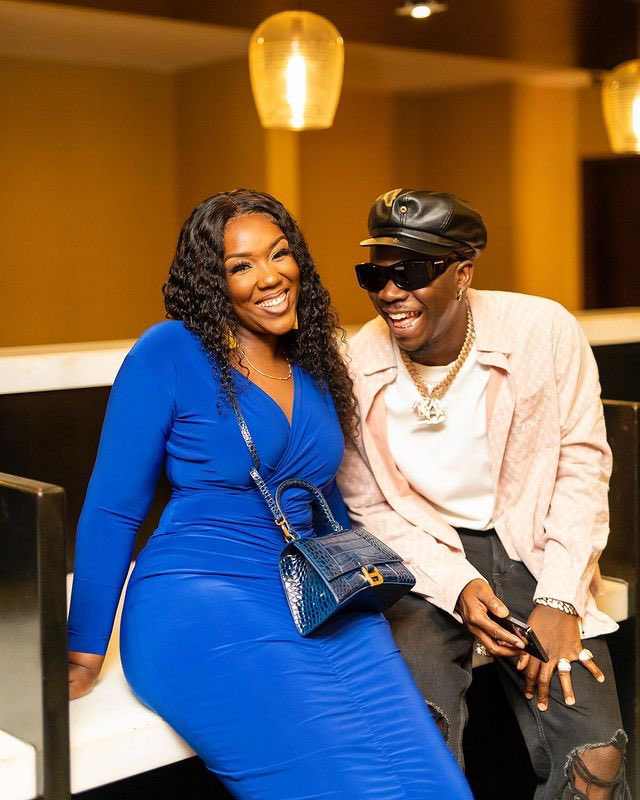
My Pregnant Wife Was Stabbed While I Was On Stage - Stonebwoy Recounts
The artiste recounted the challenging periods in his career, including the frightening moment when he thought he would lose his wife and child.

culture | BY Joshua Narh | July 8th, 2026
Ghana AIDS Commission Clarifies HIV Test Results From Security Recruitment Exercise
The Commission explained that under Ghana's national HIV testing guidelines, a single reactive HIV screening result does not amount to a confirmed HIV diagnosis.

culture | BY Angela Kuffour | July 8th, 2026
Alogboshie Residents Call For Fair Distribution of Flood Relief Items
A visit to Alogboshie, a suburb of Accra, revealed yet another devastating scene of the disaster.
entertainment | culture | BY Joshua Narh | July 8th, 2026
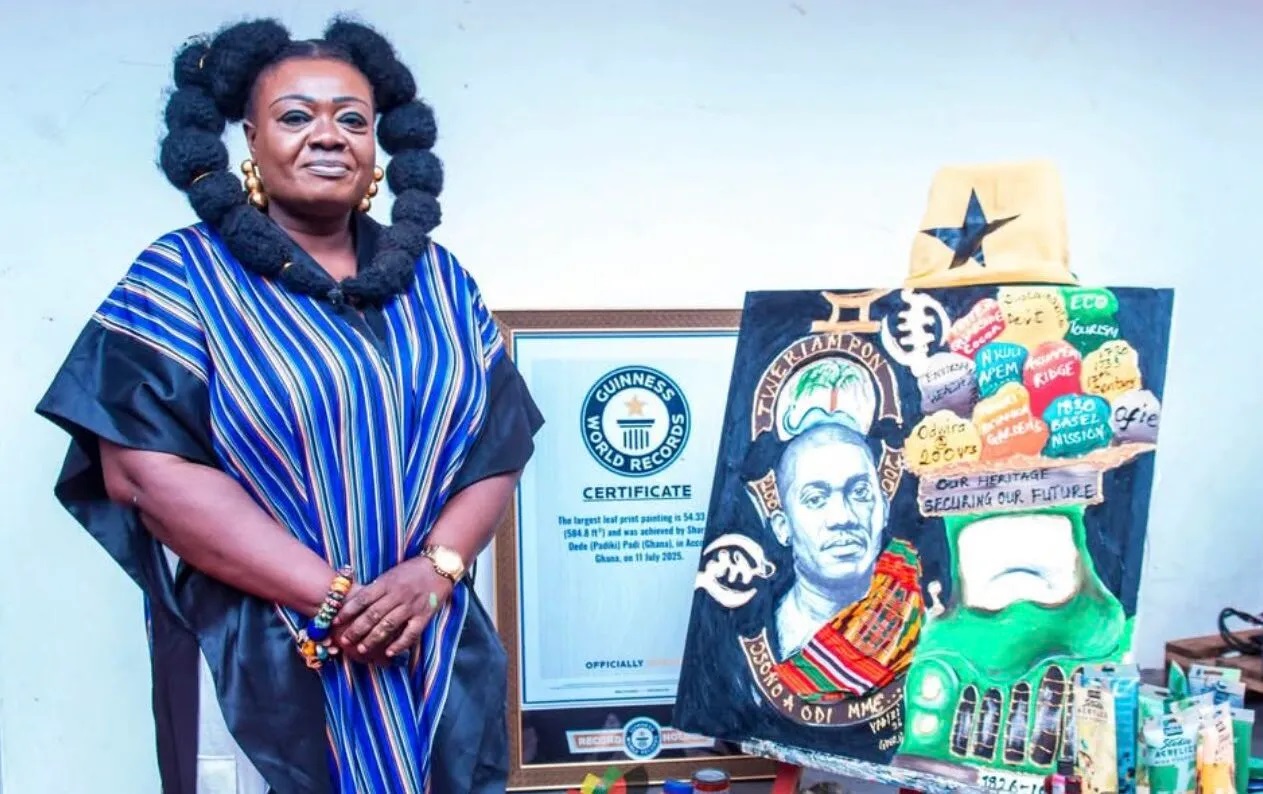
Ghana Mourns Guinness World Record Holder Sharon Dede Padi
According to reports, she died in the early hours of Tuesday, 7 July 2026, at the age of 50. The cause of her death has not been made public, and her family is yet to issue a statement.
sports | BY Joshua Narh | July 8th, 2026
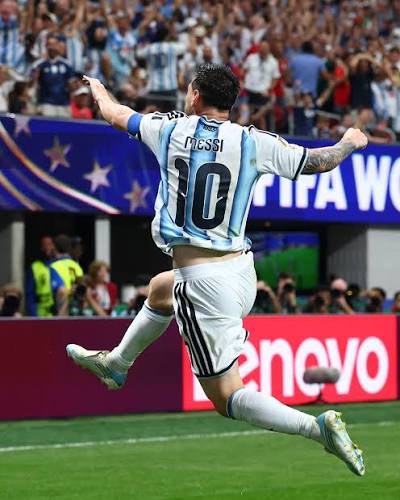
Messi Extends Golden Boot Lead With Stunning Comeback Against Egypt
The Argentine captain inspired the defending champions from the brink of elimination, helping overturn a two-goal deficit to secure a place in the quarter-finals and move clear at the top of the tournament's scoring chart.
culture | BY Angela Kuffour | July 8th, 2026
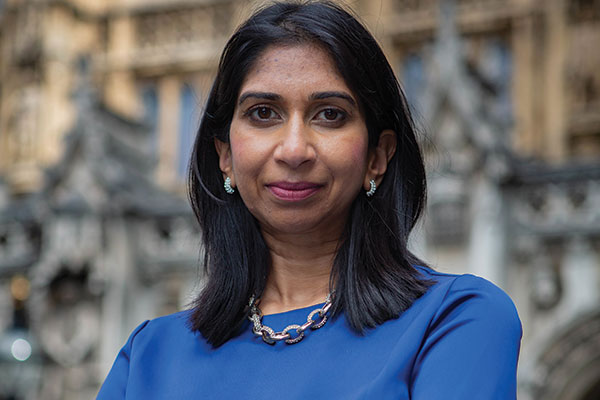
Former UK Minister Demands Former British Colonies Compensate Britain
Braverman stated that former British colonies would need to reimburse Britain if reparations talks were to take place.
More Similar Videos
music,entertainment | Lerny Lomotey | October 27th, 2025
Showboy Shares His Journey From Prison To Becoming Ghana's Biggest Trapper
Comments