Coco Blasian Discusses Her Interracial Identity

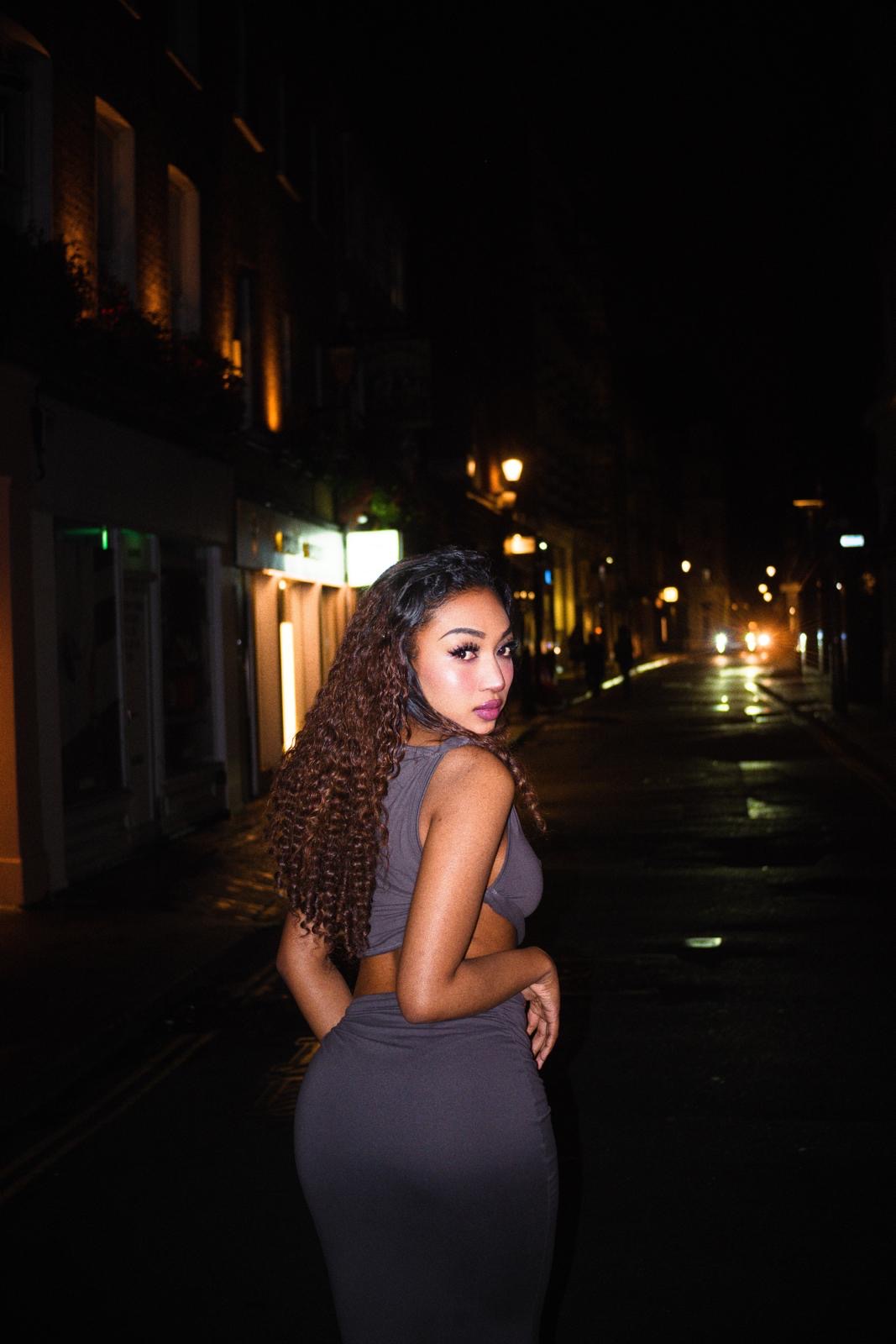
Ghanaian Japanese artiste, Coco Blasian, has shared her powerful story of identity, culture and music during an engaging studio conversation that explored her journey as a Black and Asian artiste.
Explaining the meaning behind her name Blasian, Coco said it represents her mixed heritage; Black and Asian, born to a Ghanaian father and Japanese mother. The fusion, she noted, has shaped both her personal identity and her creative direction in music.
Born and raised in Japan, Coco moved to Ghana at the age of six, spending part of her early childhood there before returning to Japan. She describes her life as one lived across two worlds, where she is often seen as a foreigner in both cultures.
“I was born in Osaka, raised in Japan, but I also lived in Ghana when I was young. So I’ve always felt like a foreigner in both places,” she said.
One of her most unforgettable childhood memories in Ghana highlighted the sharp cultural differences between the two countries, especially around how animals are perceived differently. She recalled receiving pet rabbits from her father, only to later discover they had been used for food. An experience she says left a lasting impression on her understanding of culture.
Despite such contrasts, Coco says both Ghana and Japan have deeply influenced who she is today. She describes Japan as highly structured, clean and technologically advanced, while Ghana gave her rhythm, warmth, and a natural connection to music and community life.
This dual identity has become the foundation of her sound, which blends Afrobeats and Amapiano with Japanese-inspired musical elements, particularly J-Pop. A popular genre in Japan is often associated with anime culture and mainstream pop.
“In Japan we have J-Pop, and I grew up with that sound. But Ghana gave me rhythm and dance. So I mix both worlds in my music,” she explained.
Coco also noted that African music culture, especially Afrobeats, is gradually gaining recognition in Japan, with growing interest in dance trends and digital influence helping bridge both cultures.
Beyond music, she is also involved in social impact work, currently participating in a breast cancer awareness project aimed at educating the public about Breast Cancer and encouraging early detection for both women and men. The initiative includes a recorded song in collaboration with guitarist and singer Aura, designed to amplify awareness and education.
Looking ahead, Coco says her mission is to continue living between both worlds, Japan and Ghana while using her music to connect cultures and audiences globally.
“I want to live half in Japan and half in Ghana and promote my music across both places,” she said.
Sign up for the 3Music Newsletter for breaking news, events, and unique stories.
MORE FROM
music
-

-

culture
Boiled Water Is The Safest Option After Floods - Doctor Aminarh Warns
By Joshua Narh
June 30th, 2026
-
culture
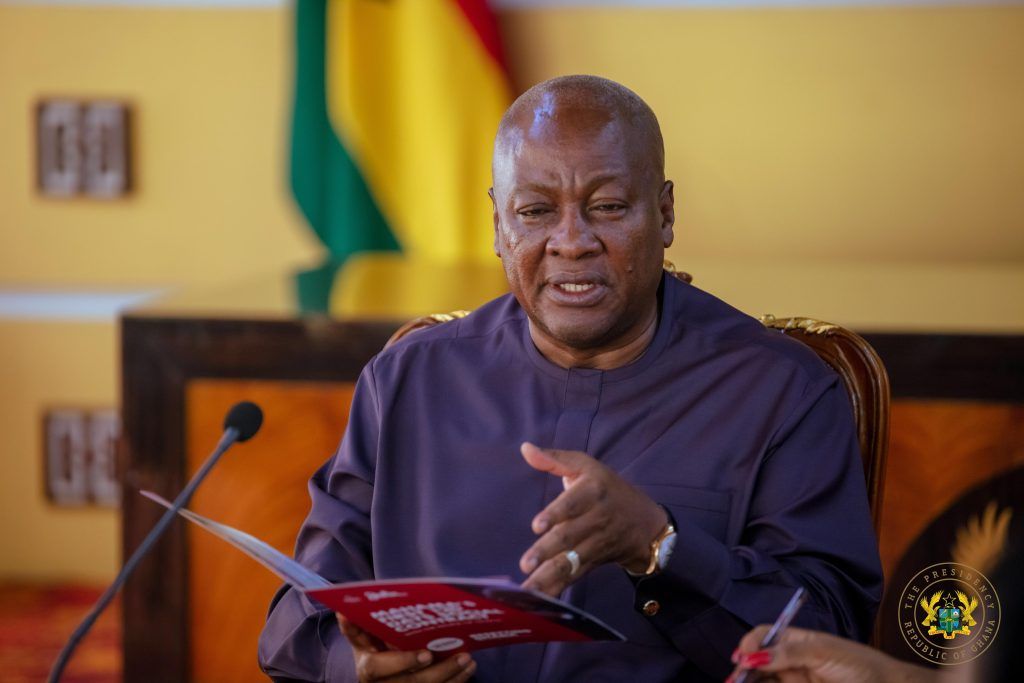
President Mahama Releases GH¢300m For Flood Relief And Urban Drainage Works
By Joshua Narh
June 30th, 2026
-
music entertainment
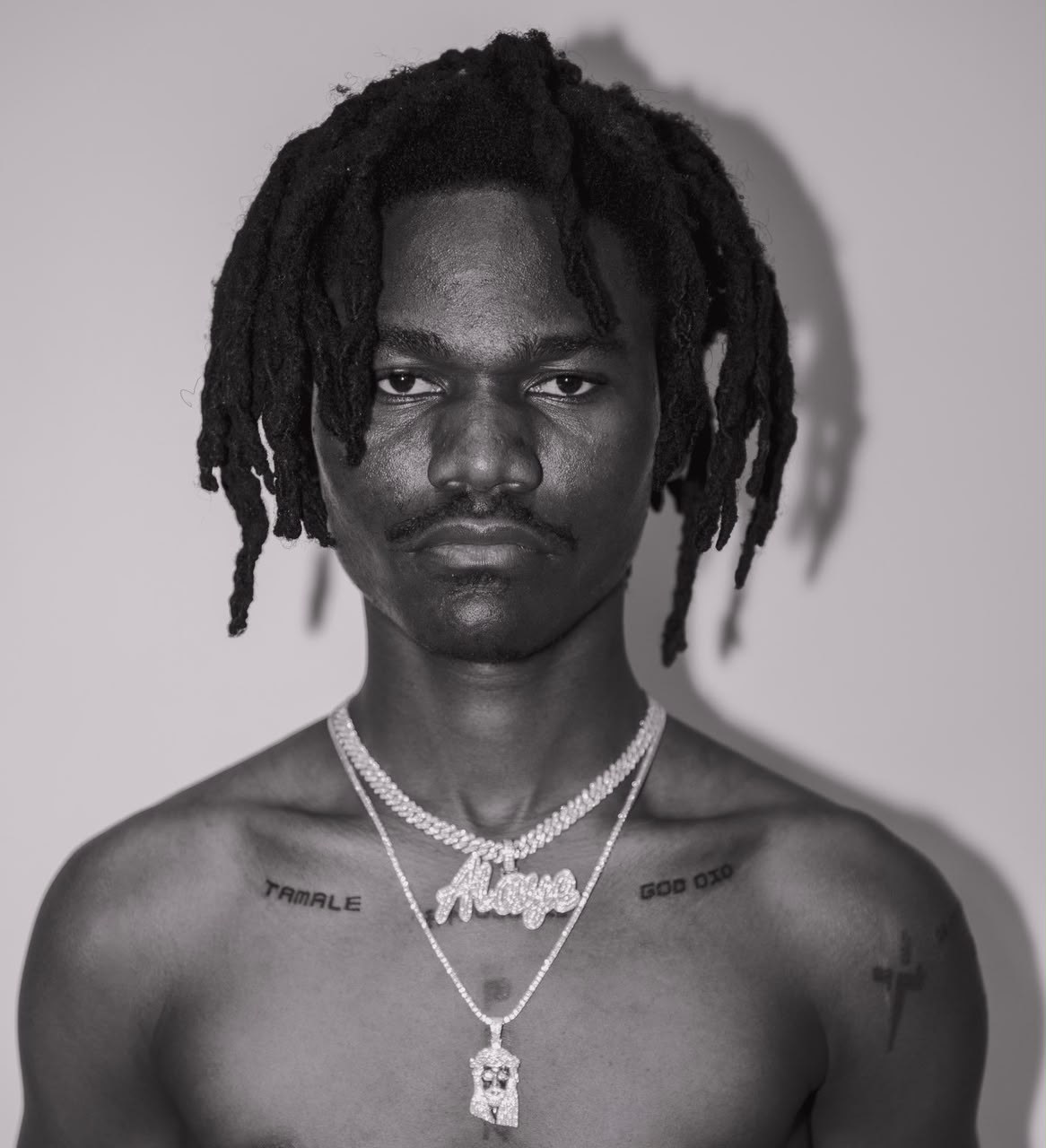
Bill Gucci Teases New Single BAD ENERGY Ahead Of 2026 Release
By Angela Kuffour
June 30th, 2026
-

music entertainment
See The Complete List Of Winners At The 2026 BET Awards
By Angela Kuffour
June 29th, 2026
More From 3Music News
music | entertainment | BY Angela Kuffour | June 29th, 2026
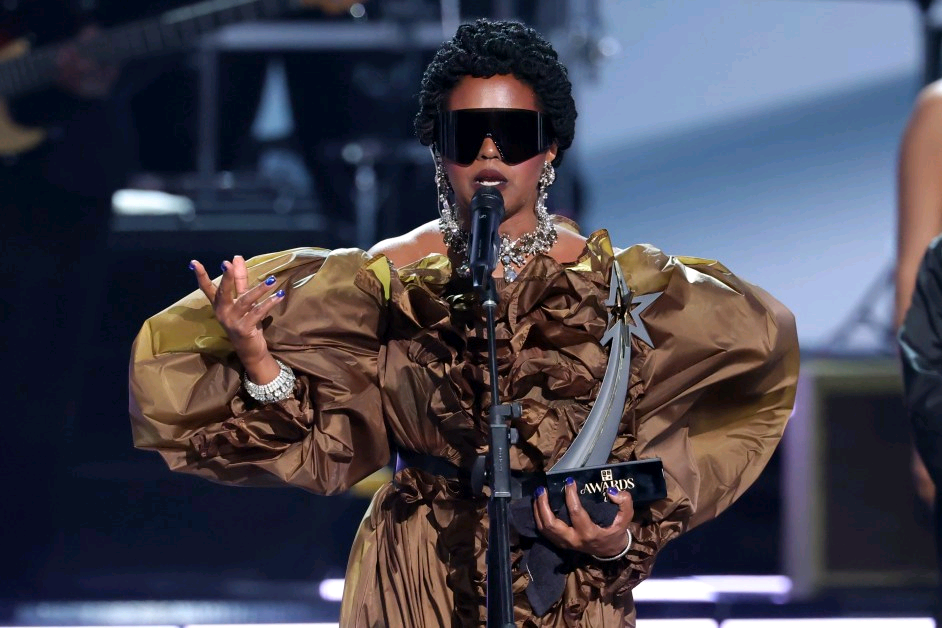
BET Awards Honours Lauryn Hill With Living Legend Icon Award
The adored vocalist, 51, released her groundbreaking album after becoming well-known as a member of The Fugees.
music | entertainment | BY Angela Kuffour | June 29th, 2026
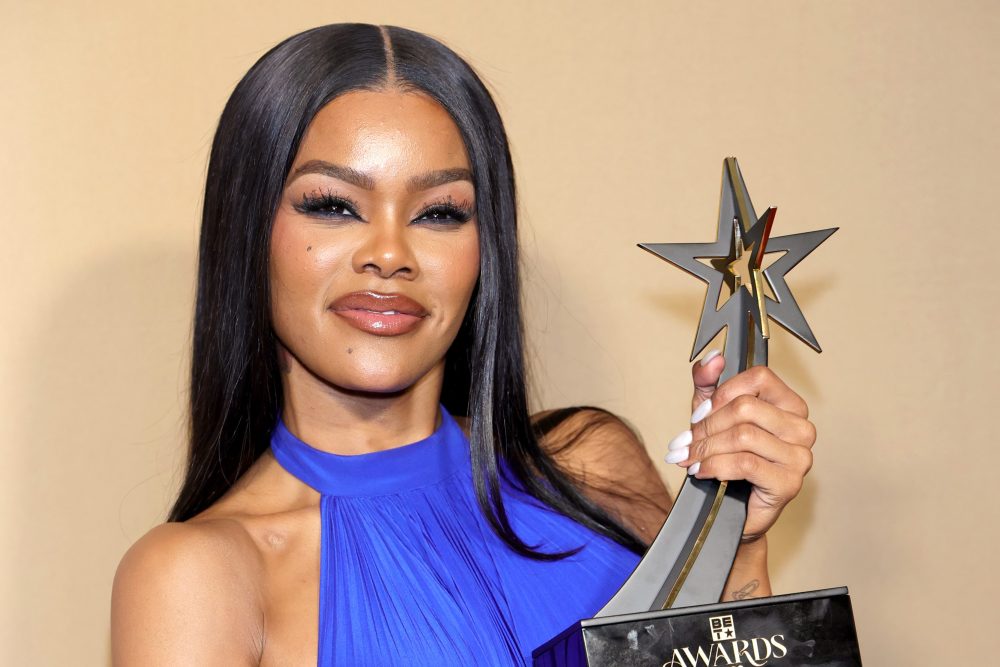
Teyana Taylor Wins Big At 2026 BET Awards
The actress was tearful as she received the Icon of the Year award presented to her by the legend Janet Jackson.

culture | BY Angela Kuffour | June 29th, 2026
MoH Warns Of Cholera Outbreak As Floods Kick In
The Ministry cautioned that indiscriminate sanitation habits during rainy seasons could lead to the outbreak of waterborne diseases in communities.

entertainment | culture | BY Angela Kuffour | June 29th, 2026
THE GOOD LIFE Actress Dame Penelope Keith Dies At 86
According to credible sources, Keith was battling cancer and died peacefully at her home.

culture | BY Angela Kuffour | June 29th, 2026
Accra Calls For Noah’s Ark As Devastating Floods Submerge The City
Streets have turned into raging rivers, vehicles swept away or abandoned, and desperate residents are seeking higher ground.

sports | BY Joshua Narh | June 27th, 2026
Round of 32 Beckons as Ghana Sets Date with Colombia
The Black Stars advanced on goal difference after a dramatic group campaign that included a victory over Panama, a goalless draw with England and a narrow loss to Croatia.
sports | BY Joshua Narh | June 27th, 2026
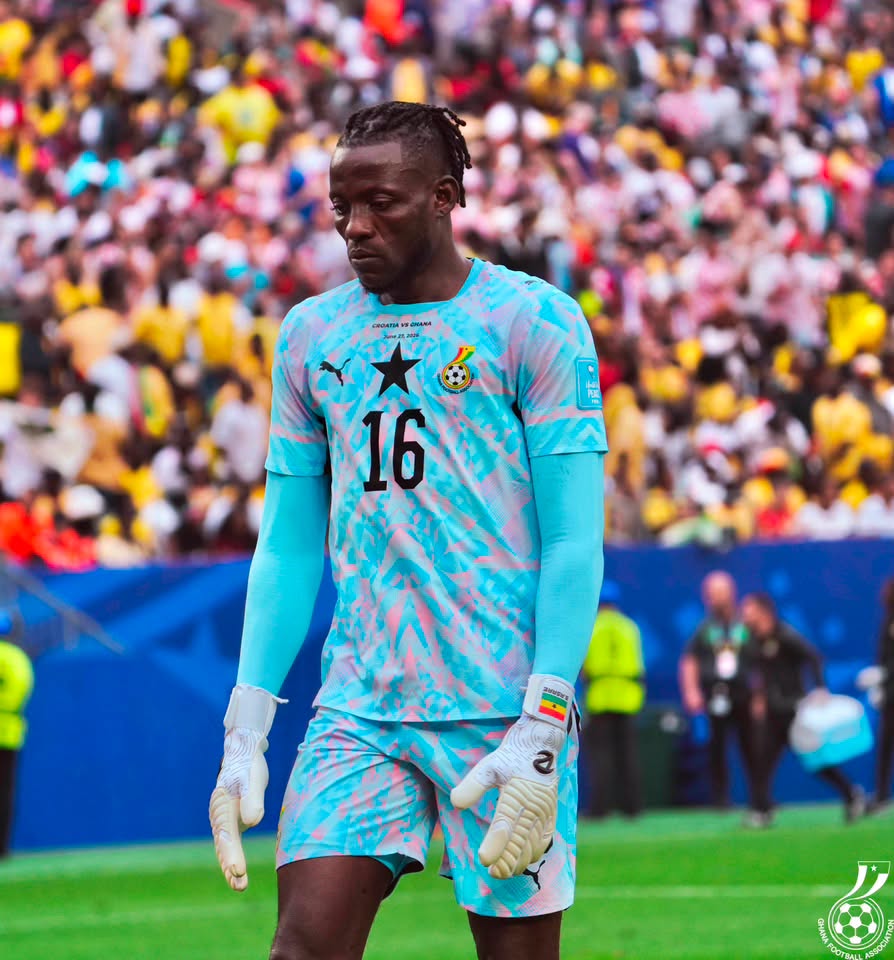
Ghana's Unbeaten Run Ends In Narrow Defeat To Croatia
Goals from Petar Sucic and Nikola Vlasic ensured the European side claimed all three points, despite a second-half equaliser from Derrick Luckassen.
sports | culture | BY Joshua Narh | June 27th, 2026
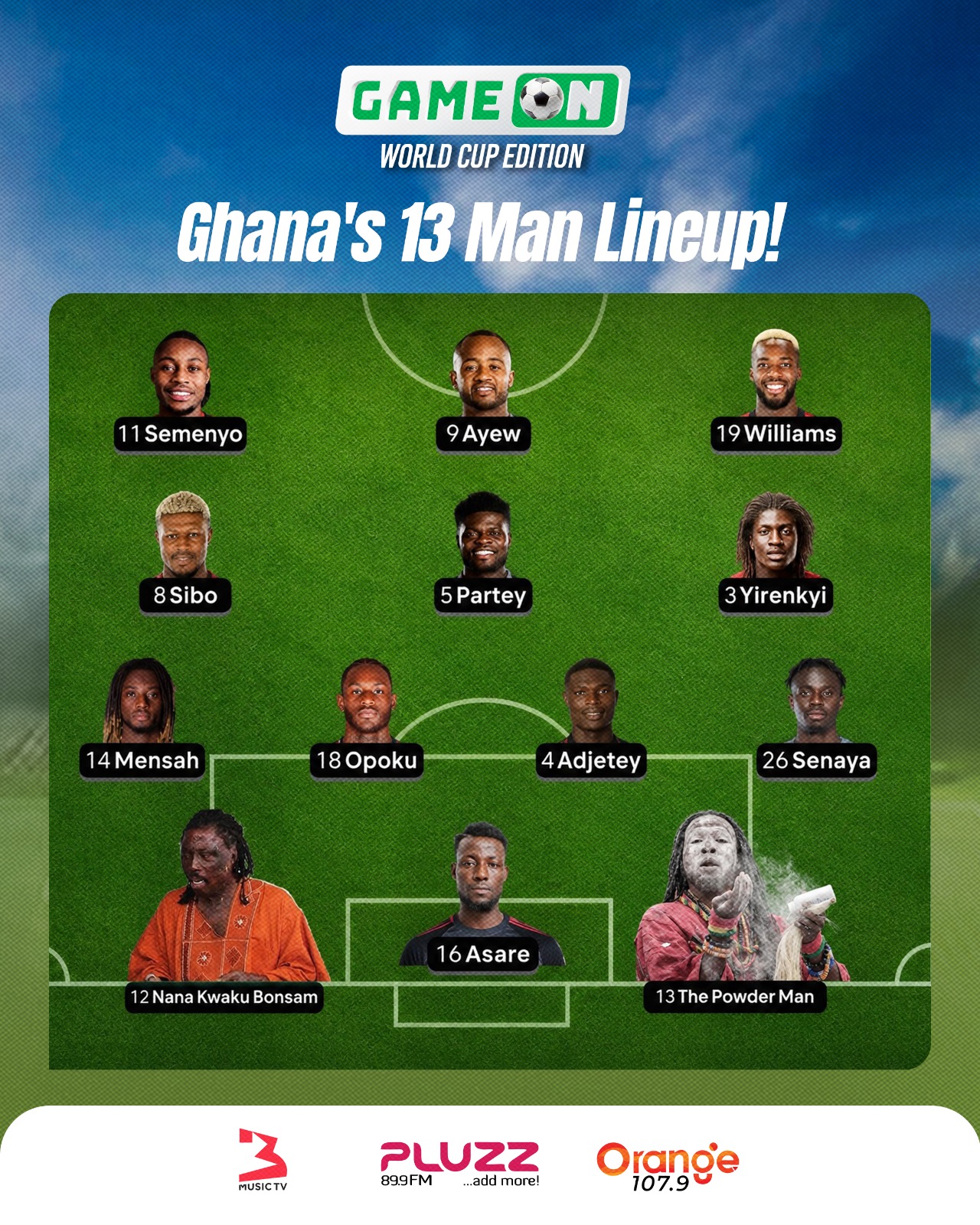
Ghana's 12th And 13th Men: The Priest And The Powder Behind The Black Stars
One is a famous spiritualist sitting thousands of miles away in Ghana. The other is a mysterious supporter in the stands carrying white powder.

music | entertainment | BY Joshua Narh | June 26th, 2026
Harikiri And Kadima Seek To Build Cultural Bridge Through Music
He said many people outside China are unaware of its thriving hip-hop culture, particularly in the city of Chengdu, which he described as the country’s hip-hop capital.

music | entertainment | BY Joshua Narh | June 26th, 2026
Kadima Eyes Collaborations With Sarkodie, Medikal As China Success Grows
Speaking on the Culture Daily morning show on 3Music TV and Pluzz 89.9 FM, Kadima revealed that he and his musical partner, Harikiri, have already reached out to Ghanaian rapper Medikal for a possible collaboration on their latest single, BAM.

entertainment | BY Joshua Narh | June 26th, 2026
FIFA HEROES Success Shows Global Opportunities Exist For Ghanaian Musicians - DJ Shagy
DJ Shagy explained that after the song met the technical requirements, it advanced through multiple stages before eventually receiving FIFA’s approval for inclusion in the game.

entertainment | BY Joshua Narh | June 26th, 2026
DJ Shagy, KVPEL Aim To Put Ghana’s Afro-Electronic Sound On The Global Stage
The two musicians, who blend Afrobeats with electronic dance music, believe the genre remains largely unexplored in Ghana despite its international appeal.
More Similar Videos

music,entertainment | Lerny Lomotey | October 27th, 2025
Showboy Shares His Journey From Prison To Becoming Ghana's Biggest Trapper
Comments