Merchandise Goldmine: Who Is Cashing Out On The Ghana Black Stars Brand?

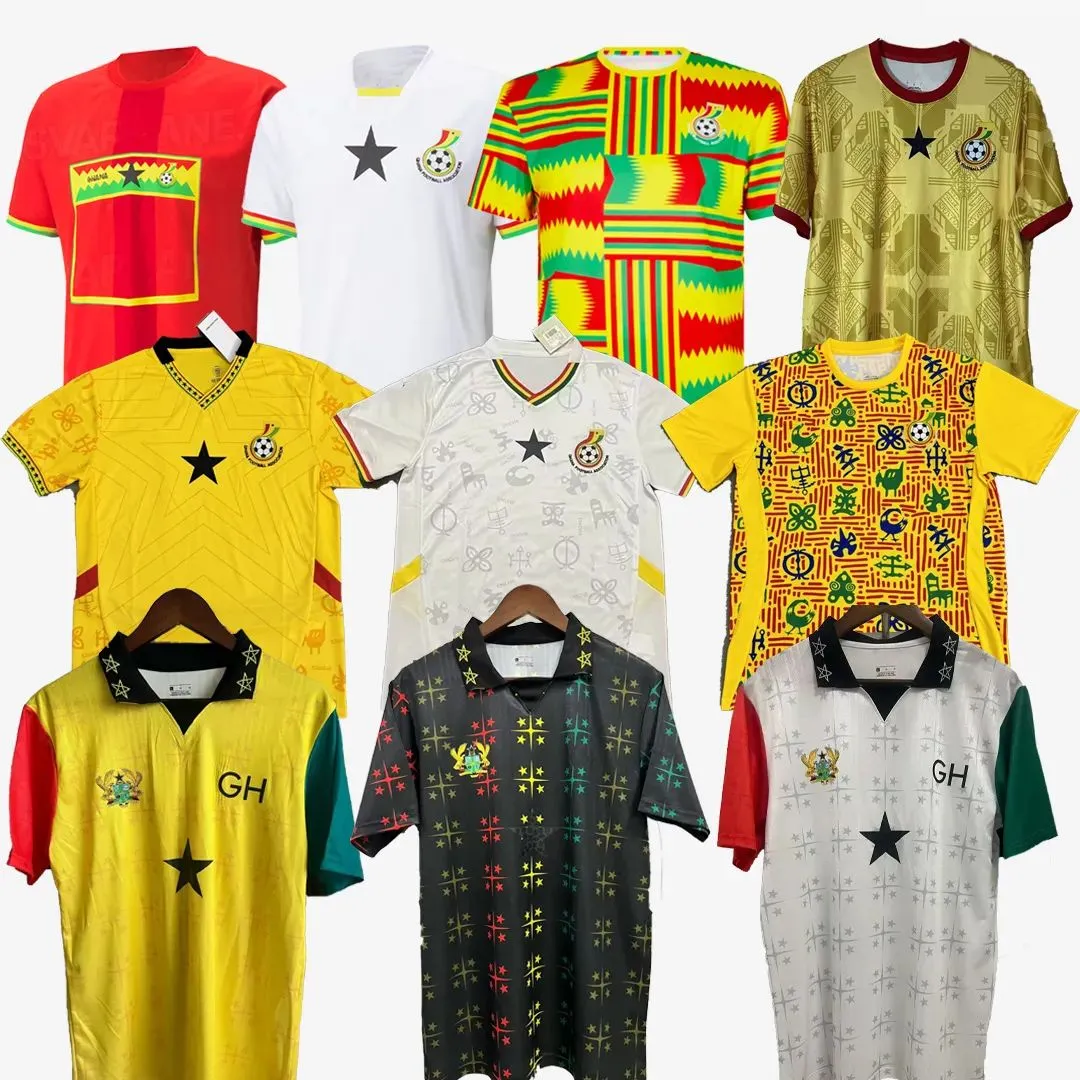
On match days, the roar of support for the Black Stars of Ghana is heard everywhere, in living rooms, sports bars and fan parks. But beyond the goals, celebrations and national pride, another game is being played, one driven by commerce.
From the official merchandise stores in Europe to the lively markets of Accra, the Black Stars brand has become a thriving business. And as Ghana keeps its World Cup hopes alive, thousands of people who have never kicked a football are also enjoying a winning streak.
But a critical question remains: who is really making money from the Black Stars brand?
The business of patriotism.
At the Circle market in Accra, patriotism has become a product.
Rows of stalls are lined with Ghana jerseys, scarves, hats and flags. Traders say demand has surged since the start of the World Cup, with many supporters wanting to identify with the national team.
Some sellers say they entered the jersey business only because of the World Cup. Others who have been in the trade for years describe this period as one of the most profitable seasons on their calendar. However, the prices vary widely.
A locally made or lower-grade jersey can sell for as little as GH¢100, while premium replicas fetch between GH¢300 and GH¢350 due to the demand at a specific time or place.
For many traders, the tournament has become an important source of income in an economy where many informal businesses are struggling. Every Black Stars victory means another round of customers. Every extra match means another opportunity to sell.
The official jersey: a luxury item?
But the economics become even more interesting when compared with the official Ghana jerseys sold by sportswear giant PUMA.
On PUMA's official European website, the latest Ghana men's and women's home jerseys retail for €99.95, equivalent to roughly GH¢1,200 to GH¢1,250 depending on the exchange rate.
Youth jerseys sell for about €79.95, or nearly GH¢1,000. Accessories such as jackets and training tops cost between GH¢780 and GH¢1,100.
These prices do not include shipping or import costs to Ghana.
By the time an official jersey reaches an individual buyer in Ghana, the final cost could exceed GH¢1,500, and in some cases, approach GH¢1,800.
That figure is significantly beyond the reach of many ordinary supporters.
It also explains why the jerseys seen in Ghanaian streets, fan zones and markets are rarely official products.
A global problem, a Ghanaian opportunity.
However, the rise of replica and counterfeit football jerseys is not unique to Ghana. Analysts estimate that counterfeit football shirts account for a significant portion of global jersey sales.
Rising prices of official kits have pushed fans across the world toward cheaper alternatives.
In Argentina, for instance, authorities estimate that more than 70% of national team jerseys in circulation are counterfeit because official products are too expensive for many fans.
In Europe, football merchandise experts say the cost of replica shirts has increased by more than 50% since 2010, with World Cup jerseys now among the most expensive they have ever been.
The result has been a booming market for cheaper alternatives, and Ghana is no exception.
The informal manufacturers.
Beyond the traders selling jerseys at Circle, Makola and Kantamanto is another layer of the business: the people producing the jerseys themselves.
Some local entrepreneurs and fashion designers have begun manufacturing Black Stars-inspired shirts, often using similar colours, symbols and designs.
Others import plain jerseys and customise them with Ghana's colours, players' names and numbers. Their products can sell for as low as GH¢ 150 on the market.
These businesses operate outside the official merchandise ecosystem, yet they have become an important part of the World Cup economy.
A trader can purchase a jersey wholesale and resell it for a profit within hours.
Others take orders from companies, churches and supporter groups wanting matching outfits for match-day gatherings.
For some small businesses, the World Cup has created temporary jobs for designers, printers, transport operators and street vendors.
In effect, the Black Stars have become an economic engine.
Following the money.
The financial trail of a Black Stars jersey is surprisingly complex.
When a supporter buys an official jersey, the money is shared among manufacturers, distributors, and licensing partners.
National football associations can also benefit through commercial agreements and royalties, depending on the terms of their sponsorship deals.
But when a supporter buys a GH¢150 jersey at Circle, the beneficiaries are entirely different.
The money stays largely within Ghana's informal economy.
The seller earns an income. The tailor or printer gets paid.
The transport operator moves the goods, and the market woman feeds a family. In many cases, a single Black Stars jersey supports several livelihoods.
More than football.
Major sporting events often generate economic activity far beyond the stadium. Restaurants see more customers. Media sales teams record higher sales through advert placements. Viewing centres attract larger crowds. Transport operators carry more passengers. And in markets across Accra, football merchandise becomes a booming business.
For traders, every Black Stars goal is more than a sporting achievement.
It is another reason for supporters to buy, another reason to celebrate and another reason to spend.
So, who is really cashing in?
PUMA may own the official rights to the Black Stars jersey and earn more from each shirt sold, but local traders appear to have one major advantage: volume.
With official jerseys costing more than GH¢1,200 and replicas selling for as little as GH¢100, most Ghanaian fans are turning to the cheaper alternatives.
That means while PUMA profits from a premium market, traders in places like Circle are benefiting from the masses. Every Black Stars match brings more customers, more sales, and more income for hundreds of people in the informal sector.
The Black Stars may be chasing glory on the pitch, but off it, the biggest winners could well be the traders turning national pride into brisk business.
Sign up for the 3Music Newsletter for breaking news, events, and unique stories.
MORE FROM
sports
-

music entertainment
I Was Sleeping In My Car In London - Sista Afia
By Angela Kuffour
August 14th, 2026
-
culture
Tech Expert Explains Frequent Depletion Of Mobile Data On Devices
By Angela Kuffour
August 13th, 2026
-
culture
University Of Ghana Theatre Arts Advocates Call for Greater Investment In Creative Sector On International Youth Day
By Angela Kuffour
August 13th, 2026
-

culture
Rigorous Activities Can Break Hymen - Dr. Chris Explains
By Angela Kuffour
August 13th, 2026
-
More From 3Music News
music | entertainment | BY Angela Kuffour | August 13th, 2026
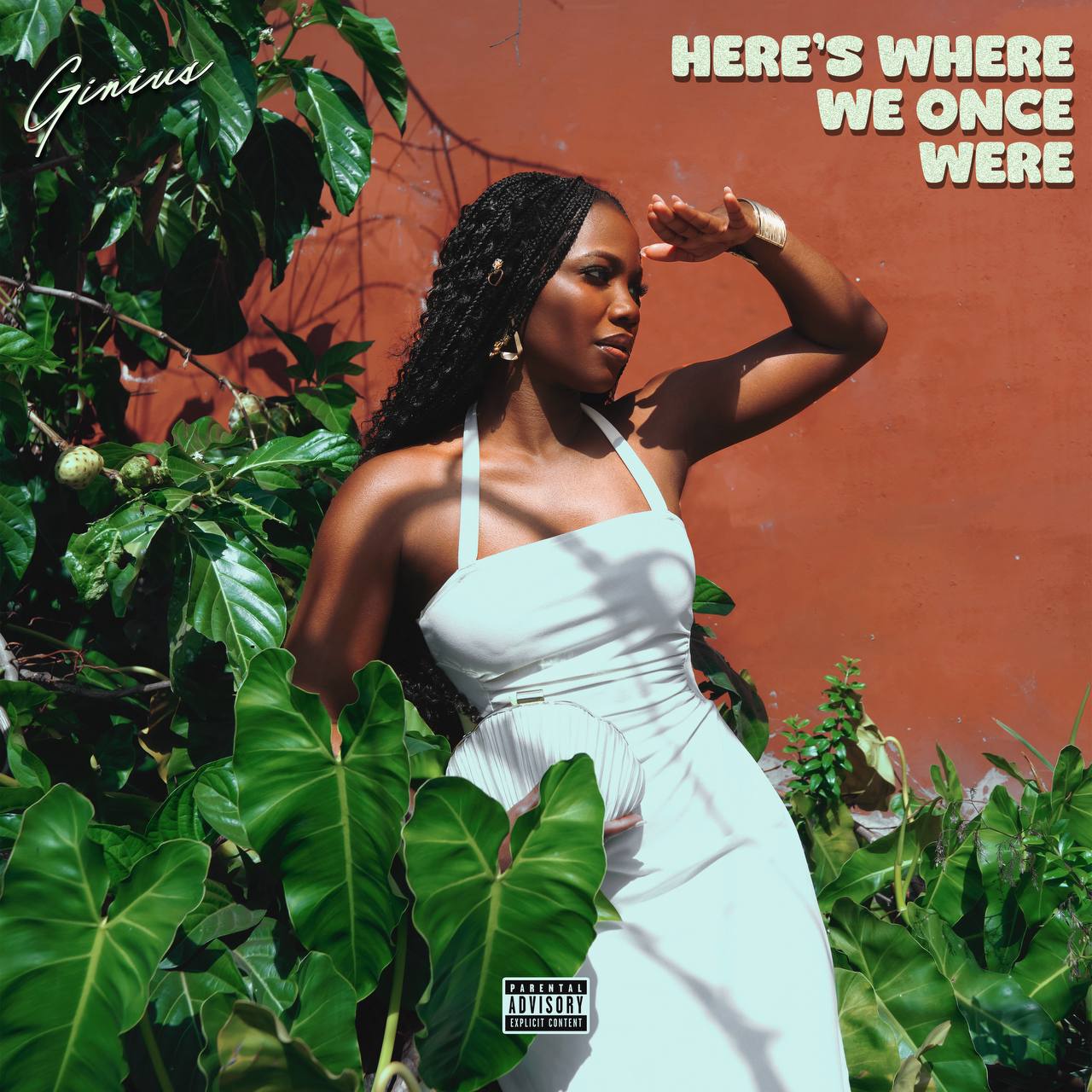
Ginius Returns With Deeply Personal New Project HERE'S WHERE WE ONCE WERE
The tape blends Afro R&B, Amapiano, and Ginius' signature "afro blend" sound; a vibrant weave of Ghanaian Highlife, modern Afropop, and Contemporary R&B.

culture | BY Angela Kuffour | August 13th, 2026
Oppong Nkrumah Urges Mahama To Rescind COCOBOD Bill During Parliament Recall
The bill, he noted, affects at least four million people in the cocoa value chain.
culture | BY Angela Kuffour | August 13th, 2026
NPP Gov't Paid For Scholarship Holders’ Spouses And Children To Study In UK – High Commissioner
In one case she cited, a beneficiary travelled with her husband and three children, with travel and related costs for the family alone reaching around £90,000.
sports | BY Angela Kuffour | August 13th, 2026
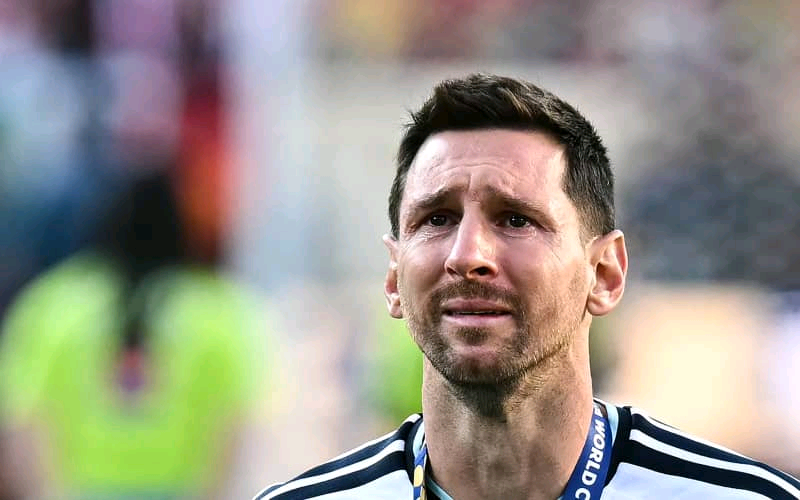
Lionel Messi Ends Career?
Messi wrote that he now has “serious doubts” about how much longer he wants to keep playing, saying he does not know how to continue without his father by his side.
sports | BY Angela Kuffour | August 13th, 2026
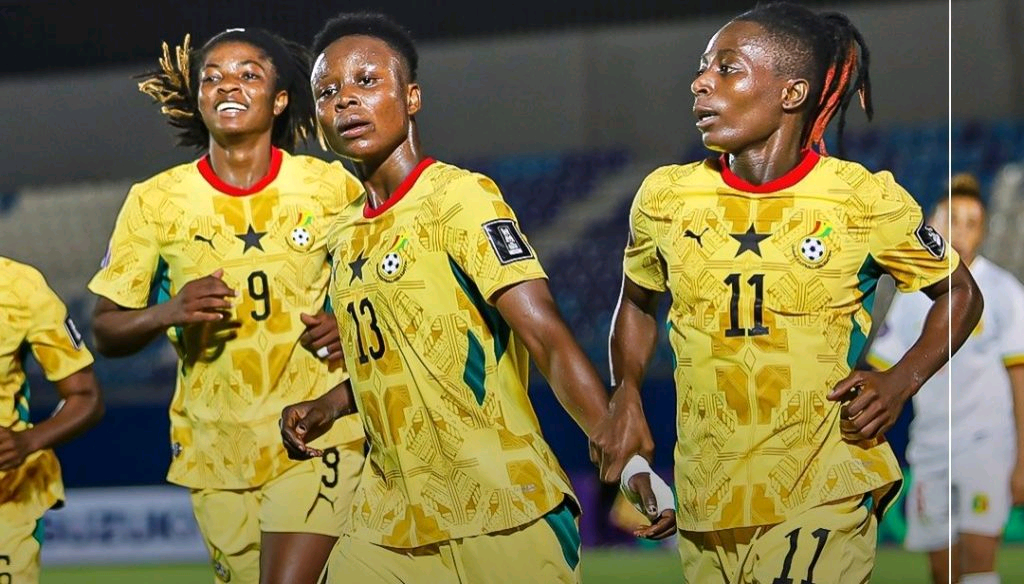
Sports Ministry Denies Owing Black Queens Per Diems Amid WAFCON Dispute
In a statement responding to player concerns raised on August 12, the ministry said all approved per diems have been settled.

culture | BY Angela Kuffour | August 13th, 2026
Eleven killed, 13 Injured In Multi-Vehicle Crash At Ofankor Barrier
The crash involved several vehicles, including tipper trucks and Sprinter buses, on the Ofankor-Pokuase stretch.

culture | BY Angela Kuffour | August 13th, 2026
3Media Networks Launches Month-Long Road Safety Campaign
This month-long road safety awareness initiative is a call for collective action aimed at educating drivers, passengers, pedestrians, motorcyclists and other road users on the importance of responsible road use and strict compliance with road safety protocols.

entertainment | BY Angela Kuffour | August 12th, 2026
I'm A Director By Learning On Field - Nana Ama McBrown
The veteran actress said that although she has been successful at producing and directing movies, she did not learn the skill anywhere.

entertainment | BY Angela Kuffour | August 12th, 2026
Nana Ama McBrown Highlights Society’s Barrier To Young Women In New Movie AMA
Nana Ama said that the movie tells the story of young women in Ghana who have potentials for greatness but are limited due to society.
culture | BY Angela Kuffour | August 12th, 2026
Nigerian Onion Traders Suspend Exports to Ghana
The association announced the suspension, citing repeated harassment of Nigerian traders, restrictions on offloading consignments and the seizure of onion-laden trucks at Kotoku Market in Accra.

culture | BY Angela Kuffour | August 12th, 2026
Court Of Appeal Strikes Out AG's Stay In Sedina Tamakloe Case
Justice Bernasko-Essah noted that although the panel had been issued a warrant by the Chief Justice to sit and rule on the application, the withdrawal left no matter pending before the court.
culture | BY Angela Kuffour | August 12th, 2026
GPRTU Orders Drivers To Reverse Unapproved Transport Fare Hikes
The directive comes after complaints from passengers that some drivers had begun charging higher fares despite no approved increase being in place.
Comments