This Is The Trash Talk Comfortably Holding Ghana Back

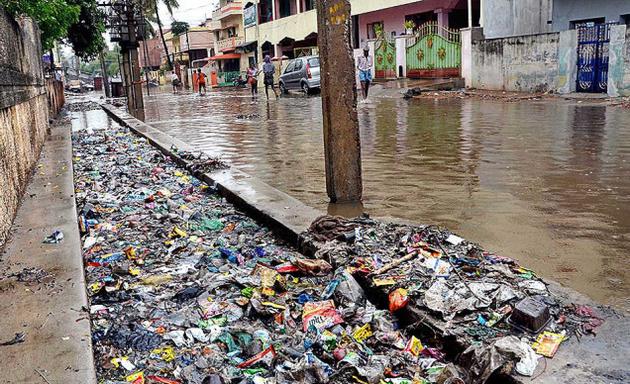
Countless times, you've seen it and turned a blind eye, a neighbor throwing out their trash or just a single piece at an unauthorized place. But we say nothing, we quickly move on and let the dirt sit there in full glare of the public. It is because we have normalized it.
But how normal is littering our environment? Ghana is a beautiful country that sits on the coast of the Gulf of Guinea with lovely scenery. From the mountains to the valleys, beaches to resorts, waterfalls to nature parks, we have all of it.
And these form part of the tourism sector that earns the country a good deal of income locally and internationally. But there's one thing that stains our reputation: the filth and dirt that cover these areas. It is everywhere! It has become part of society.
How Did We Get There?
That's where the normalization comes in. Take, for instance, you're outside and drink a sachet of water or eat biscuits; where do the wrappers go? We leave them exactly where we are or throw them into a gutter and feel free. Free?
Or you buy roasted corn and, after eating, you throw the corncob behind someone's building. It's just a single piece of rubbish, right?
Now imagine doing that every day of the year (360 days). Now imagine again 30 million other Ghanaians doing it with you. You see the gravity of it?
That's how we got here: with our beaches covered with plastic waste, unwanted clothes, coconut husks, and more. Some days ago, I saw a young boy throw a sachet into a gutter freely and not feel guilty about it or care where it ends up.
And then it hit me; it is a menace that we have been baptized in since infancy. If that boy did not grow up seeing adults around him doing that, would he have been confident to do so? If he did not see gutters choked with plastics, would he have had the audacity to do so?
The Admiration For Other Countries
We sit behind our televisions and phones and admire other countries, how clean they are, and some so-called wise ones will begin tagging it 'black man, black sense', 'God bless the white man,' and other ridiculous quotes. How did the White Man achieve that status? Why can't the Black Man achieve that as well?
And then there is another group that labels the government incompetent for not being able to solve the sanitation issue. Do you need the government to tell you to keep your environment clean before you do? Do you want the government to clean your surroundings for you? Dustbins have been provided; authorized refuse dumps are available. What more do we need? What stops anyone from keeping a simple plastic or piece of rubbish in their bag and disposing of it later when they get home?
Let's just face it: we are lazy and nonchalant about our environment. The average Ghanaian does not care about tomorrow or the aftermath of their attitudes.
The Devastating Consequences
The floods that hit parts of Accra on June 29 are clear evidence of the results of our nonchalant attitudes.
Investors and tourists who troop into the country hoping to enjoy the scenery or invest in them are scared away. Of course, who wants to invest in dirt?
And then there is the health aspect; many are currently in the hospital battling preventable diseases like malaria, cholera, typhoid, and food poisoning.
What Should We Do?
I suggest we instill cleanliness in our children; that's where it should start. From our homes, parents should teach their children how to properly dispose of rubbish. Pastors and Sunday school teachers should preach about it.
The National Commission for Civic Education should intensify campaigns on environmental cleanliness. Also, the government can reintroduce the old Town Council (Tankasi) institution that constantly checked and fined citizens who were violating sanitation rules.
Lastly, we should each make it a responsibility to make our society or little corner clean. Every little step goes a long way, and let's also remember the lyrics of our national pledge;
"I promise on my honour to be faithful and loyal to Ghana my Motherland.
I pledge myself to the service of Ghana with all my strength and with all my heart.
I promise to hold in high esteem our heritage, won for us through the blood and toil of our fathers;
and I pledge myself in all things to uphold and defend the good name of Ghana.
So help me God."
Sign up for the 3Music Newsletter for breaking news, events, and unique stories.
MORE FROM
culture
-
sports
Ghana Premier League Champions To Receive GH¢3 Million Prize Money For 2026/27 Season
By Angela Kuffour
August 20th, 2026
-
sports
GFA Recommends Carlos Queiroz Stay On As Black Stars Coach After 2026 World Cup
By Angela Kuffour
August 20th, 2026
-

entertainment culture
Yaa Bitha Opens Up About Lifelong Congenital Condition
By Angela Kuffour
August 20th, 2026
-
culture
Big Push Road Projects Targeted For Completion By End Of 2027 – Deputy Roads Minister
By Angela Kuffour
August 20th, 2026
-
More From 3Music News
entertainment | BY Joshua Narh | August 19th, 2026
Know How To Cross Boundaries - Jerry Ashinyo Tells Comedians
Jerry said comedians often face criticism when jokes touch on personal, political or cultural issues but believes the way a joke is delivered can determine how audiences receive it.
entertainment | BY Joshua Narh | August 19th, 2026
Jerry Ashinyo Calls For Support For Ghanaian Comedians
He believes part of the challenge comes from the different forms of comedy Ghanaians have traditionally consumed.

entertainment | BY Joshua Narh | August 19th, 2026
Jerry Ashinyo To Headline ONLY FANS Comedy Special
He described a comedy special as similar to a music album, with different pieces of comedy brought together into one performance.

sports | BY Angela Kuffour | August 19th, 2026
Ghanaian Teenager Emmanuel Abrokwa Signs For Sevilla Until 2029
The talented attacker, a Ghana U19 international, has become the first Ghanaian player in the club’s history and the first to join the La Liga side directly from a Ghana-based club.
culture | BY Angela Kuffour | August 19th, 2026
No Special Motion Needed For Parliamentary Summons Over Loss Claims - Sammy Gyamfi
Gyamfi said he was ready to respond to claims linking GoldBod to losses recorded under the Bank of Ghana’s Domestic Gold Purchase Programme (DGPP).
culture | BY Angela Kuffour | August 19th, 2026
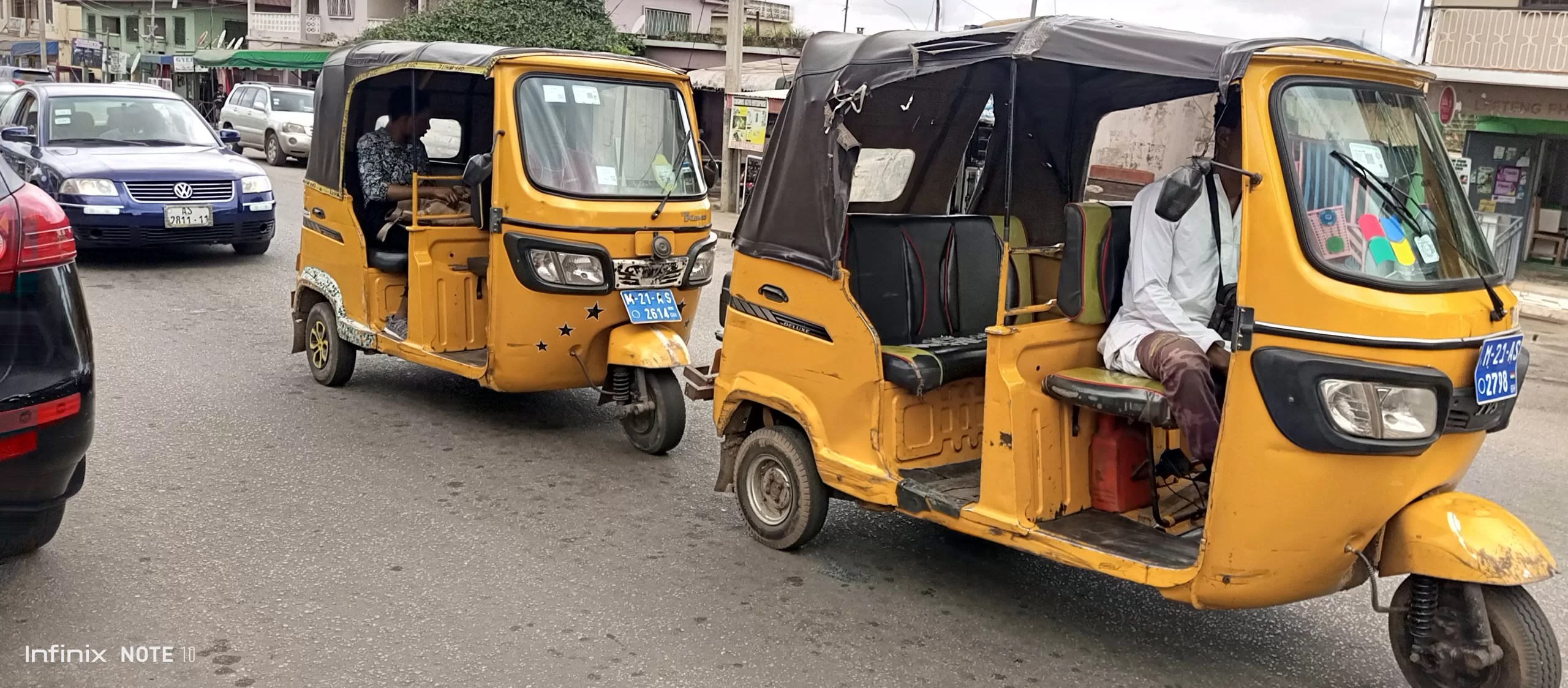
AMA Orders Aboboyaa And Tricycles To Install Reflectors, Avoid Major Highways
Operators must use available side roads instead of the main carriageways of major highways. Where no side roads exist, vehicles must remain clearly visible through the use of reflectors.
culture | BY Angela Kuffour | August 19th, 2026
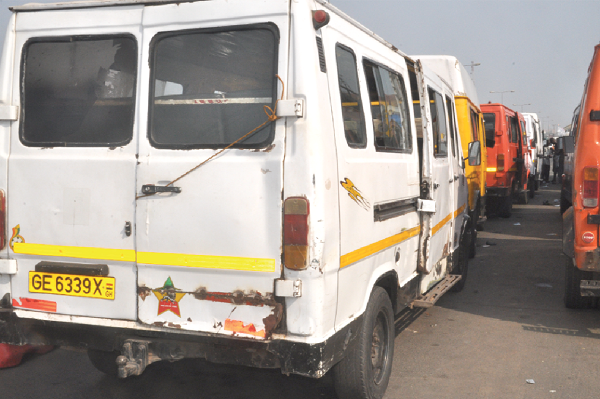
Santasi Drivers Park Vehicles In Protest Over Fare Arrests
Drivers say the GH¢1 increase is necessary to offset rising fuel prices and higher operational costs. They note that although the government had proposed a 30 percent fare adjustment, it has not been implemented.
music | entertainment | BY Angela Kuffour | August 19th, 2026
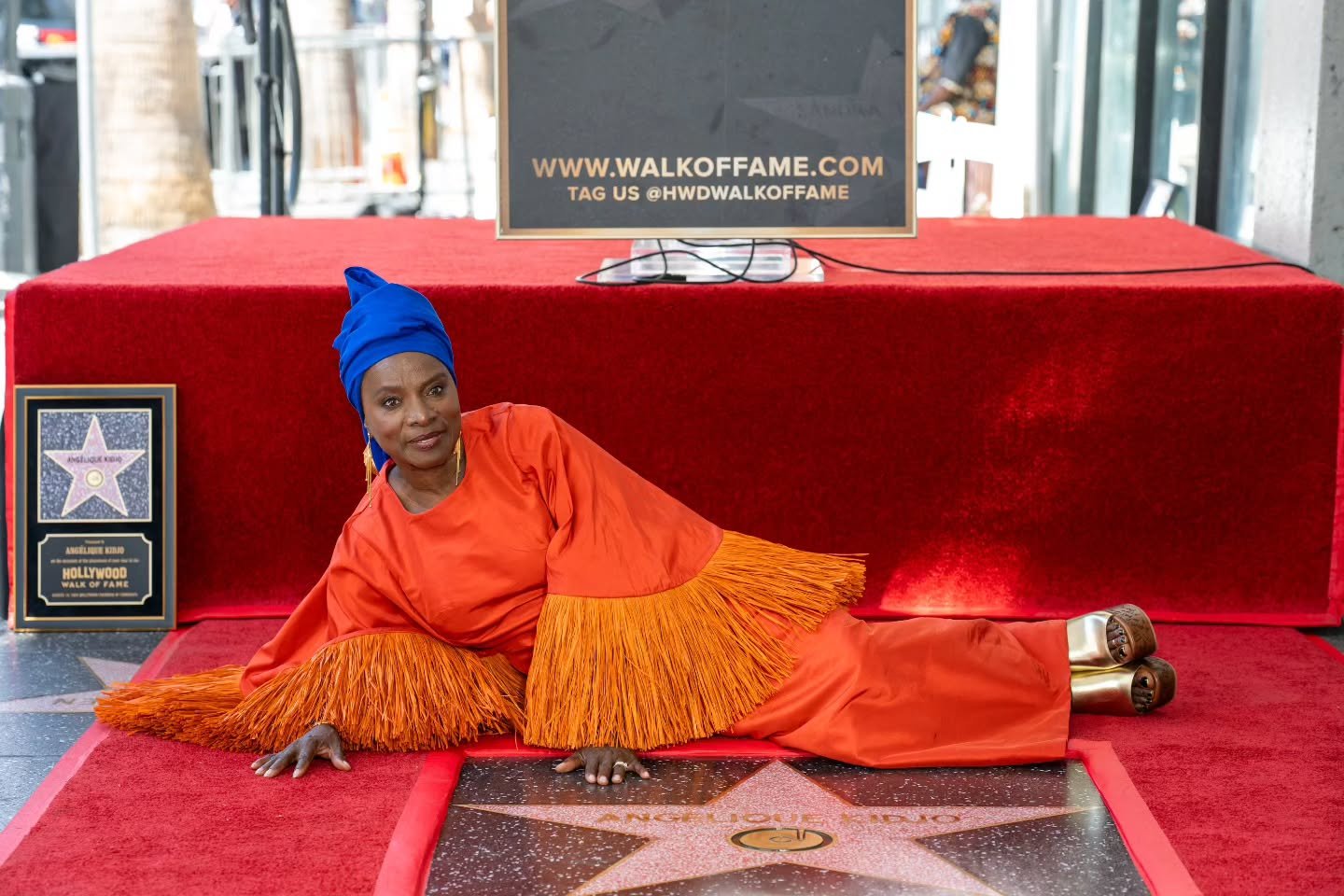
Angélique Kidjo Becomes First African Artiste Honoured With Hollywood Walk Of Fame Star
Kidjo received the honour in the Recording category as part of the Hollywood Walk of Fame’s Class of 2026.

culture | BY Joshua Narh | August 18th, 2026
Traders And Consumers Embrace Cashless Payments Despite Potential Risks
For consumers, the attraction remains largely practical. Digital payments allow people to make purchases without carrying cash and can make transactions faster and easier.

culture | BY Joshua Narh | August 18th, 2026
Poor Sex-Toy Hygiene Can Contribute To Recurrent Infections, Dr Aminarh Warns
Dr Aminarh recounted a case in which a patient continued to experience an infection despite treatment. He said health professionals eventually considered whether a sex toy could be contributing to the recurring problem.
music | entertainment | BY Angela Kuffour | August 18th, 2026
O2 Arena Is Too Small For Shatta Wale, Wembley Stadium Is Our Target - A-Plus
A-Plus said the approximately 20,000-capacity venue could not safely accommodate Shatta Wale’s large fan base, known as the SM Movement or 4Lyfe.
culture | BY Joshua Narh | August 18th, 2026
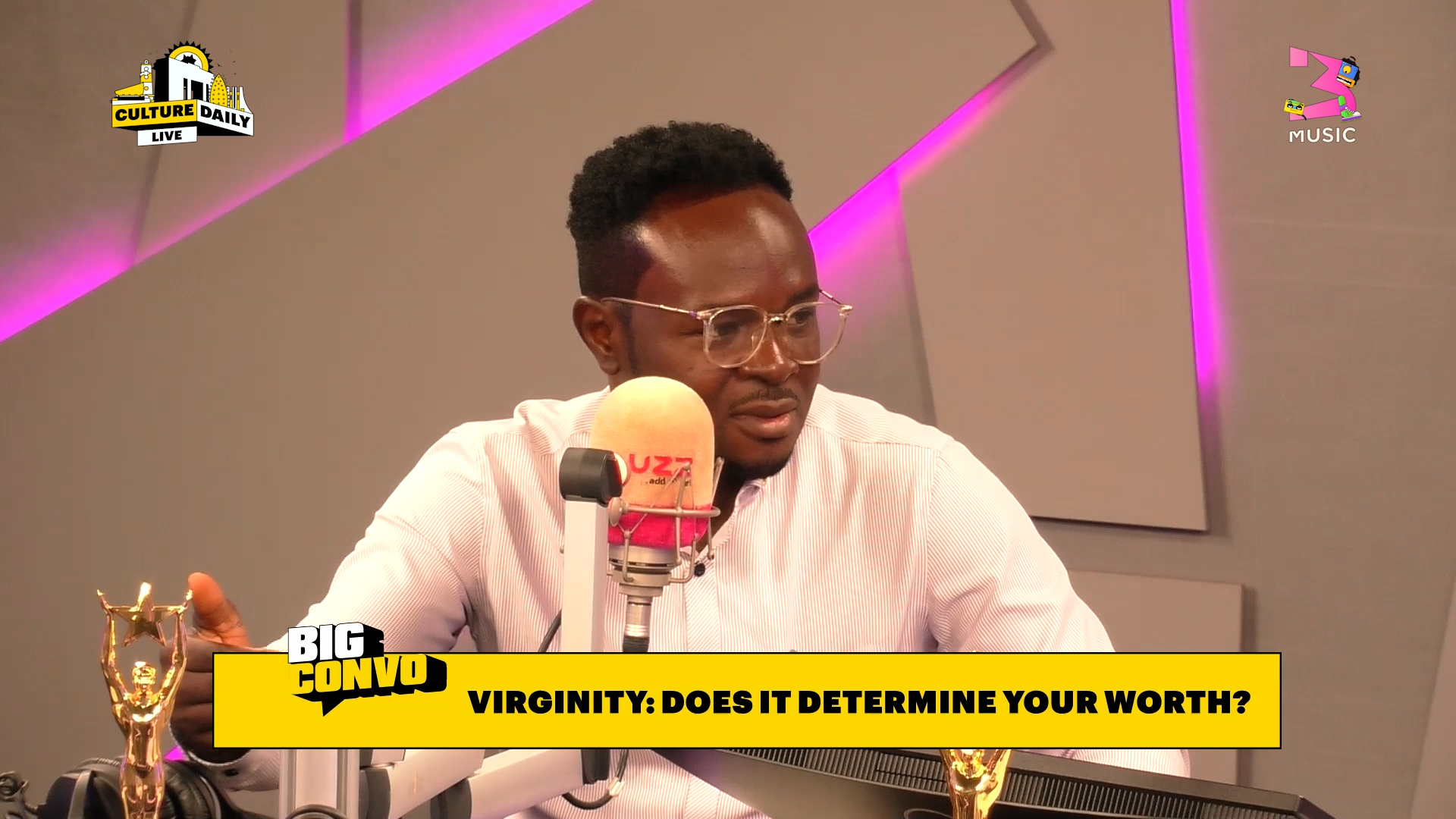
Virginity Should Not Define A Person’s Worth - Dr Aminarh
Dr Aminarh said people may choose to remain virgins because of their religious or personal convictions, but that decision should not be used to humiliate or judge people who have different experiences.
More Similar Videos
culture | 3Music TV | April 4th, 2024
Hammer Shares Music Production Experiences and Artiste Relationships
Comments